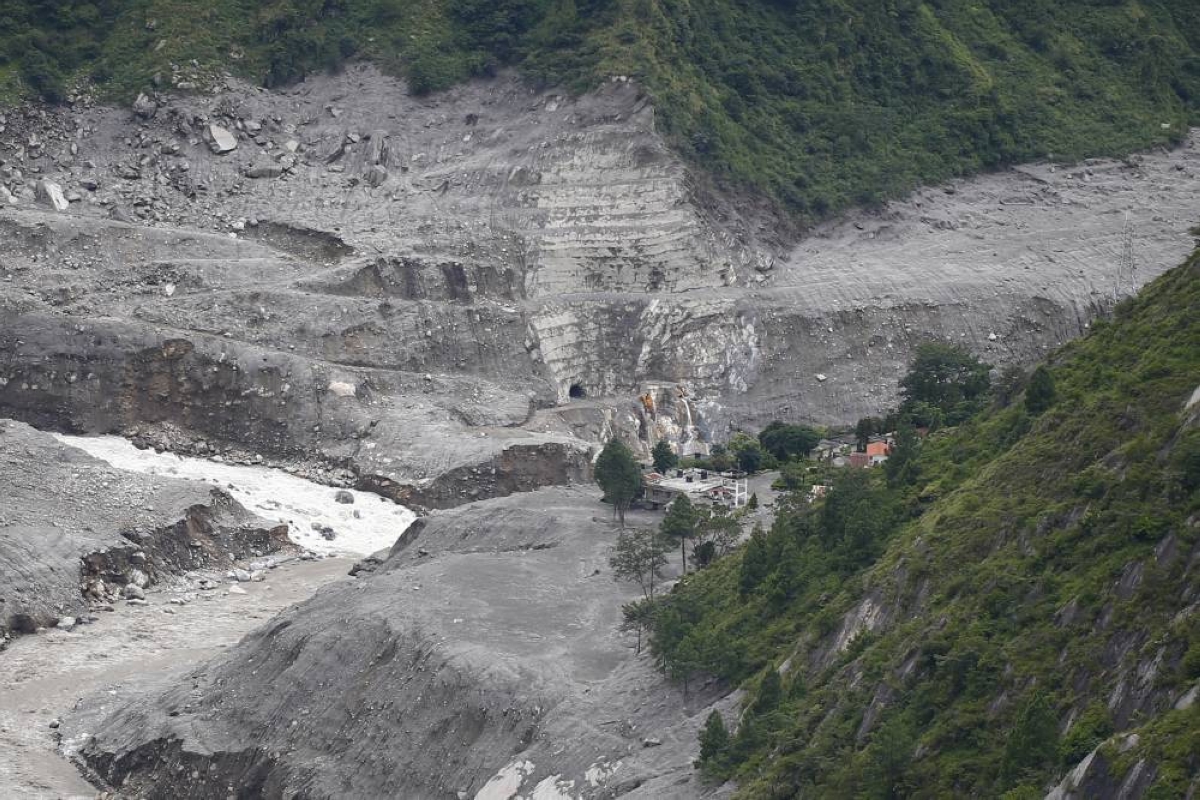
Nepal stands at a critical turning point in its energy development journey. Over the past decade, the country has made significant progress in hydropower development, electricity access and private-sector investment. However, the devastating Bhotekoshi disaster of August 2026 has exposed a fundamental weakness in our energy strategy: increasing generation capacity alone does not guarantee energy security.
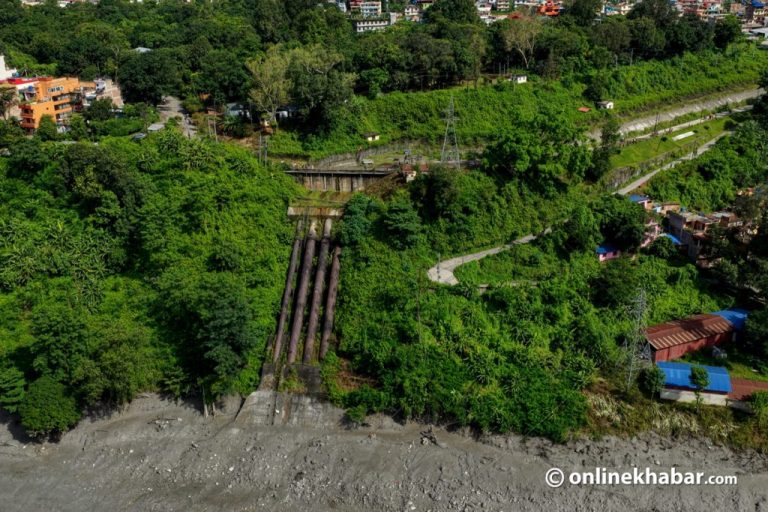
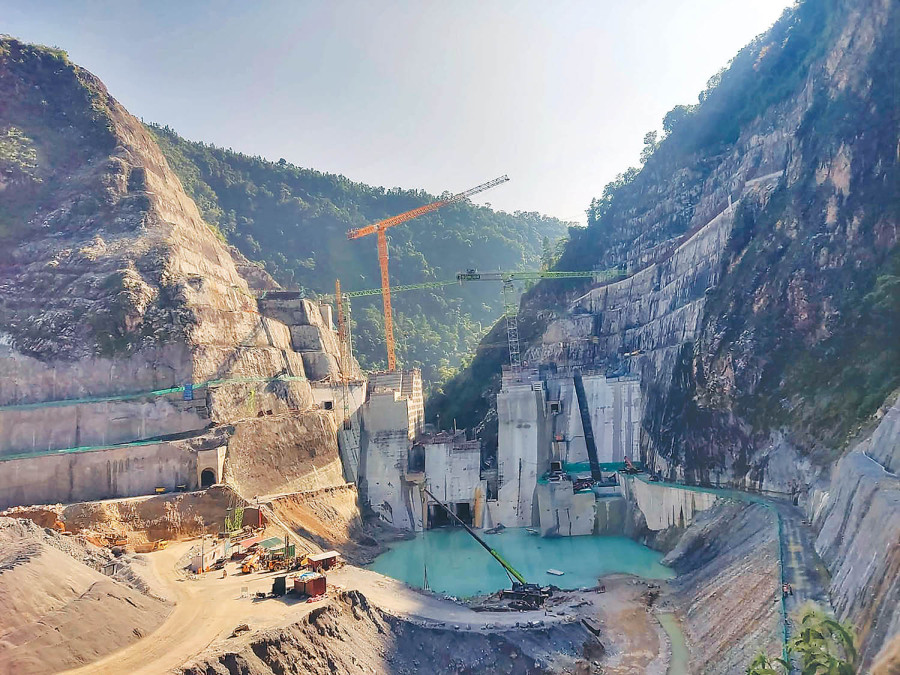
The disaster in Rasuwa and the Bhotekoshi-Trishuli corridor caused extensive damage to critical infrastructure, including hydropower projects, transmission facilities, roads and bridges.
According to the Government of Nepal's Rapid Damage and Needs Assessment (RDNA), 13 hydropower projects with a combined capacity of approximately 759 MW and five solar projects with around 24 MW were affected. The hydropower figure includes projects under construction and should not be interpreted as an equivalent loss of operating generation capacity. The estimated reconstruction requirement for the energy sector and transmission grid alone is Rs resilient electricity system? 390.62 billion, while total recovery needs across all affected sectors are estimated at Rs 723.31 billion. The scale of damage highlights the vulnerability of infrastructure concentrated in exposed river corridors and the need for more resilient and geographically diversified energy development.
The implications extend beyond physical damage. Nepal's electricity system continues to face a seasonal mismatch between generation and consumption. While hydropower production increases during the monsoon, declining river flows during winter significantly reduce domestic generation. The recent disaster has added further pressure to an already challenging supply situation.
According to the Nepal Electricity Authority's September 2026 dry-season supply projection, domestic electricity availability between mid-December 2026 and mid-May 2027 is expected to be approximately 1,218 MW against projected peak demand of 2,272 MW. NEA therefore plans to import up to 1,154 MW from India to bridge the anticipated gap.
This raises an important question: how can Nepal transform its enormous renewable energy potential into a reliable, affordable and resilient electricity system?
Diversification must become a national priority
Nepal's hydropower potential remains one of its greatest economic assets. However, relying predominantly on run-of-river hydropower creates seasonal supply challenges and exposes infrastructure to floods, landslides and other climate-related risks.
The Bhotekoshi disaster demonstrates that future energy planning must consider not only how much electricity Nepal can generate, but also how reliably it can deliver electricity under different climatic and operating conditions.
Diversification should therefore become a central pillar of national energy policy. Solar energy, battery storage, pumped-storage hydropower and stronger regional electricity connectivity should complement conventional hydropower development.
Electricity imports: A necessary bridge
Electricity trade with India is an important component of Nepal's energy security. Importing electricity during the dry season and exporting surplus generation during the monsoon is economically rational, provided cross-border trade remains commercially competitive and reliable.
Nepal's electricity exports generated approximately Rs 29.3 billion in fiscal year 2025/26, demonstrating the growing economic importance of regional electricity trade. India's electricity market offers Nepal opportunities to monetise seasonal surplus and secure additional electricity when domestic generation falls. Bangladesh also represents an emerging market for Nepal's renewable electricity.
Nevertheless, imports should complement domestic generation rather than become a permanent solution to structural supply shortages. Nepal must strengthen transmission connectivity, negotiate predictable power-trading arrangements and develop a competitive regional electricity market.
Solar and battery storage: The missing elements
Solar energy offers a practical opportunity to diversify Nepal's electricity mix. Its generation profile can complement hydropower, particularly during daylight hours and dry-season.
Nepal should accelerate utility-scale solar development in suitable locations, particularly in the Tarai, while encouraging rooftop solar installations in industrial facilities, commercial buildings and public institutions. However, solar generation alone cannot ensure continuous electricity supply. Battery Energy Storage Systems (BESS) can address part of this challenge by storing surplus electricity and releasing it during evening peaks, short-term interruptions and periods of lower renewable generation.
For industries, hospitals, commercial establishments and critical infrastructure, battery backup systems can improve operational reliability and reduce dependence on conventional backup generators.
At the national level, pumped-storage hydropower deserves equal attention. It can store surplus electricity by pumping water to an upper reservoir and generate electricity when demand increases. A combination of conventional hydropower, solar, battery storage and pumped storage would create a more flexible and balanced electricity system.
From electricity generation to industrial transformation
The real economic opportunity lies beyond electricity generation. Nepal must convert its growing renewable energy resources into domestic industrial productivity, employment and export earnings.
The country continues to depend heavily on imported petroleum products, industrial inputs, machinery and manufactured goods. Electrification of transportation, industrial processes and commercial activities can reduce this dependence while creating new domestic economic opportunities.
The growing electric vehicle market provides an important example. However, Nepal should not limit its ambition to importing finished vehicles. Opportunities exist in EV assembly, battery pack manufacturing, battery management systems, energy storage and battery recycling.
Similarly, reliable and competitively priced electricity can support agro-processing, cold storage, manufacturing and other electricity-intensive industries.
This requires coordination between energy policy, industrial development, infrastructure investment and financial institutions. Electricity should become a productive input that strengthens the domestic economy rather than remaining primarily a commodity for consumption and seasonal trading. The reconstruction of flood-affected infrastructure must not simply restore previously damaged structures. It should create stronger and more resilient infrastructure.
Hydropower and transmission projects need comprehensive geological assessments, flood-risk modelling, glacial and hydrological studies, early-warning systems and appropriate disaster insurance. Critical infrastructure should incorporate alternative access arrangements and transmission redundancy wherever technically and economically feasible.
The private sector and financial institutions also have an important role in financing reconstruction and integrating climate-related risks into infrastructure investment decisions.
Future projects must be assessed not only on their financial returns and generation capacity but also on their long-term resilience and contribution to national energy security.
Nepal's energy development strategy needs a broader vision. Hydropower will remain the backbone of the country's electricity system, but its development must be complemented by solar generation, energy storage, pumped-storage facilities and regional electricity trade. The government, NEA, regulators, private investors and financial institutions must work together to create predictable policies, strengthen transmission infrastructure and encourage investment in emerging energy technologies.
The Bhotekoshi disaster has delivered an important lesson: energy security cannot be achieved through generation capacity alone. It requires diversification, resilience, reliable transmission and the ability to manage seasonal fluctuations in supply and demand.
Nepal's next energy transformation should not be measured merely by the megawatts it generates, but by the reliability of electricity it delivers, the industries it supports, the imports it substitutes and the economic opportunities it creates.
Hydropower remains Nepal's greatest natural advantage. The challenge now is to build an integrated, diversified and climate-resilient energy system that converts this advantage into sustainable national prosperity.
The author is an energy, manufacturing and investment professional