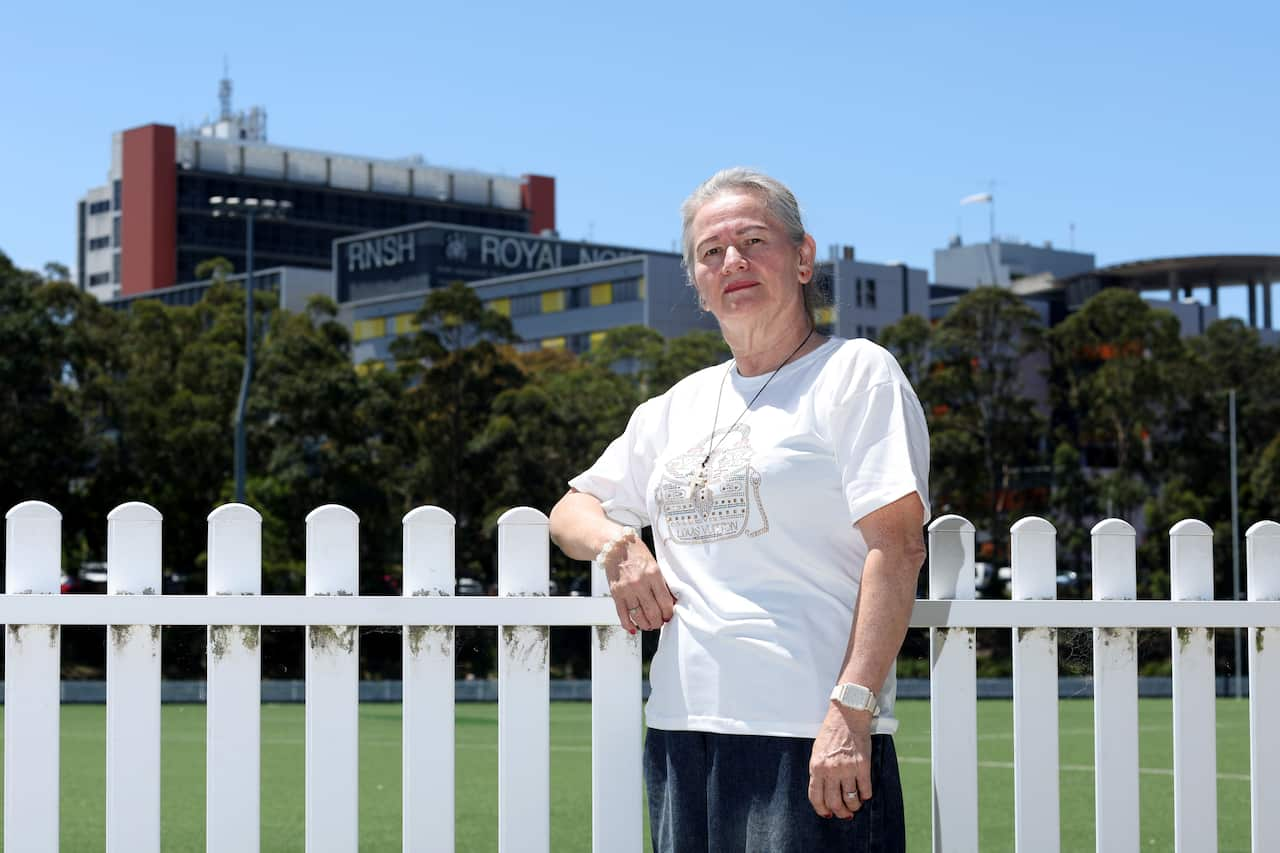
At 63, Virginia Lord should be thinking about retirement plans.
Instead, she is picking up extra shifts as a ward worker in a Sydney hospital just to afford her sharehouse rent and family days out.
The great-grandmother owned a home in the 1990s, but divorce and raising a large family made the mortgage repayments untenable.
She now pays $400 a week in rent for her space in a two-bedroom home, which she shares with a colleague 20 minutes from their St Leonards workplace.
About $1000 hits her bank account each week. Her rent is considered severely unaffordable by national standards.
Your trusted source for staying up-to-date with the world around you. Get free daily news updates and analysis, straight to your inbox.
"Unfortunately, sometimes life is very hard, and you have to give things up," Lord told AAP.
"I'm still dreaming of it (buying another place), even if it is just one square room with a toilet. I'd be happy with that, but people can't even afford that anymore."
Lord is one of a growing number of Australians in rental stress.
Despite a slight improvement in prices since 2025, no areas of Australia are affordable, according to the national Rental Affordability Index released on Tuesday.
Homes across the country now cost at least 23 per cent of the household income.
The outlook is even worse in capital cities - in Sydney, Perth and Hobart, the figures soar past 30 per cent.
Rental prices are considered "acceptable" if they are between 20 and 25 per cent of household income, and "affordable" at anything below that.
Lord said friends sometimes suggested she move from the city's northern suburbs to cheaper areas in the greater west.
But that would mean living far away from an employer which has treated her well for 30 years.
She works hard to put away some savings, which are used to visit her siblings in the Philippines or take her grandchildren and great-granddaughter on days out.
"We are very family oriented, so no matter what is happening in my own life, I have got to be there for them," she said.
Sydney's affordability has improved by one per cent since 2025 as property prices decline, providing a glimpse of hope for those struggling to pay their bills.
All capitals bar Canberra and Adelaide improved in affordability, as did all regional areas.
Lord said she hoped the government would consider renewed policies to bring prices down further, particularly if the economy entered a recession.
The report also called for better affordability in places where people work, adding to an ongoing federal push.
"When working Australians can no longer afford to live in the communities where they are needed, housing stress increases and pressure on government housing assistance grows," it said.
"If Australia is to reduce long-term demand for social housing and homelessness services, it must intervene earlier in the housing continuum by protecting and increasing the supply of genuinely affordable housing."
But that cannot be achieved purely through government means, the report said.
The Business Council of Co-operative and Mutuals, which oversees housing co-ops across the country, has this month received the backing of major mutual banks to be used in the creation of more homes.
It hopes to eventually build up to 17,500 new homes per year, most of which will be rented out below market rate, where people can live long-term in secure housing.
Australia does not have a nationally consistent way to identify and track affordable rentals, which Housing All Australians, one of the report's authors, is calling to have fixed.