In 2017, the last time there was a China-Australia Year of Tourism, more than 1.3 million Chinese tourists visited. ( Reuters: David Gray )
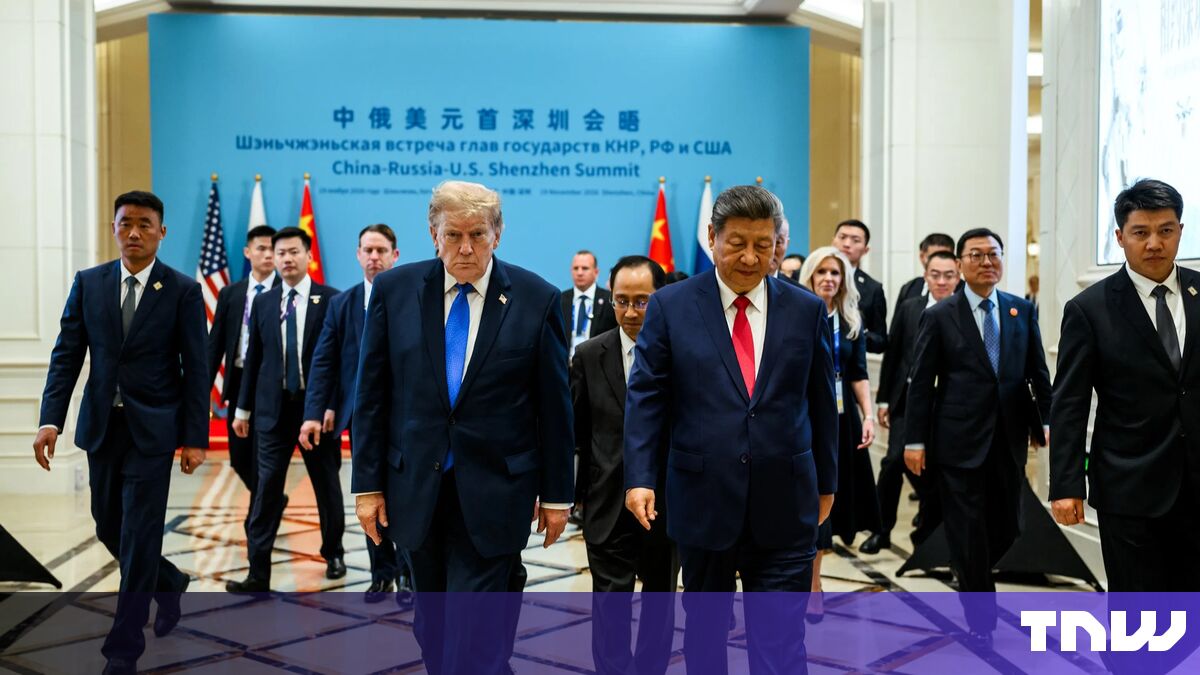
The headline-grabbing China-US-Russia trilateral meeting last week may have overshadowed an announcement many Australians missed: Chinese tour groups will bring more visitors to Australia next year.
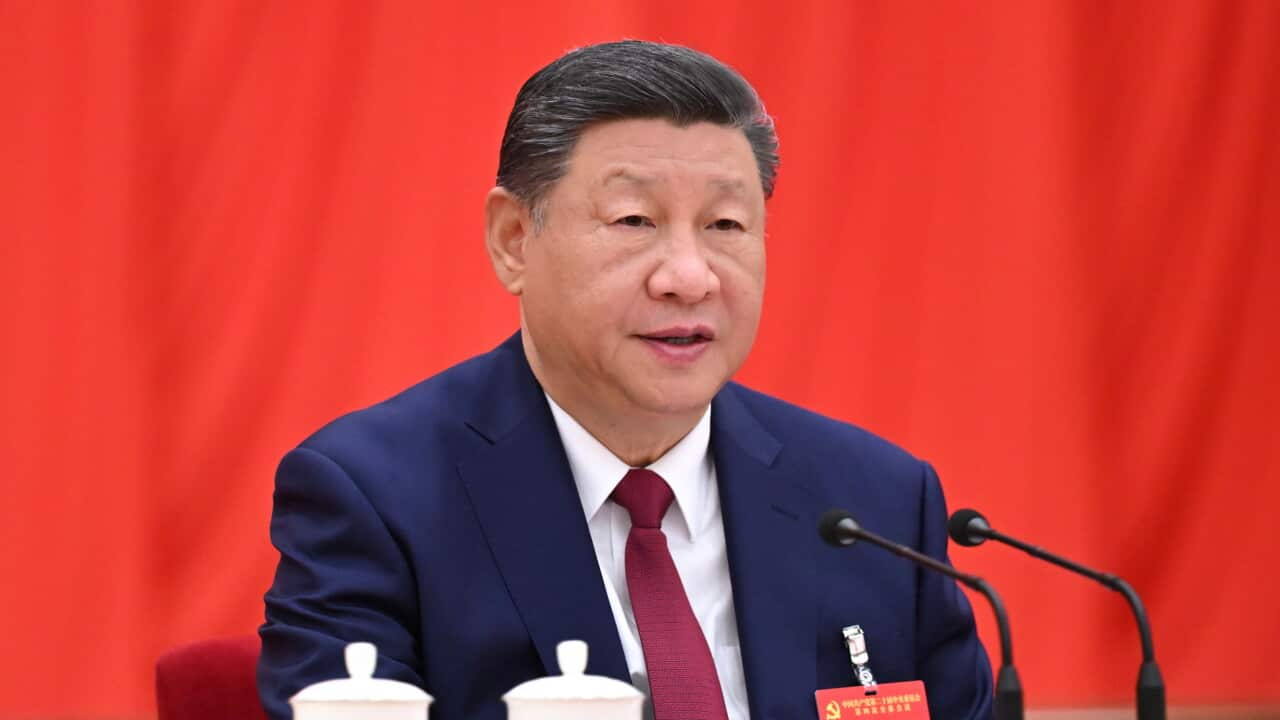
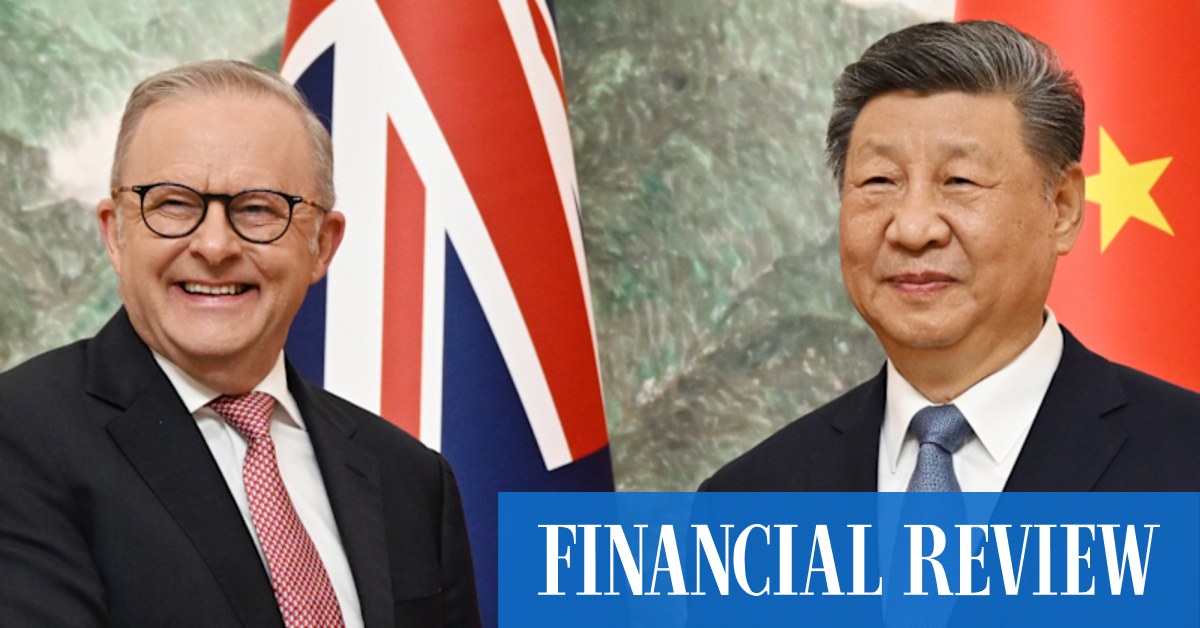
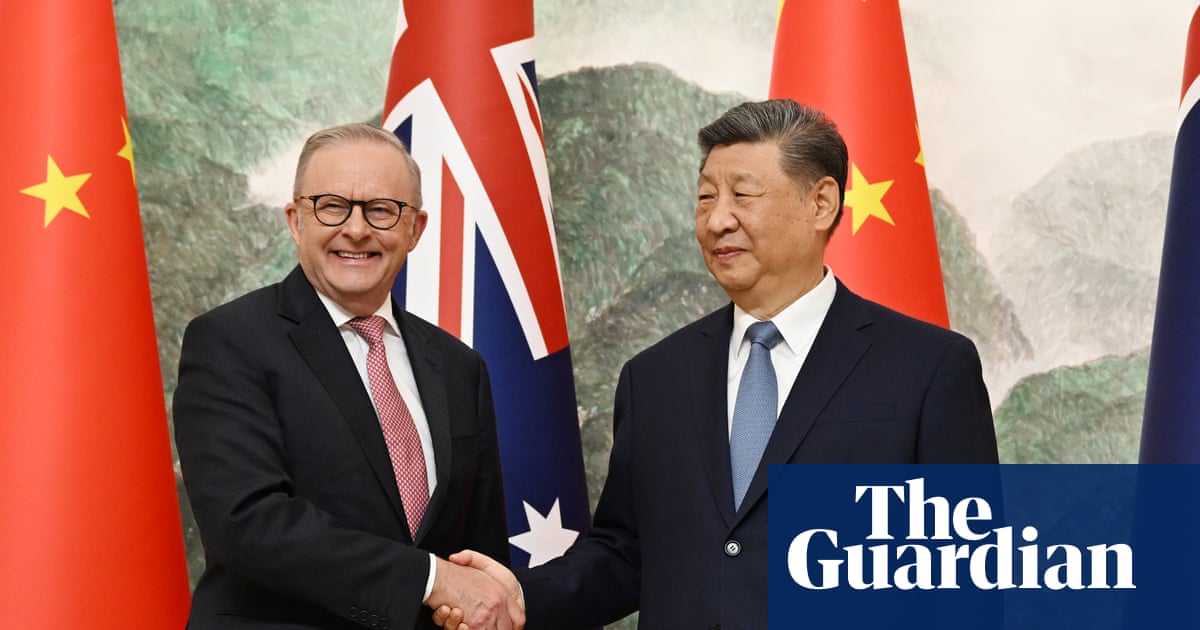
At the APEC leaders' summit, Chinese President Xi Jinping and Australian Prime Minister Anthony Albanese confirmed that 2027 would be the China-Australia Year of Tourism.
For Australia, where retailers are under pressure and long-established department stores are facing debt troubles, it is welcome news.
The last China-Australia Year of Tourism in 2017 saw a record 1.33 million Chinese tourists arrive in the 12 months to September, spending more than $10.3 billion.
While the trilateral talks stole much of the spotlight, diplomacy between APEC's member economies continued.
Albanese was one of the 14 foreign leaders Xi met one-on-one in Shenzhen, and he emerged as one of the quiet winners.
Anthony Albanese met one-on-one with Xi Jinping, an invitation not extended to all world leaders. ( AAP: Lukas Coch )
For Beijing and Canberra, tourism is another way to strengthen people-to-people ties.
The announcement is a green light from China's top leadership to the Chinese market, enabling tangible policy support and resources to promote travel to Australia.
Major Chinese travel platforms and agencies are likely to make Australia a priority destination, developing more tailored products for independent travellers, tour groups and luxury itineraries, which could be especially valuable for regional Australia.
The next wave of Chinese tourism may look different from a decade ago.
China's travel platform Fliggy's recent report on 2025 travel statistics indicated that visitors may be more interested in cultural experiences and sporting events, rather than rushing through several destinations on a tightly packed itinerary.
The Australia economy needs Chinese investment and consumers, but risks being once again too dependent on the Chinese market. ( ABC Midwest and Wheatbelt: Laura Meachim )
In 2025, Chinese visitors ranked first among Australia's tourism markets in total visitor expenditure.
Spending on accommodation, dining and shopping could give a significant boost to Australia's hospitality industries.
China's established influencer economy could also help Australia promote itself more effectively on social media.
Despite Chinese consumers tightening their belts, and Chinese visitor numbers to Australia yet to return to their 2017-19 highs, total spending by the group reached $11.2 billion last year.
The tourism year could also provide an opportunity to press for an extension of China's visa-free policy for Australian citizens, particularly for the Chinese community visiting their family.
Other big winners — as Xi continued to call on establishing multilateralism — are Singapore, South Korea, Indonesia and Vietnam.
China and Singapore agreed to advance negotiations on the fourth version of their free trade agreement, a step towards deepening existing ties.
Xi described the partnership as "all-round, high-quality and future-oriented".
Indonesian President Prabowo Subianto left China with an announcement that Beijing and Jakarta would launch negotiations on a comprehensive economic partnership agreement.
Beijing and Jakarta also announced investment plans worth about $US71.8 billion ($108 billion), including infrastructure, manufacturing and energy projects.
Vietnam, despite its disagreements in the South China Sea, is forming a working group to establish a cross-border economic cooperation zone with China.
South Korea, after years of tensions with Beijing, made progress in talks to expand the existing China-South Korea free-trade agreement, which has been in force since 2015.
APEC's member economies account for one-third of the world's population and more than 60 per cent of global GDP.
Hosting the summit gave Beijing a chance to consolidate its regional influence and present itself as an important player in the Asia-Pacific region.
From this year's summit, it is obvious that Xi has a vision for stronger trade and economic ties across the Asia-Pacific region — except with countries that have pushed back on Beijing's sovereignty claims.
One of those is Japan; Prime Minister Sanae Takaichi did not have a one-on-one meeting with Xi.
It was Takaichi's first visit to China as prime minister, and her first encounter with Chinese President Xi Jinping after her remarks about a possible "Taiwan contingency" triggered enormous tensions between Beijing and Tokyo.
Scandal erupted when, at the airport of the country's futuristic technology hub, Takaichi appeared to struggle as she stepped off her aircraft.
The boarding stairs, prepared by the Chinese hosts, didn't appear to line up with the cabin door, leaving a noticeable gap.
Bracing herself against the doorway, Takaichi stepped onto the stairs with visible caution.
There is no public evidence that Chinese officials deliberately arranged the stairs to embarrass her but, given the careful planning that usually goes into diplomatic protocol, the incident attracted attention and speculation in East Asia.
Takaichi shook hands with Xi and held bilateral talks with Putin. But she left without a diplomatic breakthrough with Beijing, having failed to secure a one-on-one meeting with Xi.
Xi's approach suggests that Beijing is more willing to deepen economic ties with countries that maintain constructive relations with China, but shows how political disagreements can complicate cooperation.
In this geopolitical reality, China's tourist buses surging in Australia could be a double-edged sword.
A struggling Australian economy needs Chinese investment and consumers, but that also risks making Australia's national interest once again dependent on the Chinese market.
In the short-term, Albanese is one of the leaders to leave APEC with tangible results.
In the long-term, however, he will face the challenge of getting that balance right.