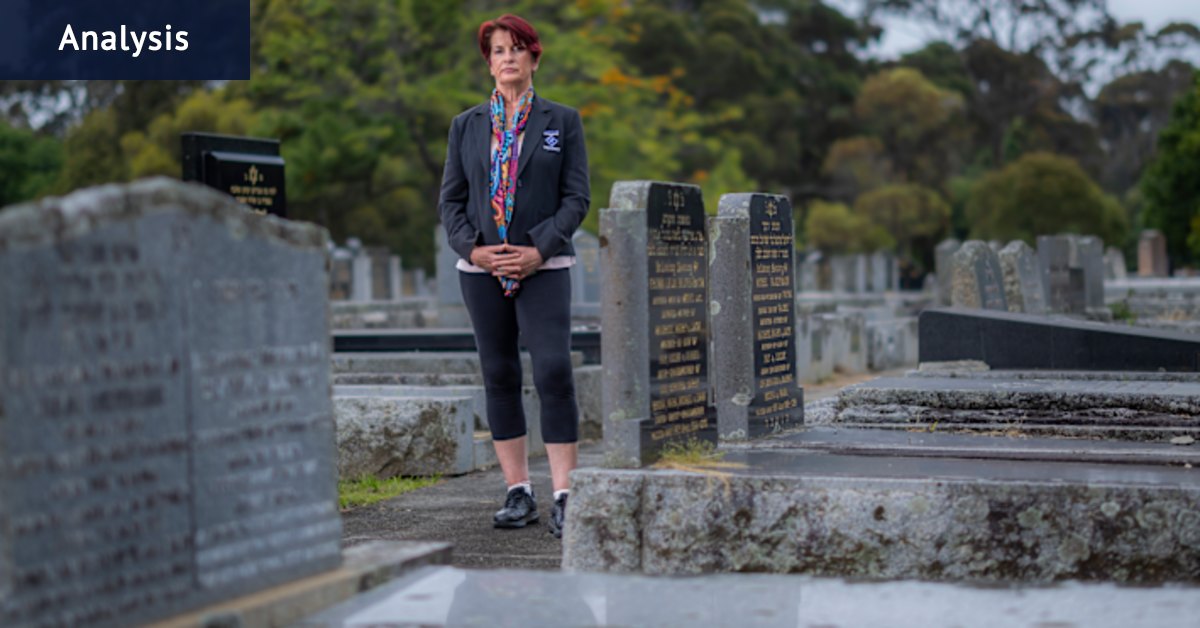
Member of the National Assembly of The Gambia and a Member of Parliamentarians for Global Action. Member of the National Assembly of The Gambia and a Member of Parliamentarians for Global Action.
There are moments in history when a nation is defined not by its size, wealth, military strength or political influence, but by the courage of its conscience.
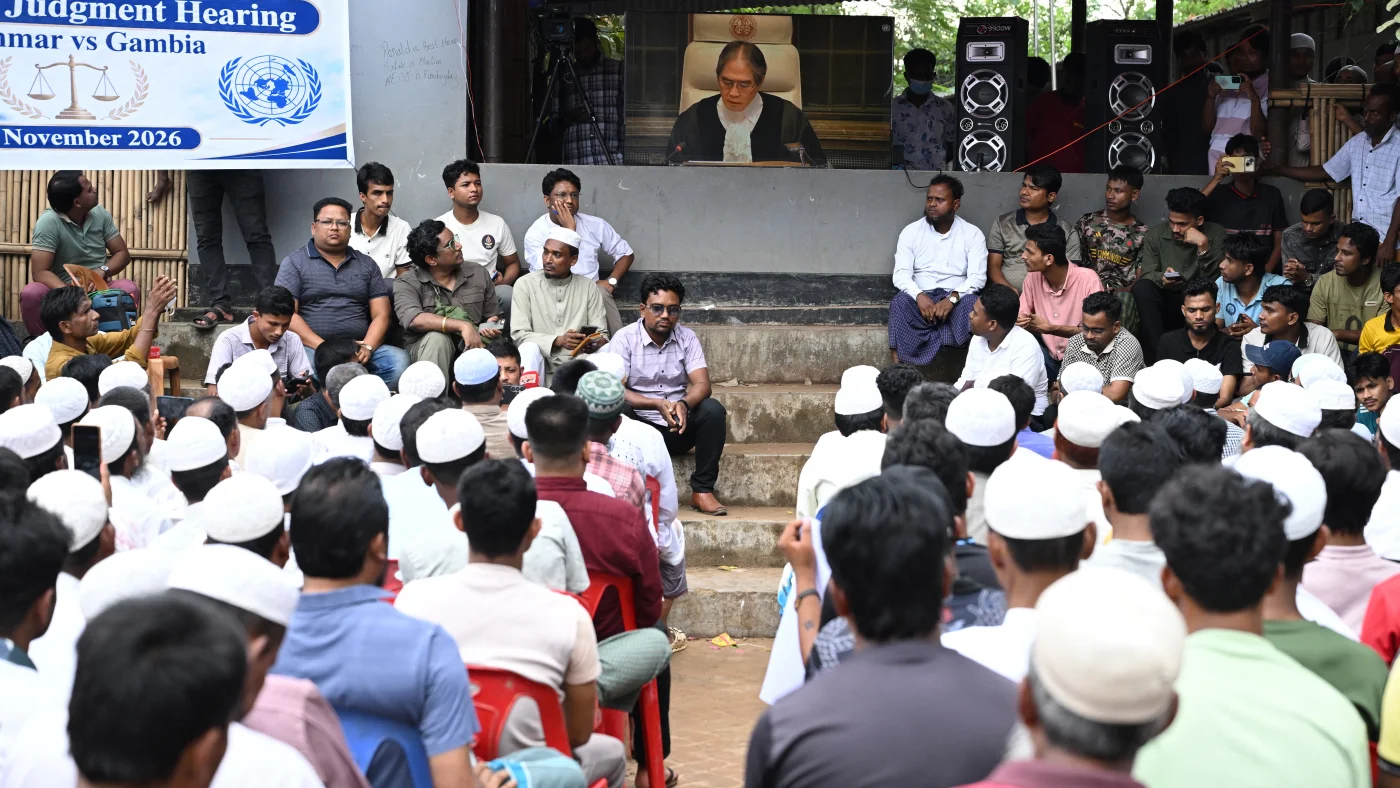
On Thursday, the International Court of Justice found that Myanmar committed genocide against the Rohingya in northern Rakhine State, in breach of its obligations under the Genocide Convention. For the Rohingya, it is a long-overdue recognition. For The Gambia, it concludes a case our country brought to the Court seven years ago.
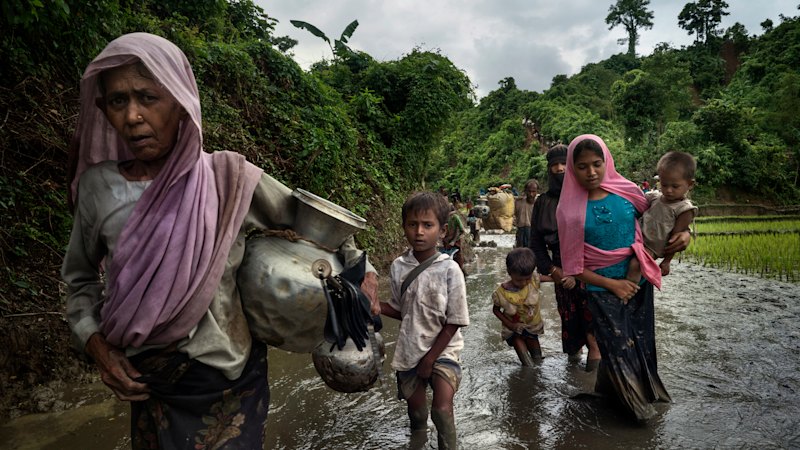
The Rohingya have lived in Myanmar’s Rakhine State for generations. Their basic human rights have been systematically denied over time, leaving them stateless and subject to dehumanising rhetoric, hate speech and legal persecution. Following the Myanmar military’s “clearance operations” in 2016 and 2017, over 700,000 Rohingya fled to Bangladesh. The military killed an estimated 10,000 civilians, raped and sexually assaulted women and girls, and burned villages to the ground. There are currently 1.2 million Rohingya refugees in Bangladesh, the majority in the camps of Cox’s Bazar, and 520,000 remain in Myanmar.
When confronted with reports of unimaginable suffering, persecution, displacement and the destruction of communities, The Gambia chose to act. In 2018, our then Minister of Justice, Abubacarr Tambadou, visited the camps in Bangladesh as part of an Organisation of Islamic Cooperation delegation. As a former prosecutor at the International Criminal Tribunal for Rwanda, he recognised the signs of genocide in the accounts of the survivors.
With the support of the OIC’s 57 member States, The Gambia brought the case to the International Court of Justice in November 2019. It was the first time in the court’s history that a state with no direct connection to the alleged crimes had filed a case under the 1948 Genocide Convention, which obliges all state parties to prevent and punish genocide wherever it may occur.
Yet, The Gambia’s action before the Court was never only about legal obligations or diplomatic considerations. We asked ourselves one fundamental question: if we remain silent in the face of such suffering, what does our silence make us?
As Gambians, we know the value of dignity. We understand what it means to yearn for justice. We know the pain that comes when our rights are denied, and voices are silenced. Our own history of political struggle taught us that freedom, accountability and human rights are lived realities that shape the lives of us all.
Perhaps that is why this case has resonated deeply with many Gambians: it speaks to our common humanity. In January, Rohingya survivors of the violence testified before the court about what they had lived through. We recognise that the fear of being driven from one’s home knows no nationality, and compassion does not stop at national boundaries.
The years since the case was filed have required patience and perseverance. International justice can often move frustratingly slowly. However, the court’s order in January 2020 , the rejection of Myanmar’s objections in 2022 , and the interventions from 11 states (Canada, Denmark, France, Germany, the Netherlands, the UK, the Maldives, Slovenia, the DRC, Belgium, and Ireland) on how the Convention should be interpreted have reaffirmed our shared commitment.
The judgement by the world’s highest court today is a reminder that the obligation to prevent genocide applies to every state, large or small, near or far. This is the first time in the history of the court that a state has been found responsible for committing genocide. The court concluded that the widespread rape and sexual violence committed by Myanmar’s security forces were part of the genocide, and that Myanmar failed to prevent genocide and to punish those responsible.
Myanmar is now under a clear obligation to comply fully with the judgement. It is required to investigate and prosecute those responsible, to facilitate the safe, voluntary and dignified return of displaced Rohingya and to protect them from discrimination and persecution. Justice for the Rohingya will also require the restoration of their citizenship and the recognition of their right to be called Rohingya.
Parliamentarians also have a role to play. As the court made clear today, punishing genocide requires laws that explicitly criminalise it. The court has held Myanmar to that standard, and we must hold ourselves to it, too. We must ensure that genocide, crimes against humanity and war crimes are fully incorporated into our domestic laws, and that our courts can try them wherever they are committed.
In our National Assembly, we will ask our government about the next steps, monitor Myanmar’s compliance, and ensure that The Gambia continues to press for that compliance at the United Nations and within the OIC. Other states must now step in by ensuring that Myanmar complies, supporting Rohingya refugees and ensuring they will not be sent back into danger.
As Gambians, we have chosen empathy over indifference, principle over convenience, and action over silence. The Rohingya have shown extraordinary courage and determination in their search for justice, and today international law has finally answered them. Our collective responsibility now is to call for compliance and prevent any future acts of genocide.
The views expressed in this article are the author’s own and do not necessarily reflect Al Jazeera’s editorial stance.