Dhaka, Bangladesh — Umme Ruman was watching the news on her mobile phone from her shelter in Camp 1E of the Rohingya refugee camps in Cox’s Bazar, Bangladesh. She had been waiting for the International Court of Justice (ICJ) verdict since the afternoon. But poor internet connectivity kept interrupting the live broadcast.
Then she opened Facebook and saw a headline: “ICJ confirms Myanmar committed genocide.”
Overwhelmed, she jumped. Her sister-in-law was cooking. Ruman rushed to hug her. Before she could explain what had happened, she broke down in tears.
“I celebrated with tears of joy because, for the first time, the world acknowledged what happened to us,” she said.
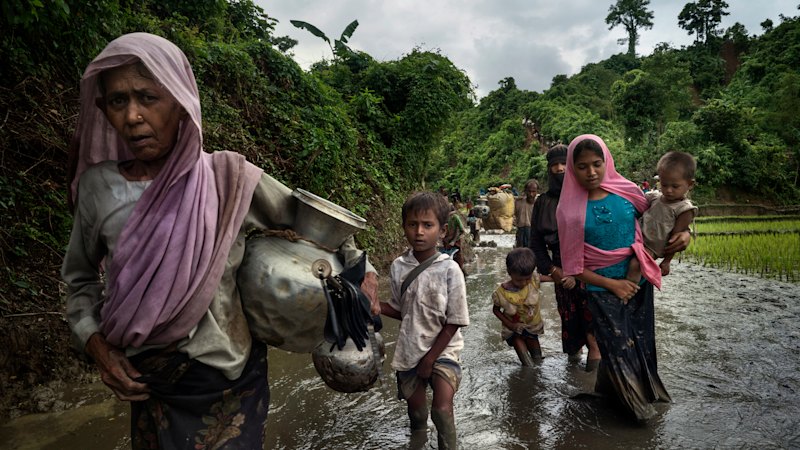
On Thursday, the ICJ found Myanmar responsible for genocide against the Rohingya during brutal military operations in 2017, in which the court found more than 10,000 people had been killed.
The landmark judgement in the case, brought before the court by The Gambia, recognised the atrocities committed against the community after years of denial. For refugees who have spent nearly a decade waiting for justice, the ruling brought a wave of relief, emotion and renewed hope.
“For me, this is not simply a legal verdict. It is proof of our suffering,” Ruman said.
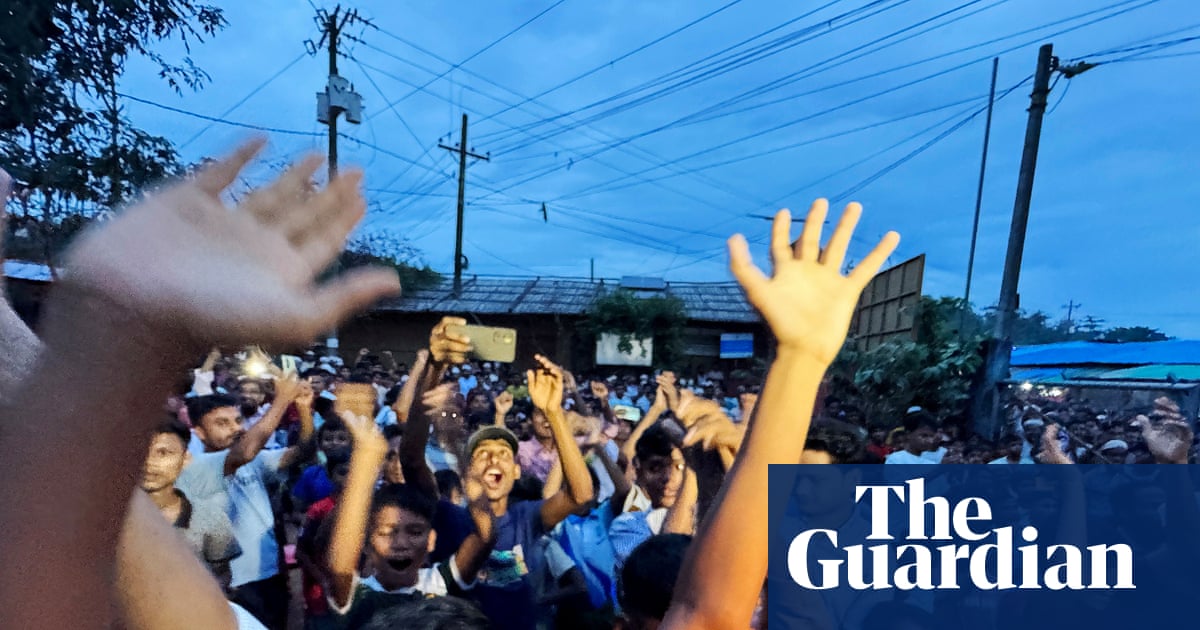
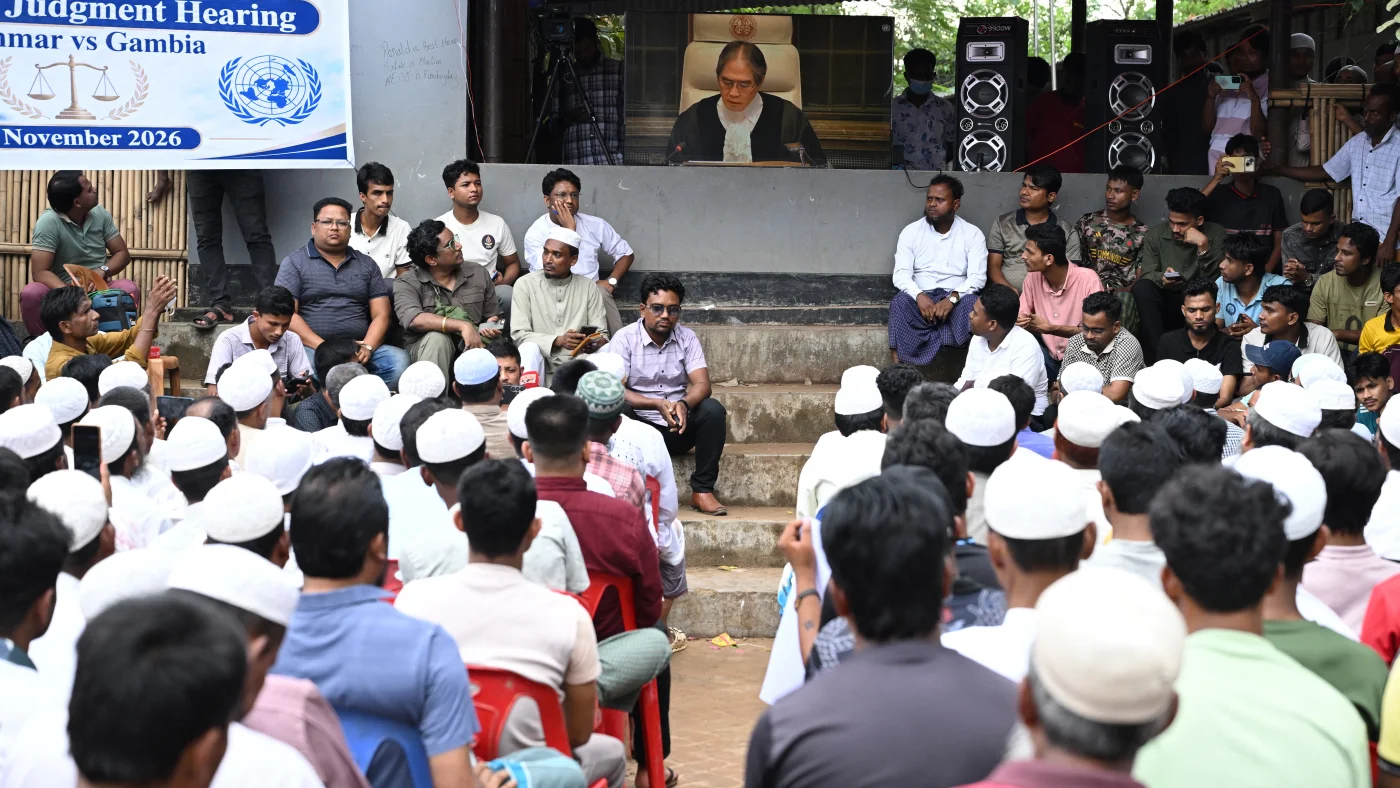
Across the camps, people followed the announcement on mobile phones, laptops and large screens. Some watched with friends. Others gathered with their families. Many turned to Facebook and YouTube to follow the proceedings.
Eighteen-year-old Mohammad Rehan watched with his community teacher and friends on a laptop. “Some women were crying, while others were praying to Allah,” he said. “I did not do anything special. I just sat there and listened, hoping to hear some good news that would give us a peaceful life in the future.”
For Rehan, the first thought was that the verdict could potentially open the door for the Rohingya to return home. “Just imagining that made me so happy,” he said.
The news soon spread through the blocks. Rehan said people were celebrating, while elderly refugees discussed the case and The Gambia’s role in bringing it before the court. The small West African nation was not directly affected by the violence against the Rohingya. Still, it acted as a party to the 1948 Genocide Convention, under which all member states have an obligation to prevent and address genocide. In 2022, the court ruled that The Gambia had standing to bring the case.
Rehan’s mother was also delighted when he told her about the ruling. “She was saying that we had won and that we would be able to return to our homeland,” he said.
The celebrations came against a backdrop of difficult living conditions. Rain fell over the camps on Thursday as Cyclone Akvan bore down on the Bay of Bengal, adding to the discomfort of families living in cramped shelters.
It was a reminder that while the verdict had brought recognition to their suffering, it had not changed the daily realities of refugee life. Nurul Amin, a Rohingya youth, said he was happy when the court recognised the genocide, but the announcement also brought back painful memories.
“I was happy, but I was also remembering what happened to us in 2017. I was remembering the horrific military operation, the violence I experienced and the home I had to leave behind,” he said.
Rohingya activist Rohimullah said the announcement was difficult to put into words. It reminded him of those the community had lost and the darkest days of their displacement. He described the judgement as a moment of relief and renewed hope, but said it could not bring back loved ones or erase painful memories.
Nasir Uddin, a professor of anthropology at the University of Chittagong who researches the Rohingya crisis, said the ICJ ruling was important to ensure justice and accountability from the victims’ perspective.
“In the 21st century, we talk about liberal democracy, globalisation and global justice. Yet such a massive genocide happened before our eyes. The judgement was essential to establish the concept of global justice,” he said.
Michael Kugelman, a resident senior fellow for South Asia at the Atlantic Council, said the ruling meant that Dhaka would need stronger assurances from Myanmar about the safe return of Rohingya refugees under any repatriation arrangement.
“I think that this will also have some impact on the dynamics around negotiations between Bangladesh and Myanmar on the return of Rohingya refugees, now that an international court has said that they experienced genocide,” Kugelman told Al Jazeera.
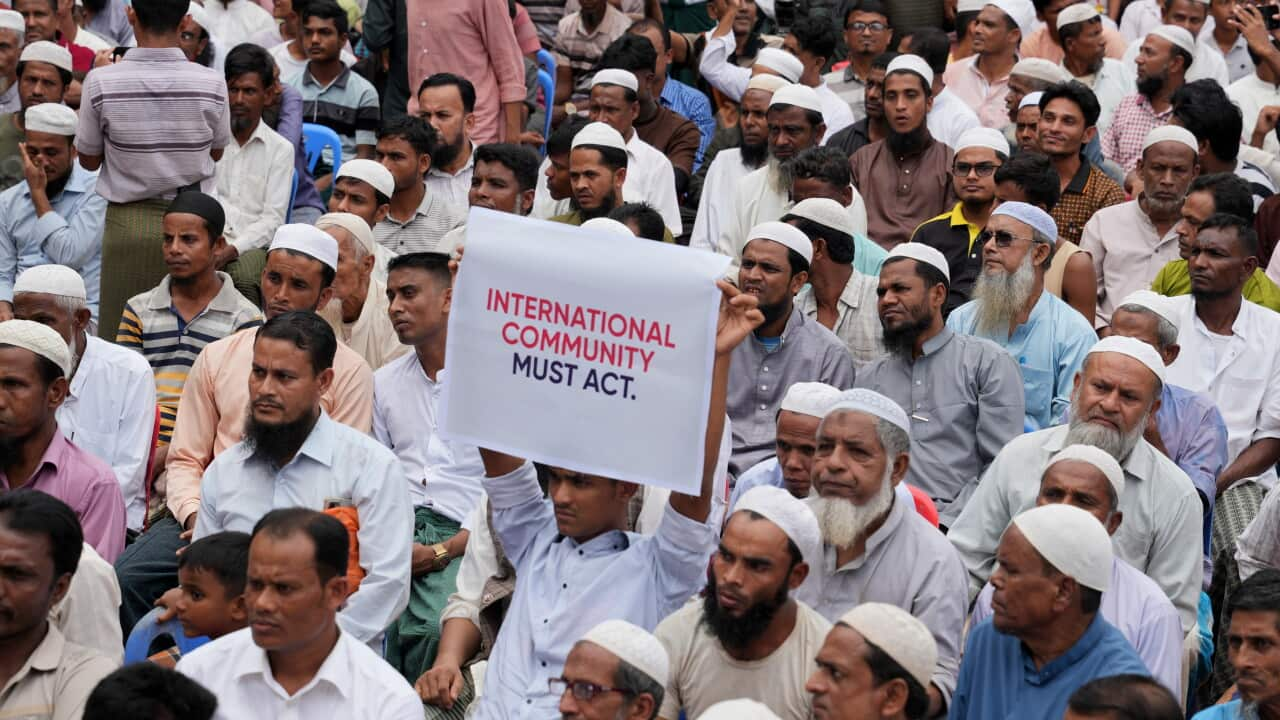
For the Rohingya, however, the hope of going home remains central. They want accountability for those responsible for the atrocities, the restoration of their rights and citizenship, and a safe and dignified return to Myanmar.
Nurul Amin said he hoped the international community would look beyond the humanitarian crisis and address the political causes of their displacement. He said he wanted freedom in Myanmar, democracy and an end to discrimination and military dictatorship.
“We are hoping this judgement will lead to something more – that we will finally be able to return home with our rights and dignity,” he said.
Maung Solaiman Shah contributed to this story.