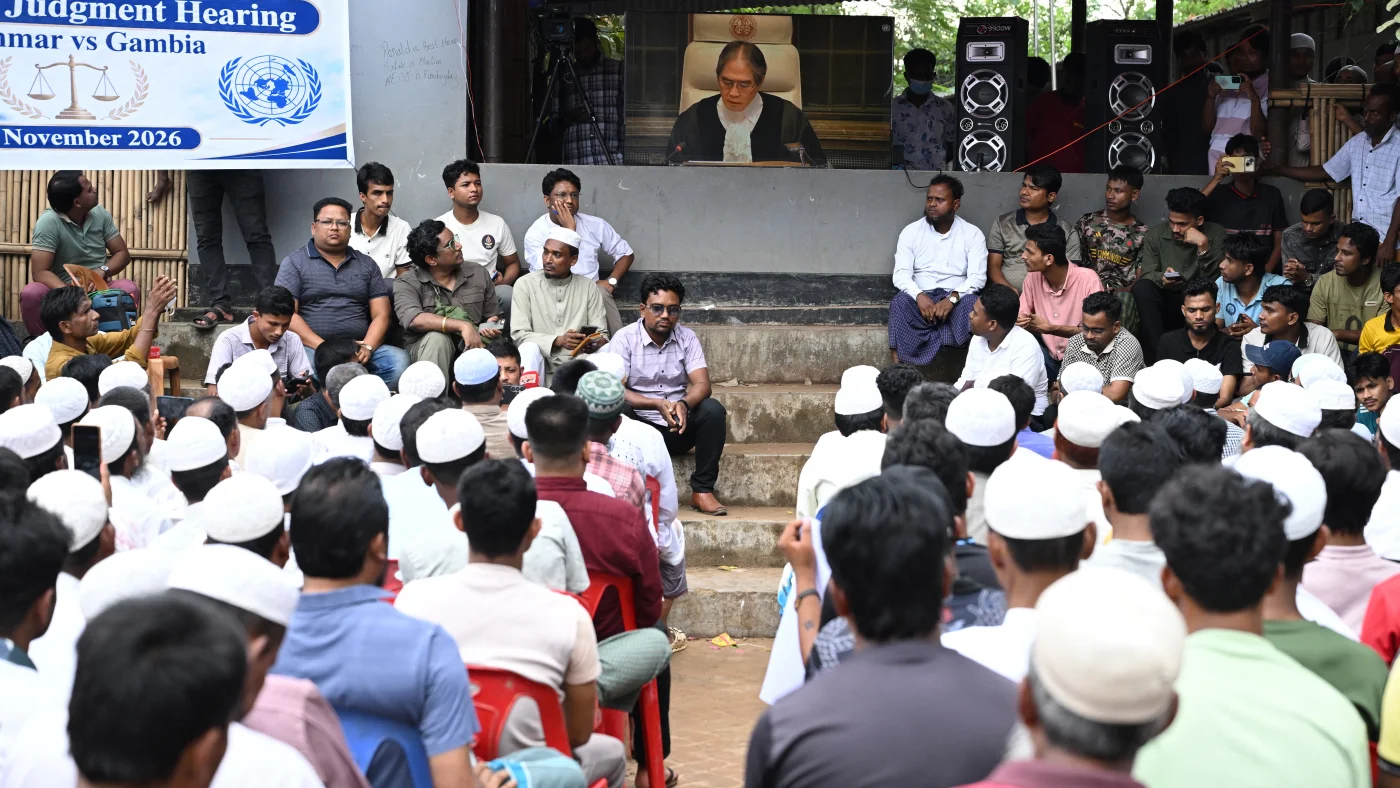
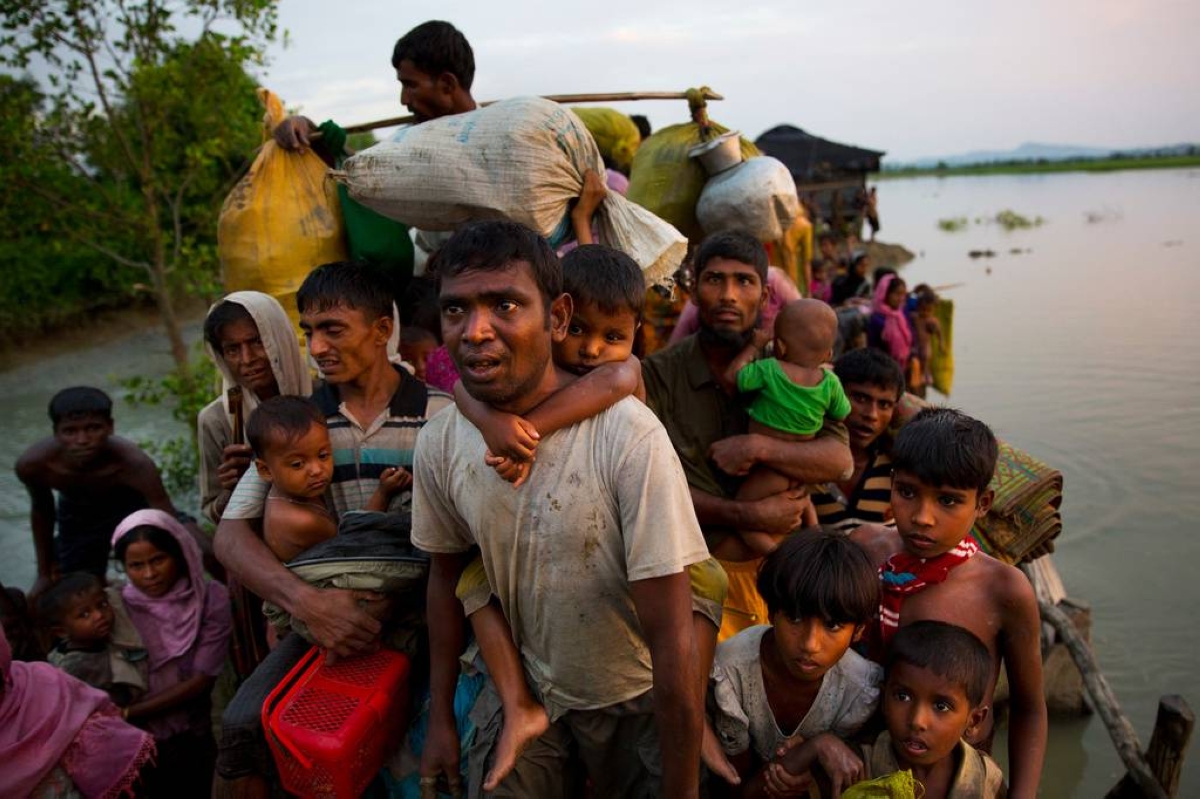
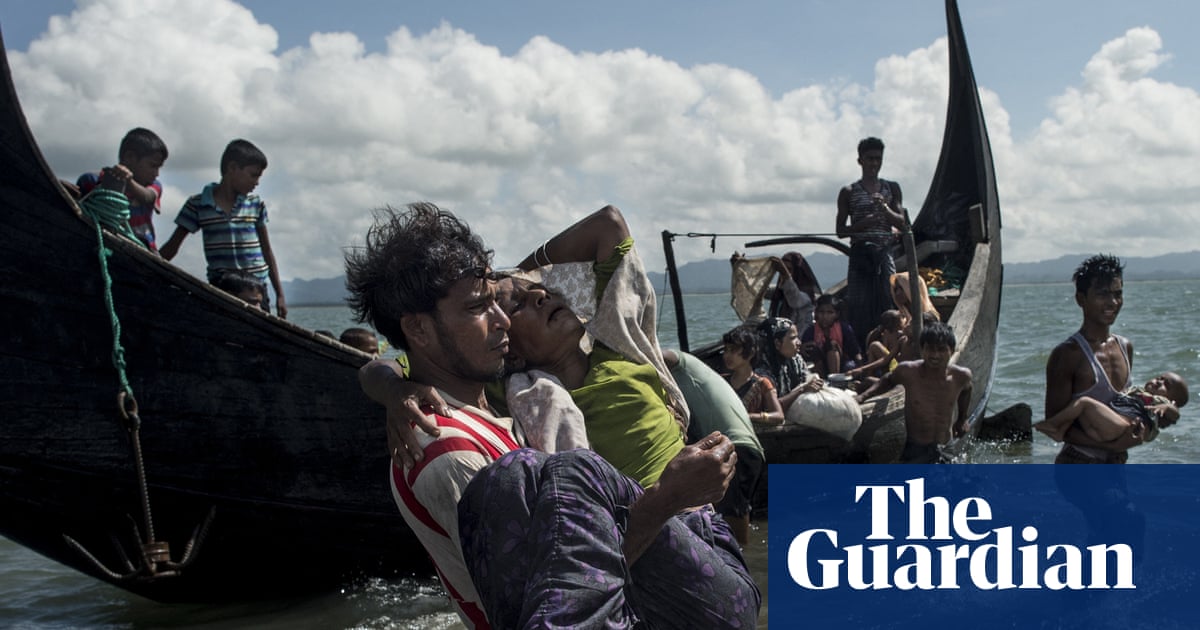
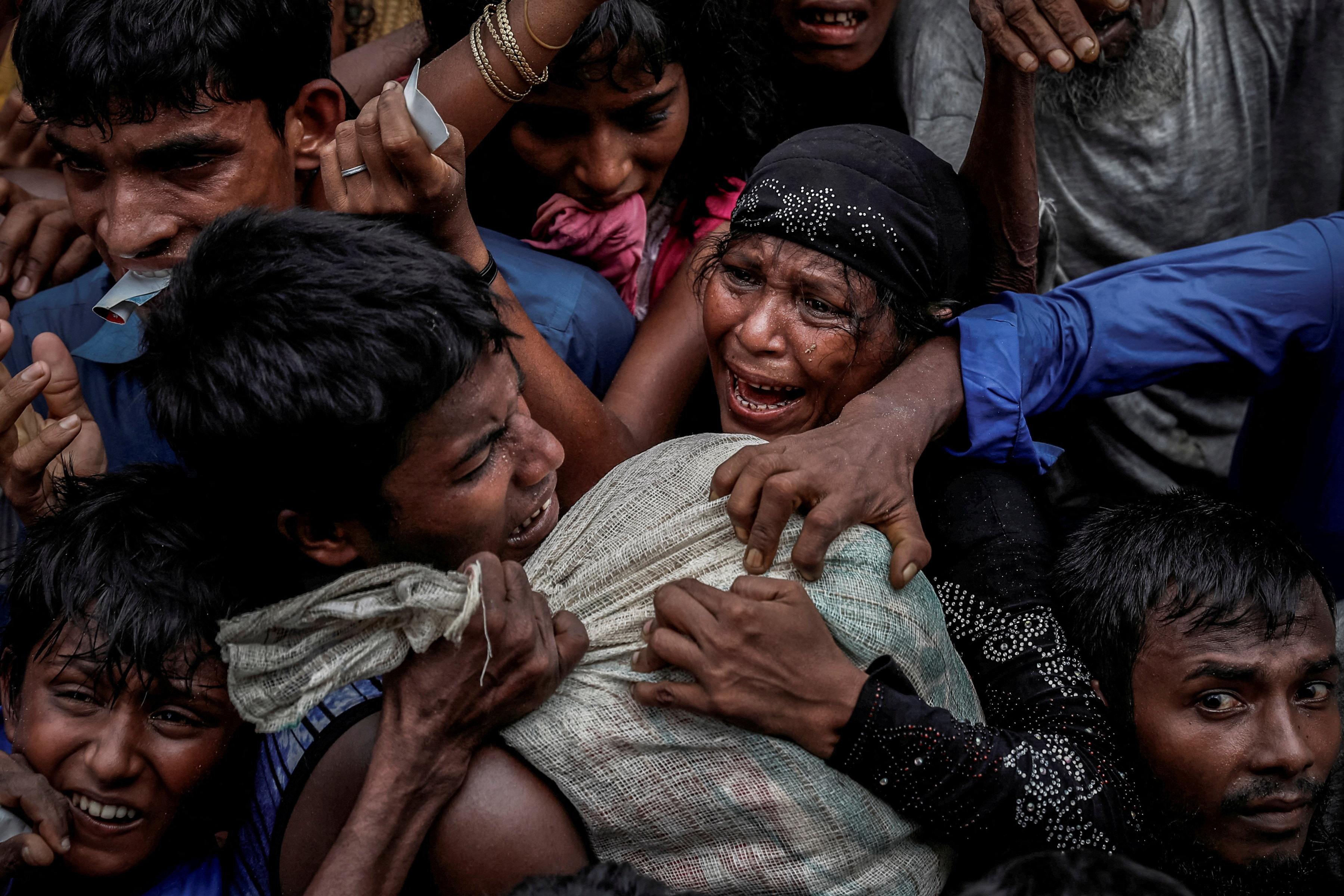
Myanmar committed genocide against the country’s long-persecuted Rohingya minority, the United Nations’ top court found Thursday, an unprecedented ruling that survivors of the atrocities have waited almost a decade to hear.
The historic judgement marks the first time the International Court of Justice (ICJ), also known as the World Court, has held a state accountable for genocide in its 80-year history — and the ruling will have repercussions far beyond Myanmar.
The court’s decision – by nine votes to six – also comes at a time when the broader idea of international justice has come under fire from the Trump administration.
For the Rohingya, the ICJ’s judgment is a “turning point.”
“It is the difference between being told our history was a tragedy, and being told our history was a crime that must be answered for,” said Murshid Alam, who was just 12 years old when he was driven from his home in Myanmar’s Rakhine state.
The court found that the scale and nature of Myanmar’s atrocities “went well beyond what would be required to punish the population and are instead characteristic of an intent to destroy a substantial part of the group,” presiding judge Iwasawa Yuji said during a nearly three-hour reading.
“The court is of the view that the only reasonable inference that can explain Myanmar’s actions is an intention to destroy a substantial part of the protected group, namely the Rohingya population in northern Rakhine state.”
In its judgement, the court gave particular weight to the “widespread acts of sexual violence, and extreme acts of violence against children” as well as security forces’ attacks on “Rohingya as they sought to flee in large numbers to Bangladesh.”
It rejected Myanmar’s defense that the military’s actions were legitimate counter-terrorism operations against a Rohinagya insurgent group, saying the Myanmar military did not distinguish between militants and civilians.
This is a developing story and will be updated.