Building solutions company FTI Group explains how its approach to logistics helps construction teams receive materials when and where they need them.
By Harvey Arkcoll, national sales manager at FTI Group.
Any supplier can organise a delivery, but does that delivery make sense on your project?
Delivering products to site is only a small part of the equation. A good logistics service makes sure that delivery fits the construction program, and that planning starts well before the truck is loaded.
With more than 30 years’ experience delivering structural elements to construction sites across Australia, FTI Group understands the importance of flexibility in deliveries, particularly when the products being delivered could hold up the program. That’s why we have a dedicated logistics team.
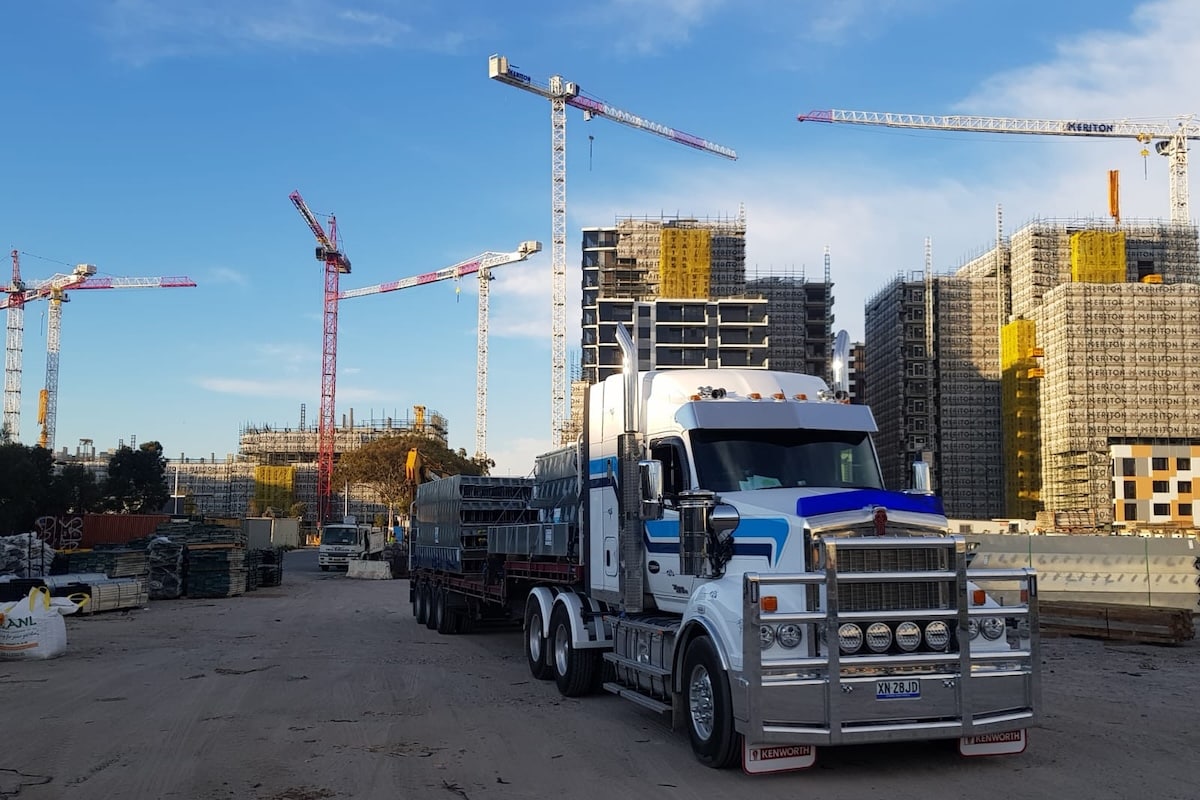
Having our own fleet of trucks, drivers and logistics allocators gives us control over our delivery lead times without relying on third-party transport services. Freight costs are included in the product price, eliminating additional delivery charges. Site deliveries should be flexible and able to be rescheduled to suit what’s actually happening on site.
Planning a good delivery starts before an order is even booked into production. Our production team contacts the site team to double-check everything is on track and nothing has changed with the construction program.
If everything is on track, the order is scheduled into production and a delivery date is pencilled in. If something has changed and the site isn’t ready to receive the order, the delivery can be rescheduled to better suit the construction program.
A couple of days before the scheduled delivery, our logistics allocators contact the site team to confirm everything is still on track and lock in the delivery date.
Throughout production, our team maintains regular communication with the site team to ensure orders are ready for delivery when needed.
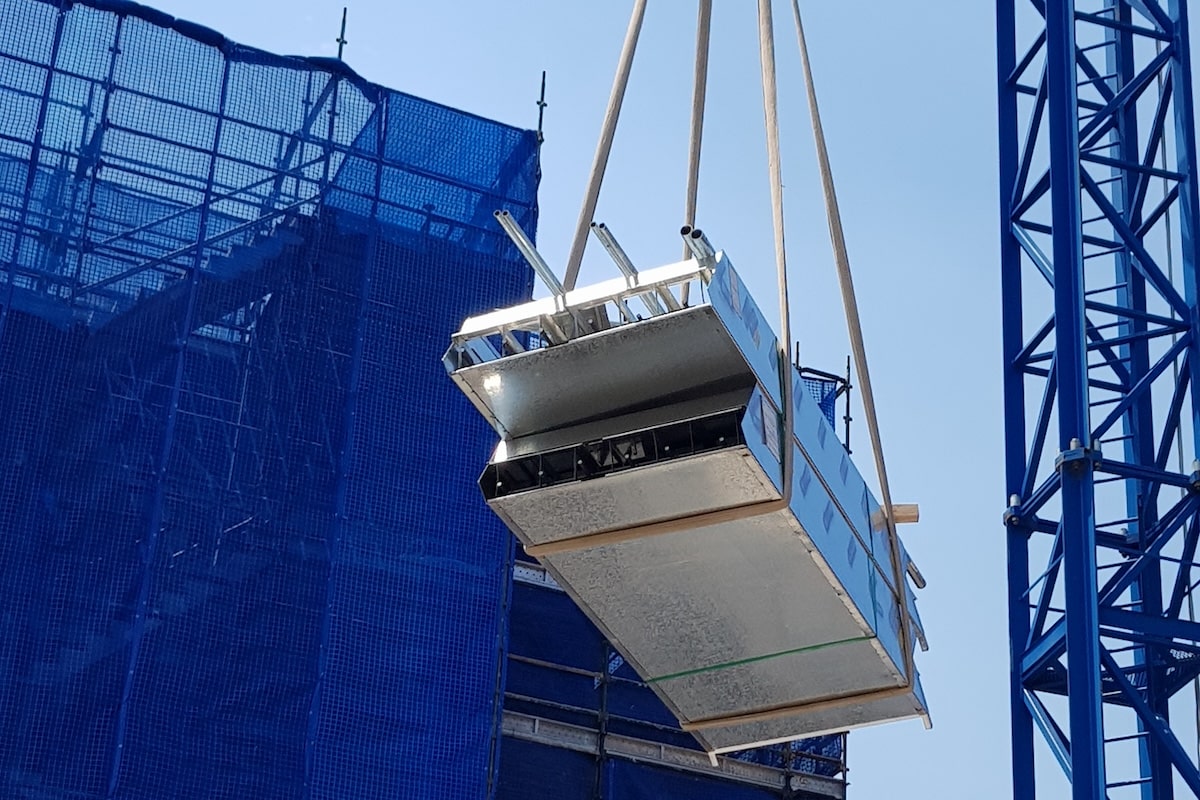
We also think about unloading before we even load the truck. We pack orders in the sequence nominated by the site team, whether that’s by levels, areas, zones or stages. Those packs are then loaded onto the truck in the order in which they’ll be unloaded on site. If level 6 needs to be unloaded before level 4, the truck is loaded accordingly.
All this planning means less sorting on site, less material handling to move products to the correct areas, less time spent searching for items to install and less unnecessary storage in working areas.
Construction programs move, trades run early or late, crane access changes, pour dates change, storage disappears and site access changes. Good logistics isn’t about pretending these changes don’t happen. It’s about having enough communication and flexibility built into the processes to deal with them.
For more information, contact FTI Group on 1300 751 701 or visit ftigroup.com.au