New housing should be concentrated on the city’s fringes and close to the CBD rather than in the established suburbs in between, according to voters who prefer the Liberal plan to fast-track development over Labor’s activity centre program.
The Age’s Resolve Political Monitor survey reveals 47 per cent of voters think the Coalition’s proposal to fast-track greenfield housing developments in outer suburbs and expand the capital city zone to more inner suburbs is the best way to deal with Melbourne’s housing pressures.
Only one in four prefer the Labor government’s policy encouraging high-density apartment building in 60 neighbourhoods near public transport hubs. Of those surveyed in the first week of November, a further 28 per cent were unsure or had no preference.
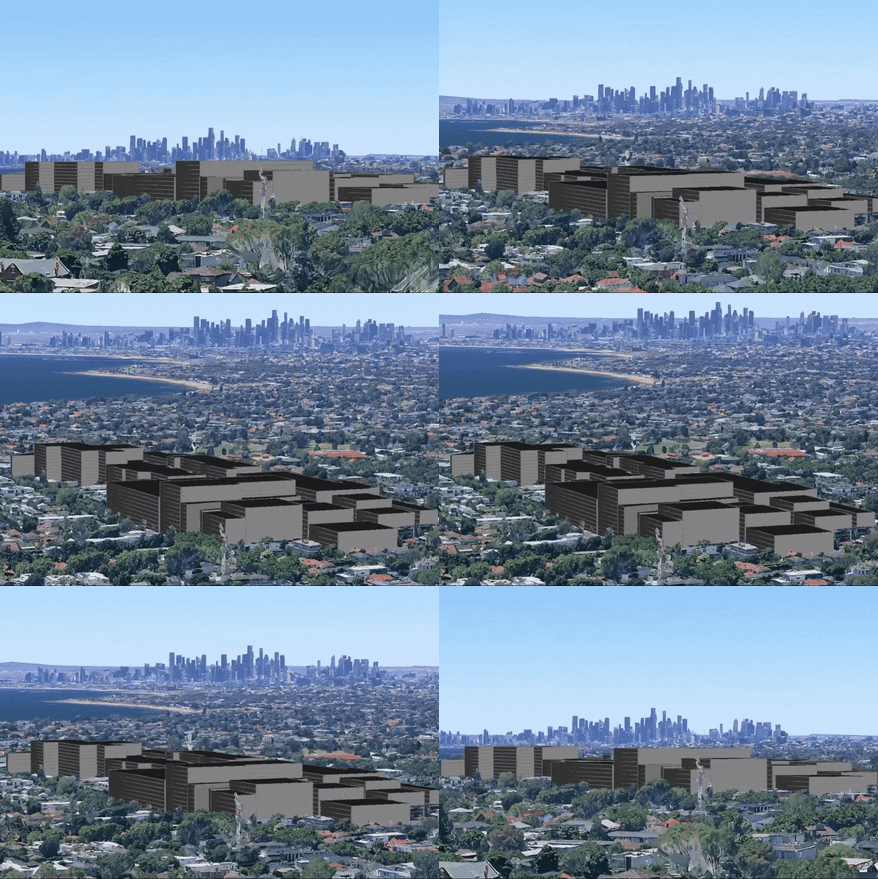
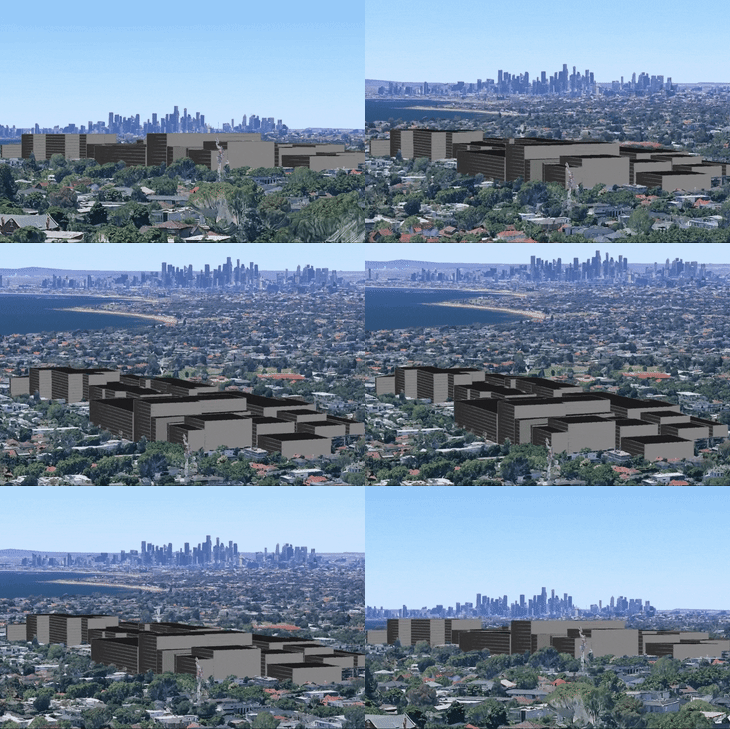
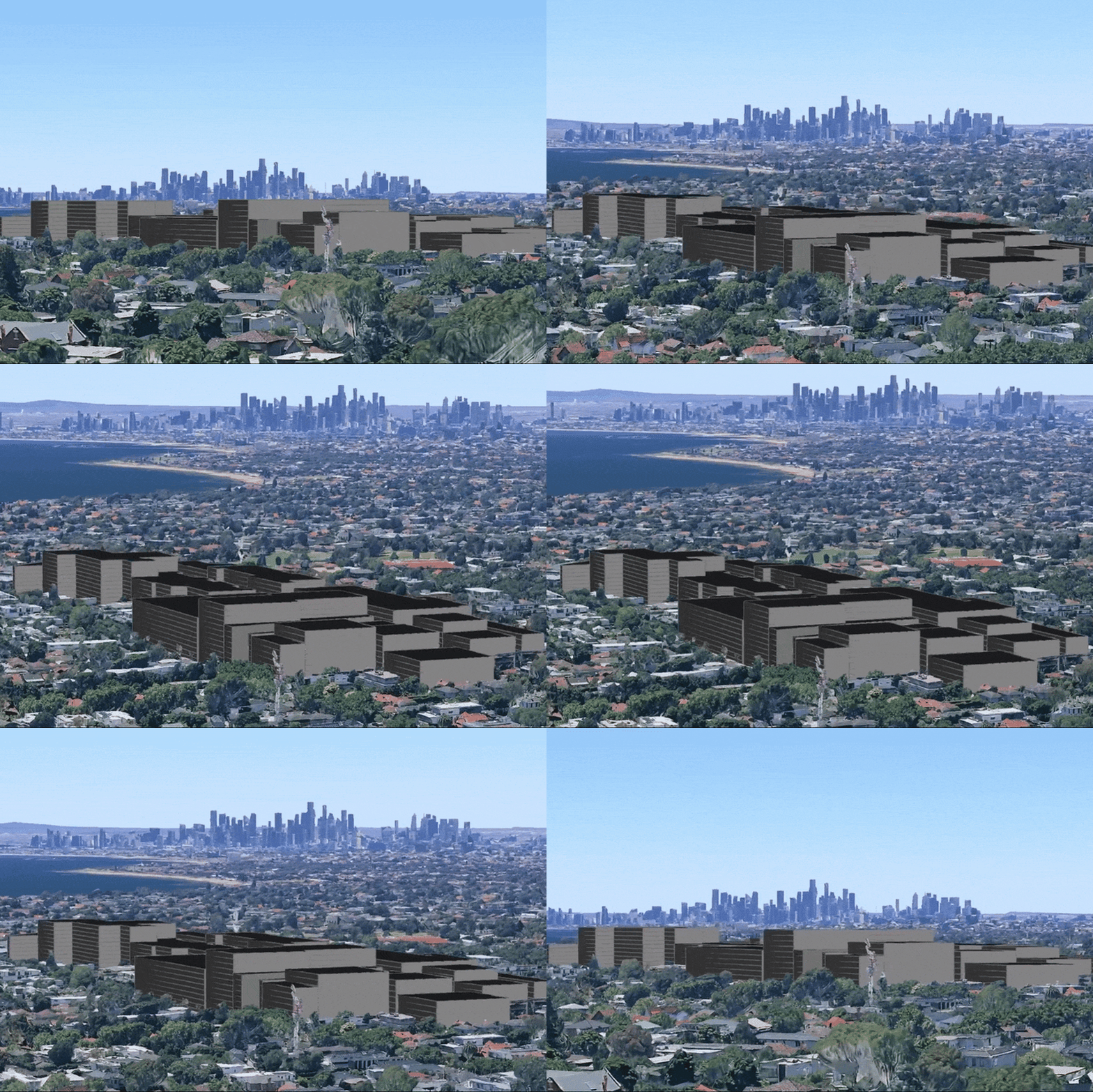
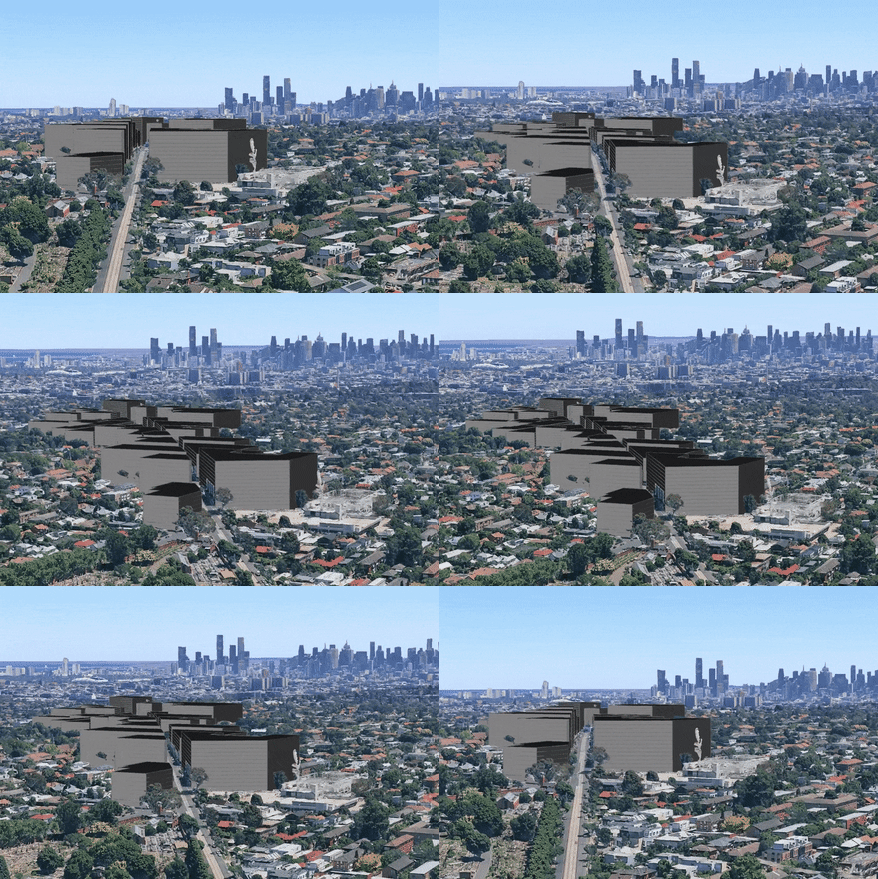
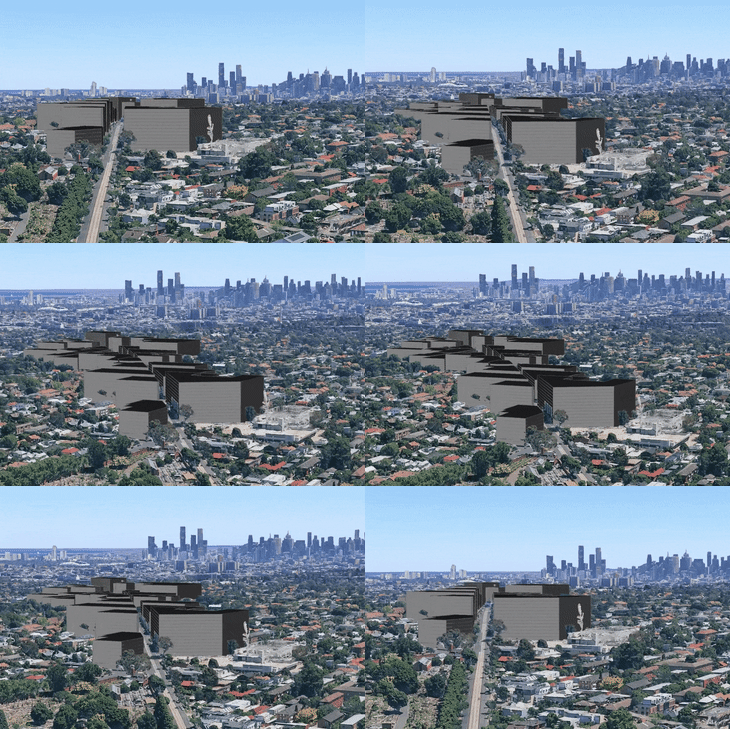
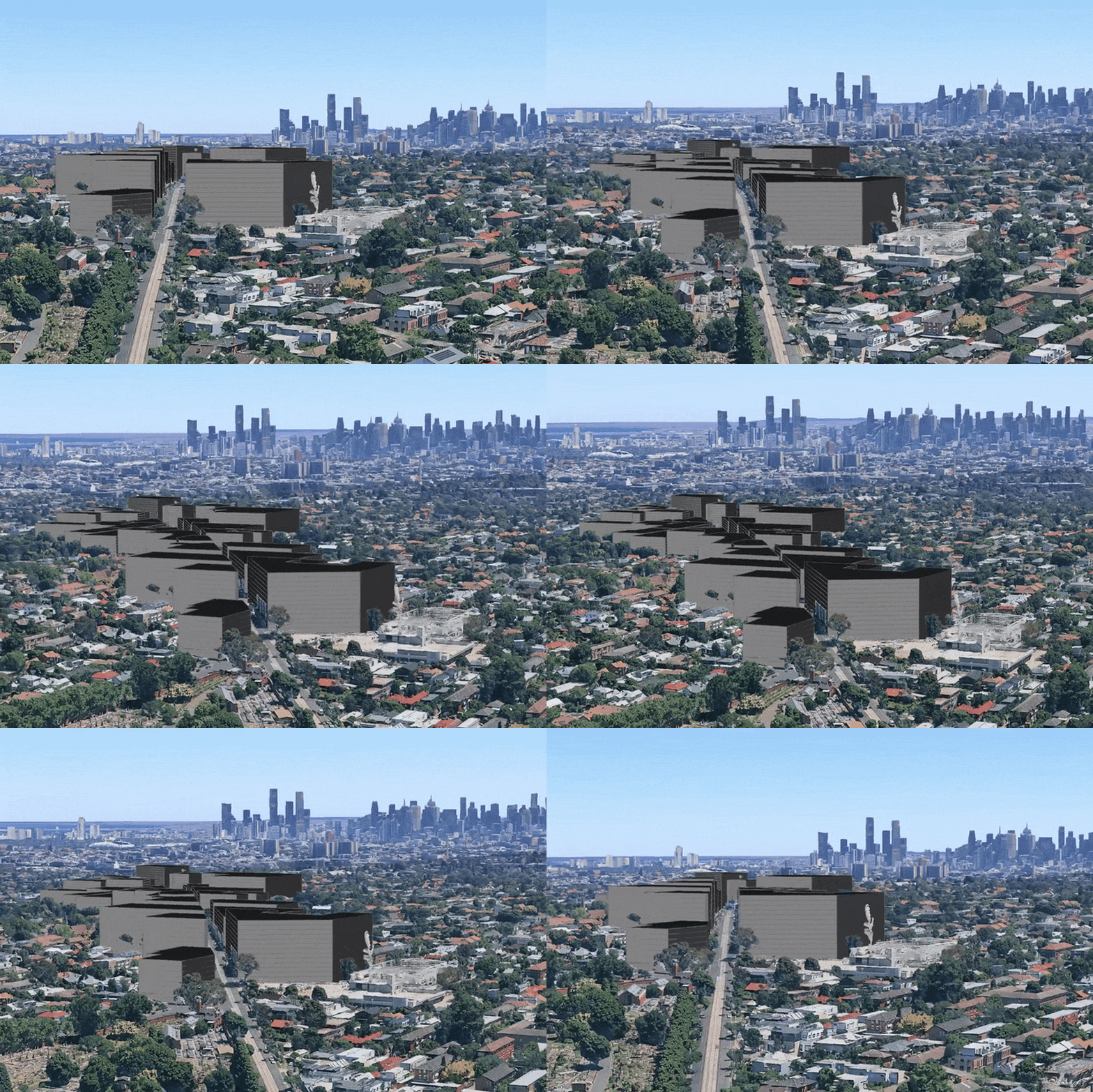
This week, The Age’s visual stories team developed 3D visualisations showing how key suburbs could rise under Labor’s policy intended to create space for 300,000 new homes by 2051 when Victoria’s population reaches 10.3 million.
Labor has also promised to build more than 25,000 homes for first-time buyers if re-elected, including reserving most of the Arden precinct in North Melbourne for those yet to enter the housing market.
By contrast, the Coalition has promised to scrap the activity centre program and return planning controls to councils and communities, while accelerating planning deadlines for 27 areas earmarked for housing in outer Melbourne from a decade down to two years.
Should it win this month’s election, the Coalition would also extend the capital city zone to Fishermans Bend, Parkville, Collingwood, North Melbourne and Fitzroy – several areas Labor also identified for greater development – but it is yet to finalise the exact boundaries of the expanded CBD, with decisions to be made in government.
This would allow higher-density housing to be spread more widely across those suburbs.
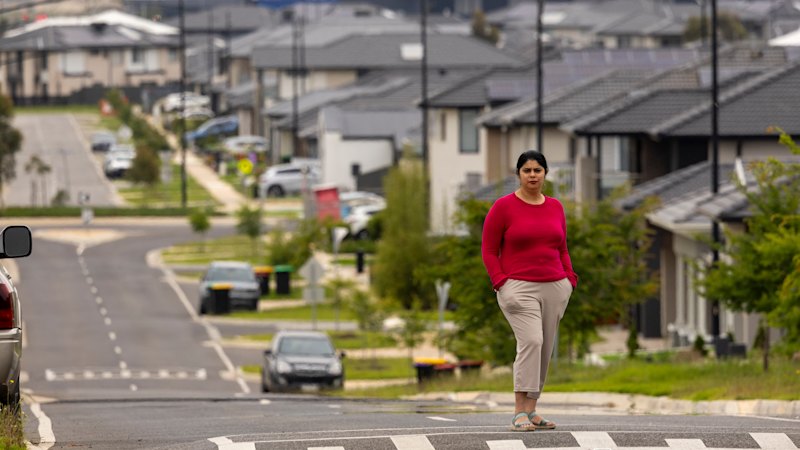
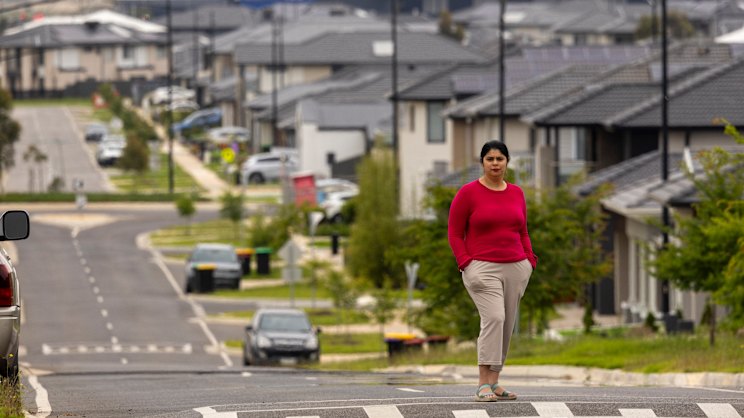
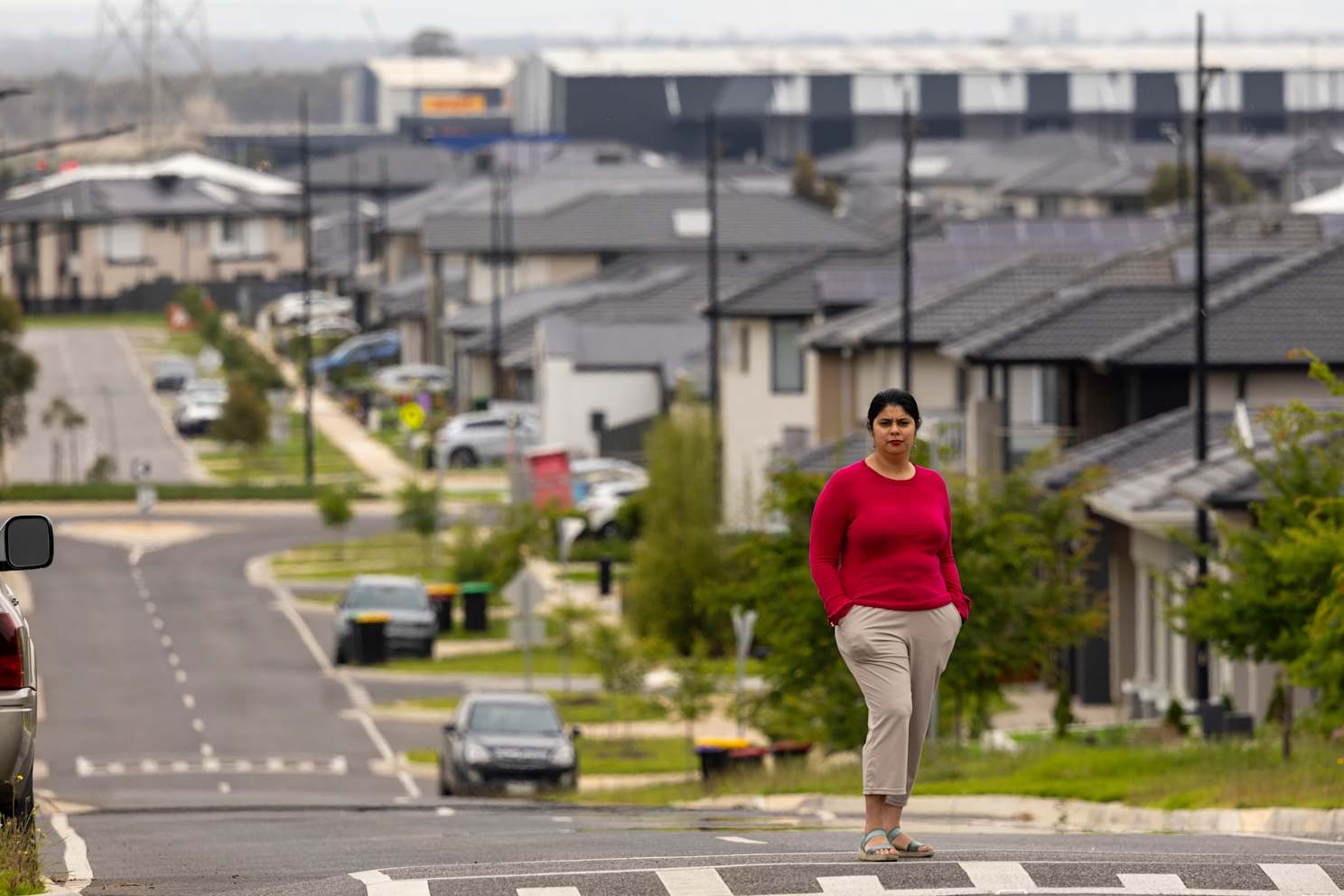
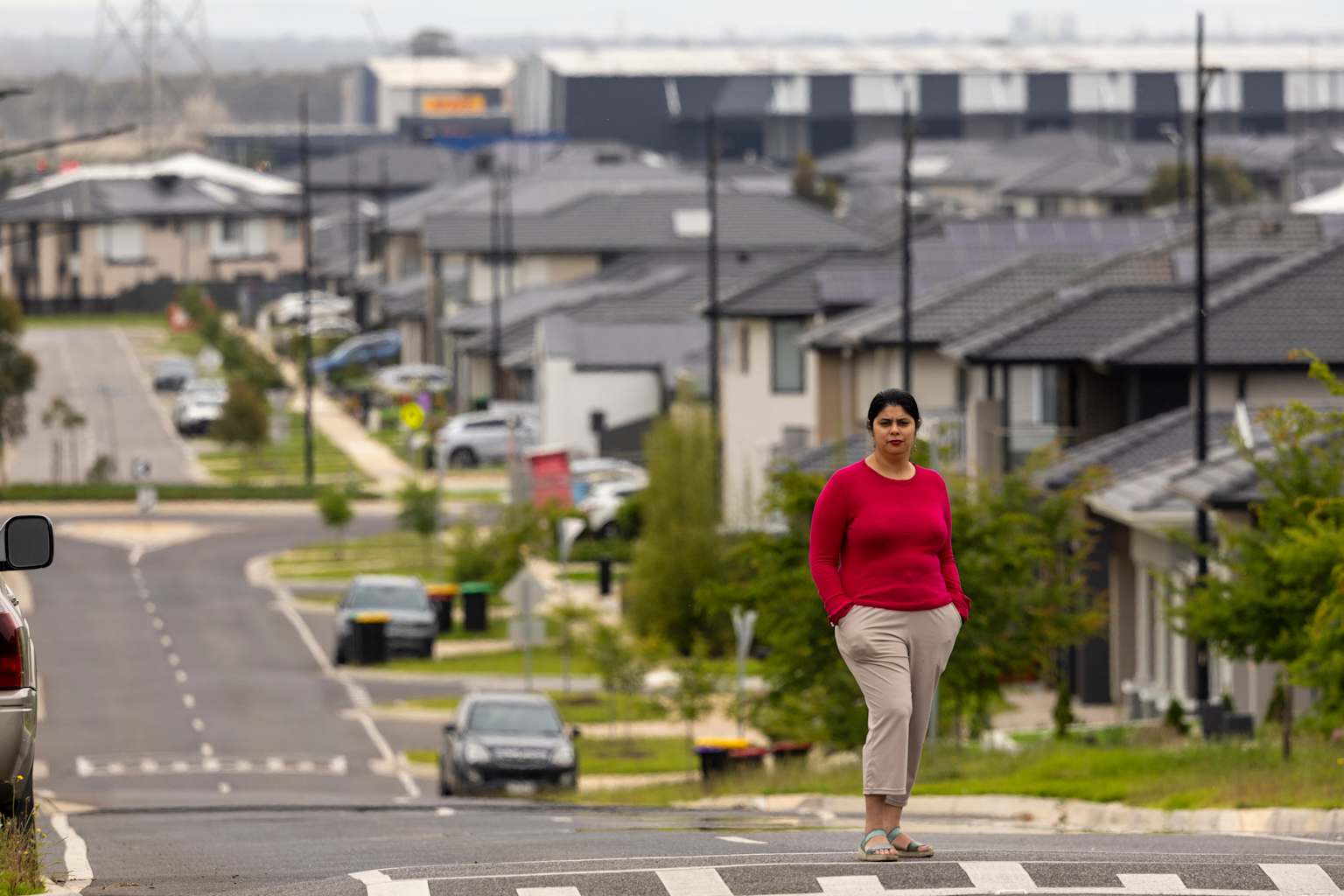
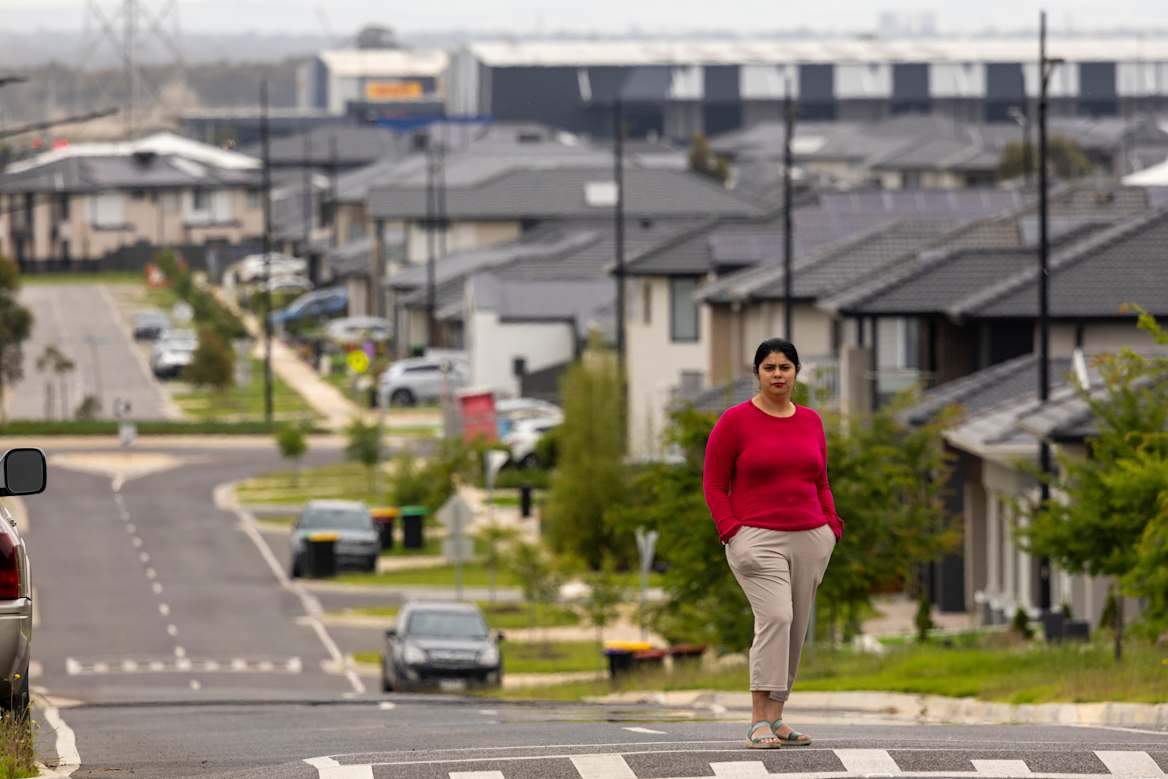
No matter who wins the election, Mount Atkinson mother Jaksha Shah is calling for better public transport in growing suburbs.
Her estate 30 kilometres west of the CBD didn’t have a single bus stop until a few months ago. She either drives an hour each way to her work in Richmond or travels by public transport for three hours a day.
Her young family moved into the area on the promise of living near a future Westfield in Truganina and Mount Atkinson railway station, but the centre is no longer being built and there is no timeline for the station’s construction.
“Nobody tells us when we look at these plans that none of this is approved or they’re years away,” Shah said.
Shah joined the Better Buses for the West campaign from Friends of the Earth to push for more buses in her area, arguing better transport equals higher productivity. The group backed a $400 million Labor promise to expand bus services and is urging the Coalition to commit to similar upgrades.
Shah warned that housing growth alone was not a solution for housing shortages as many homes in her estate were vacant, which she linked to limited transport options.
“To date, both major parties have failed in putting up timely infrastructure like trains and buses for us, so for me the biggest question is: how is this going to get executed so growth communities are not left behind? Does this mean that they will put infrastructure first, prioritise that and then allow housing to be built around it?”
Monash University urban planning and design senior lecturer Katherine Sundermann said that returning decision-making powers to councils as promised by the Coalition was positive, but there was no framework for how 27 greenfield sites would be fast-tracked.
Sundermann, who worked as an architect and urban designer for two decades, said planning was not the only barrier and infrastructure such as public transport and services must be co-ordinated, but “it’s harder to make these things go faster”.
“The Coalition proposal is essentially sprawling up and out, putting new development where their voters don’t live,” Sundermann said.
“It’s a very savvy political strategy that they have, but unfortunately, it’s locking Melbourne into being very car-dependent, having more congestion rather than having more people live in neighbourhoods close to public transport and jobs.”
Urban Development Institute of Australia chief Linda Allison said the industry was concerned about Labor’s activity centres being scrapped because it created uncertainty, which “is like kryptonite to the development industry”.
“Every time the goalposts move, design teams have to be diverted from useful tasks like innovation and efficiency to compliance. It makes houses more expensive,” she said.
She said expanding the CBD was worth exploring, while about half of all new homes are in greenfield areas and the Coalition’s two-year deadline to approve more sites creates a “sense of urgency”.
“We’re in a housing crisis, and the priority is to provide Victorians with homes rather than look at it in a silo and want everything to be ticked off a particular way … if there are reasonable compromises that can be made, let’s work towards getting those done,” she said.
Planning Institute of Australia Victorian president Patrick Fensham said he was disappointed housing policy had become a “political football”, and called for evidence-based planning strategies that lasted beyond election cycles.
He supports streamlining greenfield housing approval if backed by enough resources and called for greater detail on expanding the capital city zone, particularly as blocks in areas such as Fitzroy tend to be smaller and more expensive, raising questions of how feasible is it to build there.
Melbourne Lord Mayor Nick Reece said extending CBD planning controls “risks applying a blunt one-size-fits-all approach to areas that have quite different character”, but he supported increased density across the inner city.
“Victoria’s planning system stipulates that developments in capital city zone areas do not require affected residents and businesses to receive notification, or give them legal standing, in development proposals that affect them,” he said.
“I urge the Coalition to make every effort to take into account local voices so that Victorians living in these areas will enjoy the same rights as every other Victorian.”
A poll of Age readers conducted as the “high-rise horizons” series was published showed greater support for Labor’s activity centre program than was identified by the Resolve Political Monitor. Of 2911 respondents, 53 per cent of readers supported the concept, 31 per cent were against and 16 per cent were unsure.
Coalition planning spokesman David Southwick said that if elected, it would “restore the voice and choice for local residents” in local planning decisions.
“Under Labor, residents have been cut out of planning decisions whilst the number of new homes being built is at a decade low. It is time for a new approach,” he said. “Our Liberal and Nationals team has a comprehensive plan to improve housing affordability by building with communities, not over them.”
A Labor spokesperson said the Liberals hadn’t committed to any new school or road upgrades for the west, and wanted to “hand NIMBY councils the power to block homes in places like Kew and Brighton”.
“Jess Wilson is cutting homes for first-home buyers, blocking new homes from being built in leafy inner suburbs like Kew and pushing all new housing growth to the outer suburbs without the infrastructure to match,” the spokesperson said.
“Labor is making it easier to build homes near existing trains, schools, hospitals and jobs. Jess Wilson wants to scrap those reforms and push families further out.”
Use our 3D visualisations to virtually walk through a future vision of Brighton, the first suburb in a series exploring how activity centres could change Melbourne.
Use our 3D visualisations to take a virtual walk through a future vision of Kew Junction, the centre of a high-stakes political battle in Opposition Leader Jess Wilson’s seat.
You have reached your maximum number of saved items.
Remove items from your saved list to add more.
You've used all of your gift articles. 3 more will become available on the 1st of every month.