You have reached your maximum number of saved items.
Remove items from your saved list to add more.
You've used all of your gift articles. 3 more will become available on the 1st of every month.
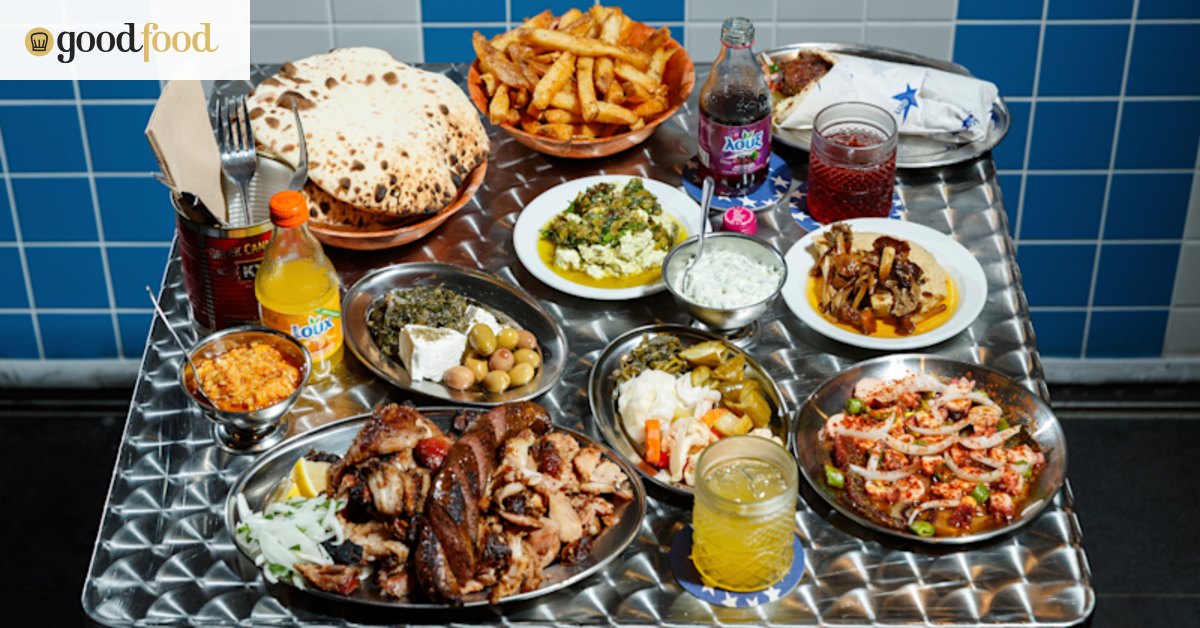
A line snaking onto the street for takeaway. Meat spinning over coals. Chips hot from the fryer. This might not sound like your typical hatted restaurant, but in Sydney this year Olympic Meats in Marrickville catapulted into the category for the first time. The takeaway line and metallic tables might read gyros shop, but you’ll be hard-pressed to find a gyros shop doing more anywhere else in the city: sourdough pita is baked to order; tzatziki is made on house-fermented hung yoghurt; the chips are cut by hand and crisped in rendered beef fat.
These factors, plus drinks and service that perfectly match the vision, were ballast for the venue winning its first hat, as well as how seamlessly it ties into the social and cultural history of the area. In years gone by, it may never have approached hat territory.
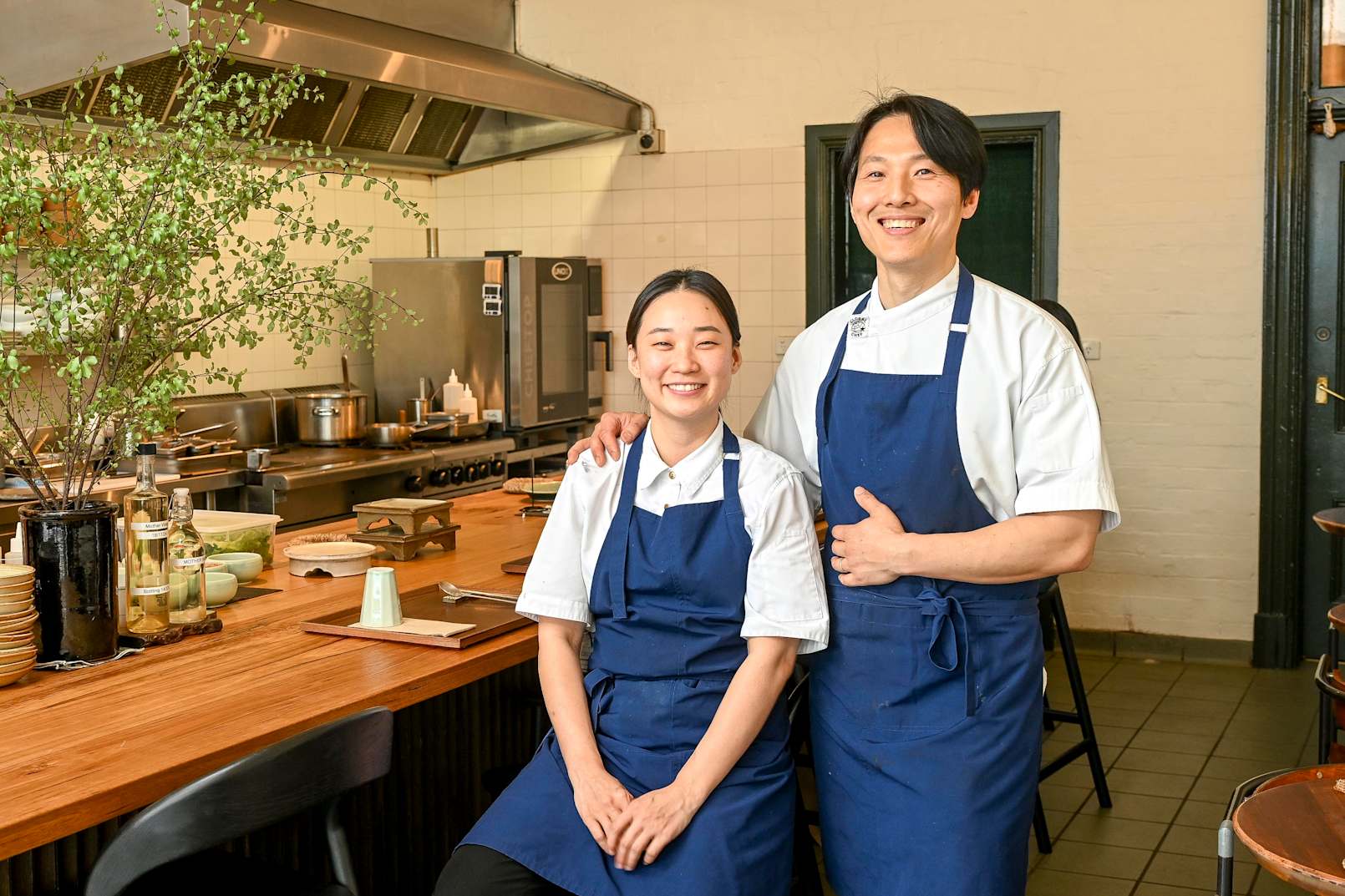
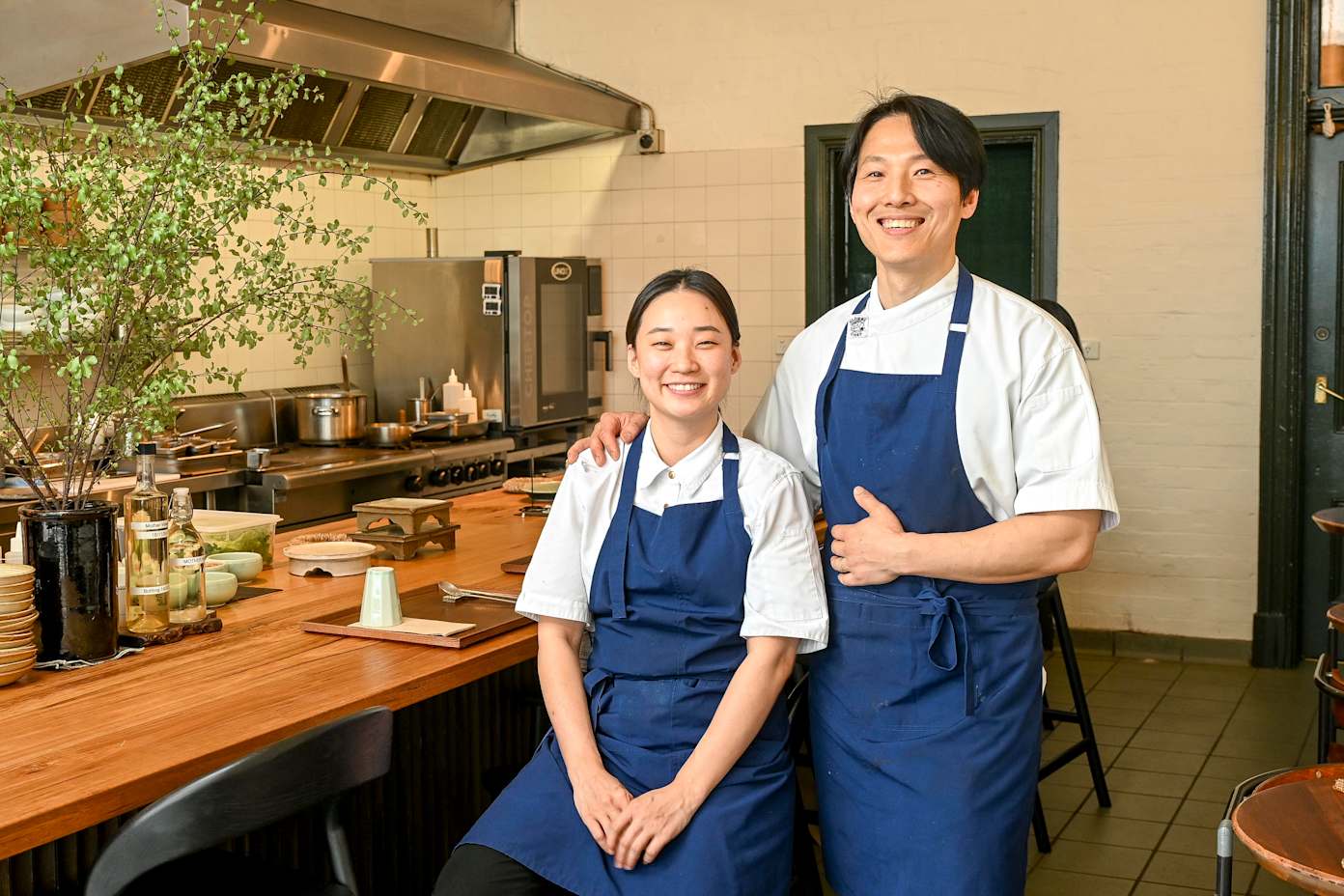
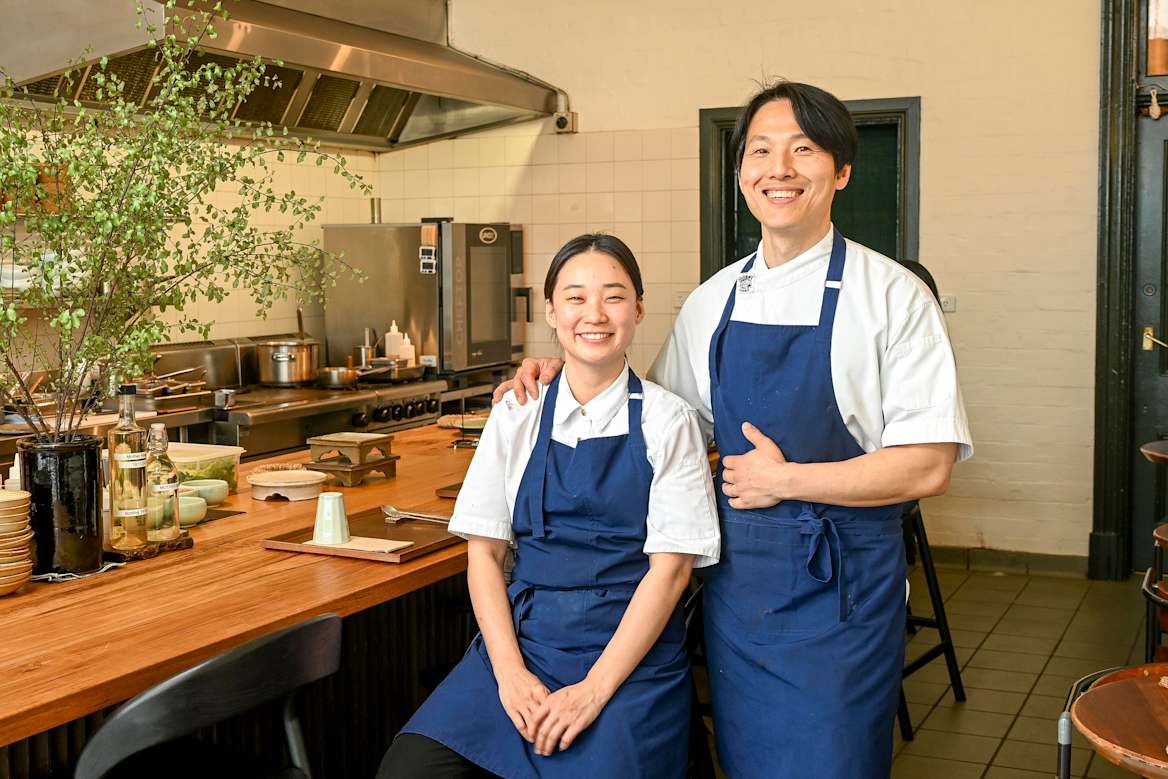
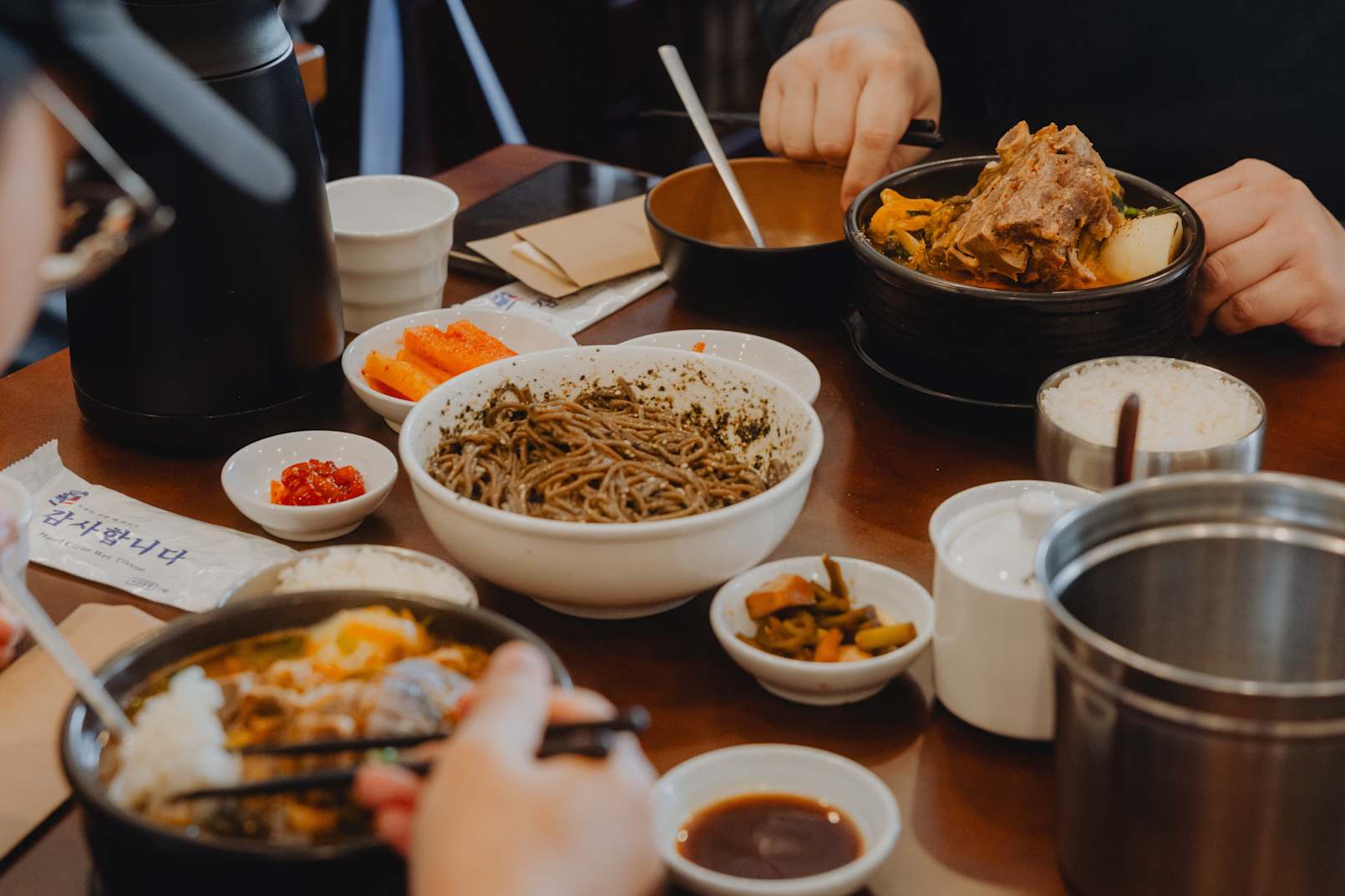
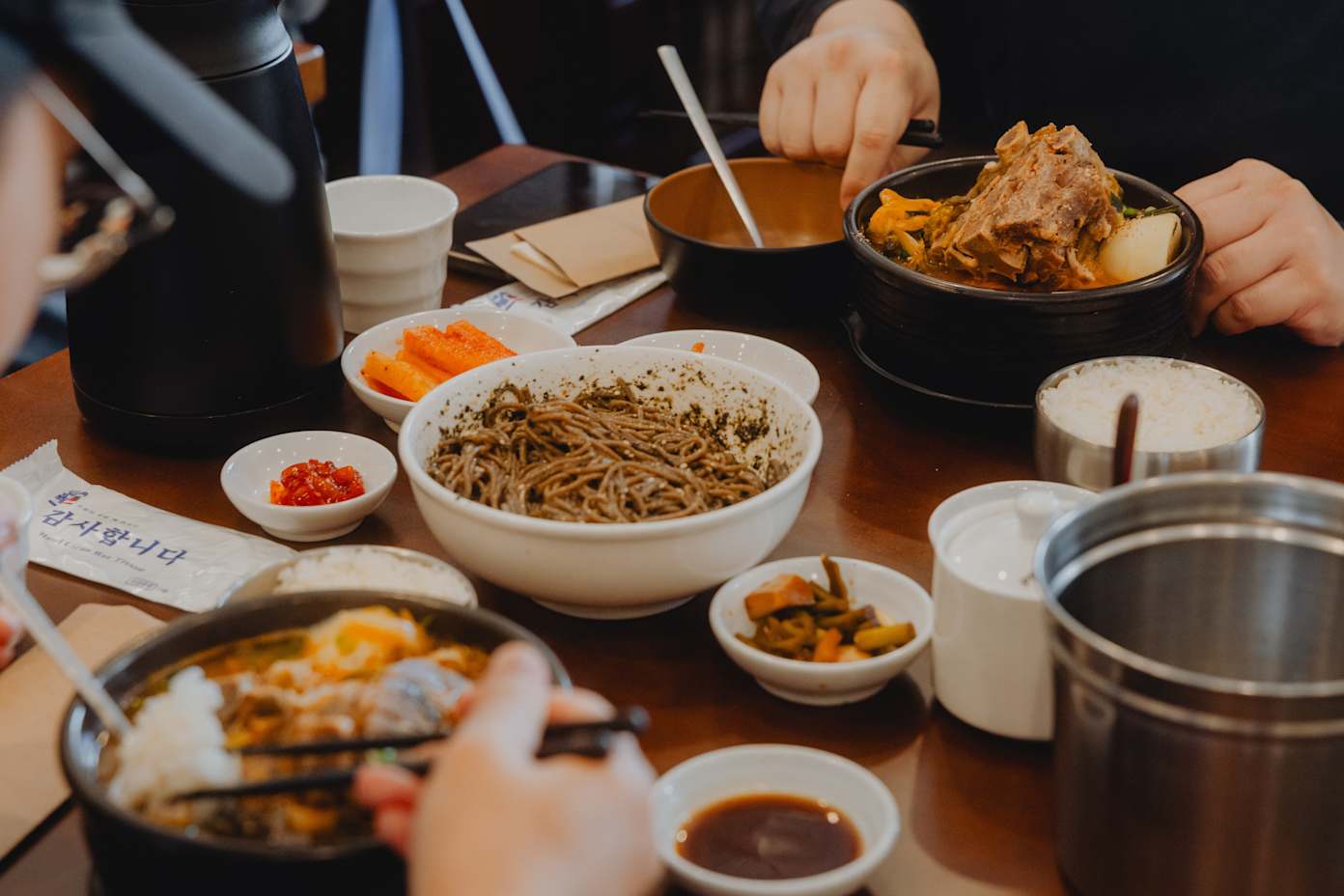
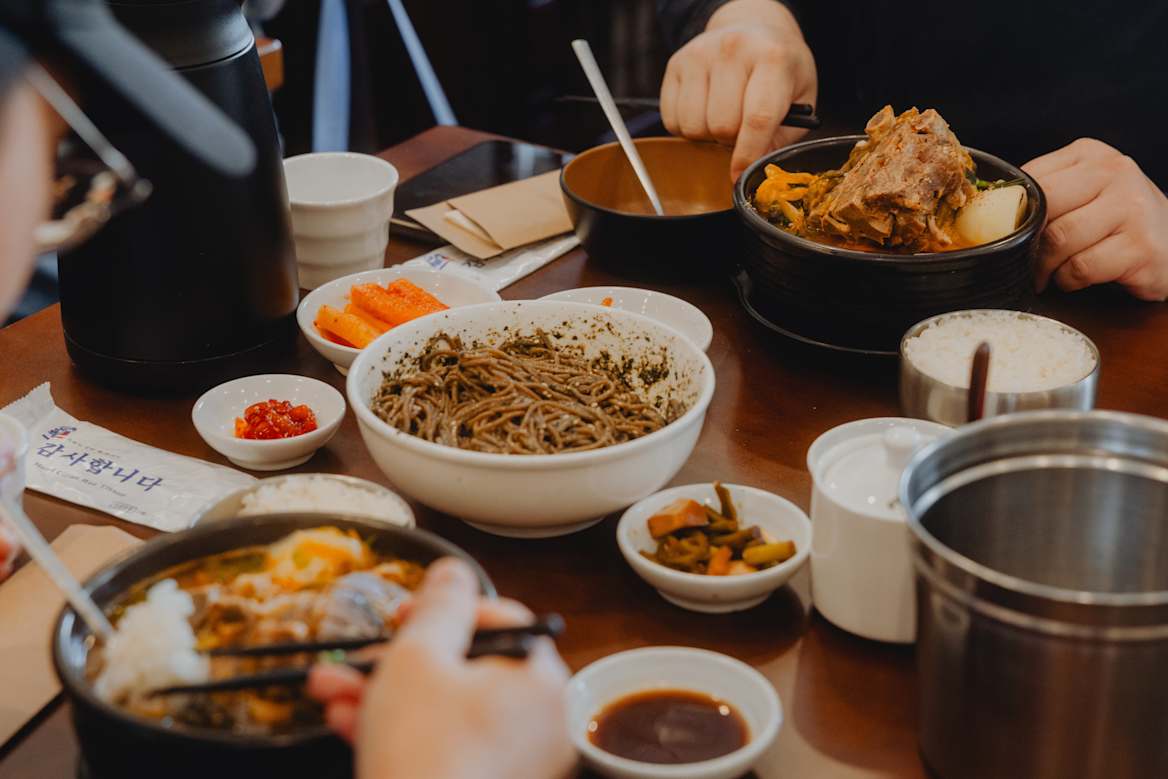
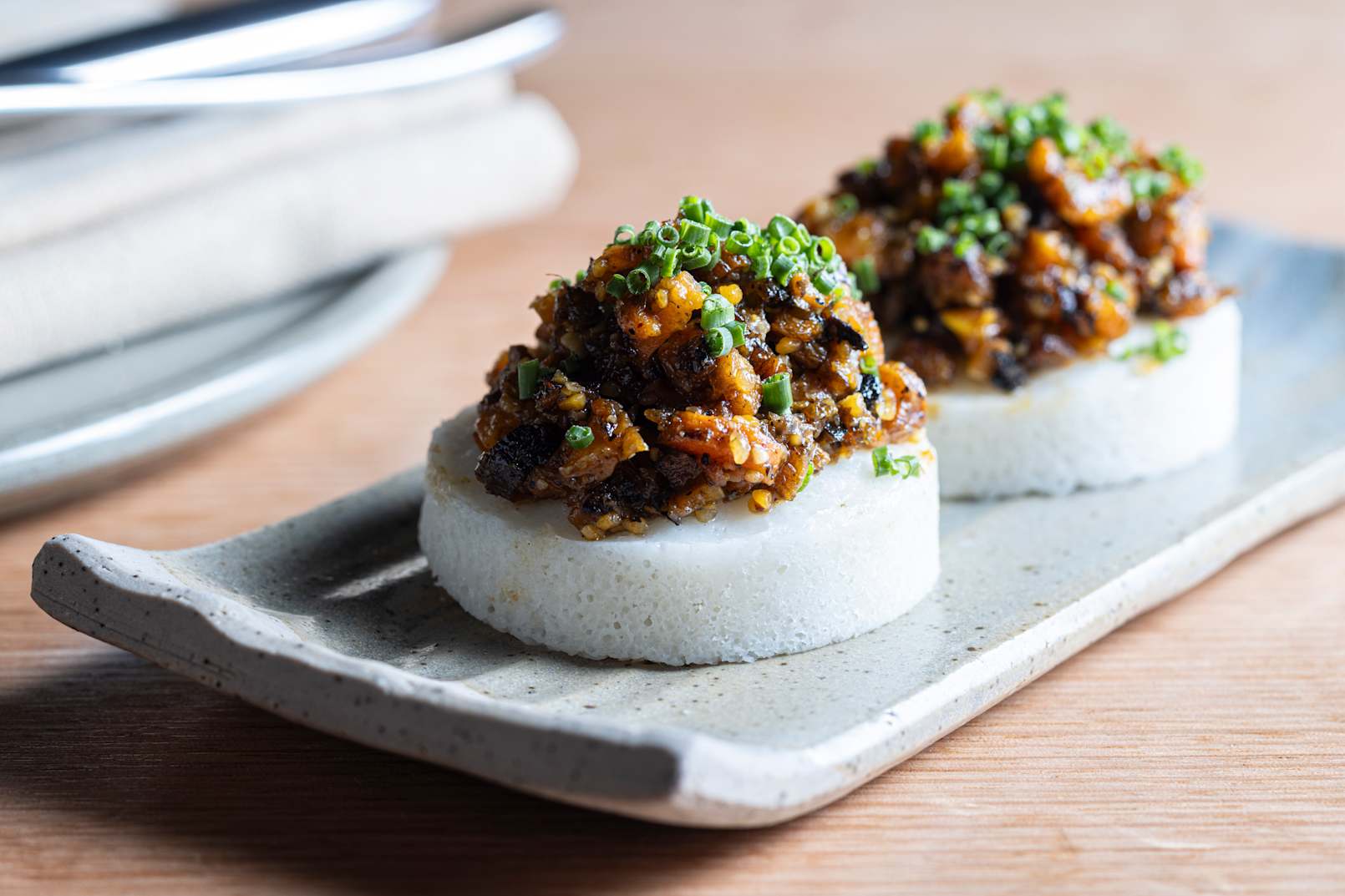
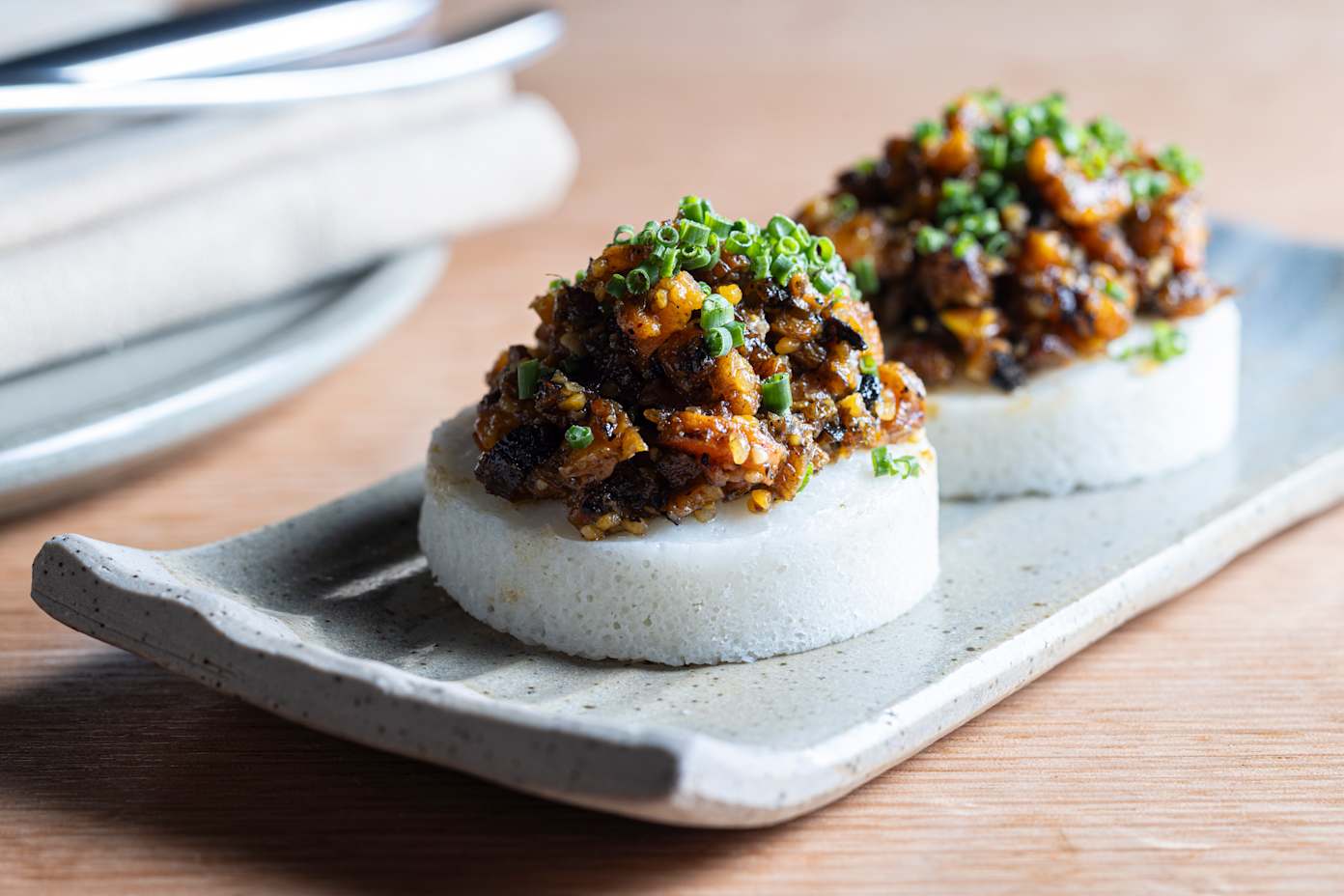
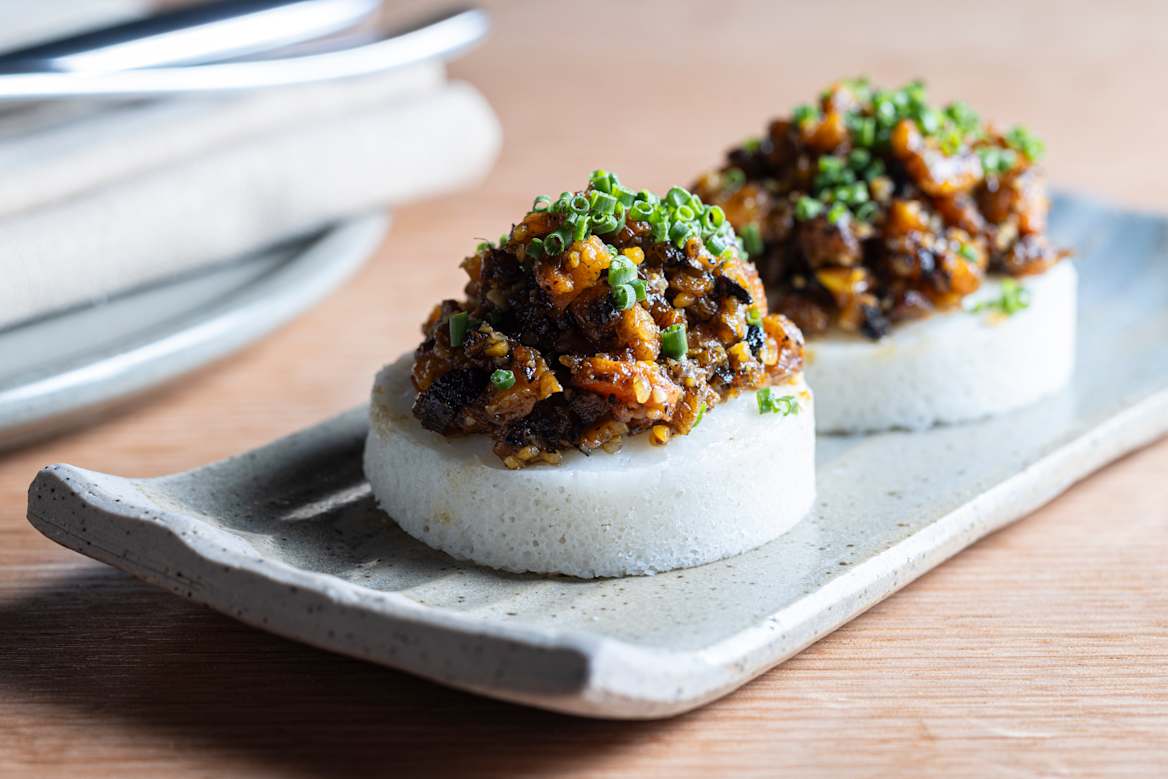
You could say the same for Sogumm in Melbourne. Even during a wave of excellent Korean openings, it’s a place that serves Korean food in a higher definition than we’re accustomed to in Australia, from acorn jelly topped with pickled shiitake mushrooms to bibimbap festooned with supple clams and dried pollack XO. It’s also just an insanely delicious place to eat, and last month, the lunch-only restaurant was recognised with a hat for the first time. But despite the cavalry in the kitchen, it’s a place that might easily have slipped through the cracks in Guides past .
While the Good Food Guide is the creator and “home of the hats”, in its 40-plus years, it’s never printed a hard and fast definition of a hatted restaurant: it’s simply a venue that scores 15 (or above) out of 20.
For many venues, that breaks down to high points for food, service and setting. But it’s not the only way. “A great takeaway joint mightn’t have the opportunity to dazzle you with silver service, but could well find their way to a 15 off the back of undeniable deliciousness, setting and value,” says Age Good Food Guide co-editor Frank Sweet.
Restaurant reviews, news and the hottest openings served to your inbox.
As the dining landscape has evolved, the annual list of hatted venues has broadened, too. There’s no strict formula.
This year, in Victoria, you’ll find regional Indian food cooked with pride and panache at Saadi . You’ll see a perfect storm of French saucework and Chinese vigour at Fitzroy’s Little Rose .
North of the border, Takam became NSW’s first hatted Filipino restaurant for perfectly balancing nostalgia and innovation, while the considered service, clean lines and refined soups at Yeodongsik helped it maintain its hat after moving from Lidcombe to Eastwood.
Yet there is a longstanding perception of what a hat is – or isn’t.
Many believe it’s a European establishment with white tablecloths, expensive cutlery and hushed music. While there have been exceptions in the past (Flower Drum and Bamboo House in Melbourne, say, or Golden Century and Sea Treasure in Sydney), this has been largely corroborated in past Guides .
This year’s Guide in Victoria contains 147 hatted venues spanning 31 cuisines. In NSW and the ACT, there are 163 hatted venues across 30 cuisines. A ge Good Food Guide co-editor Emma Breheny says: “When I look around Melbourne and Victoria, I feel blessed that we have so many excellent restaurants, from Cantonese stalwarts in Balwyn to Euro bistros 90 minutes from Melbourne, and Mauritian-influenced wine bars a stone’s throw from the city. That’s how people eat now, and that’s why a hatted restaurant can be so many different things in 2026.”
The space doesn’t have to be flash, but it is comfortable and cared for. A clear vision binds the menu, whether it lists three dishes or 30. There’s pride in the way food is cooked, plated and delivered to the table. Waiters might not pull out your chair, but know how to facilitate a good time, regardless of whether you’re perched on a stool on the footpath or huddled over a hotpot in Camberwell. In every case, the venue is coming good on what it sets out to achieve.
“We’ve made a conscious effort in the past few years to not only broaden our pool of reviewers, bringing in more viewpoints and areas of expertise, but also to reframe the scoring,” says SMH Good Food Guide co-editor David Matthews. “We’re less interested in whether a restaurant has spent millions of dollars on a fitout that looks like an artist’s render and feels soulless, and more interested in places that have an undeniable point of view, throw everything they’ve got at delivering it, then pull it off.”
Some newer hats are simply a pure distillation of their category, but some of the most exciting ones forge their own path.
In Victoria, Askal reclaimed its hat by way of inventive, big-group Filipino dining with boundary-pushing tropical cocktails. Koji Bird took the izakaya all the way to Victorian High Country and planted it in a gin distillery. And after taking over the Sunda space in 2025, Saadi threw off the shackles of expectation and showed Melbourne a world of delicious Indian possibilities.
In NSW, Marrickville’s Baba’s Place went back-to-back-to-back, winning one hat for the third year running (along with the inaugural Bill Granger Trailblazer Award in 2025) for cooking that ties the owners’ Macedonian and Lebanese roots to their suburban south-west Sydney upbringings.
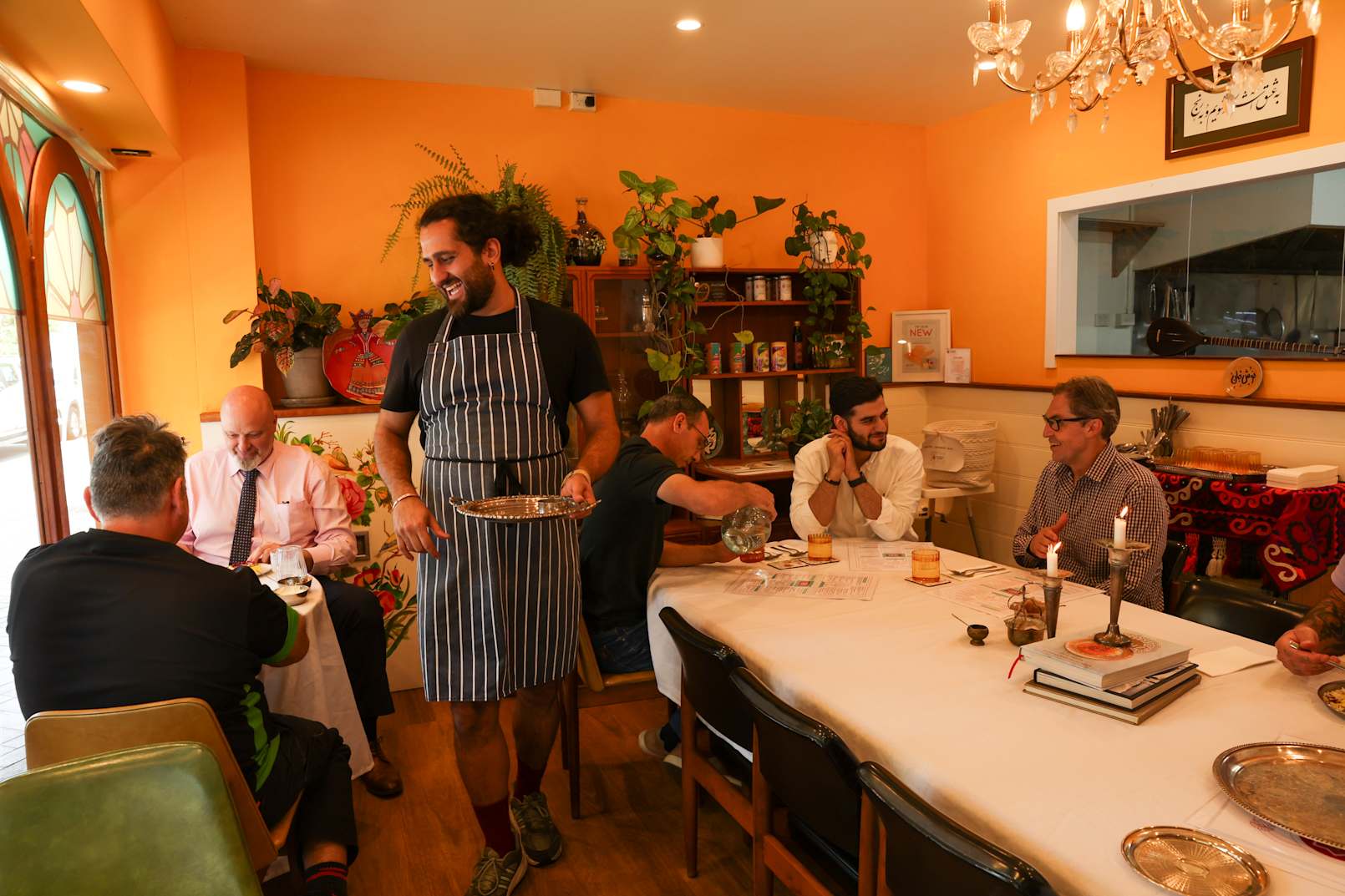
Tida Persian Food , run by Iranian restaurateurs in Sydney’s North Willoughby, won its first hat for how it backed the golden crunch of tahdig with the warmth of a home-style dining room. And despite 2025 Chef of the Year Paul Farag departing, Aalia maintained two hats and increased its score, making it the highest-scoring Middle Eastern restaurant in Sydney’s history.
“The broadening list of hatted restaurants is really just holding a mirror up to our cities and states: this is who we are, and this is how we eat,” says Breheny.
Others push the envelope with their business model. In regional Victoria, House of Mi-Rin saw fit to furnish a country wellness retreat with a compelling Korean fine diner. BiZu Hotpot in Camberwell is the first hotpot restaurant to score a hat. And Norma in Albury continues to nail the brief for fun Italian dining, with tick-box menus and a wine list divided into user-friendly price brackets.
In Sydney, Yellow ’ s continued commitment to vegan cooking helped it retain two hats for another year. Matkim closed, reopened, then regained a hat for its hyper-seasonal Korean menu offered to just eight diners at once. Porkfat kept its hat for its fragrant, lard-driven central Thai cooking, and Firepop – where almost everything comes on a skewer – followed suit.
And while hatted restaurants traditionally cluster around the CBD, in recent years more restaurants have scored hats further from the city centres. In Sydney, Taste of Shunde , for example, became Hurstville’s first hatted restaurant in 2025. While Sinclair’s in Penrith and Cricca in Windsor are closer to the Blue Mountains than Sydney Harbour. (Incidentally, Sinclair’s Indonesian chef de partie Britania Kirana and Cricca’s Filipino head chef Giles Gabutina were also nominated for this year’s Young Chef of the Year awards.)
In Melbourne, Adam D’Sylva’s genre-bending bistro Decca earned a hat for the north-east suburb of Alphington, and further north on the fringes of the city, Mickleham’s La Vetta was recognised with a hat for its clear-eyed winery dining.
Then there are the institutions that faithfully serve their communities, sometimes for decades. In Melbourne, recently revamped Dainty on Toorak is a plush destination for benchmark Sichuan dishes such as laziji. Kew’s Nihao Kitchen is staffed by a multi-generational team of pros who care so much about their Peking duck, they won’t let you order it if your group is too small to finish the whole thing. And Supreme J Kitchen in Balwyn is consistently packed with regulars who know exactly what to order (hint: it’s the roasted pork belly).
North of the border, Golden Century has found its feet in new Crown digs and is still the first stop for mountainous plates of pipis in XO sauce. And 40-year-old Hungarian institution Corner 75 found sympathetic new owners, who tweaked things just enough to nab a hat and last year’s Restaurant of the Year award in one fell swoop.
“Hospitality accounts for a good whack of the scoring rubric,” says Sweet. “These restaurants are incontrovertibly delicious, sure, but they also pack decades of service experience you can’t teach. That’s important to diners, and it’s rewarded accordingly.” As the definition of a hatted restaurant evolves, so too does the Guide . That’s why we introduced the 100 Essential Restaurants – a dining checklist that tells the story of what it means to eat in Victoria , NSW and the ACT today. They might have three hats, they might have no hats. What’s important is that they tell us something significant about who we are – as diners, chefs and restaurateurs – and where we are going. Today, the definition of an exceptional dining experience is broader than it’s ever been, and we hope this year’s Guides reflects that. “Diners have long known that excellence can come in many different forms,” says Breheny. “One person’s idea of luxury might be a master stock that’s been nurtured for decades and powers a restrained soup. Others want views, a stool for their handbag and only premier cru chablis. The Guide can hold both those points of view.”
39 exciting freshly hatted venues to check out in NSW and the ACT