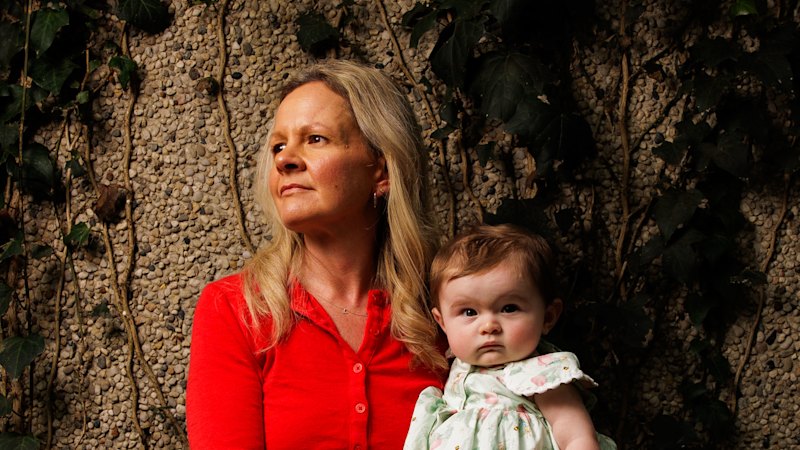
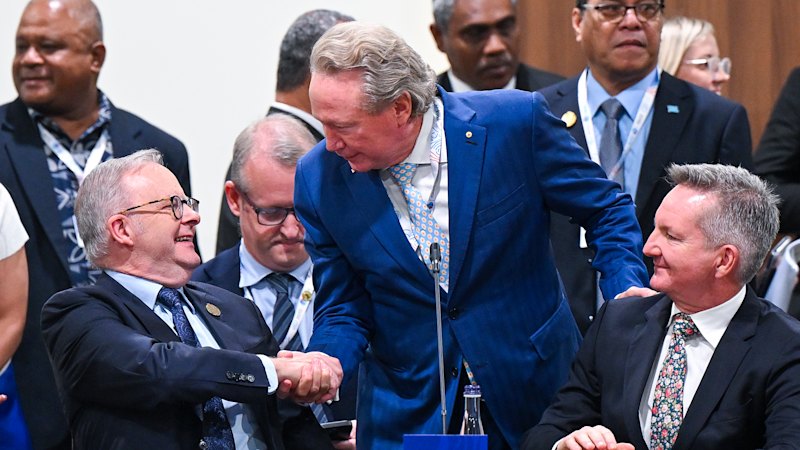
Helen Haines suffered critical injuries when she was struck by a four-wheel drive. ( ABC News: Matt Roberts )
With those words, Prime Minister Anthony Albanese laid bare the horrifying nature of an attack that has sent shock waves through Australia.
Independent MP Helen Haines was going about her day in the regional Victorian town of Wangaratta when a four-wheel drive struck her outside her electorate office.
The 65-year-old, who has represented the people of Indi since 2019, suffered critical injuries in an attack now under police investigation.
A man is in custody, and while it is too early to conclude whether his alleged actions were politically motivated, the possibility alone is deeply disturbing.
Australians are accustomed to seeing their local politicians in the supermarket, at the footy or simply walking down the street.
They knock on doors, hold mobile offices, attend community events and make themselves available to constituents who want to raise concerns or have a chat.
It's easy to be cynical about politicians, but their accessibility is one of the great strengths of Australia's democracy.
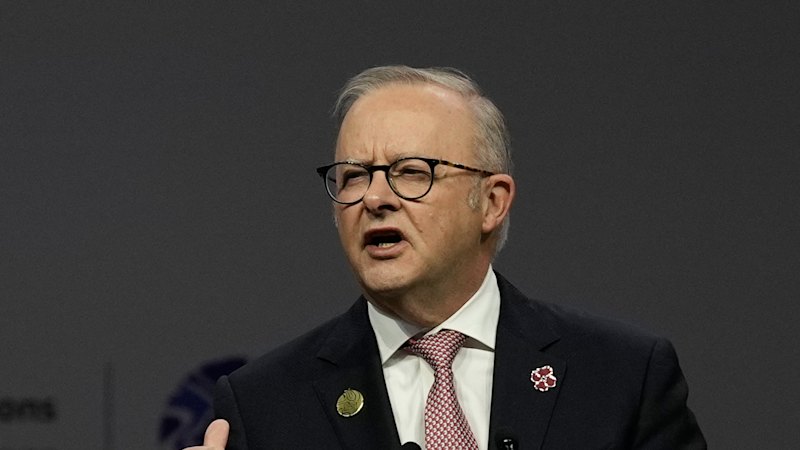
Albanese was understandably emotional as he spoke about the attack on Haines just hours later.
He was joined by voices from every corner of Australian politics in expressing his horror at the incident and wishing the MP a full recovery.
While careful not to pre-empt the police investigation, Albanese also took the opportunity to repeat his calls to turn down the temperature of political debate.
He has often said parliamentarians should be able to carry out their work without fear of threats or intimidation, and warned about the consequences of personal vilification and increasingly aggressive political commentary.
Those concerns are not confined to the prime minister.
For years, the Australian Federal Police has been highlighting an alarming rise in threats directed at politicians, their families and staff.
The latest figures show the AFP received 1,067 reports of threatening, harassing, nuisance or offensive behaviour involving federal parliamentarians, high office holders and protected locations in the past financial year.
That was a 12 per cent increase on the previous year and almost double the 555 reports recorded in 2021-22.
Not every report involves a credible threat of violence, and the figures cover more than MPs and senators.
But they demonstrate the scale of the hostility increasingly confronting people in public office.
In March last year, then-AFP commissioner Reece Kershaw delivered a sober warning to a parliamentary committee about the threats facing politicians ahead of the federal election.
He revealed some male politicians had been sent bullets in the mail, while female parliamentarians were subjected to particularly disturbing abuse, including threats of sexual violence.
In some cases, the threats extended to their children.
Just this month, AFP Commissioner Krissy Barrett told the ABC she expected "high office holders and politicians will continue to be targeted by those who hold grievances".
She said while terror investigators were increasingly seeing cases with ideological motivations, another factor was emerging: grievance.
Barrett said people who were feeling distanced and alone were "looking for something to attach to, to give them meaning and purpose".
"We are seeing a bit of a shift there that the grievance is what's actually driving them and then they're looking for some sort of ideological motivation to attach to," she said.
There has been no shortage of examples demonstrating why police are concerned.
One Nation leader Pauline Hanson has spoken publicly about the threats directed at her and her family, and the security arrangements she believes are necessary to protect her.
Liberal MP Andrew Hastie has faced threats serious enough to prompt additional security arrangements at his home and electorate office.
Just last week, Labor minister Anne Aly revealed she had received 19 death threats in a week.
Others have faced criminal threats serious enough to result in charges.
Earlier this year, a Sydney man was charged after allegedly threatening to kill a federal parliamentarian, over the phone.
Last year, Victorian men were charged in separate cases involving alleged death threats against federal MPs, including antisemitic abuse.
These are not isolated concerns confined to one political party, one side of an ideological divide or one contentious policy debate.
Nor are they limited to the anonymous abuse politicians have long endured online.
The rise in incidents has raised the question of whether elected representatives can safely do their jobs.
The AFP has established specialist investigative teams to respond to the growing threat, while security arrangements for individual politicians have come under greater scrutiny.
But there are limits to what even the most extensive protective measures can achieve without changing the way politicians interact with the public.
Police officers stationed outside every electorate office or security checks at every community event would represent a very different Australian democracy.
Voters are entitled to be angry with their elected representatives, but there is an important distinction between robust debate and intimidation or threats.
Police must now be allowed to establish the facts of the attack on Haines.
But the incident has brought into sharp focus the safety concerns that security agencies and parliamentarians have been warning about for years.