Australia leads most countries in protecting its oceans, with more than half (52 per cent) of its marine territory now under protection.
The achievement puts Australia well ahead of the global ocean target to protect 30 per cent of the world's land and oceans by 2030, a historic pledge made in 2022 at the United Nations' 15th biodiversity summit in Montreal, Canada.
But with just four years left to meet that commitment, experts say questions remain over whether Australia's protected waters are delivering meaningful conservation outcomes.
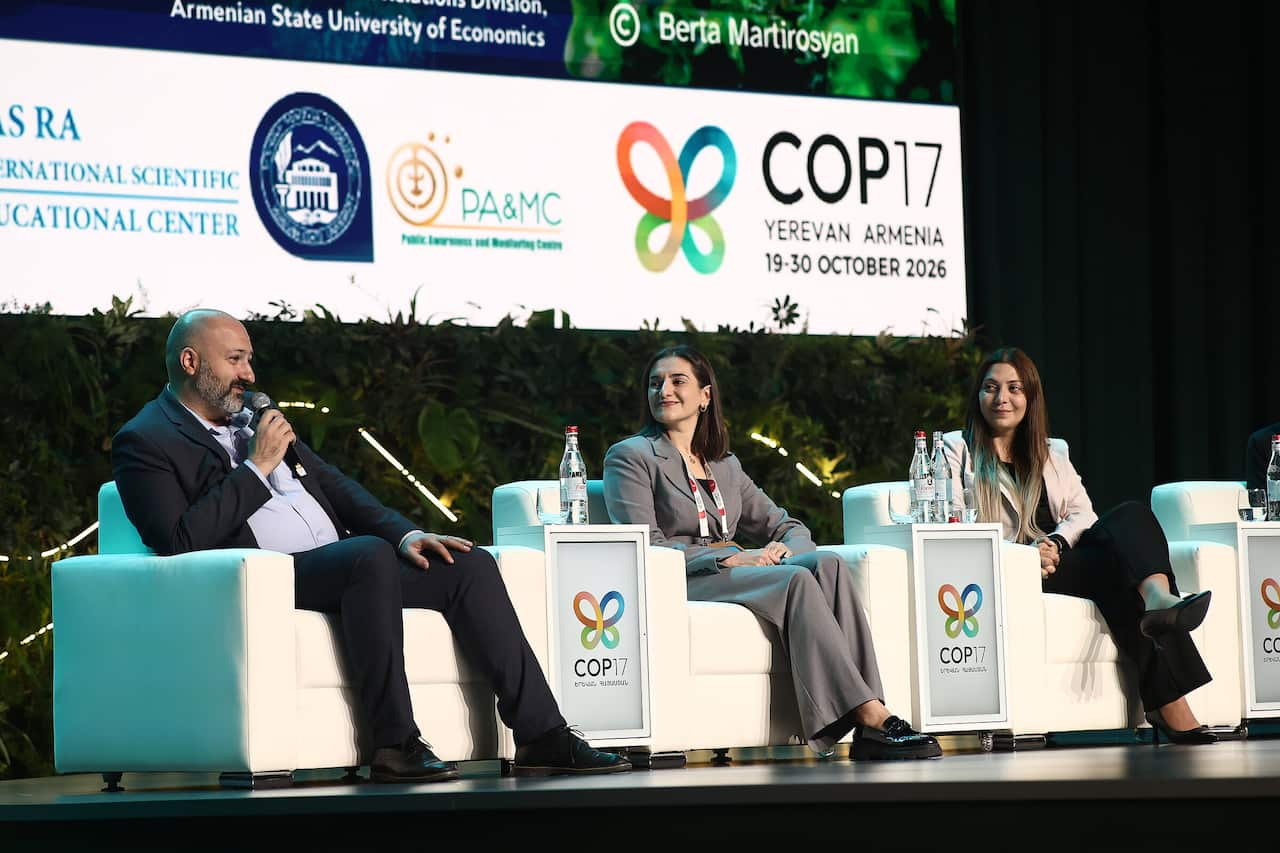
The challenge was among those discussed at the 17th UN biodiversity conference (COP 17), where government officials, scientists and environmental advocates from 196 countries gathered in Yerevan, Armenia in October. For two weeks, the delegates assessed global progress towards the 30x30 target.
Your trusted source for staying up-to-date with the world around you. Get free daily news updates and analysis, straight to your inbox.
The outlook was concerning, according to the 2026 Ocean Protection Gap report: at the current rate, the world is projected to protect just 12 per cent of its oceans by 2030.
In Armenia, Australian advocates said the country's progress presented an opportunity to take a leading role in global ocean conservation, but warned more work was needed both at home and internationally.
Their calls come as Australia takes on a prominent role at COP31 in Türkiye , where ocean protection is gaining greater attention on the global climate agenda.
Australia is a marine nation, with an ocean territory that far exceeds its landmass.
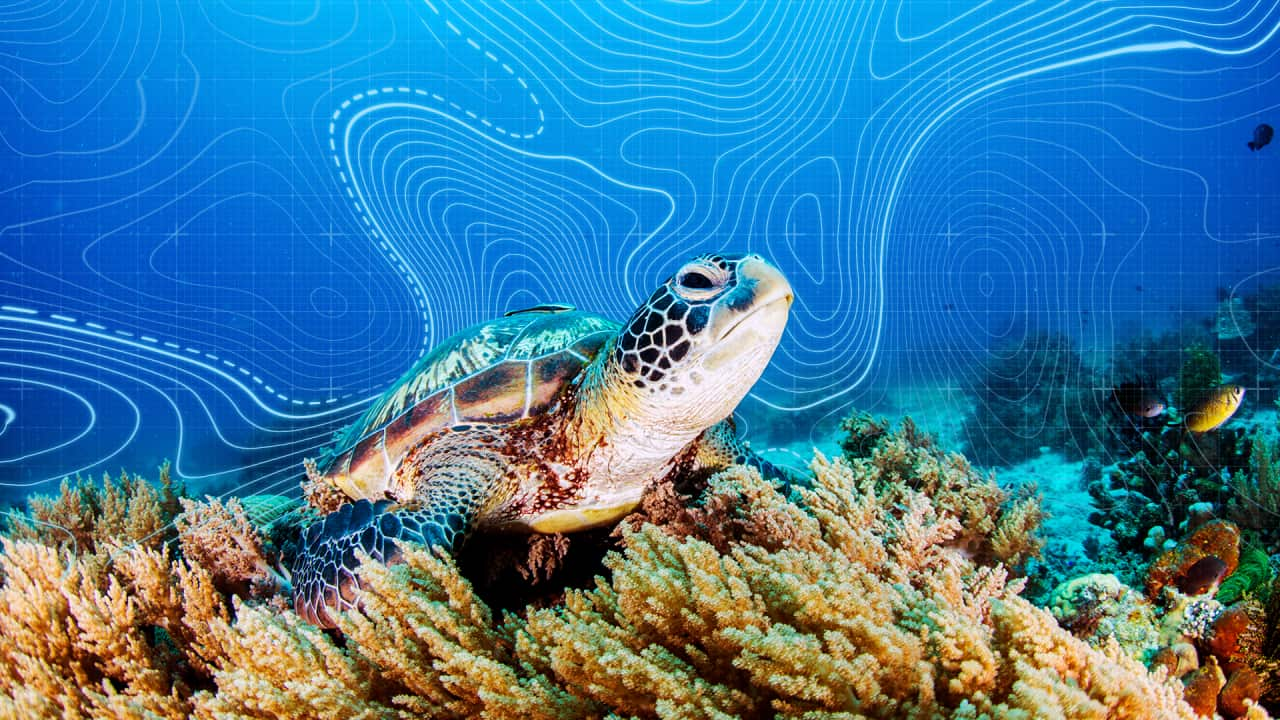
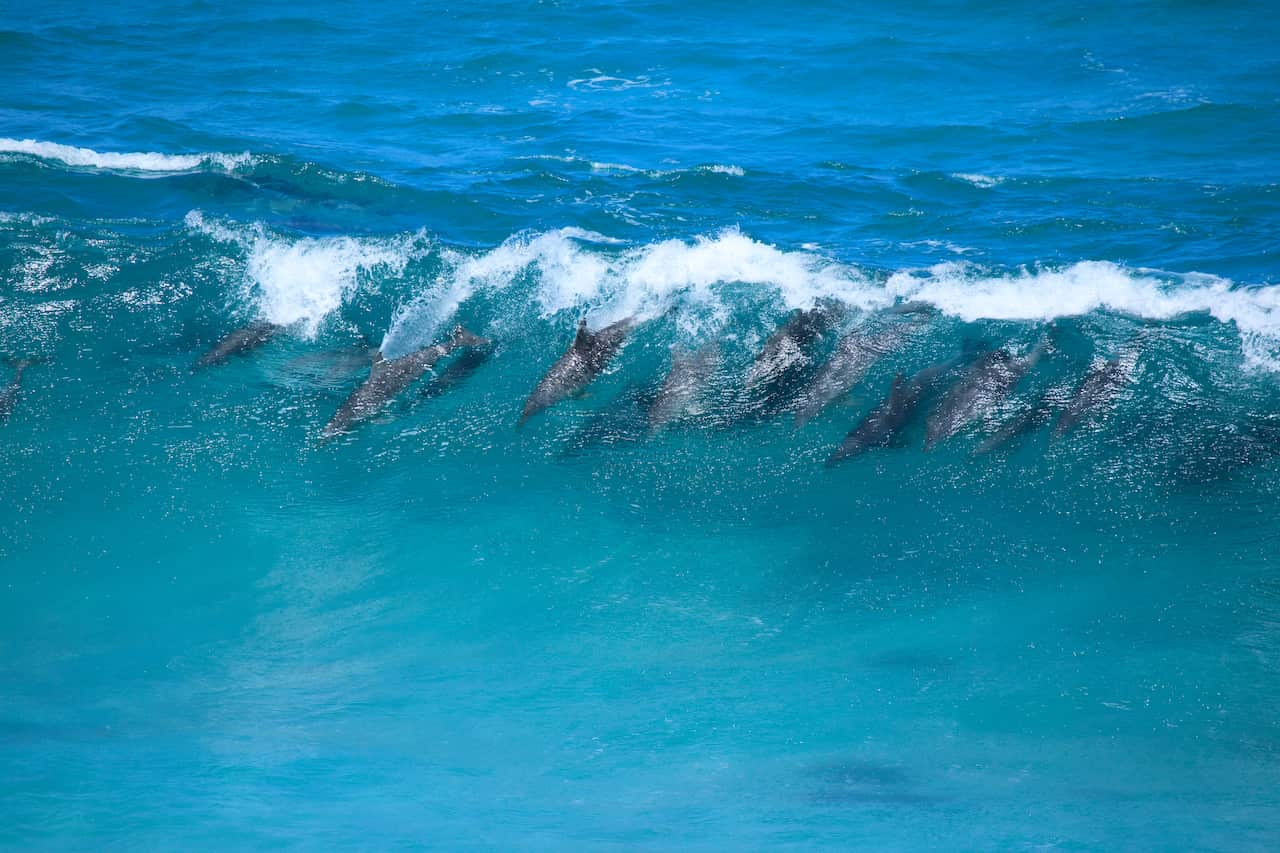
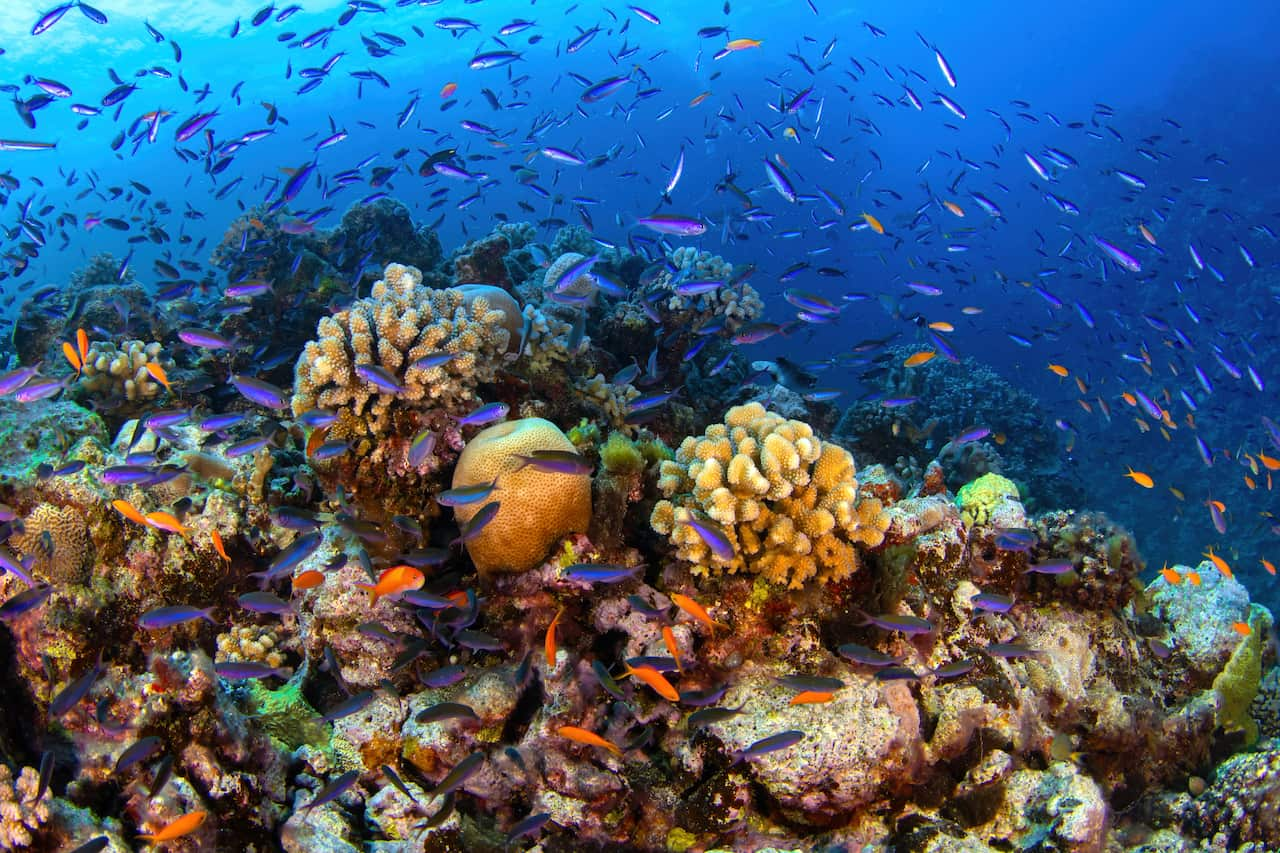
Its network of more than 60 Marine Protected Areas (MPAs) stretches from tropical northern reefs to sub-Antarctic waters in the south. These underwater nature reserves provide habitats and refuges for marine species, including dugongs, dolphins and turtles.
But protection levels vary across the network. Only 24 per cent of Australia's marine territory is considered highly protected, where activities such as commercial fishing and mining are prohibited.
Rebecca Hubbard, the director of the High Seas Alliance, a global coalition of organisations working to protect international waters, says the location and zoning of marine protected areas are just as important as their overall size.
The implications are particularly significant in areas where fishing activities can affect sensitive marine habitats.
Bottom trawling, a fishing method that involves dragging heavy nets along the seafloor, remains legal across nearly 13 million hectares of offshore Australian marine parks, an area almost double the size of Tasmania. In the Great Barrier Reef Marine Park, commercial trawlers are still permitted to operate in general-use zones to catch prawns, scallops and squid.
But a once-in-a-decade review of Australia's MPAs could strengthen these protections. Led by Parks Australia, the review is updating management plans due to expire in 2028, with proposed changes for ecologically significant areas such as the Norfolk and Lord Howe marine parks.
Beyond Australia's own marine territory, international cooperation is also critical to protecting ocean ecosystems.
At COP17 in Armenia, delegates discussed the need for stronger global measures to protect international waters, much of which remain outside individual countries' national jurisdiction.
A key mechanism is the High Seas Treaty, formally known as the Biodiversity Beyond National Jurisdiction (BBNJ) Agreement. The legally binding agreement aims to protect marine life outside of national borders, which make up nearly two-thirds of the world's ocean. Including the creation of MPAs.
Australia ratified the High Seas Treaty in September, committing to the international rules for protecting marine life in these waters.
Phebe Fidge, a marine ecologist who attended COP17 with the Global Youth Biodiversity Network, says the treaty is needed to address what she describes as a "pirate landscape" on the high seas.
"High seas areas are places that occur outside of a national exclusive economic zone, which extends to about 200 nautical miles out from different countries' coastlines," Fidge tells SBS News.
"People could do what they want; they could harvest whatever resources they want. They threaten the resources that Australians depend on."
What happens in international waters can ripple through Australia's marine ecosystems and fisheries, particularly because many marine species move across vast distances, crossing national boundaries throughout their life cycles.
Fidge warns that migratory species, such as southern bluefin tuna, are vulnerable to fishing pressure beyond Australia's national waters. The species spawns in the Indian Ocean, south-east of Java, before migrating through temperate waters around Australia.
As these species move between different ocean regions, fishing activity in one area can affect populations across their entire range. When fish are caught faster than stocks can replenish, populations decline, threatening ecosystems and the fisheries that depend on them. This means conservation measures within Australia's waters can be undermined by unsustainable fishing beyond its borders.
Other activities, such as deep-sea mining proposals in the Pacific Ocean — where valuable mineral and metal deposits can be removed from the seafloor — also raise concerns about potential impacts on Australian ecosystems.
"The ocean doesn't care about national borders. The resources belong to us all, and we really need to consider that connectivity in our management of high seas areas," Fidge says.
Connected protection is especially important for migratory marine species, which rely on multiple habitats across different ocean regions. Loggerhead turtles and wandering albatrosses, for example, travel for thousands of kilometres across oceans to feed and breed. MPAs in international waters could help protect important parts of these migratory corridors from some unregulated industrial pressures.
Humpback whales also migrate between cold polar feeding grounds and warm tropical lagoons, where they breed and give birth.
"That's why when we design a network of protected areas globally, it needs to be done at a larger scale to be representative and connected, so that you're not just protecting isolated places that may be special," Hubbard says.
However, global efforts to establish connected MPAs remain well behind the 2030 target. The Ocean Protection Gap Report and 30x30 Global Assessment show only 10 per cent of the global ocean is currently designated as protected, including less than 2 per cent of the high seas.
Under existing government commitments, just 12 per cent of the world's oceans would be protected by 2030, according to the report.
Funding is another barrier. Meeting the 2030 ocean target is estimated to cost about US$16 billion (approximately $24 billion) a year, yet current global spending sits at just US$1.8 billion ($2.6 billion) annually — leaving a yearly funding shortfall of roughly US$14 billion ($21 billion).
Peter Thomson, a Fijian diplomat and the United Nations secretary-general's special envoy for the ocean, says the growing prominence of ocean issues at international conferences is an encouraging sign.
"The encouraging thing is that the ocean is now at the centre of discussions. Previously, it was always peripheral. We were sitting around talking about forests and mountains, elephants and giraffes, not considering the majority of life on the planet is in the ocean," he tells SBS News.
The ocean covers more than two-thirds of the planet and plays a critical role in regulating the Earth's climate and absorbing carbon.
Thomson says he is optimistic that a series of global initiatives over the next four years will create a "blue thread" of coordinated ocean action.
But Hubbard says the gap between global ocean protection ambitions and action remains significant, with COP31 offering an opportunity to build momentum for change.
This story was produced with support from the Pulitzer Center's Ocean Reporting Network.