Georgia Smedley is a Melbourne-based curator, writer and photographer whose work spans exhibitions, public programs and editorial projects that invite critical inquiry, provoke dialogue and expand ways of seeing. With over a decade in galleries, libraries, museums and festivals, Georgia works fluidly across photography, curatorial writing, and the production of exhibitions and conversations in both institutional and independent contexts. Recent projects include shaping public programs for State Library Victoria, leading curatorial program management for Melbourne Design Week, contributing to the Contemporary Art, Architecture and Design department at the National Gallery of Victoria, and producing a series of independent photographic and collaborative works.
Scaling up the lessons of jewellery making, Anna Varendorff produces composed works that blur the line between utility and beauty.
Trained as a silversmith, this Melbourne-based designer now makes furniture and objects that are intuitive and tactile.
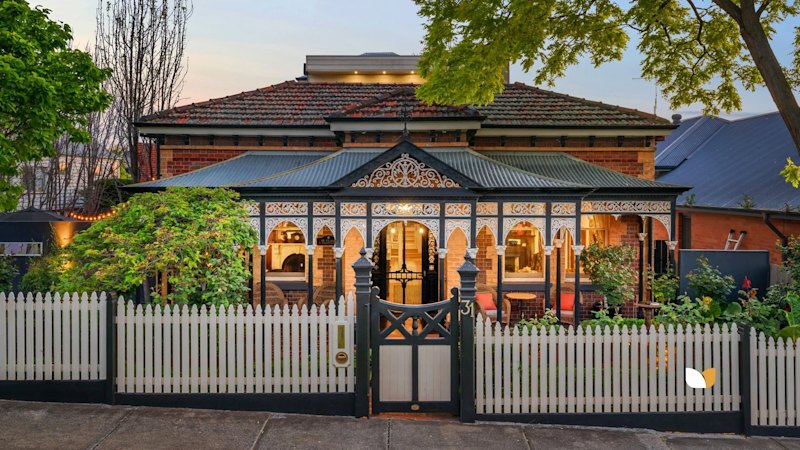
A grand Edwardian home in Melbourne overlooking inner-city gardens is reimagined for contemporary family life.
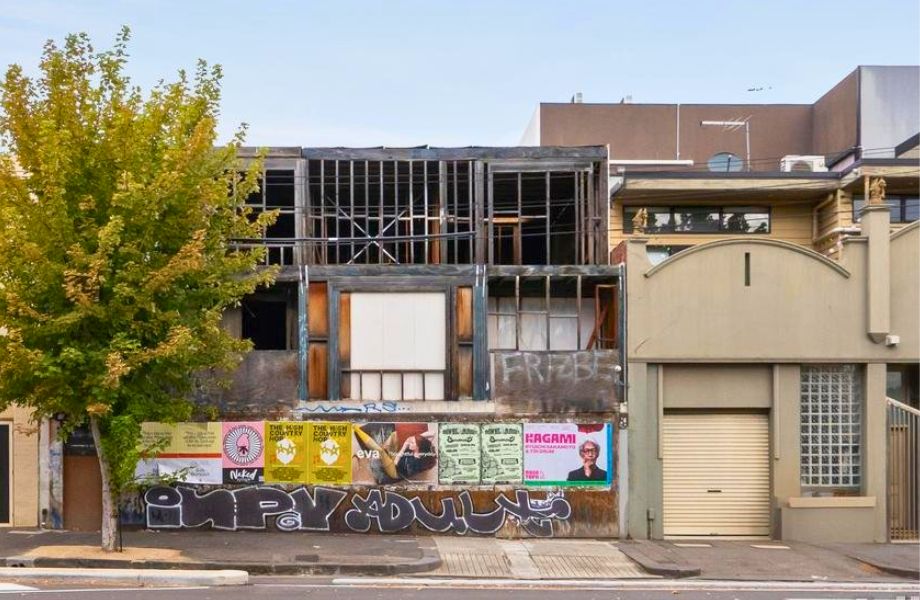
The first floor of a former Collingwood pub is adapted for contemporary living, connecting past and present with care and clarity.
Douglas Powell’s journey from construction to contemporary design has seen him named a 2025 Rigg Design Prize finalist, with Duzi Objects showcasing inflated steel furniture that blurs the line between art and function.
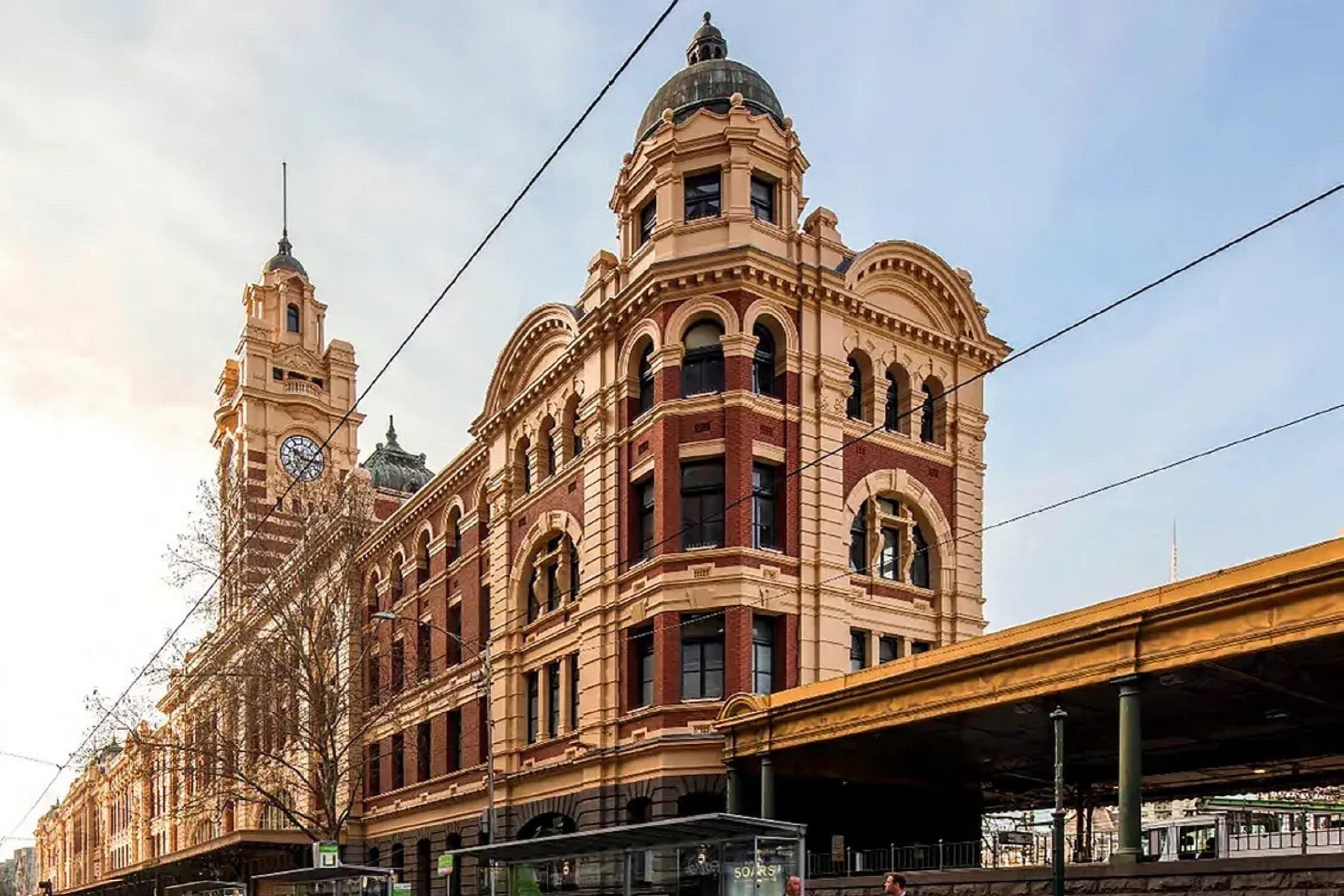
Designed by Studio McQualter, this 4000-square-metre flagship store for the beauty retailer features an auditorium, apothecary, cafe and newsroom, all in the historic Melbourne site of Cole’s Book Arcade.
Georgie Szymanski blends intuition and precision in woodwork, creating intimate and functional furniture. Her evolving practice celebrates craftsmanship, collaboration and thoughtful design with a poetic touch.
Curtis Bloxsidge crafts intimate, functional objects shaped by memory, collaboration and material curiosity. Merging woodworking and textiles, Bloxsidge’s slow, responsive practice is rooted in domestic rhythm and emotional resonance.