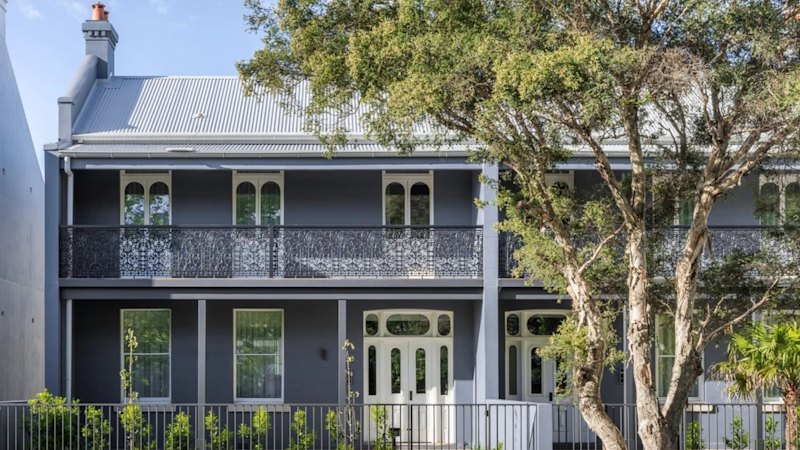
Sydney’s property prices might be falling but stock is rising, as consecutive interest rate rises this year take a toll on buyer confidence and push more distressed listings onto the market.
Total listings across the city surged 9.3 per cent in October to 42,699, up 15.2 per cent from a year ago, according to new data from SQM Research.
A pile up of older listings was driving much of this growth, with residential properties sitting on the market for more than 180 days increasing 10.6 per cent over the month, and 41.6 per cent annually, to 8,503 as prospective buyers increasingly hold back amid higher borrowing costs and price downturn.
New listings in Sydney saw an 4.8 per cent monthly increase, however, remain 18.9 per cent below October last year, which shows properties are taking longer to sell rather than a wave of new homes flooding the market.
The figures were recorded ahead of Tuesday’s interest rate hike, that has taken the cash rate to an 18-year high of 4.85 per cent.
MORE: Brutal housing crisis revealed in new report, as shelters turn away Aussies
84 Serpentine Avenue, Tallawong mortgagee in possession home with an auction guide of $1.15m
The data from SQM Research also shows this slowdown is not confined to Sydney, with national property listings rising 8.8 per cent month-on-month in October, to a new five year high.
“October’s numbers show a sharp increase in available stock, with national listings rising above 300,000 for the first time in more than five years and every capital city recording a monthly increase,” Managing Director of SQM Research Louis Christopher said.
The figures also spotlit distressed property listings across NSW climbed 6.5 per cent to 1,123, now 21 per cent higher than a year ago.
“What we are watching most closely is the rise in distressed listings,” Mr Christopher said.
MORE: Brand-new Bondi penthouse hits the market
Consecutive interest rate rises this year have seen more properties lingering on the market and distressed listings to surge. Picture: Nikki Short/NewsWire
“National distressed stock is now 42 per cent higher than a year ago, and every state and territory is above last year’s levels – these numbers are still relatively small, but distressed listings have been rising steadily since early 2026 and are now at their highest level since late 2024.”
Ray White Economist Atom Go Tian said they are seeing the same pattern play out, with active listings increasing while new listings are falling.
“Unlike in the Global Financial Crisis (GFC), we aren’t seeing a flood of sellers driving prices down,” Mr Go Tian said.
“What we’re observing now is an inactive market rather than a falling market; people are waiting this period out rather than rushing to sell.”
MORE: Modular pilot homes launch to help women locked out of market
Mortgagee in possession home heading to auction 6 Shapla Road, Claremont Meadows
This also reveals an important gap. First home buyers, who the Budget intended to support, are being held back by expensive lending.
“Although prices have fallen, first home buyers are not much better off today than they were before the Budget.
“Sydney is feeling this more than most, given how large loan sizes are here and how sensitive buyers are to rate moves.”
While the impact of the recent rate rise is yet to flow through to the market and updated data, Mr Go Tian said buyer activity would largely depend on when interest rates begin to stabilise.
“The outlook depends heavily on interest rates,” he said.
“Buyers won’t come back until they see stability in rates, and until they do, sellers will keep waiting.”
MORE: Sydney area where home prices are actually rising
Help us improve your reading experience
Got a minute? Your feedback will help us build a better experience for you.