First published 13 Nov 2026, 4:38pm
With rising interest rates and cost of living pressures squeezing household budgets, many homeowners are looking at ways they can cut their bills and are turning to green finance to make it happen.
A green loan is specifically designed to finance eco-friendly projects, including buying, building, or renovating an energy-efficient home, or adding solar panels or water tanks to your current abode.
Many lenders now offer discounted variable or fixed rates through "green" loans when you buy, build, or upgrade an energy-efficient home—like adding solar panels, heat pumps, or hitting a high energy-star rating.
Because your interest rate is lower, less of your repayment goes toward bank interest, meaning more of your money actually pays off your loan faster.
Mortgage and Finance Association of Australia chief executive Anja Pannek says the moves from lenders are broadening conversations beyond the cost of buying a home, to what it costs to run one.
“For mortgage brokers, this creates another opportunity to understand their clients’ goals and help them explore suitable options,” she says.
Mortgage and Finance Association of Australia chief executive Anja Pannek. Picture: Supplied
Ways to save on household expenses and slash bills are front of mind for many homeowners, with the Reserve Bank having just raised interest rates for the fifth time this year.
Energy-efficient upgrades can dramatically reduce electricity and gas bills, while more energy-efficient appliances can bring significant cost savings when it comes to running a home.
The Australian Government’s Household Energy Upgrades Fund is also expanding access to discounted green finance through participating lenders.
A total $1.3 billion has been committed to establish the fund, administered by the Clean Energy Finance Corporation in partnership with major lenders to support upgrades across more than 110,000 homes.
The government has committed support to the Clean Energy Finance Corporation's fund. Picture: Getty
More than $800 million has already been committed through participating lenders. Separately, banks including Westpac, Commonwealth Bank, National Australia Bank and ANZ offer various finance products to help fund upgrades.
These include solar, batteries, insulation, double glazing and electrification, according to the Real Estate Institute of Australia.
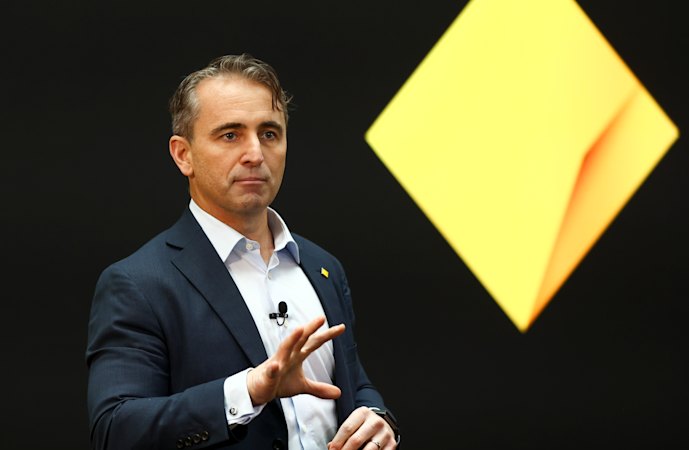
The nation's largest lender, CBA, found new lending for solar and batteries increased 35% in the March 2026 quarter, and had doubled in comparison to the September quarter figures.
“Home electrification is gaining real momentum, driven by growing consumer awareness of its benefits and a broader range of accredited installers,” general manager consumer lending Paul Nicolo says.
“Increased competition is giving households more choice and helping make upfront costs more manageable.
“We’re seeing households spend, on average, under $17,000 to install solar and battery systems after rebates and cashback offers - with break-even periods potentially being realised shortly after installation to within a few years.”
Queensland-based Mortgage Choice broker Dan Cooke says many mortgage holders do not know the loans exist, despite an uptick in interest around energy efficiency.
Queensland-based Mortgage Choice broker Dan Cooke. Picture: Mortgage Choice
“There's definitely growing demand for green technologies (solar, batteries, etc) in the market,” he says. “Rising energy costs and cost of living pressure are heavily contributing to that, driving consumers to explore new ways to ease the pressure."
Ms Pannek agrees borrowers may not know to ask specifically for green lending.
“They are more likely to talk about reducing energy bills, installing solar or a battery, improving heating and cooling, renovating or purchasing a more energy efficient home," she says.
In support, the introduction of green loans allow lending for the purpose of "green" environmentally friendly products or technology.
Borrowers don't often know how to take advantage of green lending. Picture: Getty
Mr Cooke explains the requirements for green finance vary from one lender to the next, so it is important to seek advice.
“A good, experienced broker can get a broad understanding of your current position, needs and any future plans,” he says. “From there they'll assess all of the options available to you and ensure that the structuring of your loans is working for you and aligned with your goals.
“Right now it's more important than ever to be informed, and take action to put yourself in the best position to combat these ever-increasing living costs.”
According to Mr Cooke, the biggest difference in a green loan comes down to interest rates.
“If you can show what you're using the funds for, so for example, if someone has a mortgage and then they want to get $20,000or $30,000 for solar and battery, or any of the technologies that qualify… you can have a separate loan split that gets a lower rate,” he explains.
The demand for energy efficient homes has been enormous in the past decade or so, Mr Cooke adds.
“When you look at new builds …15 to 20 years ago solar was a real optional upgrade that no one was really doing. Now, it's included in a lot of the new builds from the start.
"People are putting it into their homes because of the ever rising energy costs so that creates demand, and where there's demand, it's kind of at the forefront of consumers' minds.”
Help us improve your reading experience
Got a minute? Your feedback will help us build a better experience for you.