First published 14 Nov 2026, 3:30am
Housing demand is weak across the vast majority of Sydney – but not everywhere, new research shows.
Boom conditions have emerged in a resilient pocket of Sydney suburbs as one of the biggest downturns on record continues to sweep the rest of the city, plunging prices to three-year lows in some areas.
New research by analytics group Hotspotting revealed the current slump has not touched everywhere and prices were primed to quickly rise in 10 unit markets – even as record falls continue elsewhere.
Hotspotting indicated these areas had a dwindling supply of housing stock at a time of growing demand that was being fuelled by lifestyle buyers seeking more affordable prices.
Many of the buyers were coming to these areas from more expensive parts of the city, armed with bigger budgets, and could bid up prices on the properties they liked.
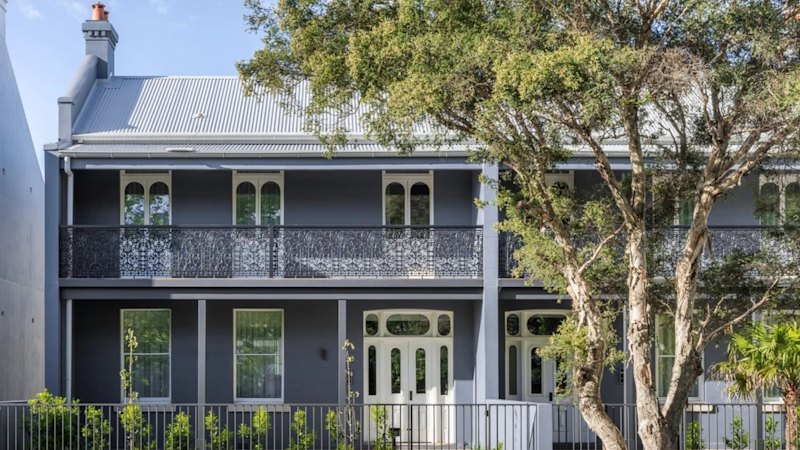
Prices have also been falling across most of Australia, including in Sydney, Melbourne, Brisbane, Perth and Adelaide. Picture: Tony Gough
Hotspotting measured conditions in 662 suburbs across Sydney using a Thermometer Index that classified areas into cold, cool, neutral, warm and hot, depending on local supply and demand dynamics.
Hotspotting confirmed most of Sydney lacked conditions for growth. Only 10 Sydney areas were deemed hot, down from 114 that had this classification last year.
Markets currently labelled hot included units in north shore suburbs McMahons Point and Lane Cove North, along with eastern suburbs Paddington and Clovelly.
Other hot markets were in Sydney’s south and southwest, including units in Oatley, Jannali, Monterey and Padstow.
Units in inner west suburb Stanmore and in northern beaches suburb Balgowlah rounded out Sydney’s only “hot” markets.
Hotspotting general manager Tim Graham said much of the recent discourse around the housing market failed to capture just how different conditions were from suburb to suburb.
“The market across Australia has cooled overall, but there’s still nearly a thousand local markets that are warmer than a year ago,” Mr Graham said.
“Why I think that’s important is that it’s not a complete freefall across Australia. It’s a lot more fragmented than that. We call it more of a market rotation.”
The report’s fundamental index tracks live market friction: inventory, auction clearances, sales above asking, vacancy rates, days on market, and quarterly momentum.
Across Sydney, 27 suburban markets dropped into the freezing “cold” band, with house markets facing the deepest chill in demand due to affordability barriers, while 152 suburbs were labelled “cool”.
By contrast, the 10 hot apartment markets had thin stock and listings were getting absorbed quickly.
Nearly 47 per cent of Sydney, 312 suburbs, had neutral conditions, according to Hotspotting.
It comes as realestate.com.au data showed prices in other parts of Sydney well below levels recorded last year – and, in some cases, well below levels recorded in 2022.
Suburbs where prices (units) were more than 10 per cent cheaper than in 2022, on average, were north shore suburbs Crows Nest and neighbouring St Leonards, along with inner west enclaves Annandale and Glebe, among others.
Help us improve your reading experience
Got a minute? Your feedback will help us build a better experience for you.