



Follow our live coverage of the Israeli election here.
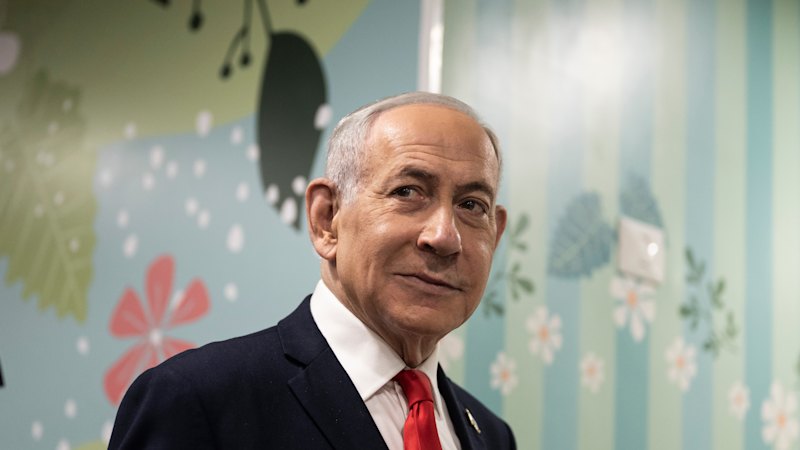
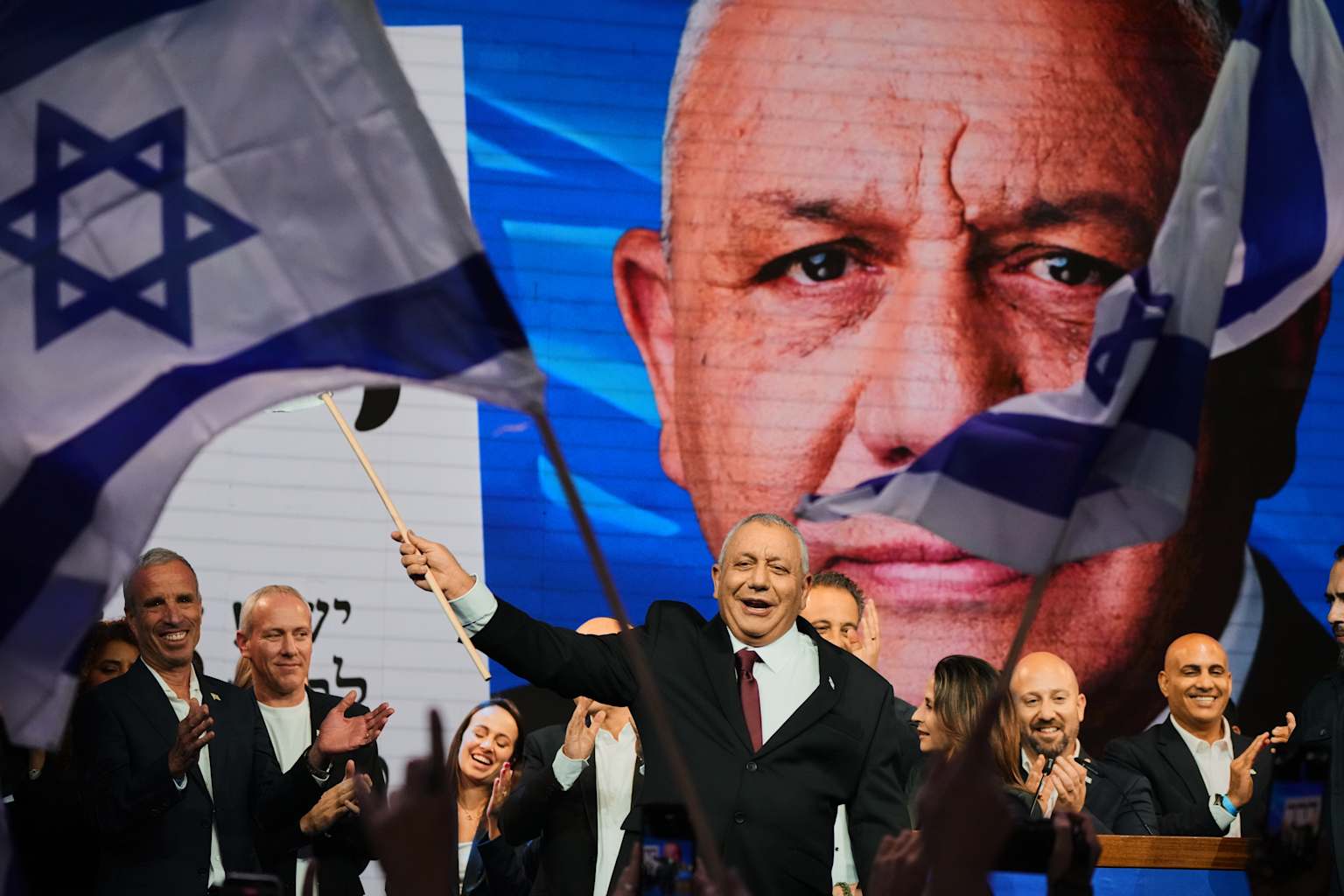
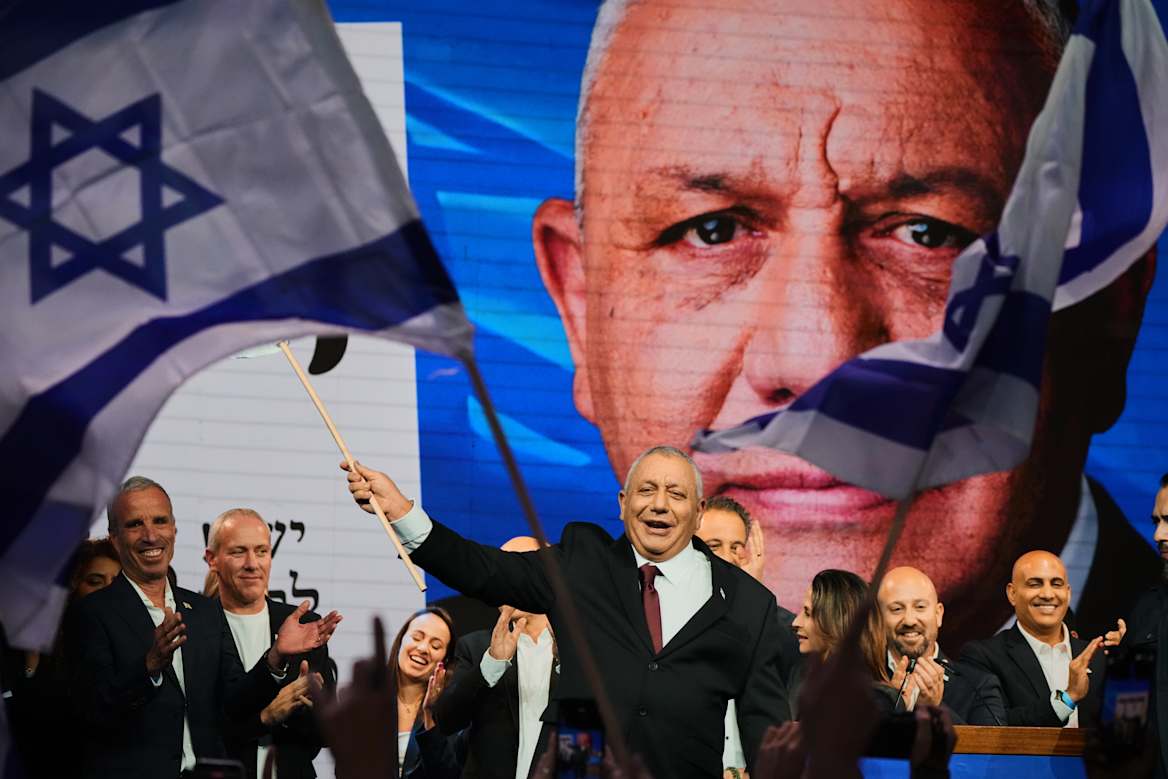
The Israeli elections have, at least for now, produced a deadlock, with neither the pro nor anti-Benjamin Netanyahu blocs able to form a majority in their own right.
The latest results show Netanyahu’s bloc winning 54, the opposition bloc led by Gadi Eisenkot on 47 and the Arab parties on 19. The key number is to reach at least a 61-seat parliamentary majority, although it is technically possible to govern in minority.
What happens once the votes are counted?
Israeli President Isaac Herzog will consult all the party leaders to inquire who they could support as prime minister. Based on these discussions, he will give one of the party leaders a chance to form a governing coalition.
This is expected to be Netanyahu, given his Likud party has easily won the most seats in the Knesset, the Israeli parliament. This is not always the case, however. In 2021 Naftali Bennett became prime minister despite winning only seven seats in the elections. The president’s chosen candidate will have 28 days, and an additional 14 days if they ask for it, to form a government. If not, then someone else will be given a chance.
Seats in the Knesset, are allocated by proportional representation to national party lists, with parties needing to pass a threshold of 3.25 per cent of the national vote to secure seats. About a dozen parties are widely thought to have a chance of crossing the threshold, so the final tally and seat allocation will take time.
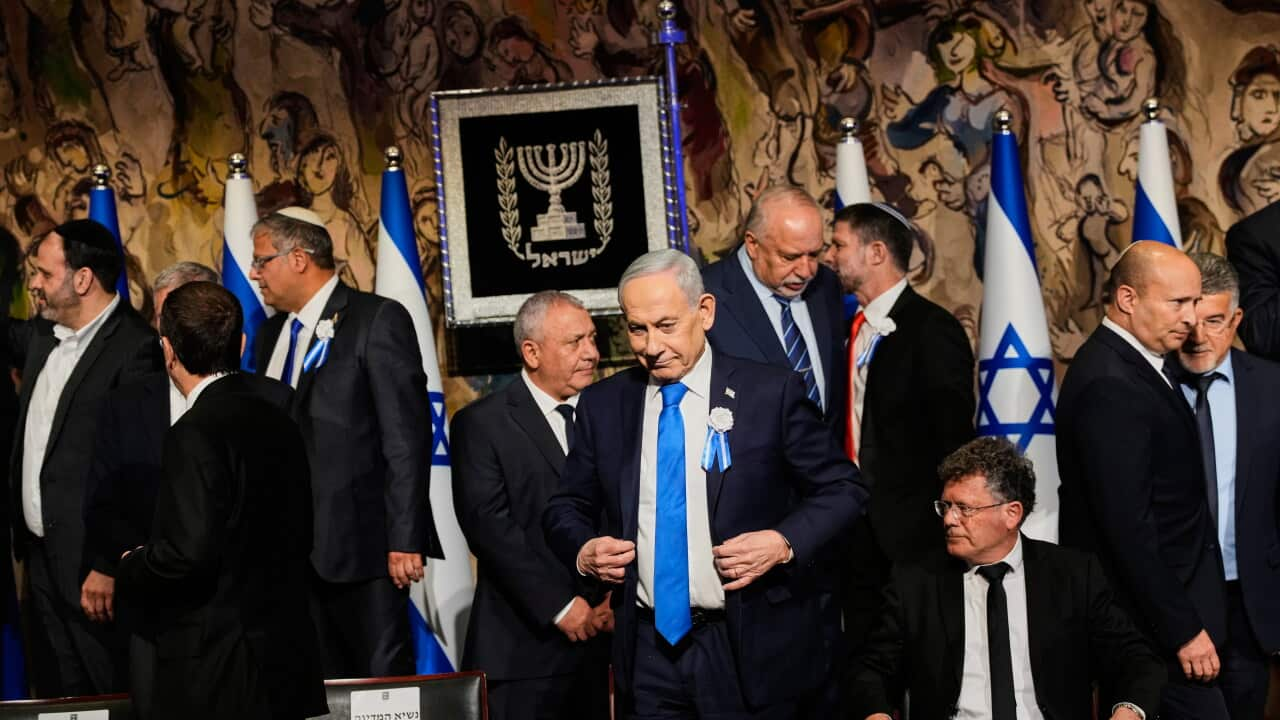
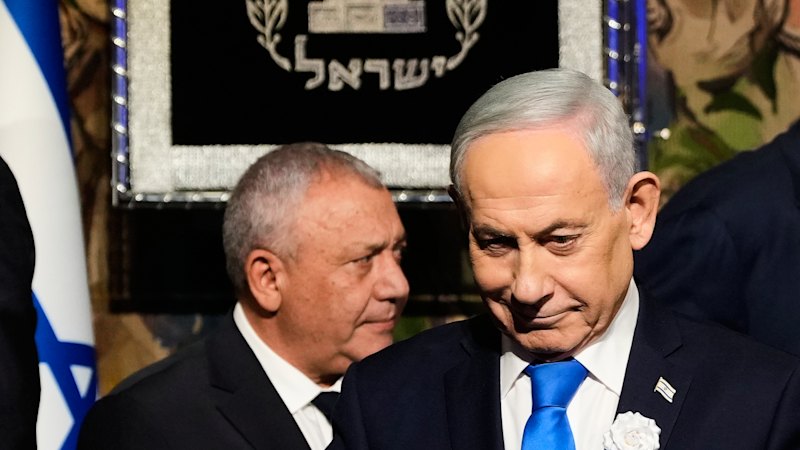
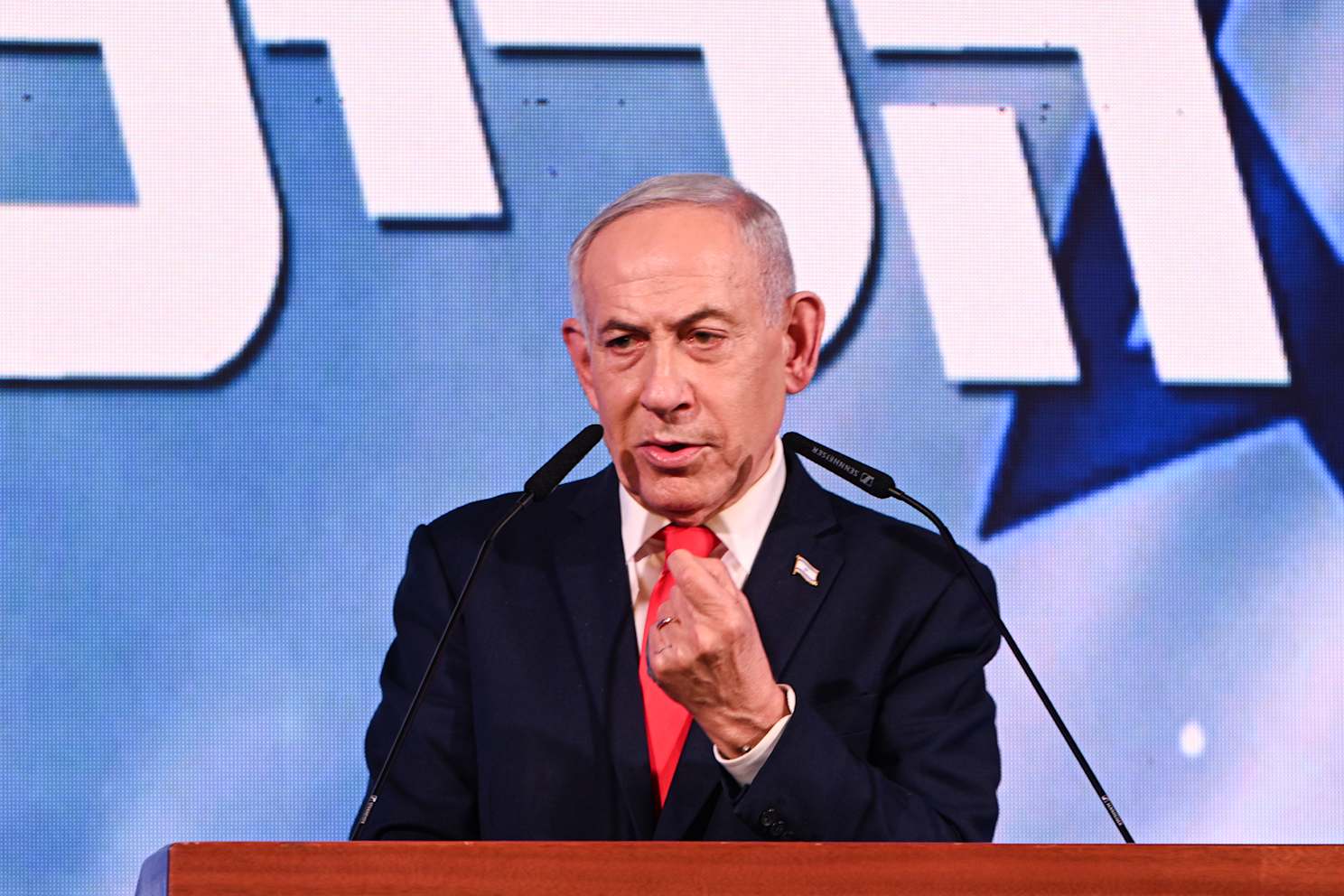
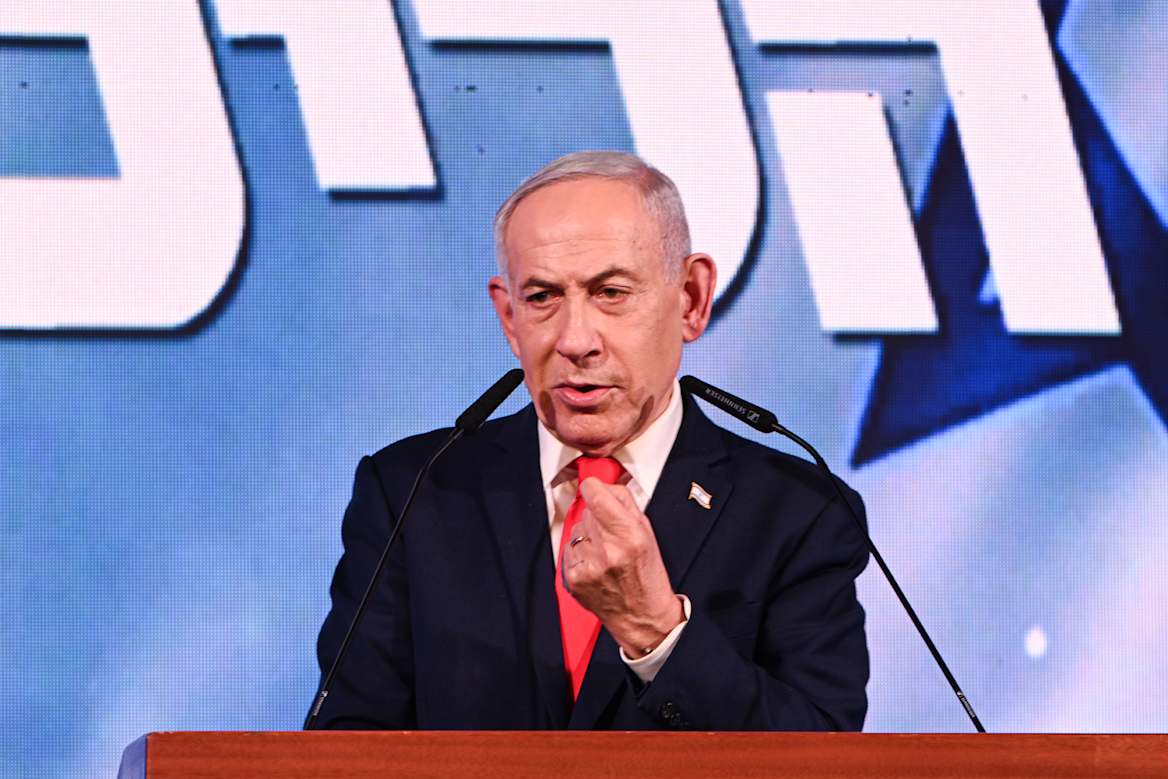
In his speech to supporters after polling booths closed, Netanyahu said: “The right-wing bloc has a clear, decisive majority among the Zionist public, among the Jewish public and all those who support the state.”
For this reason, he said Israelis “need a right-wing, national, strong government. That’s what has to be done.” As yet, he has shown no sign of abandoning his ultra-Orthodox and far-right coalition members.
Left-wing Democrats leader Yair Golan implored the opposition to form a government with the support of the Arab parties.
“Anyone who tries to erase the voices of Arab citizens is surrendering to Netanyahu and giving up on Israel,” he said on social media.
“We have a majority. We have responsibility. And we have an opportunity to form a government of change in partnership with Israel’s Arab citizens. A government that will serve all Israeli citizens.”
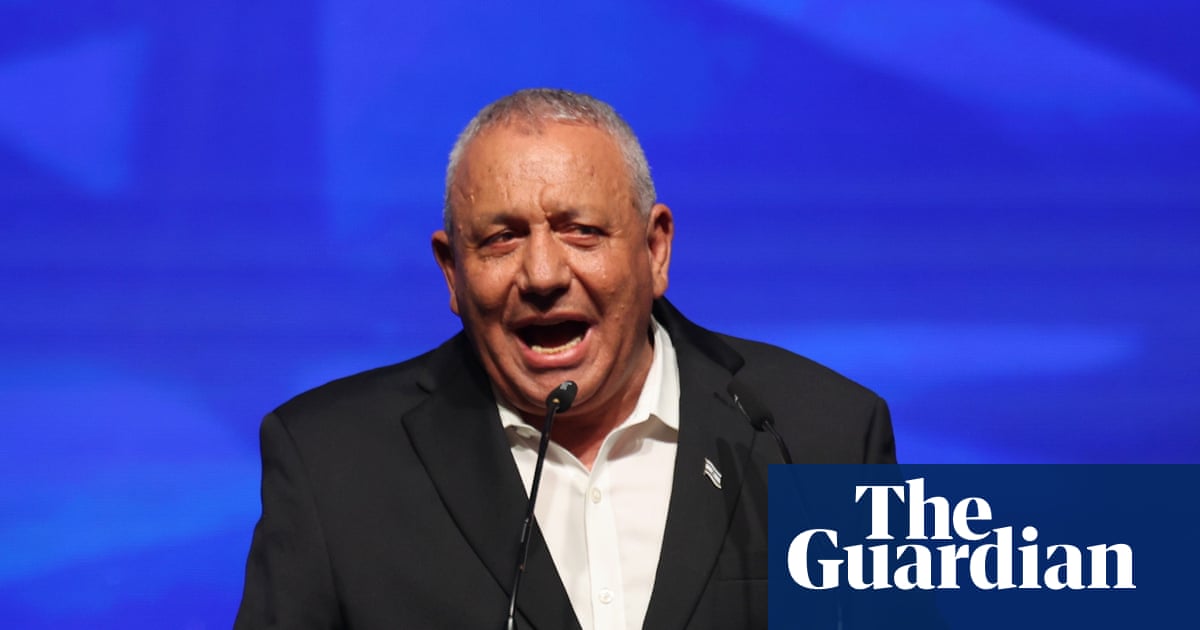
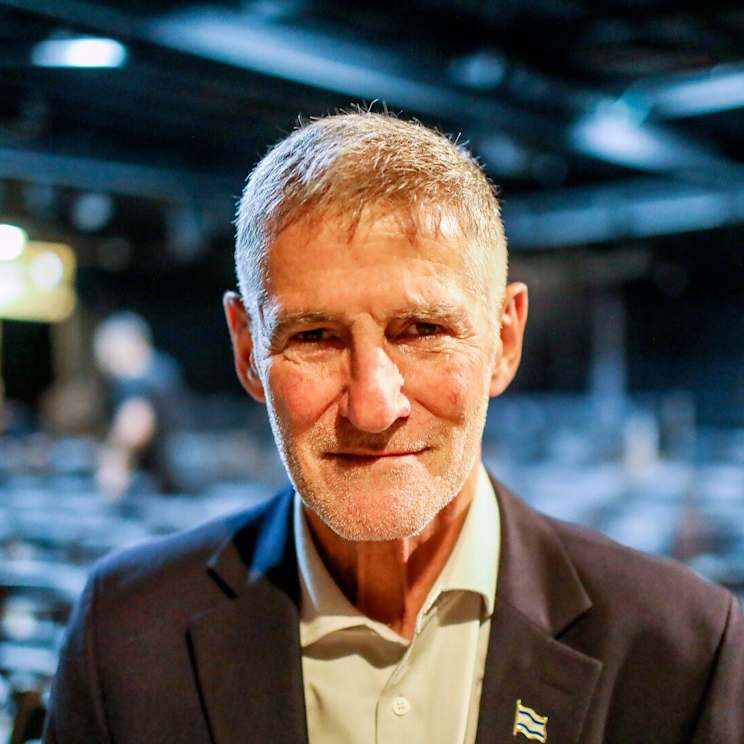
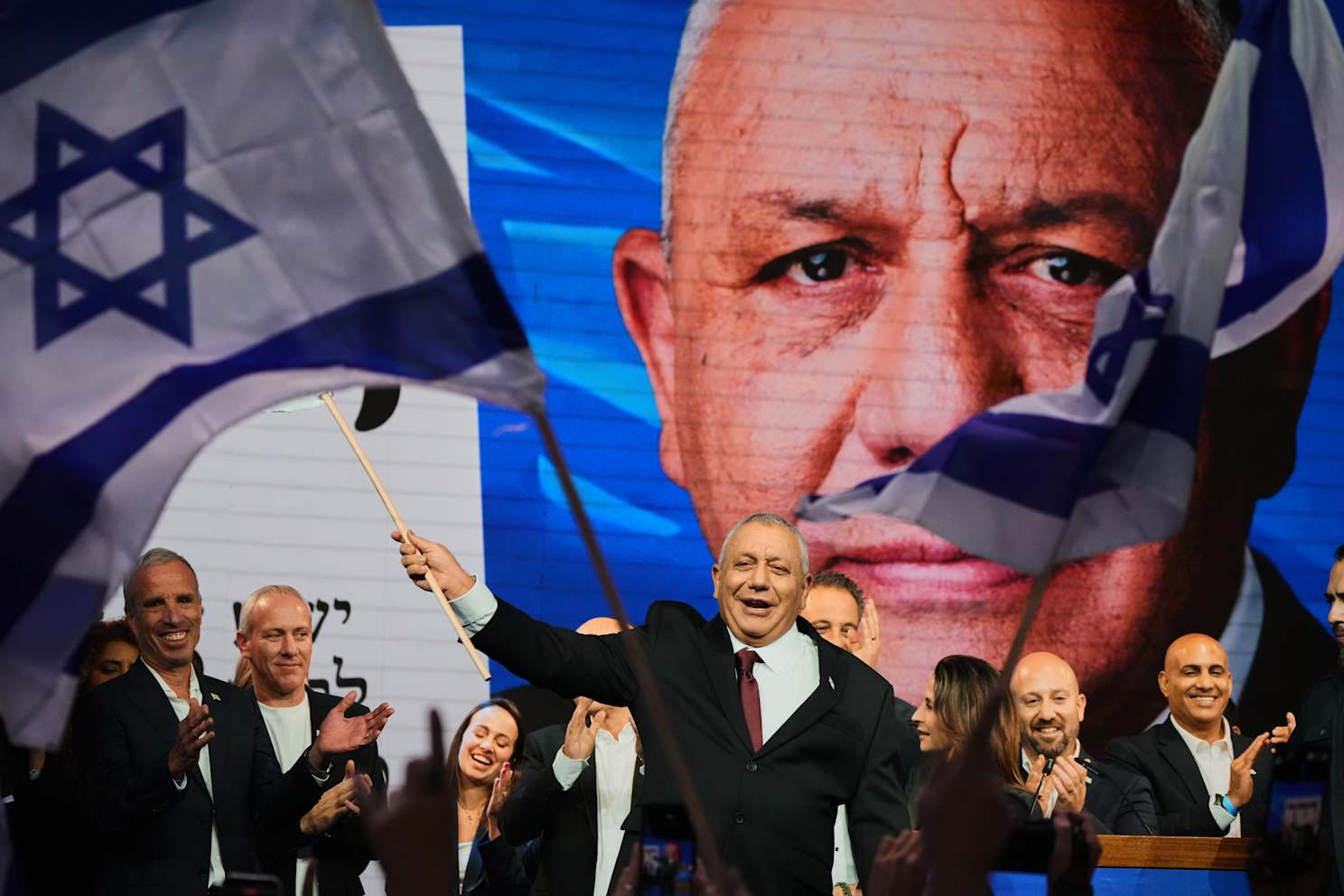
Eisenkot vowed to do “everything to fulfil the people’s will,” saying that calling another election would be “a mistake”.
He said he would “do everything in my power to build a Zionist, pro-IDF [Israeli Defence Forces] enlistment government”, while warning Netanyahu not to play with national security for political gain.
United Arab List leader Mansour Abbas said: “If we join a government of change, we will be able to see substantial changes, not just empty talk.”
How would another round of elections work?
What happened in the 2019-2022 period could be a guide to Israel’s immediate future.
When Israelis voted in April 2019, Netanyahu’s Likud party and the Blue and White alliance led by former military chief Benny Gantz finished tied on 35 seats each. Neither could form a majority so Netanyahu remained as prime minister until Israelis voted again in September.
Again, the results were virtually a tie, so Israelis headed to the polls again in March 2020. This time Gantz agreed to a power-sharing arrangement, but he was never able to take up the prime ministership because the Knesset was dissolved before he had a chance.
At the March 2021 elections, Likud was again easily the biggest party but opposition leaders Yair Lapid and Naftali Bennett cobbled together a governing majority with the support of the United Arab List. That government lasted for around 18 months before it fell apart, triggering new elections and Netanyahu’s return to power.
You have reached your maximum number of saved items.
Remove items from your saved list to add more.
You've used all of your gift articles. 3 more will become available on the 1st of every month.