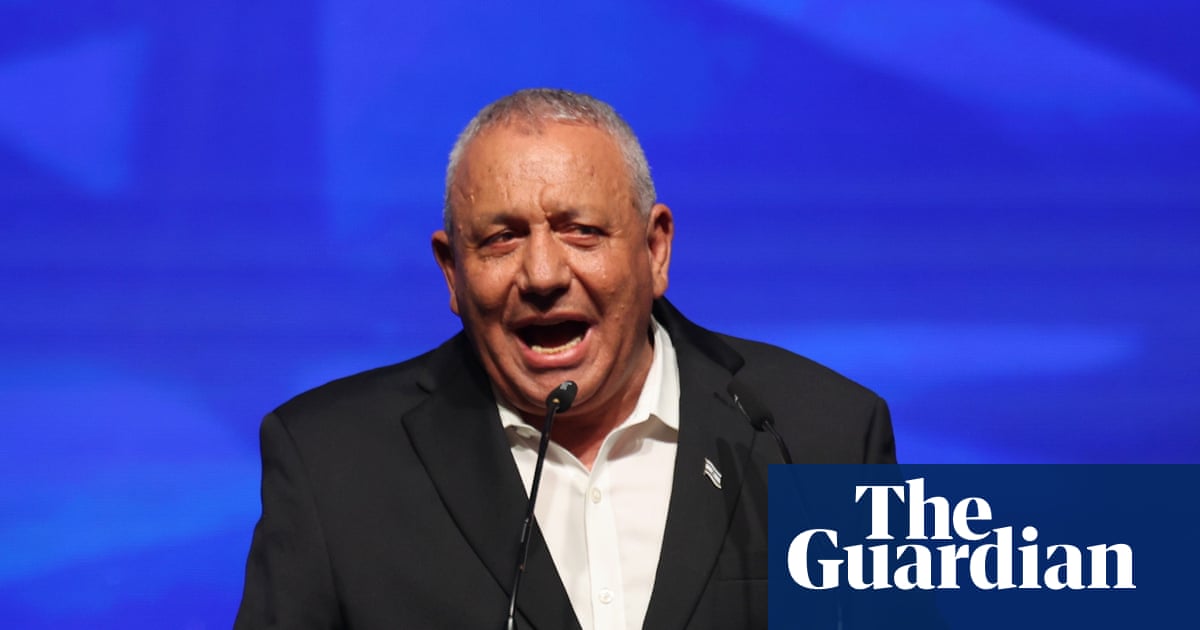
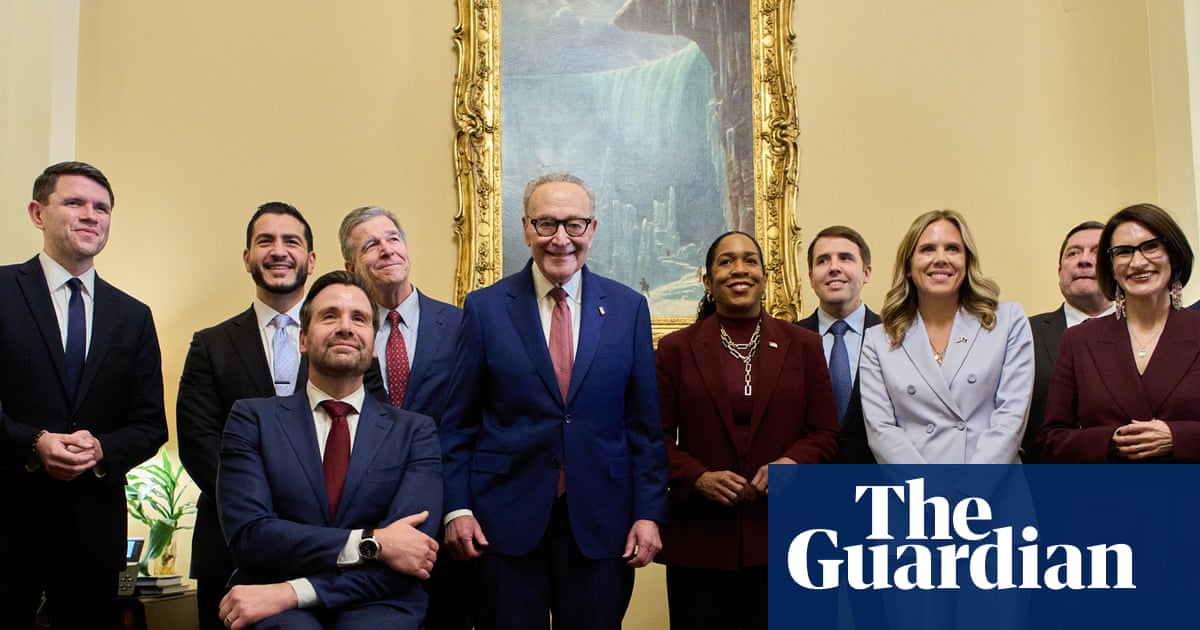
Israel's new parliament will be sworn in on Tuesday, as opposition leader Gadi Eisenkot seeks to oust caretaker Prime Minister Benjamin Netanyahu.
The former army chief was tasked with forming a government by the president, after he received the backing of 67 members of the 120-seat Knesset, compared to 46 for Netanyahu.
But Eisenkot faces an uphill struggle. His bloc of four parties won 48 seats in last month's election, while Netanyahu's bloc won 53, leaving both short of a majority. He has 28 days to build a coalition, with a possible two-week extension.
Almost half of the MKs being sworn in did not serve in the previous parliament, while Arab-led parties have a record number of seats.
The outcome of the election, which was widely seen as a referendum on Netanyahu, means there is a period of uncertainty over who will form the next government. Netanyahu will remain caretaker prime minister until then - a process which could take from days to months.
One of the most dramatic results was the performance of Israel's two Arab-led alliances - the United Arab List and the Joint List - which won an unprecedented 19 seats between them following a surge in turnout among Arab voters.
The Arab parties could therefore hold the balance of power, although Netanyahu has ruled out governing with them and three of the parties in Eisenkot's bloc have opposed including them in a coalition.
On Sunday, President Isaac Herzog tasked Eisenkot with trying to form a government.
Speaking at the president's residence, the centrist Yashar party leader called for the formation of a "national emergency government" - an implicit appeal to parties to put ideological differences aside to remove Netanyahu from office.
This, he said, would "require creative and unconventional political steps".
Eisenkot said any party or MK prepared to accept four principles could join his proposed government. Those are recognition of Israel as a Jewish and democratic state; accepting the values of the Declaration of Independence; backing mandatory military, national or civilian service for all, including communities currently exempt; and recognising Hamas as a terrorist organisation and committing to dismantling its military and governing capabilities.
The four requirements, however, could present significant obstacles to Eisenkot's potential partners.
The conscription of ultra-Orthodox Jewish men, who are exempt from military service if they are in full-time religious study, was a major election issue.
The ultra-Orthodox United Torah Judaism (UTJ) and Shas parties, which won 13 seats in total, have fiercely objected to attempts to change the status quo - something that all parties in Eisenkot's bloc campaigned to do.
Eisenkot's four principles are also contentious for the Arab parties. Both emphasise equal national and civic rights for Israel's Arab citizens, who form about 20% of the population; the vast majority of Israeli Arabs are not required to serve in the military; and neither has publicly recognised Hamas as a terrorist organisation.
The Arab parties could, though, help Eisenkot form a minority government. The United Arab List, which won eight seats, has said it is willing to be part of an Eisenkot-led coalition, while the Joint List, which won 11 seats, has offered parliamentary support from the outside.
If Eisenkot accepted such an arrangement, he would still have to persuade other parties in his bloc to agree. Avigdor Lieberman, whose Yisrael Beiteinu party won seven seats, has so far refused to join a minority government dependent on Arab MKs.
In return for their support, the ultra-Orthodox parties would be likely to demand major concessions on military conscription, which might be unacceptable to most of the parties in Eisenkot's bloc.
Netanyahu - Israel's longest-serving leader - reiterated in a video on Monday his call for the formation of a government of national unity, which he said he would lead as prime minister.
He said any Zionist party - those which support Israel as a Jewish state - including opposition parties, would be eligible. He warned against a government which relied on what he called "the Islamists", an apparent reference to Arab parties.
"You cannot form a government with Hamas supporters," he said.