By Elfy Scott , Rashida Nour , Josie Harvey
With neither Israel Prime Minister Benjamin Netanyahu nor his main rival, Gadi Eisenkot, able to secure a clear majority in Israel's election, parties led by Arab citizens of Israel could become kingmakers as the leaders look to secure coalitions.
Initial exit polls from Tuesday's election indicated Eisenkot's opposition bloc of centrist, right and left-wing parties has won the most seats, but may have fallen short of the 61 seats needed to form a majority in the 120-seat Knesset.
While Netanyahu and Eisenkot have so far remained steadfast that they will not form alliances with Palestinian Israeli-led parties, they may need their support in the coming weeks to prop up a minority government.
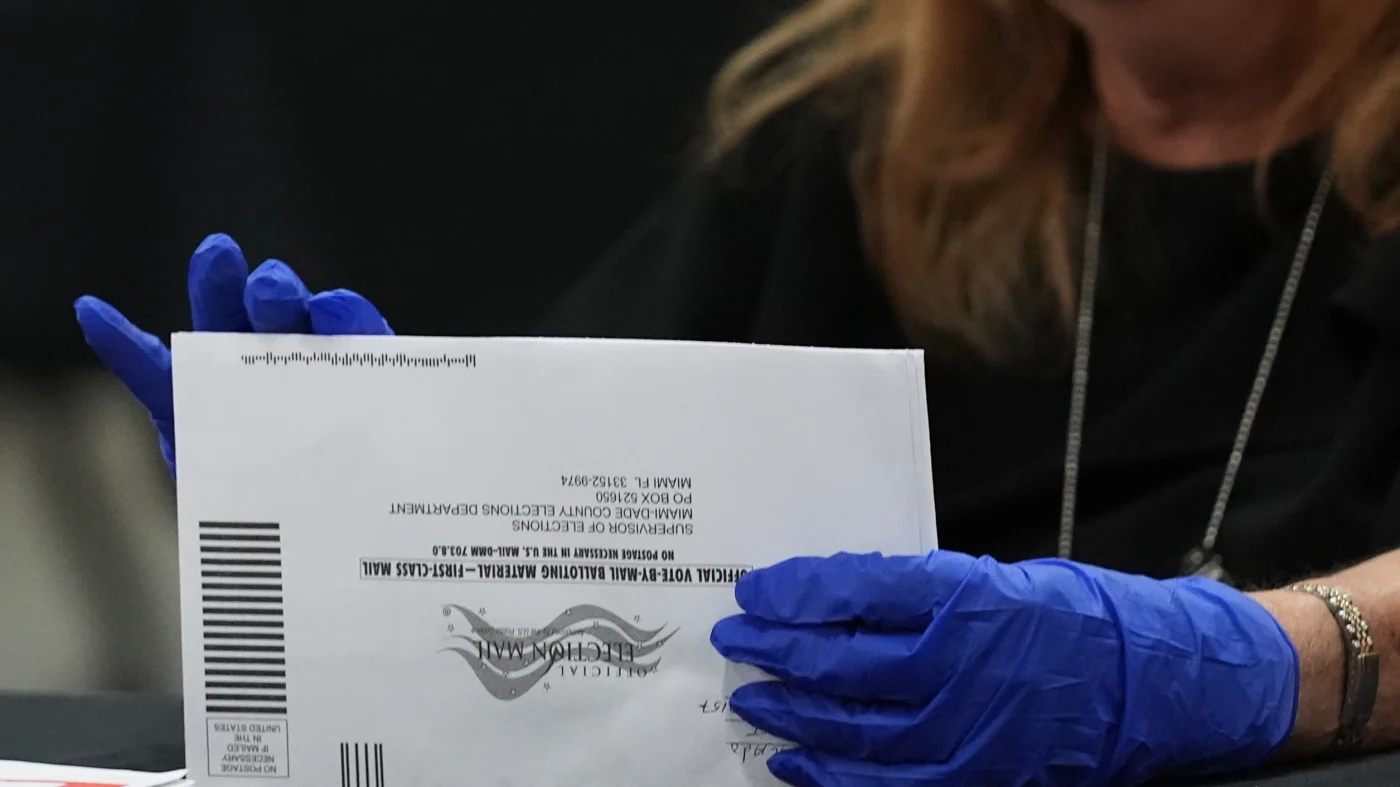
Earlier today, Israel's election committee published the first batch of official results after more than 7.3 million ballots were cast in the national election ( the highest number in more than two decades).
Your trusted source for staying up-to-date with the world around you. Get free daily news updates and analysis, straight to your inbox.
Ballots will continue to be counted throughout the morning (local time), with clearer results expected in the coming hours. As parties negotiate to form a coalition government, a winner could be weeks away.
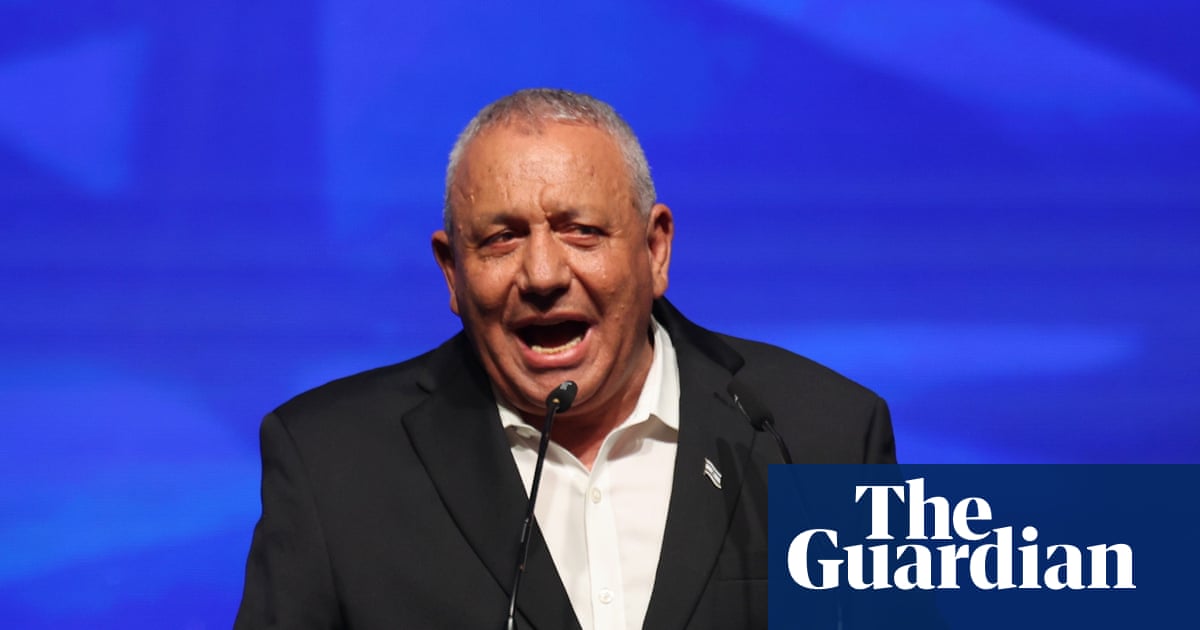
Meanwhile, both leaders have addressed their supporters, with Yashar party leader Eisenkot vowing to do everything in his power "to form a Zionist government that serves all".
Likud party leader Netanyahu announced to a cheering crowd at the party headquarters that they must "establish a strong, right-wing national government" and repeated his pledge not to work with the Arab parties.
Ian Parmeter from the Centre for Arab and Islamic Studies at the Australian National University told SBS News that with neither frontrunner able to secure a majority, Arab-led parties could now be "kingmakers" after Arab citizens of Israel turned out "in force".
Arab-led parties Ra'am, a conservative Islamist party and the Joint List, an alliance of several Arab parties, appear to have gathered considerable support in calling for voters to block Netanyahu's coalition from returning to power.
"[Palestinian citizens of Israel] are about 21 per cent of the Israeli population and a very considerable voting bloc when they decide to move — and they appear to be, from the exit polls, to be possibly getting as many as 18 seats, which will mean they will be the kingmakers," Parmeter said.
Palestinian citizens of Israel tend to have low voter turnout in elections. However, a groundswell of voters prompted Netanyahu and his far-right coalition partners to warn their supporters of surging Arab voter turnout — a tactic Arab politicians denounced as racist and inflammatory.
"If we don't wake up now, we'll find ourselves with a government of Mansour Abbas and Ahmed Tibi," Netanyahu said in a post, referring to the leader of the Ra'am party and a Joint List leader, respectively.
In another post on X, Netanyahu shared an AI-generated video of Abbas, the leader of the Israeli Palestinian Ra'am party, warning: "Don't give them the keys to the country."
Abbas called for voters to replace the Netanyahu government.
"We want to replace the right-wing government ... to end the wars and these policies, to stop the expansion of settlements and to address the failure to stop settler attacks," Abbas said.
"We also want a government that brings shared security and peace for Palestinians and Israelis."
Yasmeen Abu Fraiha, a Palestinian doctor in Israel, told SBS News Arab parties and the Arab community were the "real winners" in the election.
"This is an exciting day for us. We voted against racism, against violence and against dictatorship," she said.
Both Eisenkot and the prime minister have rejected the idea of forming a coalition with the Arab parties, fearing any alliances could alienate right-wing voters.
Netanyahu reiterated this position during his speech to supporters on Tuesday evening, asking how it would be possible to "join forces with those who attack our servants, our IDF [Israel Defense Forces] soldiers. Those who not only do not serve the state, but serve the enemies of the state."
Eisenkot has also remained firm, telling a podcast this month that he will not align himself "with any Arab party", citing among other issues their refusal to label Hamas a terrorist organisation.
While Arab parties have voiced an openness to negotiating with Eisenkot's bloc, most of its members have also rejected an alliance.
However, Parmeter said that it is unclear what the parties will decide in the weeks to come, as Eisenkot and Netanyahu may face weeks of trying to "cobble together a coalition" to form government.
"What people say before the election and what they do after the election can be can be very different things — and not just in the Israeli system. So we'll have have to wait and see," Parmeter said.
"The other thing is that the the Arab parties may come to some means of a tacit alliance, perhaps not actually forth-going into government with either Netanyahu or with Eisenkot."
Ran Porat, a lecturer and analyst on Israel and Middle Eastern Affairs from Monash University, told SBS News that it is still early and there are many other options both leaders could explore before forming alliances with the Arab parties, including a unity government involving both Yashar and Likud and alternative coalitions.
Porat also said the political consequences should Eisenkot choose to form an alliance with Arab parties after the election are unclear.
"In that scenario, with some sort of partnership with the Arabs, would mean that Eisenkot and his other partners will have to explain how they broke their promise not to sit with Arabs in the government or with non-Zionists in the government."
— With additional reporting by the Australian Associated Press, Reuters and Associated Press.