Inflation has pushed up to 4.3 per cent due to a surge in petrol prices and a pick-up in the cost of building homes, putting pressure on the Reserve Bank to lift interest rates at its meeting next week.
Figures from the Australian Bureau of Statistics showed that headline inflation jumped to 4.3 per cent in September after being at 4 per cent in August. It is the highest monthly inflation rate since March when it was 4.6 per cent.
The closely watched underlying measure of inflation was 3.6 per cent. It was up slightly from the August report which had been revised down to 3.5 per cent.
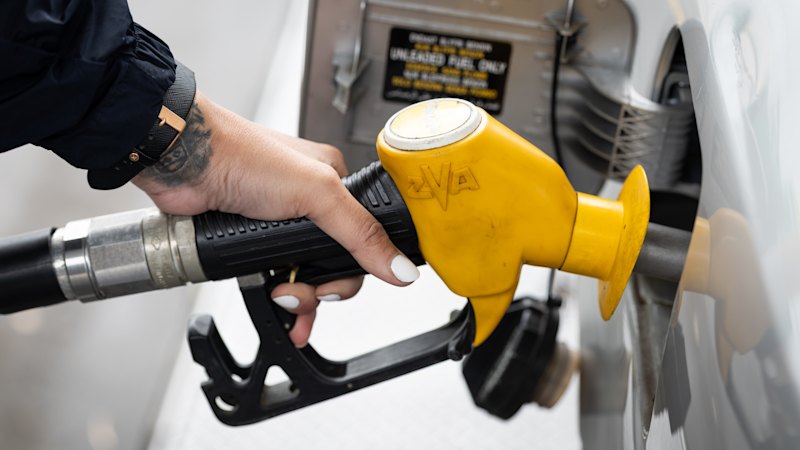
The bureau noted that petrol prices jumped by 9.4 per cent in September after a 14.8 per cent increase in August. Over the past year, petrol prices have climbed by almost 24 per cent.
Annual inflation for housing costs lifted to 5.2 per cent, with the bureau reporting new dwelling costs up by 4.7 per cent as builders passed on higher construction and labour costs. This was an improvement on the 12 months to August when it was running at 5.4 per cent.
There have also been large increases in overseas and domestic holidays, partly driven by higher oil prices and also from the AI data centre construction boom. Costs of games and toys have lifted by 15.5 per cent over the past year with the bureau attributing much of that to the global increase in memory and computer storage component.
Food inflation lifted to 3.2 per cent from 3 per cent, largely due to a lift in the cost of takeaway food which reported higher operating and ingredient prices.
Inflation is only below the 4.3 per cent national rate in one city, at 4 per cent in Melbourne, while it is at 4.3 per cent in Sydney.
Inflation is much higher in Adelaide (5 per cent), Hobart (5.3 per cent) and Darwin (5.2 per cent).
In a concern for the RBA, inflation for tradeable goods and services – usually lower than non-tradeable goods and services – jumped sharply in the month in an indication of the impact of high oil prices.
Tradeable inflation lifted by 1.2 per cent, double the rate of non-tradeable at 0.6 per cent.
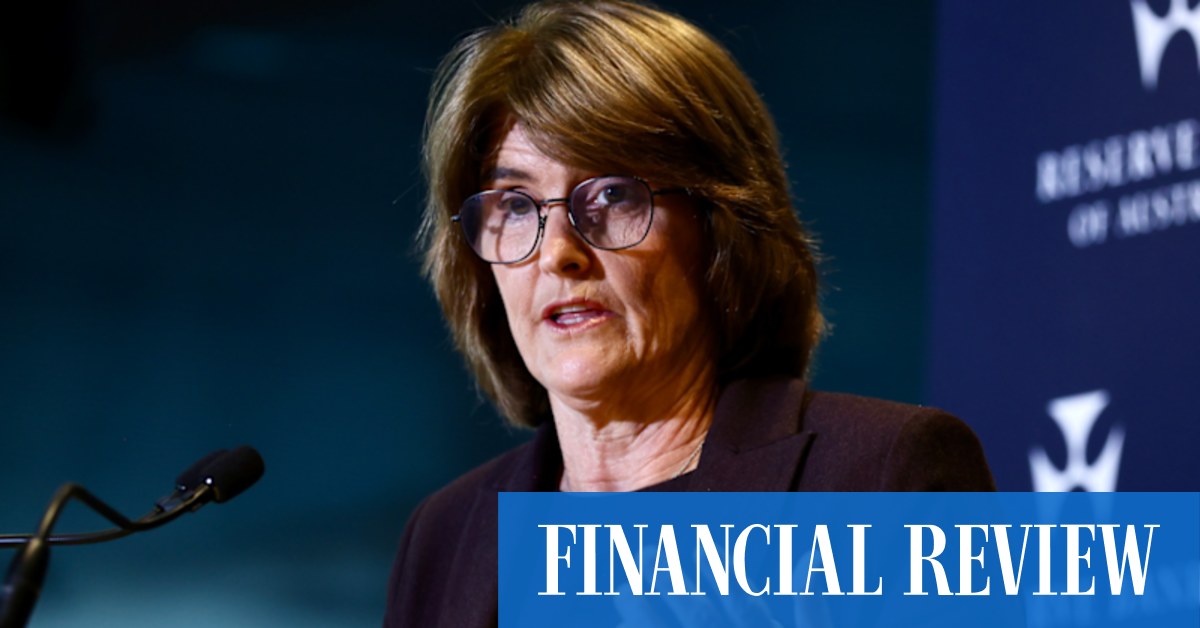
Reserve Bank deputy governor Andrew Hauser, speaking to a senate estimates hearing as the inflation was made public, noted that the overall result was largely in line with market expectations.
“These are too high. We have said that repeatedly, and I’m sure that we will say that again today,” he said.
The ASX200 fell by 0.4 per cent after the figures were released while the Australian dollar pushed up on higher expectations that the Reserve Bank will go through with its fifth interest rate hike this year when it meets on Tuesday.
The figures followed testimony by Treasury secretary and Reserve Bank interest rate committee member Jenny Wilkinson, who warned that global economic conditions are becoming more difficult to absorb.
In an opening statement to a senate estimates hearing this morning, Wilkinson said across the world there were continuing “geopolitical disruption and uncertainty, elevated inflation, increased demand for capital and tighter financial conditions”.
The RBA is due to meet next week with financial markets putting the chance of a further interest rate rise at better than 60 per cent.
Wilkinson said inflation, which is due to be updated today by the Australian Bureau of Statistics, was above the RBA’s 2-3 per cent target but there were signs previous rate hikes were affecting the economy.
“The impact of increases in interest rates are becoming evident in the economy including in the labour and housing markets which should assist in returning inflation to target,” she said.
Wilkinson noted the domestic and global economies were being shocked by the fallout from the war in the Middle East and between Russia and Ukraine.
“With global pressures more persistent they are becoming more difficult to absorb, this is particularly evident in global energy markets.”
Wilkinson also pushed back at suggestions from the Coalition that government spending is one of the main drivers of inflation in the economy.
Under questioning from Liberal deputy leader Jane Hume, Wilkinson said one of the biggest surprises over the past 18 months had been the improvement in the budget bottom line.
Hume pressed Wilkinson about the level of public spending amid claims from many economists that the government should cut expenditure in a bid to reduce inflation.
But Wilkinson said in terms of the budget bottom line, there had been a sharp and unexpected improvement.
“If you’re arguing that net fiscal position, the changes in the net fiscal position have contributed to this increase in inflation that we have observed over the last 18 months, then I think it’s very hard to sustain that argument,” she said.
“I think about the 25-26 budget [and] and the 26-27 budget, in all of those cases the net impact of fiscal policy on the macroeconomy in 25-26 and 26-27 has been reduced.”
Wilkinson noted that at the mid-year update to the 2024-25 budget released in December 2024, Treasury forecast a deficit of $27 billion. Instead, it came in at $10 billion.
The 2025-26 budget deficit had been forecast at $42.8 billion, but it finished at $22.3 billion.
The most recent budget was originally forecast for a deficit of $36 billion and that has come down to $31 billion. Recent Finance figures suggest the budget has improved by several billion dollars on that level.
Cut through the noise of federal politics with news, views and expert analysis. Subscribers can sign up to our weekly Inside Politics newsletter .
You have reached your maximum number of saved items.
Remove items from your saved list to add more.
You've used all of your gift articles. 3 more will become available on the 1st of every month.