Nepal and India on Monday agreed to make the Kathmandu-Bhairahawa-Lucknow air route operational in both directions, 17 years after Nepal first pressed India for additional international air entry points to ease congestion at Simara and facilitate flights to the country's two new international airports.
However, key technical details, particularly the flight altitude that aircraft will be permitted to maintain while entering Nepal through Indian airspace, have yet to be finalised by the civil aviation authorities of the two countries.
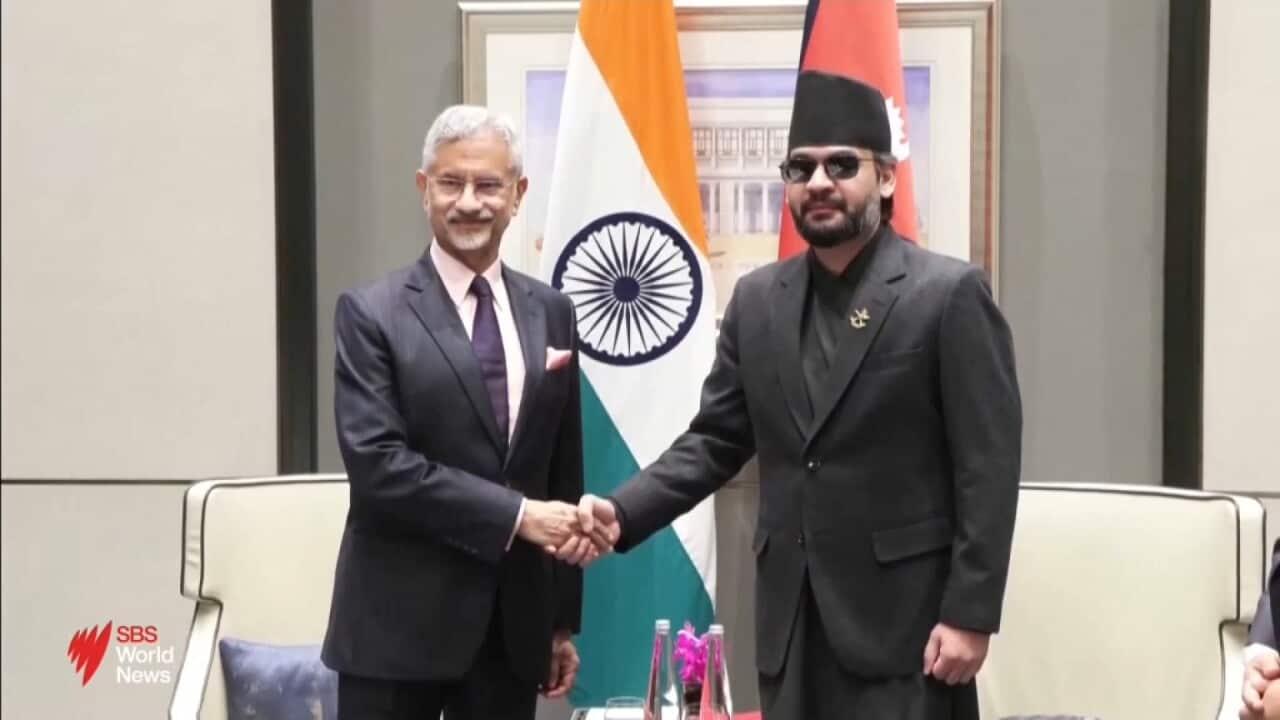
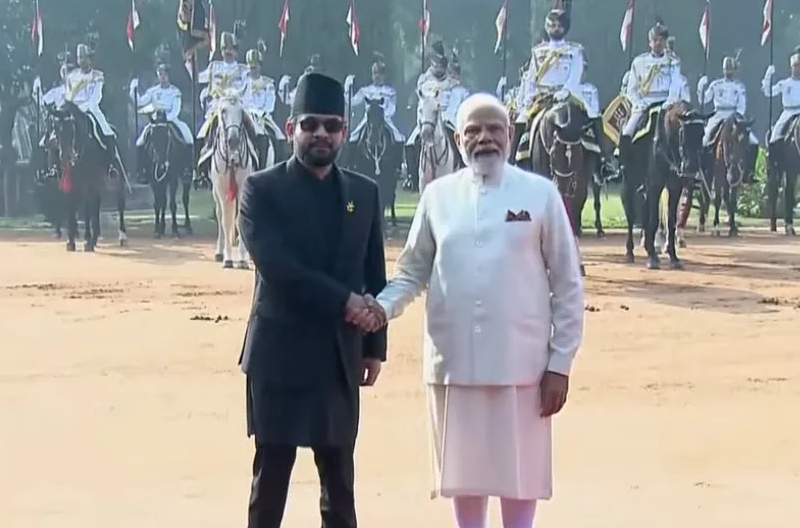
The Joint Press Release on the State Visit of the Prime Minister of Nepal to India states: “The leaders noted the ongoing discussions on civil aviation matters, aimed at enhancing connectivity and boosting bilateral economic engagement.
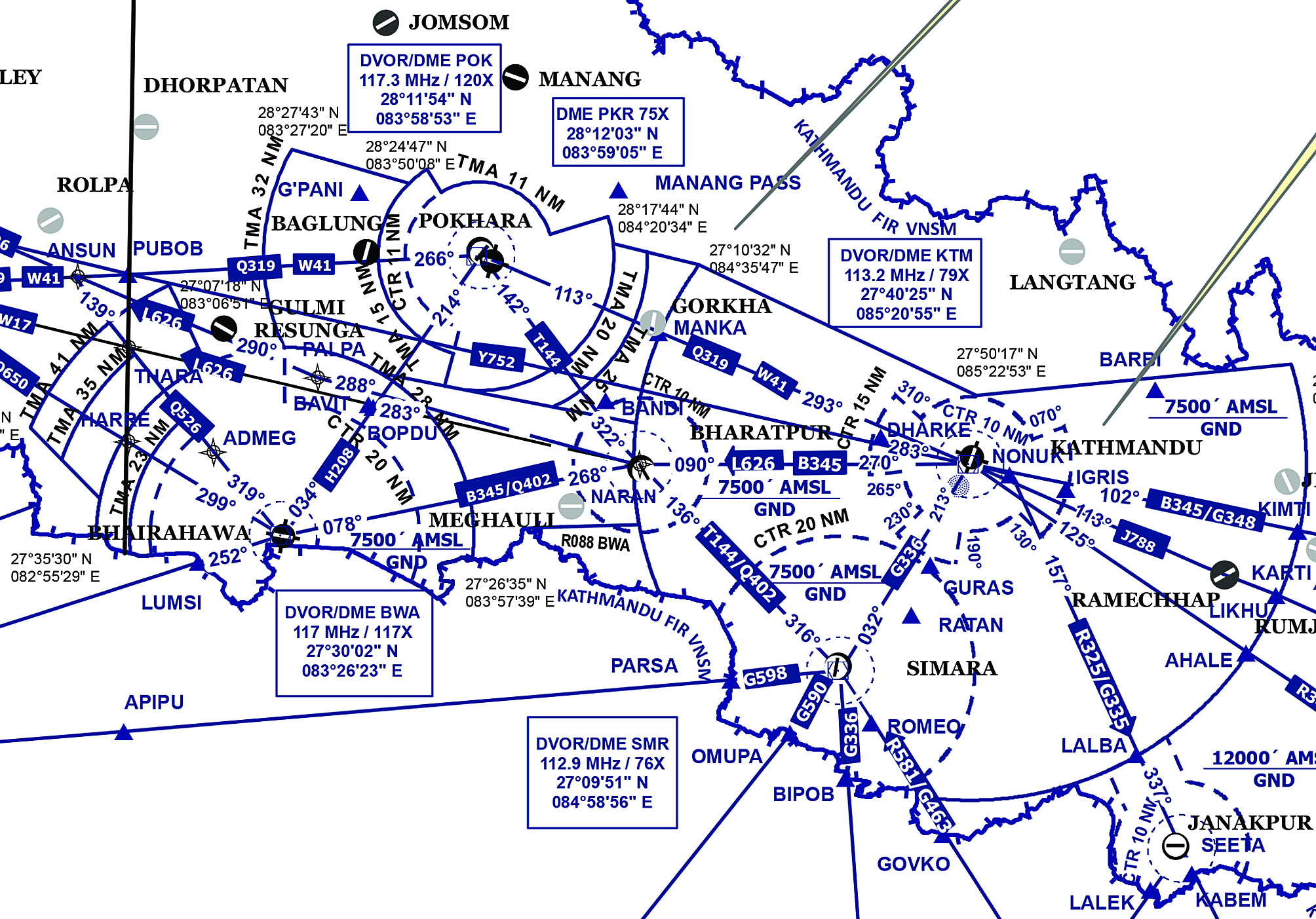
Both sides agreed that the existing unidirectional B345 Kathmandu-Bhairahawa-Lucknow route will be made bidirectional. Technical consultations will be held to finalise the modalities in this regard and to address other civil aviation proposals from both sides currently under discussion.”
Monday's development, which many aviation observers described as a breakthrough, will nevertheless depend on how successfully Nepal negotiates the technical details with India in the coming meetings.
“In fact, years ago, India had agreed to make the route bidirectional. Nepal, however, was not serious because of political uncertainty and frequent changes in the government,” said an air route expert, who wished not to be named.
Since 2014, when the issue received political backing during Indian Prime Minister Narendra Modi’s visit to Nepal, the country has seen six individuals as prime ministers, who served a total of ten terms. Frequent changes in government disrupted continuity in negotiations.
The biggest concern is the permitted flight altitude. For instance, Nepal and India agreed that aircraft entering Nepal through Simara would maintain an altitude of 21,000 feet at the border because of a military base on the Indian side.
“We all know that to land at Bhairahawa, aircraft need to fly at a lower altitude over Indian airspace because the airport is too close to the Indian border. Whether India grants permission for lower-altitude flights will depend on Nepal's negotiations. The arrangement cannot simply follow the same rules as Simara,” the expert said.
“If low-altitude flying is not permitted, aircraft will have to make a circuit over Bhairahawa airport before landing.”
For flights to Pokhara and Kathmandu, however, maintaining an altitude of 21,000 feet at the border does not pose a problem.
“Whatever the case, Monday's agreement between the two neighbours on the air entry route is a major achievement,” the expert said.
Technical teams from both countries will conduct an assessment. Following the assessment, the two civil aviation authorities will sign an Air Traffic Services (ATS) Letter of Agreement.
Officials say that since the existing B345 (Kathmandu-Bhairahawa-Lucknow) one-way route is already an international air route, it does not need approval from the International Civil Aviation Organization (ICAO) to become bidirectional. Once the two countries reach an agreement, the revised route will need to be published in the Aeronautical Information Publication (AIP) and aeronautical charts.
“If fast-tracked, the route can be operationalised within six months,” an official said.
Opening the route in both directions would ease pressure on Simara, the principal international air entry point used by most airlines flying into Nepal. Nepal has seven designated exit points for aircraft flying out of the country: Bhairahawa and Mahendranagar in the west, and Simara, Biratnagar, Tumlingtar, Kakarbhitta, and Janakpur in the east. Besides Simara, two other entry points—Mechi and Tumlingtar (Nonim), east of Mount Everest—have been designated specifically for aircraft arriving from Bhutan and Lhasa, respectively.
Currently, aircraft flying to Bhairahawa from the west cannot enter Nepal directly. They must make an approximately 300-kilometre detour to enter through Simara in the east before turning west again. The bidirectional route would eliminate this detour and reduce airlines' operating costs.
Tourism Ministry documents show that international flights to Pokhara from the west must also cover an additional 185 kilometres under the existing air entry arrangements.
Aviation experts say these longer routes increase fuel consumption and operating costs, ultimately making flights more expensive, particularly those originating in New Delhi.
“That is commendable. But we should not celebrate until we know the technical details, particularly the altitude permitted in Indian airspace before landing in Bhairahawa,” said Birendra Bahadur Basnet, chairman of Buddha Air, Nepal's largest private airline.
Buddha Air launched flights to the Indian city of Lucknow on January 7, 2011, operating three times a week with a 42-seat ATR aircraft.
The airline suspended the service after six months because of losses, as aircraft had to exit through Bhairahawa but enter Nepal through Simara. It later applied to operate flights from Pokhara International Airport to Lucknow, but India refused to grant operating authorisation, citing a “diplomatic issue”—primarily after Beijing attached a Belt and Road Initiative tag to Pokhara airport, a designation Nepal has been reluctant to accept.
“If the entry route is opened and connected to Pokhara, it will be a major achievement for Pokhara and Nepal's tourism industry,” Basnet said.
Nepal has been pressing India for additional international air entry routes since 2009, after deciding to build international airports in Pokhara and Bhairahawa.
The issue received political backing during Indian Prime Minister Narendra Modi's visit to Nepal in August 2014.
Nepal proposed three new international entry points through Janakpur, Bhairahawa and Nepalgunj.
“The feasibility of Bhairahawa will depend on the flight altitude that India permits aircraft to maintain in its airspace,” said Suresh Acharya, a former government secretary who led Nepal's air route negotiations in 2014.
“We had pushed for making the Kathmandu-Mahendranagar route bidirectional after finding that landing at Bhairahawa from Indian airspace was not feasible. Even at 21,000 feet at the border, the altitude agreed upon by Nepal and India for Simara, flights have to make a circuit over Bhairahawa airport before landing.”
“Entry through Bhairahawa was kept as an option, but we had preferred Kathmandu-Mahendranagar,” Acharya said.
In 2014, the joint communiqué issued after Modi's visit stated that opening direct cross-border air entry routes at Janakpur, Bhairahawa, and Nepalgunj would facilitate flights between Pokhara, Bhairahawa, and Lucknow, reduce travel time and costs, and improve air connectivity between the two countries.
The two prime ministers, Sushil Koirala and Narendra Modi, subsequently directed their respective authorities to resolve the issue within six months. However, the commitment was never fulfilled.
In 2016, Nepal and India agreed to make the L626 (Kathmandu-Mahendranagar) route bidirectional after an assessment found that it would benefit both countries and facilitate the future development of the Trans-Himalaya 2 route (Kathmandu-Bagdogra-Guwahati-Silchar-Imphal-Kunming).
Until April 2018, India remained positive about opening air access from the west after a technical team was formed to address safety concerns. Acharya had also led the Nepali government team in 2018.
“Then it abruptly became unforthcoming,” said a former air route expert from Nepal's civil aviation authority.
Relations between Nepal and India soured after Nepal abruptly withdrew from a joint military exercise of the Bay of Bengal Initiative for Multi-Sectoral Technical and Economic Cooperation (BIMSTEC) countries in Pune, India, in September 2018, despite having earlier committed to participate.
India expressed displeasure over Nepal's withdrawal, with the Indian defence establishment particularly angered.
Nepal then participated in the second Nepal-China joint military exercise, Sagarmatha Friendship-2, held in China's Sichuan province in the same year.
The developments further complicated bilateral issues, including air route negotiations.
“Since then, the safety assessment of the route stopped,” the route expert said.
India, however, said it needed further internal consultations before making a final decision. The issue remained unresolved.
“Monday's development is a breakthrough,” Acharya said.
The L626 air route, which is of strategic importance to Nepal, was also discussed during the latest negotiations. Officials said the flight altitude permitted along the route remains a major point of contention.
Nepal has been seeking flexible arrangements that would allow aircraft to operate at different altitudes.
The Indian side has mainly proposed allowing flights at an altitude of 39,000 feet.
Nepali technical officials, however, argue that restricting flights to 39,000 feet would not provide sufficient flexibility for all types of aircraft and flight operations. They have maintained that aircraft should also be allowed to operate at altitudes below 39,000 feet.
Sangam Prasain is Business Editor at The Kathmandu Post, covering tourism, agriculture, mountaineering, aviation, infrastructure and other economic affairs. He joined The Kathmandu Post in October 2009.