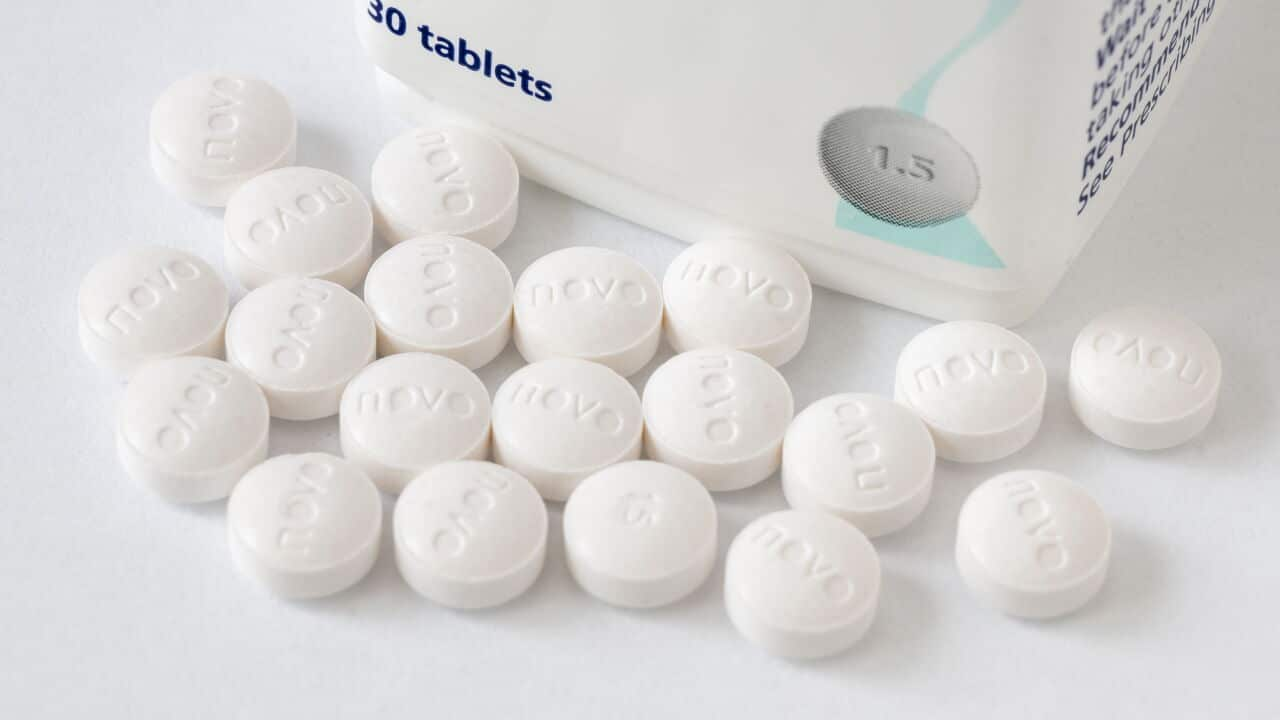

The arrival of GLP-1 tablets is giving Australians more choice in weight-loss treatment, with experts saying the new medications have broadly similar effects to existing injections.
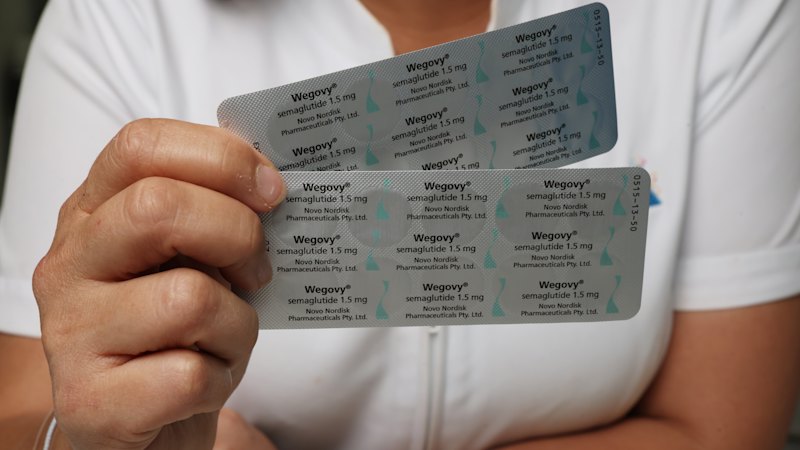
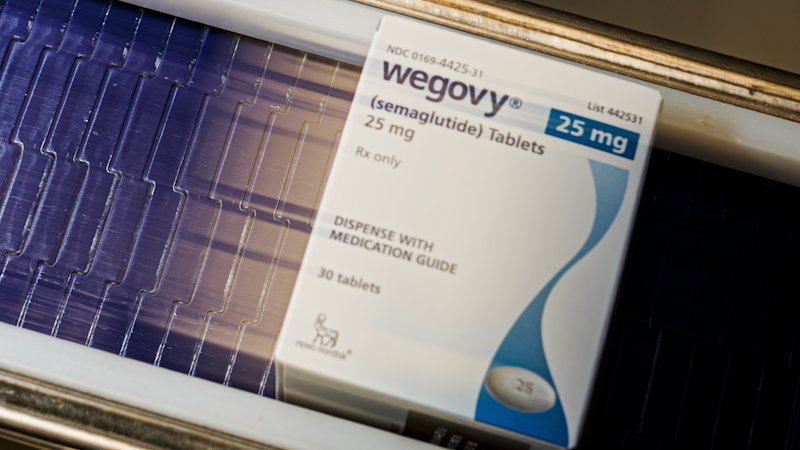
The Wegovy tablet, made by Danish pharmaceutical company Novo Nordisk, became the first of its kind to be cleared by Australia's Therapeutic Goods Administration (TGA) this month and landed on pharmacy shelves on Friday.
Until now, GLP-1 medications approved for weight management in Australia have been administered through weekly injections.
A second weight-loss pill, Foundayo, made by US pharmaceutical company Eli Lilly, has also received TGA approval.
Both medications work by mimicking the action of GLP-1, a hormone released by the gut after eating that helps regulate blood sugar levels and appetite.
Your trusted source for staying up-to-date with the world around you. Get free daily news updates and analysis, straight to your inbox.
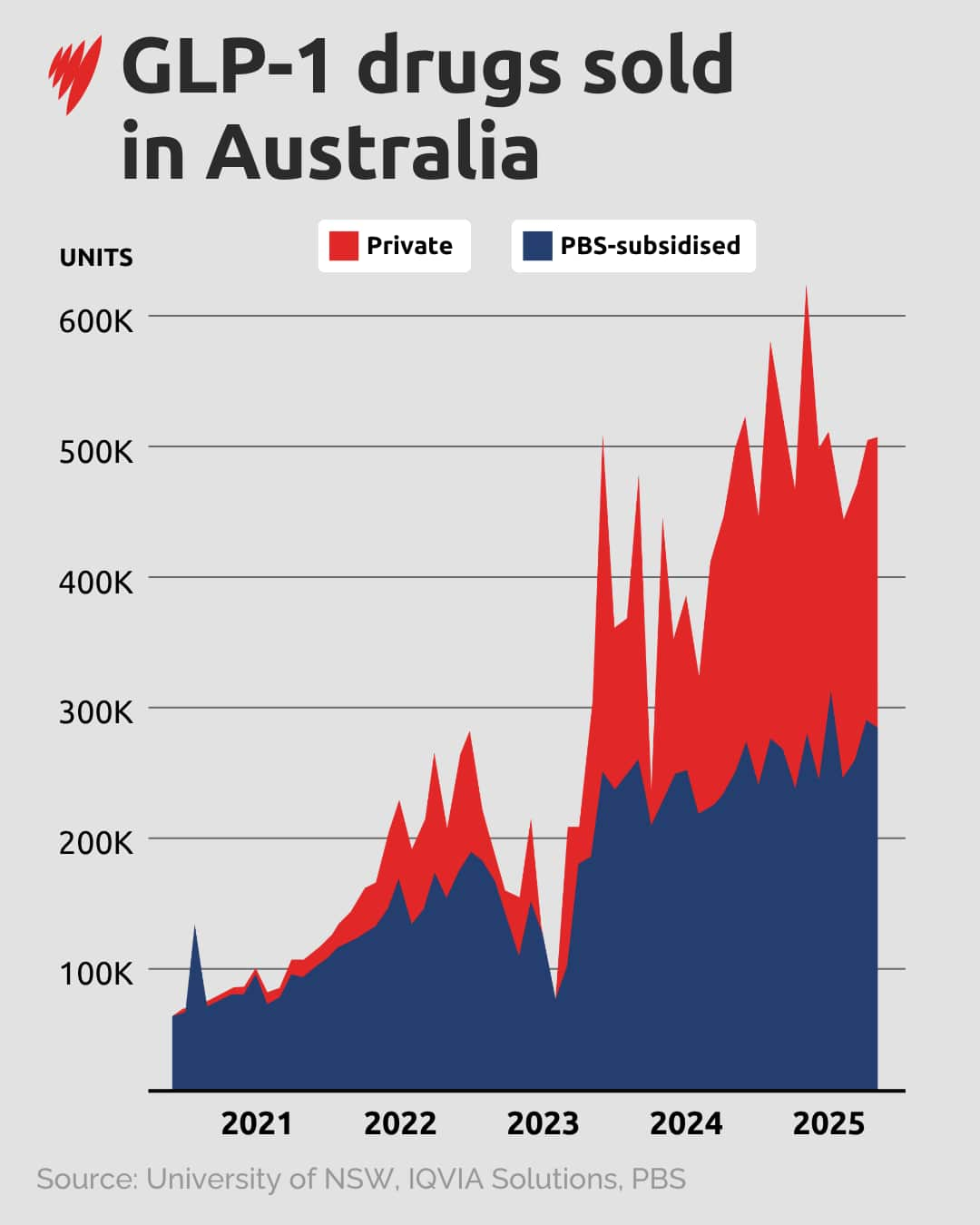
Use of Wegovy, Ozempic and other GLP-1 drugs for diabetes has surged in recent years. In Australia, sales of these medications increased almost tenfold between May 2020 and April 2025, according to research from the University of New South Wales, with at least half a million people estimated to be regularly using them.
While these drugs were traditionally used for diabetes, some have since been approved for weight management.
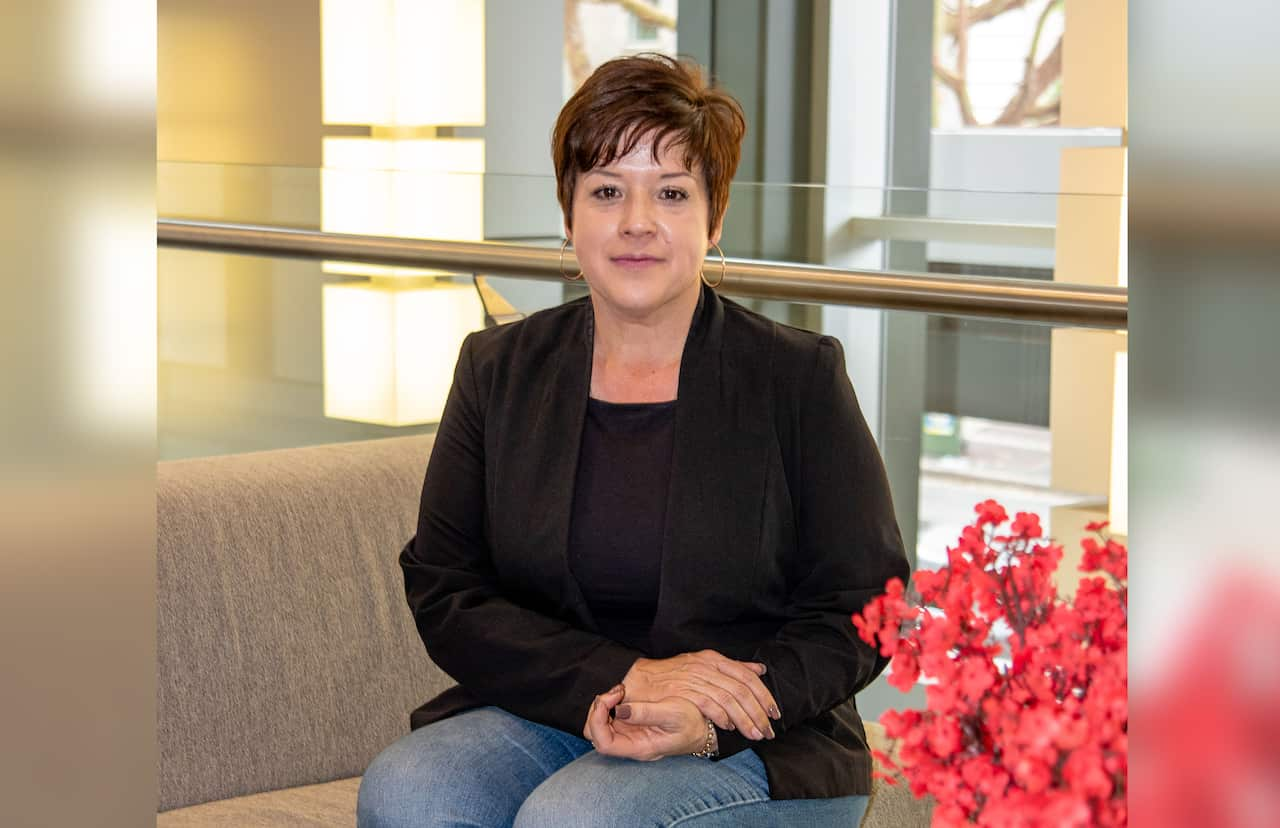
Teacher and mother-of-six Kim Roberts has been giving herself weekly weight-loss drug injections for the past three years after a heart attack led to the discovery of a genetic cholesterol condition.
She plans to switch to taking Wegovy as a daily tablet.
"It will just fit in with what I do on a day-to-day basis," she told the Australian Associated Press.
The 46-year-old said the drug has helped her to lose around 30kg, learn to eat better and manage her condition.
Professor Priya Sumithran, head of the obesity and metabolic medicine group at Monash University, said the new tablets could appeal to people who have been reluctant to use injectable medications.
While the pills offer a new way to take the drug, she said there are few significant differences in the way they work and the associated side effects.
"I think the considerations would mostly be up to personal preference — whether you prefer to take a once-a-week injection, [or] whether you prefer to take a once-a-day tablet," she said.
The tablets also have similar side effects to injectable GLP-1 medications, with nausea, vomiting and indigestion among the most common.
Louise Baur, an expert in child and adolescent obesity at the University of Sydney, said a daily medication can bring its own challenges and lifestyle adjustments for some.
"You have to take [the Wegovy pill] at least half an hour before eating, and so that means a routine that you have to get into," she said.
Unlike Wegovy, Foundayo can be taken at any time of day without the same restrictions.
Experts have cautioned against viewing GLP-1 medications as a quick fix for weight loss, but rather as part of a broader approach to managing obesity that includes health eating, physical activity and ongoing medical support.
The price of Wegovy tablets vary by dose, costing between $260 and $395 a month.
It's not listed on Australia's Pharmaceutical Benefits Scheme, though it was recommended by an advisory committee nearly a year ago.
The federal government is in negotiations with Wegovy's manufacturer to bring it onto the scheme for a small cohort of patients.
It would bring the price down to $25 per script or $7.70 for concession card holders.
Terri-Lynne South, a GP with a special interest in obesity management at the Royal Australian College of General Practitioners, said affordability remains a barrier for patients.
"Like the injectable, it's only available on private prescription. Until obesity medicines are subsidised, access will be determined by what people can afford rather than by clinical need," she said.
"Obesity is a chronic disease, and weight regain is common when treatment stops, so it is important to discuss the long-term plan with patients, including cost, before starting."
Sumithran said nearly 30 medications are undergoing late-stage clinical trials, with some combining GLP-1 with other hormones to potentially improve their effectiveness or target particular health conditions.
She said the expanding range of treatments could eventually allow doctors to better tailor medications to individual patients.
"I think the interesting thing about those additional hormones is what specific benefits we will get from those," she said.
Researchers are also investigating the use of existing medications in children and adolescents.
Baur said two recent studies had examined the use of GLP-1 medications in children and adolescents, including the first trial of injectable semaglutide in children aged six to 12.
However, she said, the development of new medications needs to be accompanied by greater efforts to improve access to affordable treatment and support and tackle the underlying drivers of obesity.
She called for a future in which people living with obesity could access effective treatment without experiencing stigma, including within the healthcare system.