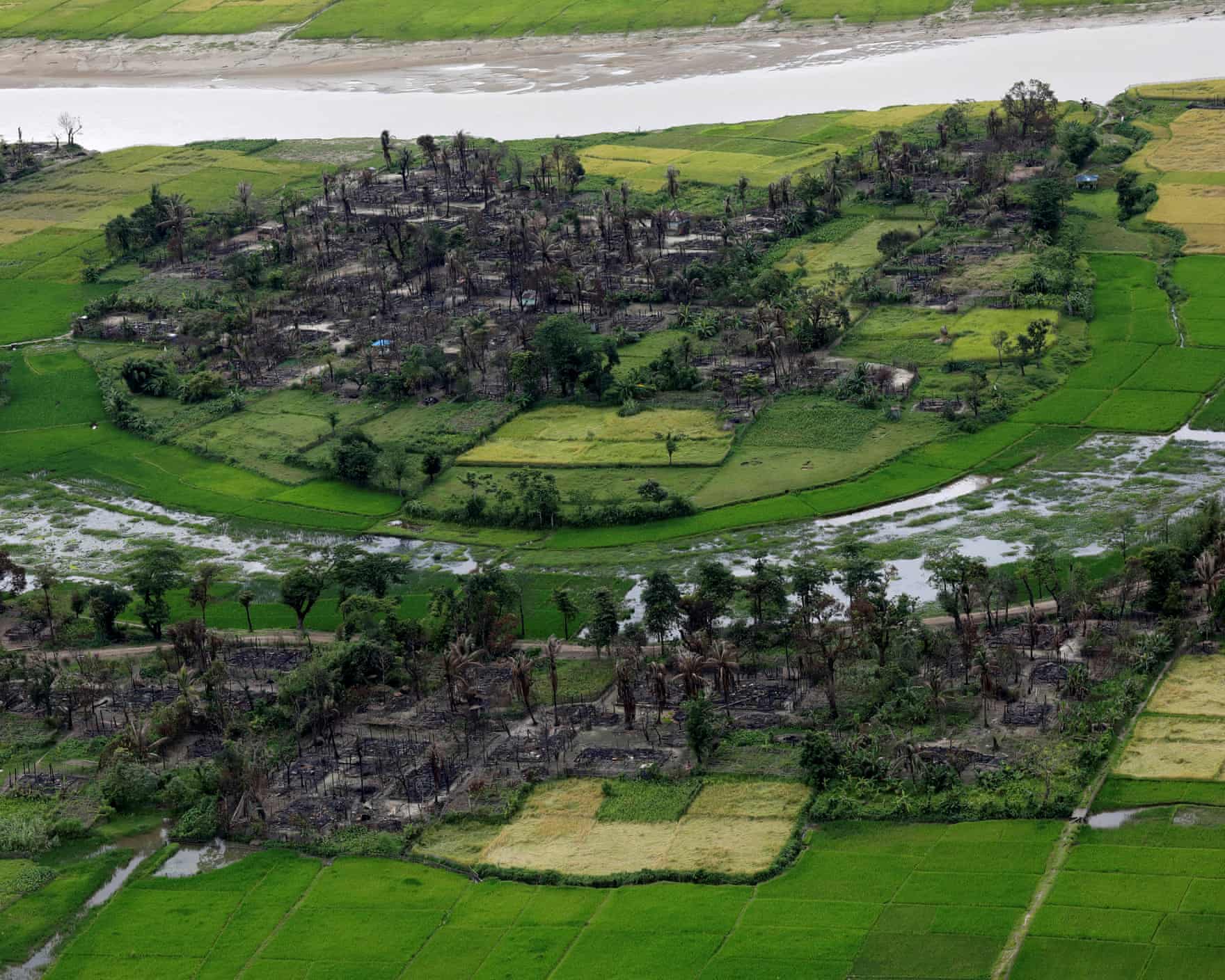
Smoke was often the signal to run – seen from a distance, it was the indication for Rohingya that a neighbouring village was under attack and that theirs would be next.
In other places, they saw the rivers run red and would pull out the bodies, perform quick burial rites and then flee.
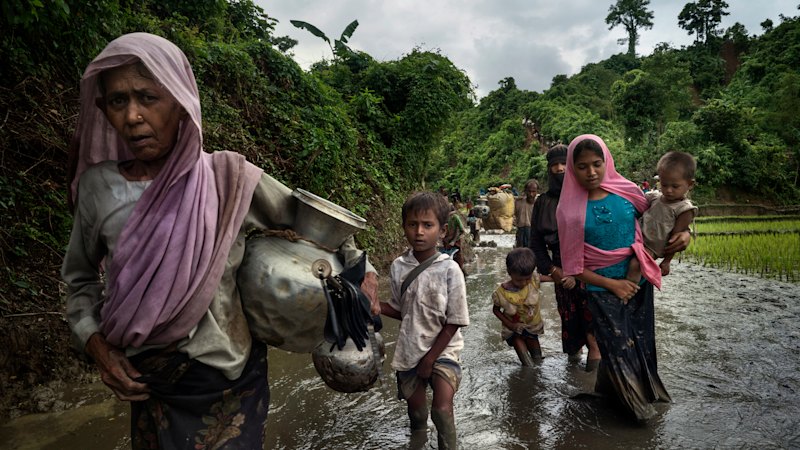
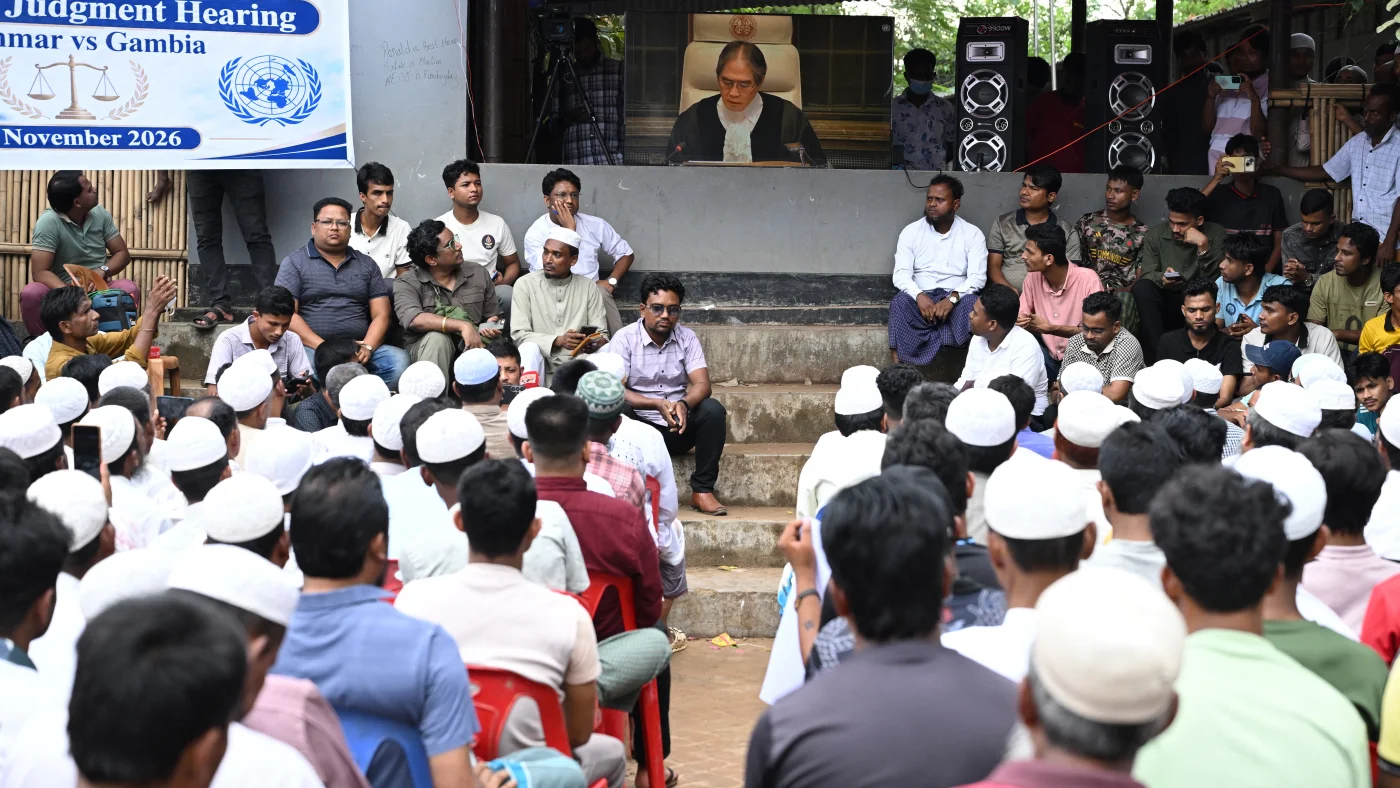
What happened during the escape from Myanmar – a journey through forests and over hills and rivers while being battered by monsoon rains – was a key part of the ruling made this week in The Hague that Myanmar had carried out a genocide against the Rohingya .
The international court of justice (ICJ) said it was not enough to say they had faced ethnic cleansing when soldiers had also killed those trying to escape – Myanmar was trying to destroy the group as a people.
Stories of that violence in 2017, of organised mass killing, sexual attacks and the complete destruction of their villages, came with the refugees who arrived in neighbouring Bangladesh , eventually numbering more than 700,000 and settling in what has become the world’s largest refugee camp.
For months, they would arrive from places such as Tula Toli , where thousands were rounded up, killed and buried in mass graves. In other villages, men were captured and killed by the security forces.
Many survivors had escaped an attack on their own village, only to watch their relatives being killed in the villages where they had sought safety.
Almost a decade later, the majority of Rohingya who arrived in 2017 remain in the refugee camps, joining those who had already been there since the early 1990s, having escaped previous military operations and ever-increasing persecution.
The ICJ ruling has come at a particularly harsh time for Rohingya refugees, in a year in which hundreds have died at sea trying to escape the refugee camps, and in which countries such as Malaysia and India have spoken about returning the Rohingya to Myanmar.
Rohingya campaigners are hoping that this ruling will put an end to that.
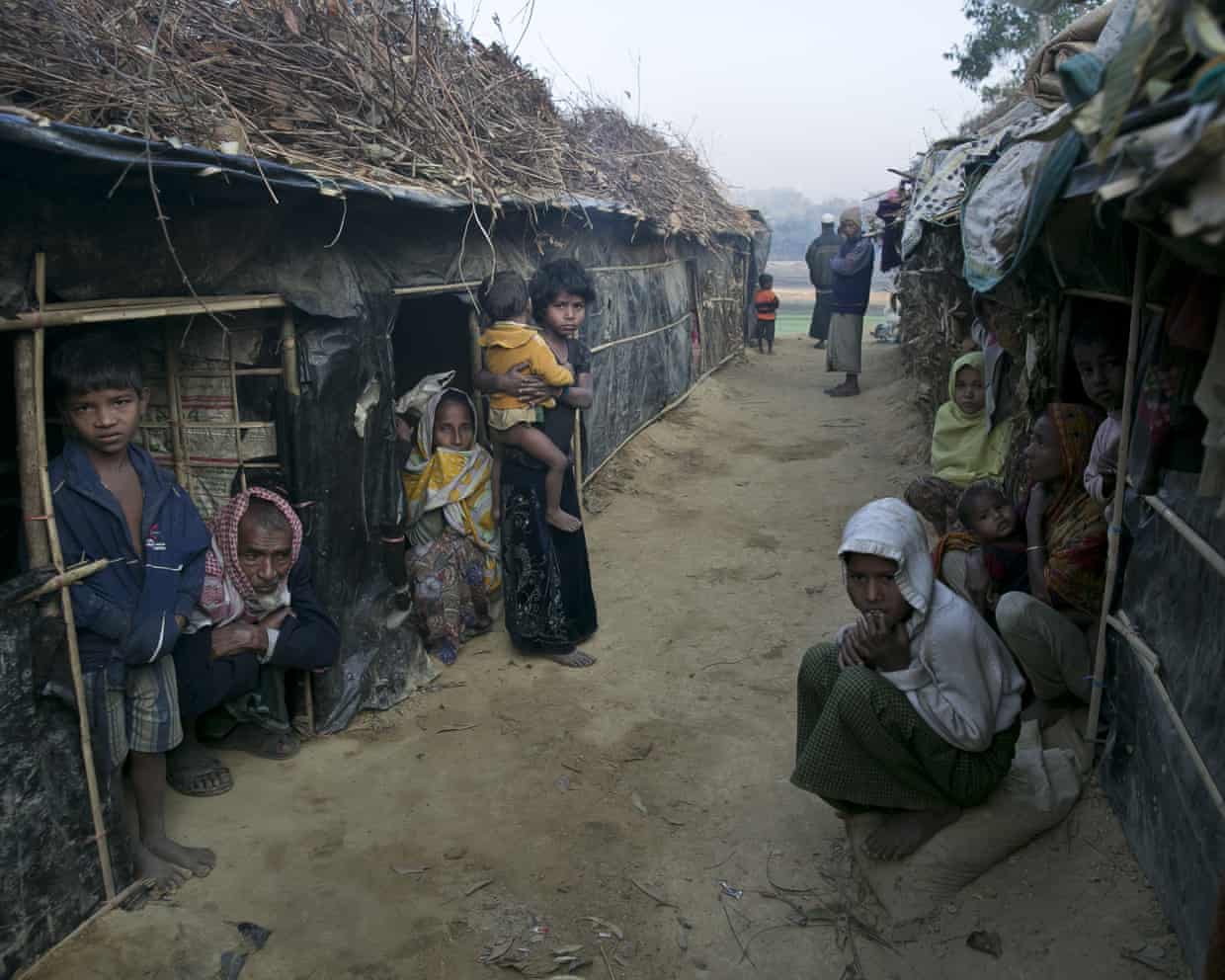
Rohingya refugees still live in fragile shelters made of bamboo and tarpaulin sheets. They are denied the right to leave the camps, to work or to seek education.
Below are some of the stories from Rohingya who arrived in Bangladesh in 2017, having escaped Tula Toli and the surrounding area.
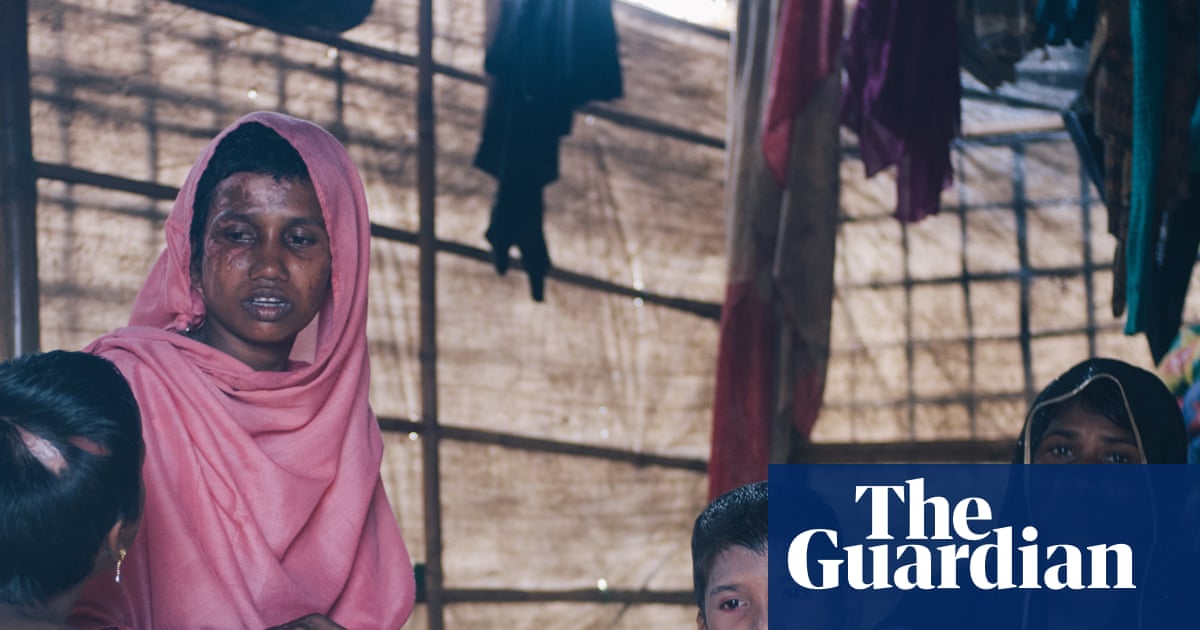
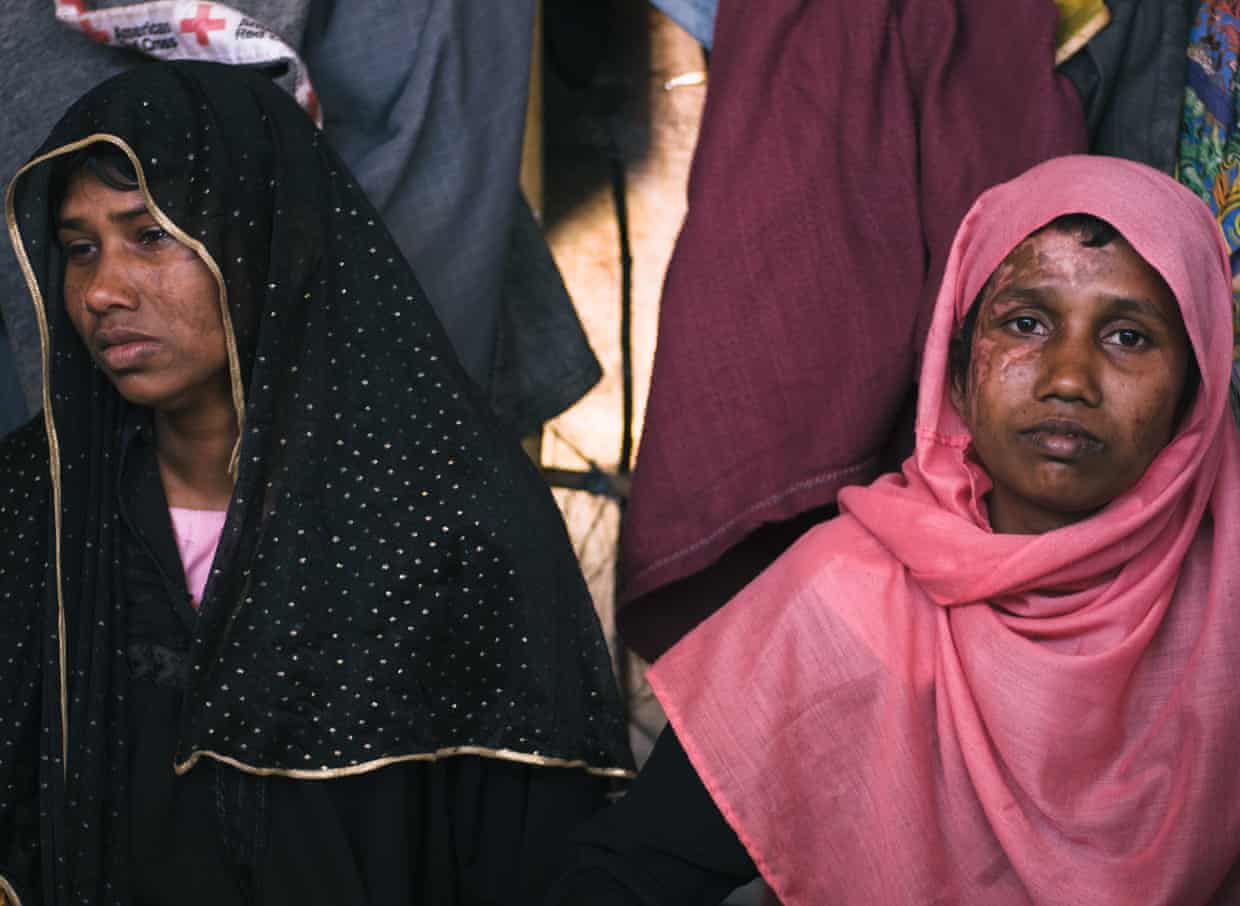
Sitting in the background, almost unnoticed as Momtaz Begum recollected how Myanmar forces had killed her husband and children and then raped her in front of her lone surviving child, was a woman who seemed to know every word of the story.
It was not because she had heard it before. Dildar Begum had experienced exactly the same violence as her sister had, in their village, Tula Toli.
In fact, they had for months believed each other dead until they discovered that they had both made it to Bangladesh and lived in different parts of the camp.
Each had only one surviving daughter, both of whom had similar scars along the back of their heads.
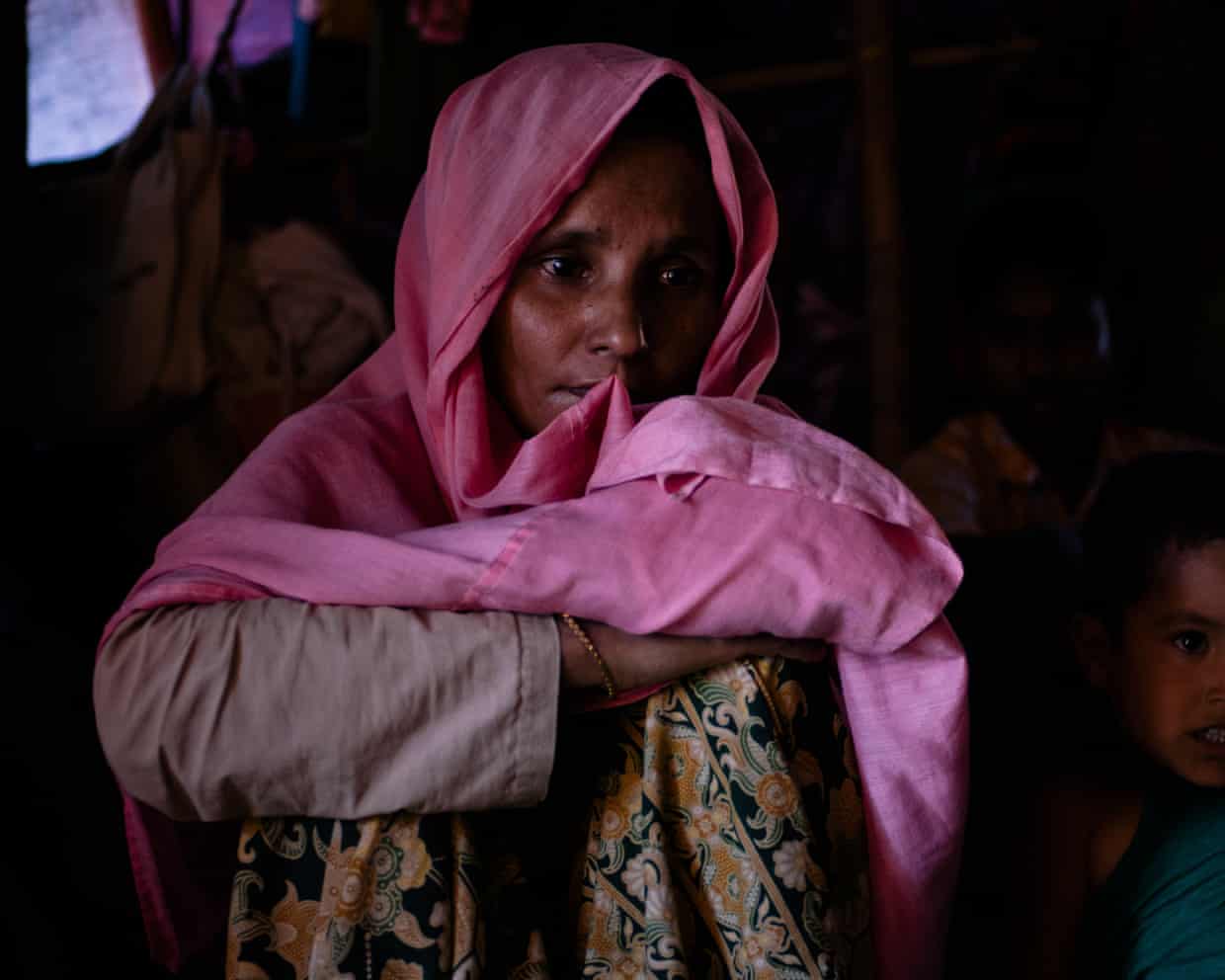
Twice previously Anwara Begum had lived as a refugee in Bangladesh. Once as a child in 1978 and then again in the early 1990s, as a young mother who lost her son to a respiratory disease during a rainy season spent in a flimsy tent.
When she was forced to return to Myanmar, though the persecution she fled there had not stopped, Anwara swore to herself that she would never become a refugee again.
She broke that oath when she saw the river by her village filled with bodies floating from Tula Toli.
Her husband first pulled from the river as many bodies as he could to bury and then they gathered some belongings and headed westwards to the River Naf – the border with Bangladesh.
To cross, she handed over all the gold she owned, equal to US $200 (£150), to a Bangladeshi boatman.
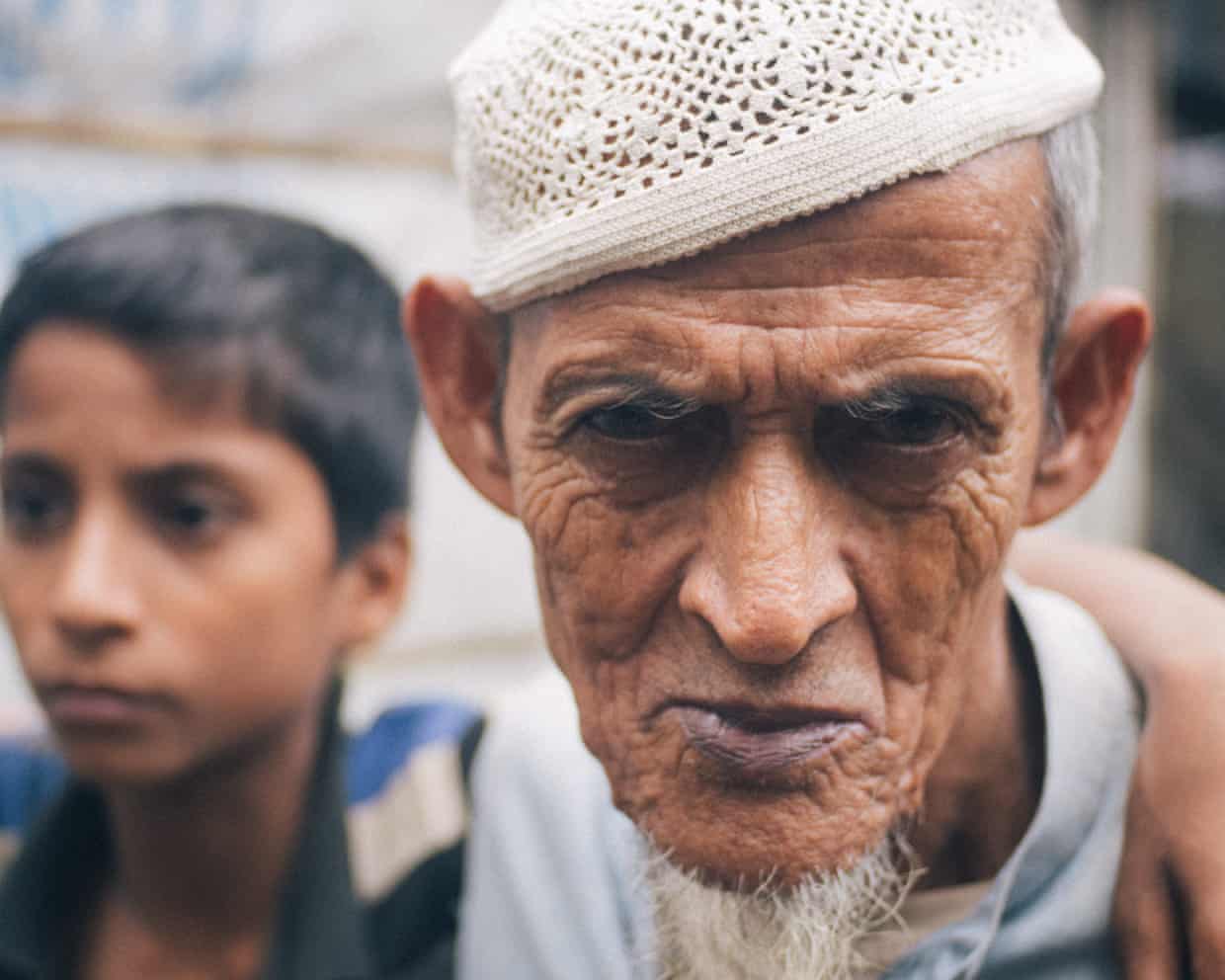
Elderly people were not spared the Myanmar military’s attacks. Like so many others, Nur Alam had to be carried on the shoulders of his children on his journey to Bangladesh.
His 10-year-old grandson, Mamoon, held his hand. Once in the camp, they stuck to each other.
Alam’s arrival in Bangladesh was his fourth time being a refugee there. He was first expelled from Myanmar – known as Burma until 1989 – during military operations in the 1950s when Bangladesh was not yet an independent country.