Light pollution from the exploding number of satellites orbiting Earth is making it harder to peer into space.
Light pollution from the exploding number of satellites orbiting Earth is making it harder to peer into space.
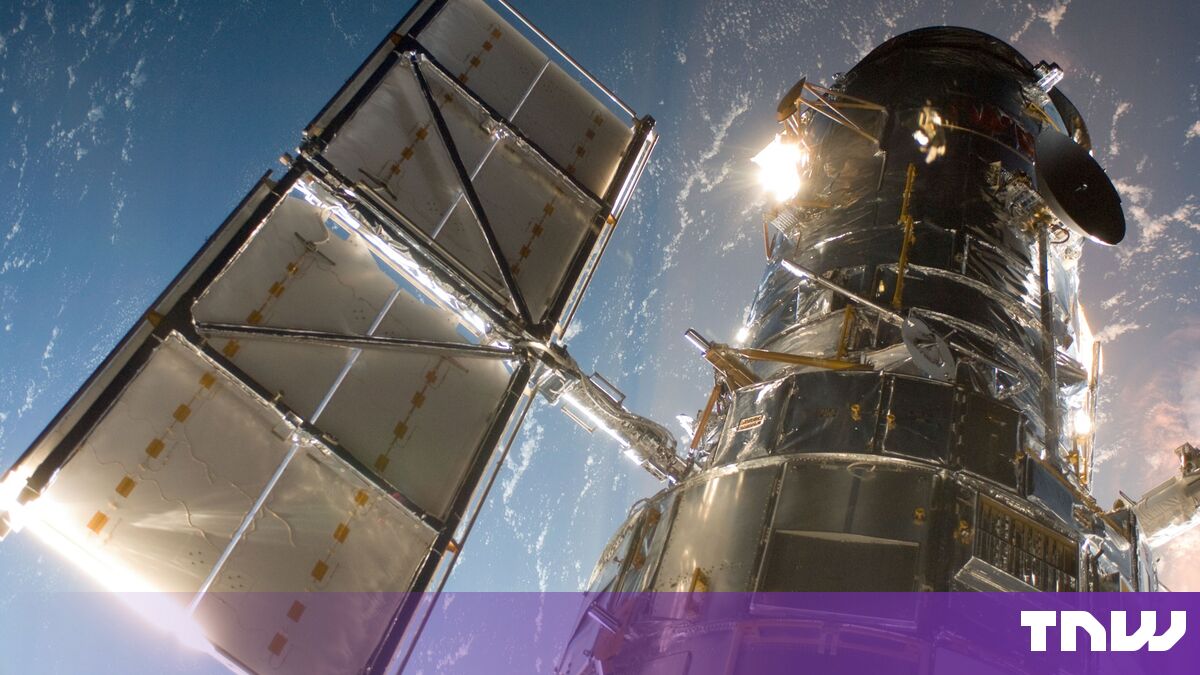
It’s getting harder and harder for the Hubble and other telescopes orbiting Earth to capture pristine images thanks to the sudden surge in satellite launches. Satellite trails could mess up nearly 40 percent of images the Hubble takes and up to 96 percent of those taken by three other telescopes over the next decade, according to a study by NASA researchers published today in the journal Nature .
That could jeopardize scientists’ ability to spot worrisome asteroids or discover new planets, they warn. Our view of space just gets fuzzier without efforts to limit light pollution from new megaconstellations of satellites.
The scale of the problem is astounding
“My career has been focused on trying to make telescopes see better … try to make the telescopes more sensitive, more precise, getting better images,” says Alejandro Borlaff, a NASA research scientist and lead author of the study. “For the first time, we found something that may actually be worse in the future.”
The scale of the problem is astounding. Cheaper launch costs and the proliferation of telecommunications satellites like Starlink’s have opened up a Pandora’s box of new challenges in space. Satellite trails, which look like streaks of light, were already detected in 4.3 percent of images taken by the Hubble between 2018 and 2021. The number of satellites orbiting Earth has grown from 5,000 in 2019 to more than 15,800 today, according to the European Space Agency . That number could reach as high as 560,000 if currently planned satellite launches proceed over the next 10 years or so.
Borlaff and his colleagues simulated the view that four telescopes are likely to have after all those launches. With that much crowding in space, they project that the Hubble telescope could inadvertently capture an average of 2.14 satellites per exposure. The Chinese Space Station Telescope Xuntian, one of the other telescopes included in the study that’s expected to launch next year, could see an average of 92 satellites per exposure. The Hubble is less likely to catch as many satellites in its images because of its narrower field of view. Fortunately, other powerful telescopes, including the James Webb , orbit far enough from Earth to avoid light contamination from satellites.
The issue goes beyond accidentally including a satellite (or many) among the visions of swirling nebulae, stars, and distant planets these telescopes capture. The satellites reflect light from the Sun, Moon, or Earth, which can be bright enough to obscure details that might otherwise be captured in an image were it not for that light pollution. Researchers might not be able to detect a change in the brightness of a star that could indicate that there’s an exoplanet there, Borlaff explains. “You will lose that information because a satellite passed in front of you.”
Now’s the time to find solutions, he says, before there are so many satellites in orbit. Efforts to design darker, less reflective satellites have posed new problems because they tend to get hotter and shed more infrared light as a result. Researchers have also tried strategizing to take images at times and locations with a lower likelihood of satellites crossing their path, an endeavor that’s harder to do the more crowded it gets out there. It’ll take more coordination on the ground with companies and governments launching satellites, maybe by placing them in orbit lower than where the telescopes are to avoid obstructing their view or regulating where they can be deployed.
“There has to be an optimal way to place constellations and space telescopes … so we can coexist in a sustainable way,” Borlaff says.
This is the title for the native ad
This is the title for the native ad