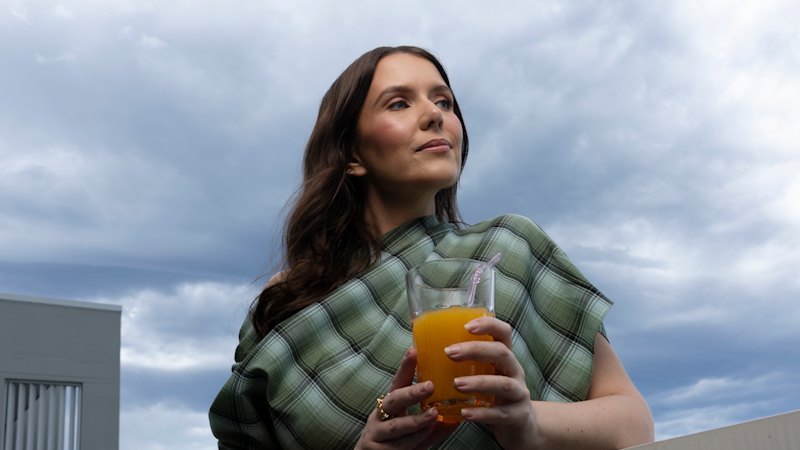
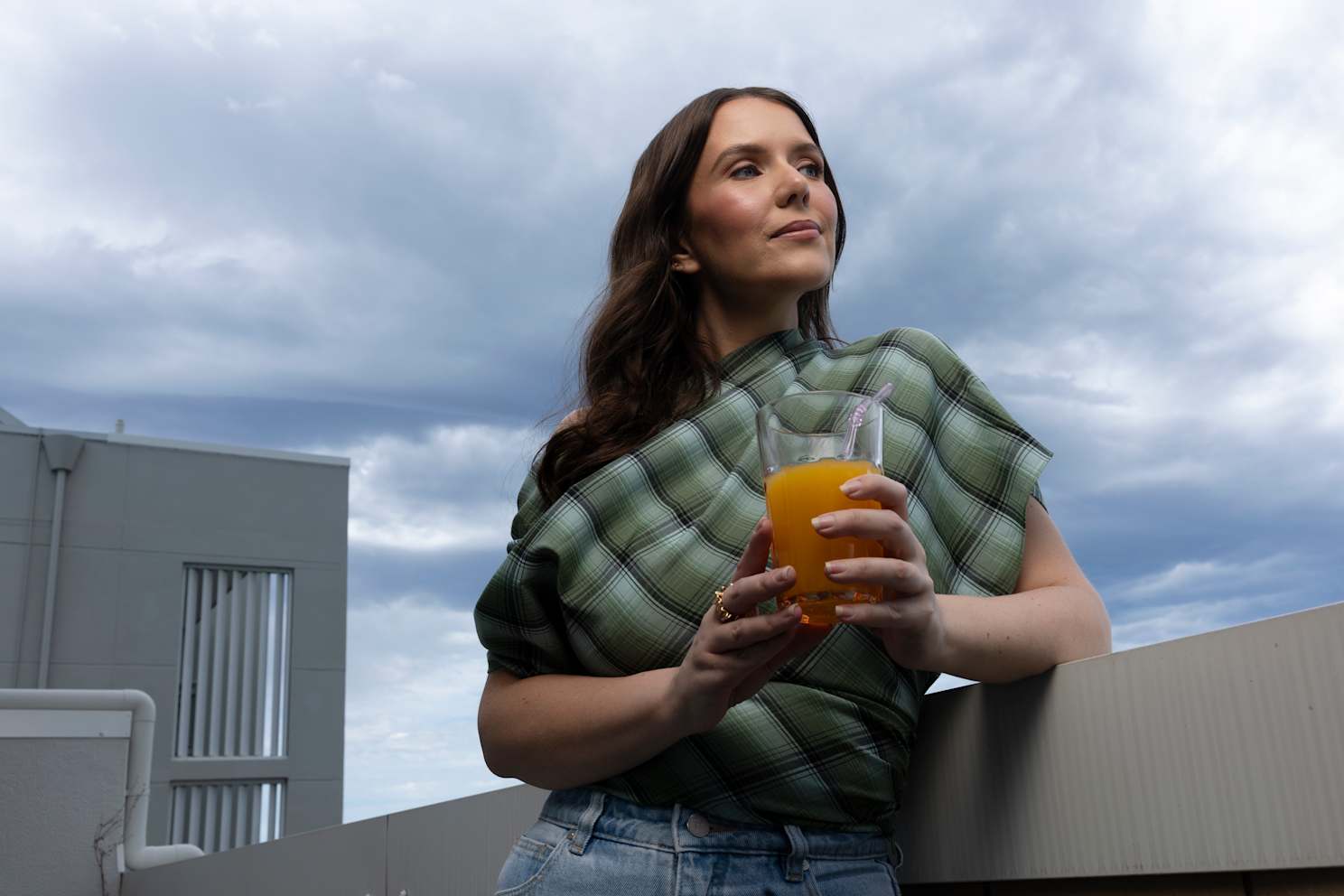
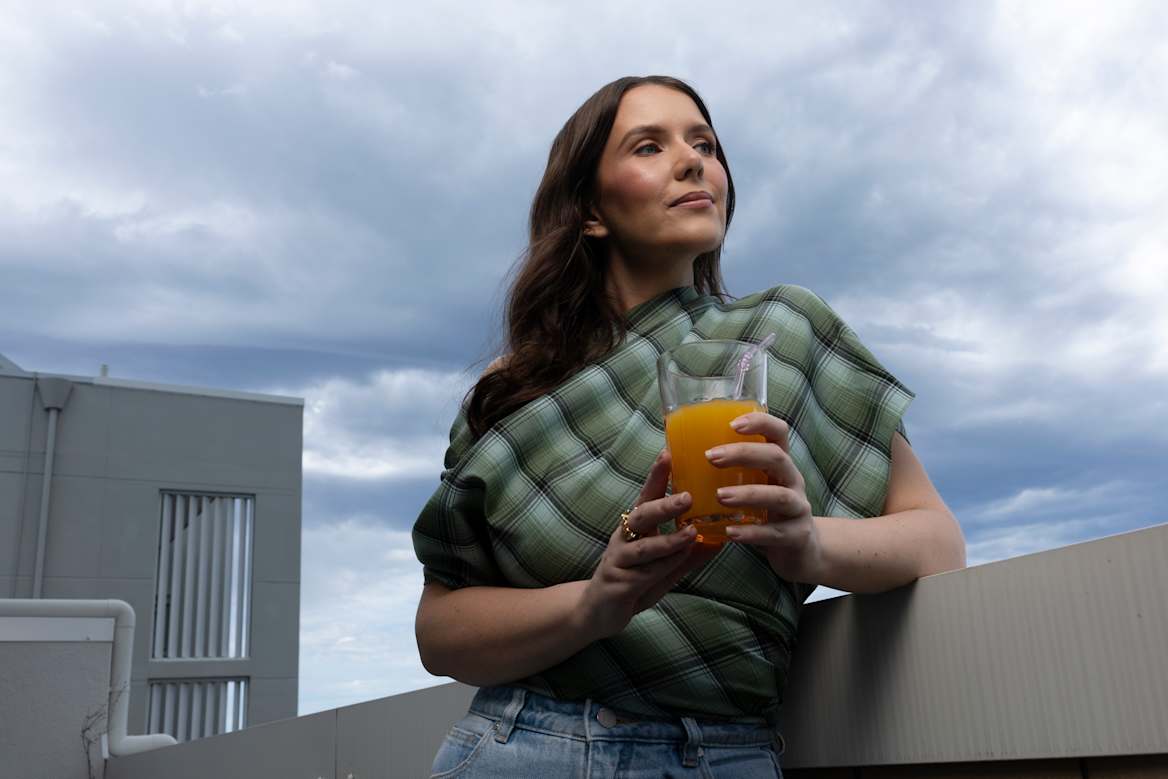
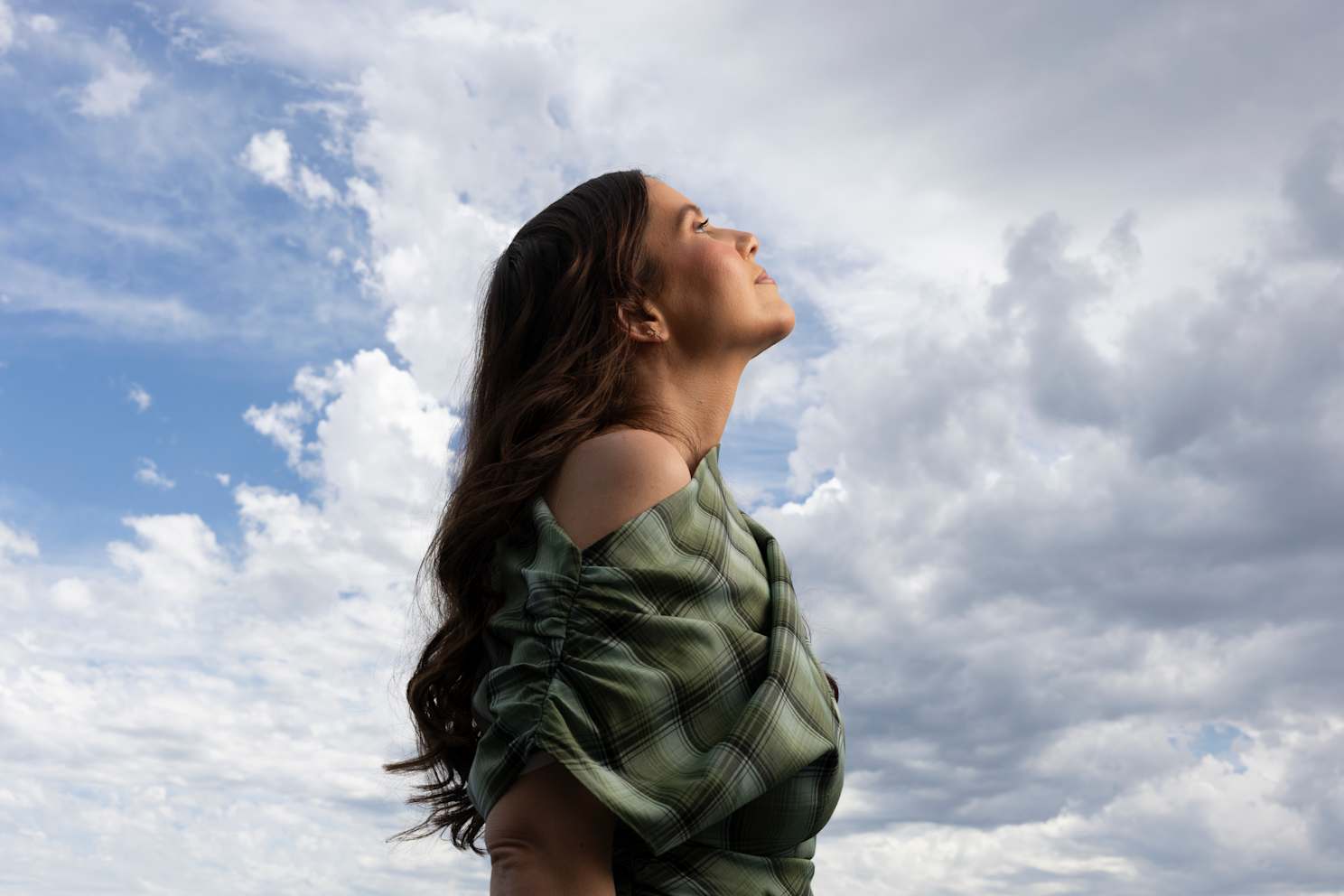
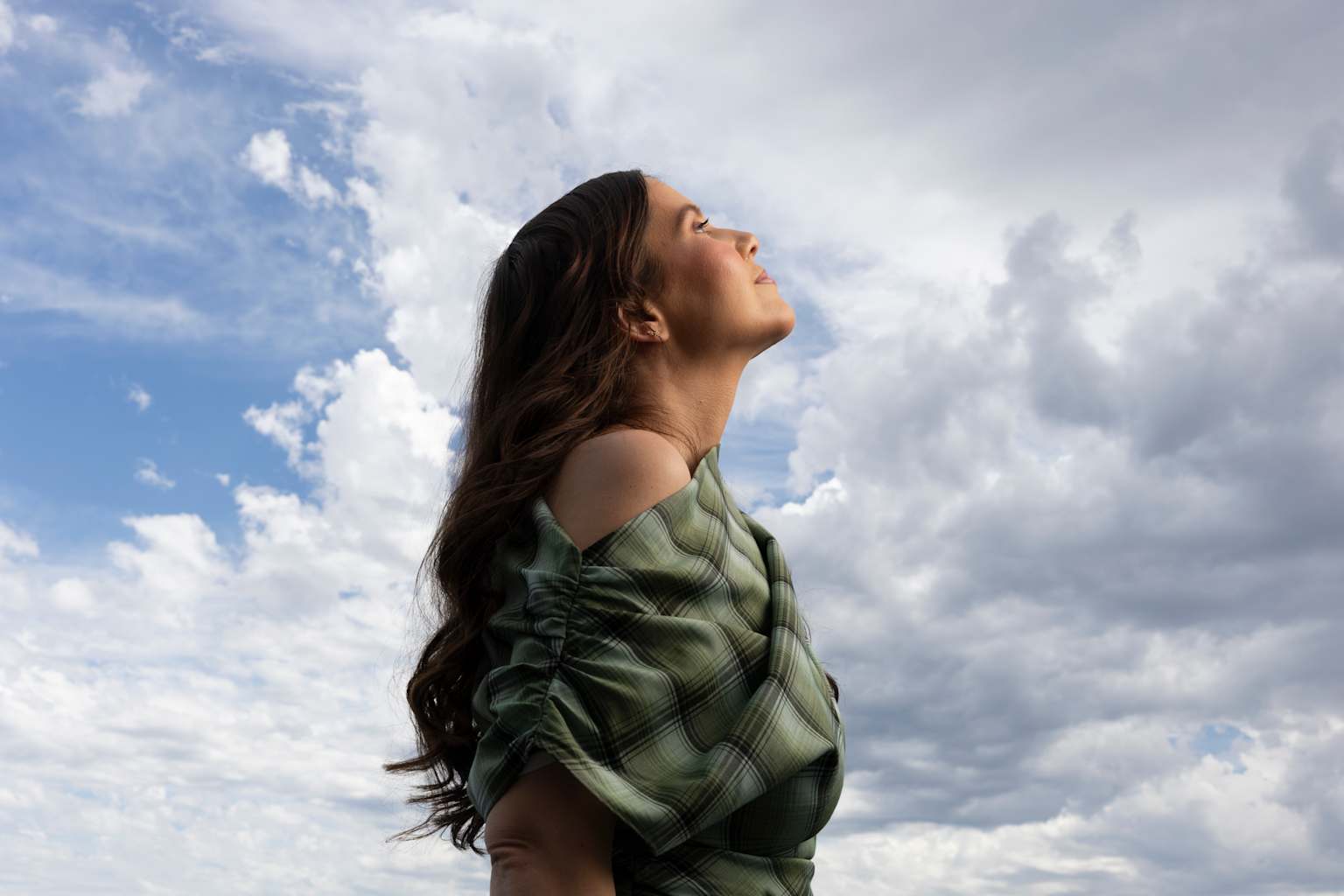
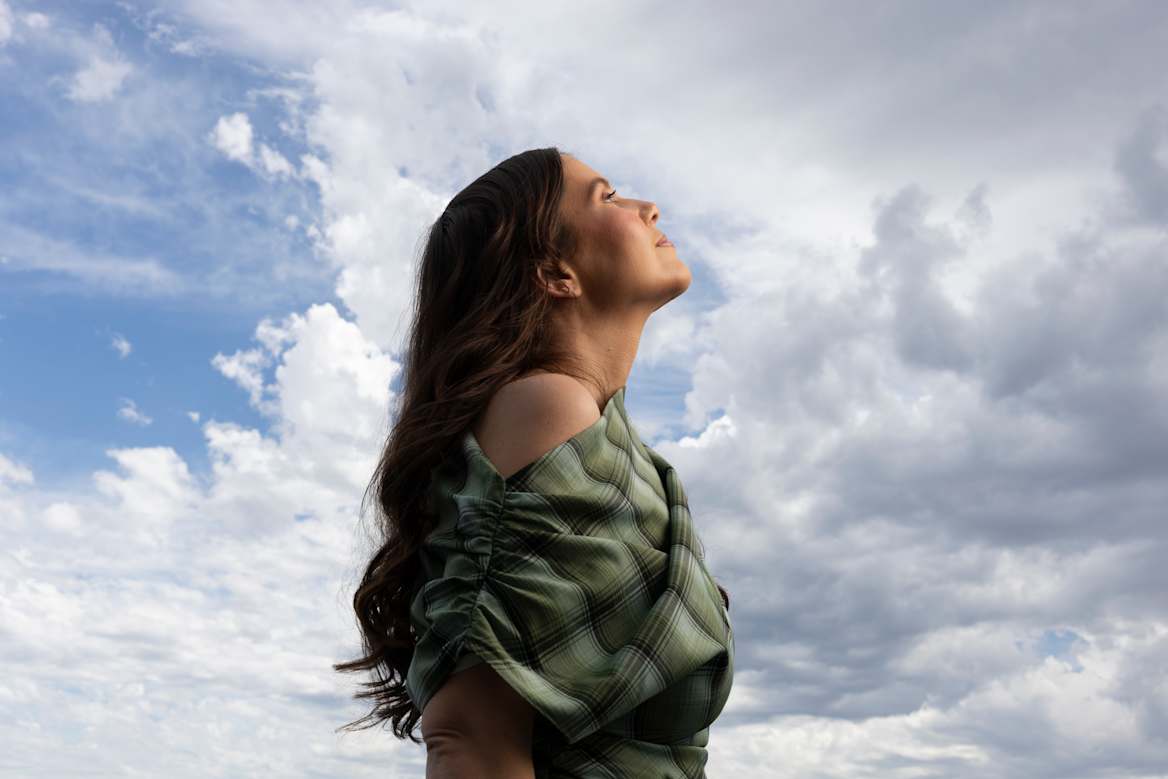
Kristen Edwards loves her life in Sydney. She has rich friendships, a fulfilling career and lives in an apartment she owns.
But for the 33-year-old, one thing – or person – has always been missing. Edwards, who works in e-commerce, has never had a boyfriend, something she talks openly about on TikTok.
“I have this single life that they are competing with, and I want somebody who is going to add to that and make life more meaningful,” says Edwards, who is looking for someone kind and who treats her well, but doesn’t have a wish list of physical attributes or personality traits.
“I’m not willing to settle, which I know is a huge cliché. But I’ve seen grand ideas of love in my friends, and I’ve also seen versions of it that are not desirable. I think witnessing that over the years, I definitely know what I’m not wanting to accept.”
Edwards is far from alone, with a growing number of Gen Z-ers and Millennials moving through their teens and early adulthood without romantic partnership.
In 2025, 53 per cent of young Australians were single, according to Monash University’s Youth Barometer.
The most recent National Survey of Australian Secondary Students and Sexual Health gathered data on almost 7000 teenagers aged 14 to 18 in 2021. Of this cohort, about 31 per cent had never been in a romantic or sexual relationship, though more than half reported currently being in a relationship.
International data paints a similar picture: 33 per cent of 18- to 29-year-olds in Britain had never been in a relationship, according to a recent YouGov survey , while only 31 per cent of young people in the US were actively dating (either casually or exclusively), according to a 2025 Institute of Family Studies survey .
Dr Maddison Sideris, a sociologist at Deakin University who studies young people’s digital intimate practices, points out it’s not just relationships – traditional markers of adulthood such as moving out of home and home ownership are also being postponed.
“From a logical perspective there are economic and structural pressures – housing affordability, precarious employment, even the cost of dating these days” which can make getting into a relationship less of a priority, says Sideris.
“Particularly for women, they’ve got greater economic independence that influences what they expect from intimate relationships,” she says.
Author and researcher Lisa Portolan thinks the effect of the pandemic can’t be underplayed either.
“COVID impacts any interruption to romantic development for that cohort – from intimacy to navigating rejection, the messiness and unpredictable nature of relationships, all of those things you can’t really replicate through a screen,” she says.
Then there’s the fact relationship trajectories themselves are shifting, says Sideris. While some young people, like Edwards, are yearning for romance, others have opted out of dating altogether , whether due to heteropessimism or dating app fatigue .
An increasing number of young people too are finding themselves trapped in the no-man’s land of “situationships” – a relationship that resembles a committed partnership without the commitment or labels.
But in doing so, could young people be missing out?
In a recent piece for The Cut , writer Sadie Kargman makes a case for the “entry-level boyfriend”, a romantic partner you might not necessarily see yourself with long-term but who can help teach the vital skills needed for a relationship. American youth pollster Dr Daniel Cox has argued Gen Z have found themselves in an “experience deficit” .
Phoebe Rogers, a clinical psychologist and founder of The Relationship Space, says she often works with women in their 40s who have never had long-term partners. But one recent client was dating for the exact purpose of gaining relationship know-how.
“She said to me, ‘Phoebe, I just need to put myself out there, I need to get the experience, learn how to communicate my needs and my feelings and figure out what’s right for me, and that’ll give me a lot of data and information’.”
Despite being happy with her life, Edwards says there is a certain grief that comes with singlehood, particularly for a self-professed romantic who grew up seeing her parents’ idyllic marriage of 36 years.
“I have lived an amazing life until now, and it feels a bit sad that if I do meet somebody in the future, they’ve missed out on so much that’s happened,” says Edwards, who finds birthdays, Christmas and travel particularly difficult.
“In a lot of cases, my friends have been in multiple relationships and they’re celebrating the birth of their second or third child and I still haven’t heard the words ‘I love you’.”
More than this, Edwards has always dreamed of being a mother, but isn’t sure being a single parent is viable financially or practically.
“I don’t know if I should use the word failure, but [solo motherhood] would feel like I haven’t achieved something that is so important to me – I’ve always dreamed of having a family unit and having a child with a husband who loves me,” she says.
For Edwards, who is actively dating, being single carries a certain stigma and lack of understanding – particularly from couples.
“We almost blame single people for being single because they haven’t worked on themselves or don’t have the right attitude towards themselves, but I’ve done the work, and I’m happy with myself.
“I’m still waiting for all these firsts, and it does make you look at yourself and say ‘what is unappealing about me?’ There is this constant battle of, ‘well, there must be something wrong with me if I haven’t been chosen or pursued the way everyone around me has’.”
Earlier this year, Sideris published a paper about the effects of long-term singlehood on women, and how the invisible burden and grief it carries accumulates – or “sticks” – over time. Indeed, even as relationship norms have evolved, coupledom is still the norm in 2026.
“Singlehood for women has historically been associated with ideas of loneliness and being undesirable and incomplete,” Sideris says.
“Those associations don’t simply disappear because attitudes towards singlehood have become more progressive.”
Two women Sidderis spoke to, both in their 30s, spoke about feeling like they needed to rely on dating apps to find a partner.
“But that led to a lot of frustrations and fatigue. They talked about the repeated rejections, starting these same conversations over and over again but not feeling like they were getting much back from the matches,” says Sidderis.
When Uday Kumar’s marriage ended in 2023, he found himself living out a specific kind of pain he had never felt before: heartbreak.
By then in his late 30s, Kumar was experiencing something typically associated with young adulthood.
“It was the first time I was actually going through that, so it was very, very depressing,” says the IT manager, explaining the pain was made more acute by the fact his family was in India and he had few friends in Melbourne.
“I used to just drink to get some sleep.”
Kumar, now 42, had never dated before, having met his ex-wife through work. Like many Millennials, he was raised to focus on education and career above all else.
“My parents told me that if you’re not in a position where you can support your partner, then what’s the point of falling in love? It’s wasting everyone’s time because the bills won’t wait,” says Kumar.
After the end of his marriage, with the encouragement of a friend, he jumped on dating app Tinder. The first woman he matched with became his now girlfriend, but she was initially reticent about his lack of romantic experience.
“On our first date, I told her that I’d never dated anyone before, and she was like, ‘Whoa’. That was a massive red flag for her,” says Kumar.
“I asked her why that was, and she’s like, ‘how can you understand a woman, or look after your partner, if you have never dated anyone?’”
“[But] All the stereotypes she had were shattered after dating me.”
While Kumar admits they have had some cultural misunderstandings (his partner is white, he’s South Indian), he thinks it’s his patience, listening skills, willingness to understand and loyalty that have helped them weather challenges in their relationship.
Edwards remains hopeful but realistic about her search for love, and wants people to know there is nothing wrong with being single.
“It’s nothing to be embarrassed about and there are so many people in this boat – I never would have known that if I didn’t start sharing online,” she says.
“It’s OK to feel grief around it, [to] not feel 100 per cent amazing about being single – it’s not empowering all the time.”
Make the most of your health, relationships, fitness and nutrition with our Live Well newsletter . Get it in your inbox every Monday .
You have reached your maximum number of saved items.
Remove items from your saved list to add more.
You've used all of your gift articles. 3 more will become available on the 1st of every month.


