First published 19 Nov 2026, 2:07pm
Australia’s Reserve Bank has been accused of “too many” rate hikes amid revelations that unemployment has spiked to a five-year high.
Figures from the ABS released Thursday showed the national unemployment rate hit 4.9 per cent in October, up from 4.7 per cent in September, reaching its highest point since the peak of Covid lockdowns in 2021.
It’s prompted warnings that Australia could be headed for a recession next year, with labour market conditions likely to worsen as companies slow new hires.
Ray White chief economist Nerida Conisbee said the latest unemployment figures made it “much less likely we will see any more rate rises”.
She added that the November rate rise, which pushed interest rates to the highest level since the global financial crisis in 2008, was likely “one too many”.
“The RBA should have held back (on the November hike),” said Dr Andrew Wilson, economist at My Housing Market. “There was always a risk it would damage the economy and we are seeing that now ... that’s a big rise unemployment compared to six months ago.”
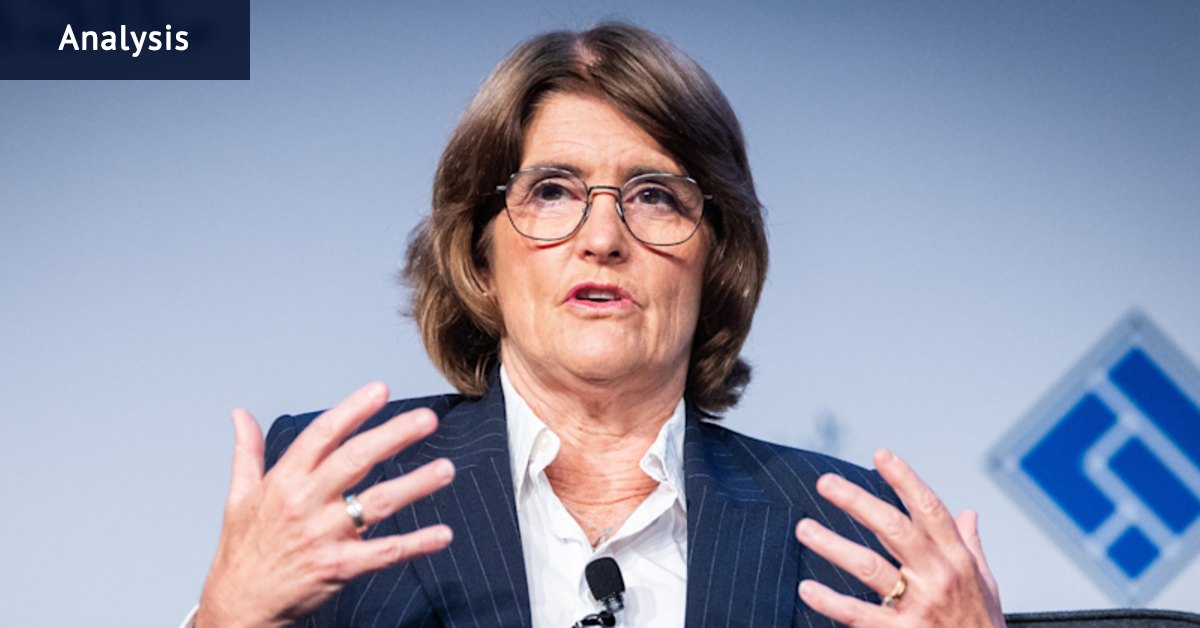
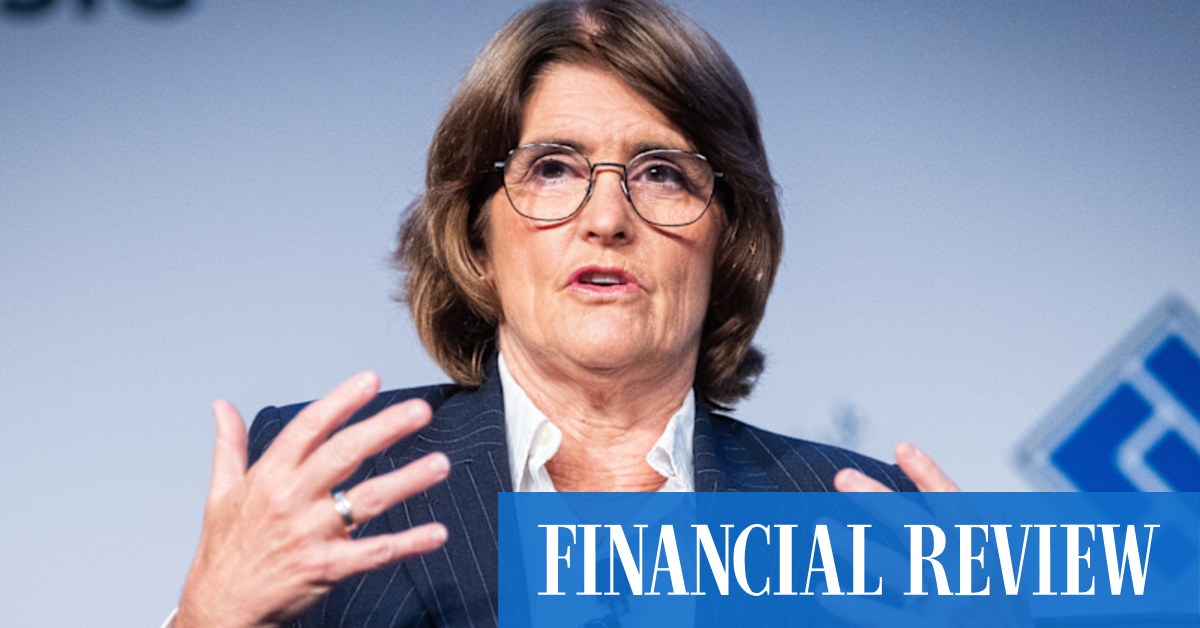
RBA governor Michele Bullock has announced five rate hikes this year. Picture: Gaye Gerard
Canstar insights director Sally Tindall said rising unemployment will be “uncomfortable reading” for the Reserve Bank board considering three members had voted against the hike over downside risks.
She noted that unemployment had now blown past the central bank’s own end-of-year forecast of 4.7 per cent.
“The RBA will not jump at just one number in one dataset, and it certainly won’t be pivoting back to cuts in the near future. However, it does cement one outcome: the Board will not be hiking at its next meeting in December,” Ms Tindall said.
“While the RBA still needs to deliver on price stability, it can’t ignore its other mandate to keep Australians in jobs. If unemployment continues to climb ahead of forecasts, further cash rate hikes become extremely unlikely.”
Higher interest rates have helped drive down national home prices by nearly 7 per cent. Picture: Glenn Campbell
Rising unemployment needed to be considered within a broader Australian climate of high mortgage stress levels and soaring living costs, Ms Tindall said.
“Servicing a mortgage or paying rent at current interest rates is hard enough; doing it without money coming in is an equation that doesn’t stack up, no matter how many budget cuts are made, unless you’ve got a buffer to fall back on,” she said.
Australian Council of Social Service CEO Cassandra Goldie said any more RBA rate hikes could be devastating for Australians and could plunge the economy into a deeper than expected correction.
“Australia is staring down a materially sharper downturn,” she said. “When unemployment rises, there are no guarantees it can be reduced quickly or easily.
Dr Wilson said the November rate hike sped at the rate of falls in already struggling housing markets like Sydney. Picture: Sarah Wilson
“It took over a decade for the unemployment rate to come back to 4 per cent after the increase in unemployment after the Global Financial Crisis in 2008.
“In the meantime, hundreds of thousands of people were forced into long term unemployment and young people couldn’t get their first job.”
It comes as Compare the Market research revealed 61 per cent of Australians felt financially worse off than they did a year ago, with some resorting to skipping meals, limiting showers and keeping the lights off to make ends meet.
Compare the Market economic director and former Sunrise host David Koch said many Australians felt they were “stuck in reverse”.
Help us improve your reading experience
Got a minute? Your feedback will help us build a better experience for you.