Home owners are cutting back on food and delaying electricity and water bills to keep up with mortgage repayments, RBA governor Michele Bullock says. Cost-of-living pressures are driving soaring demand for cheaper proteins such as mince, with Coles declaring “spaghetti bolognese is alive and well”. Further rate rises remain possible as the RBA continues its fight against stubborn inflation, despite the growing financial pressure on households.
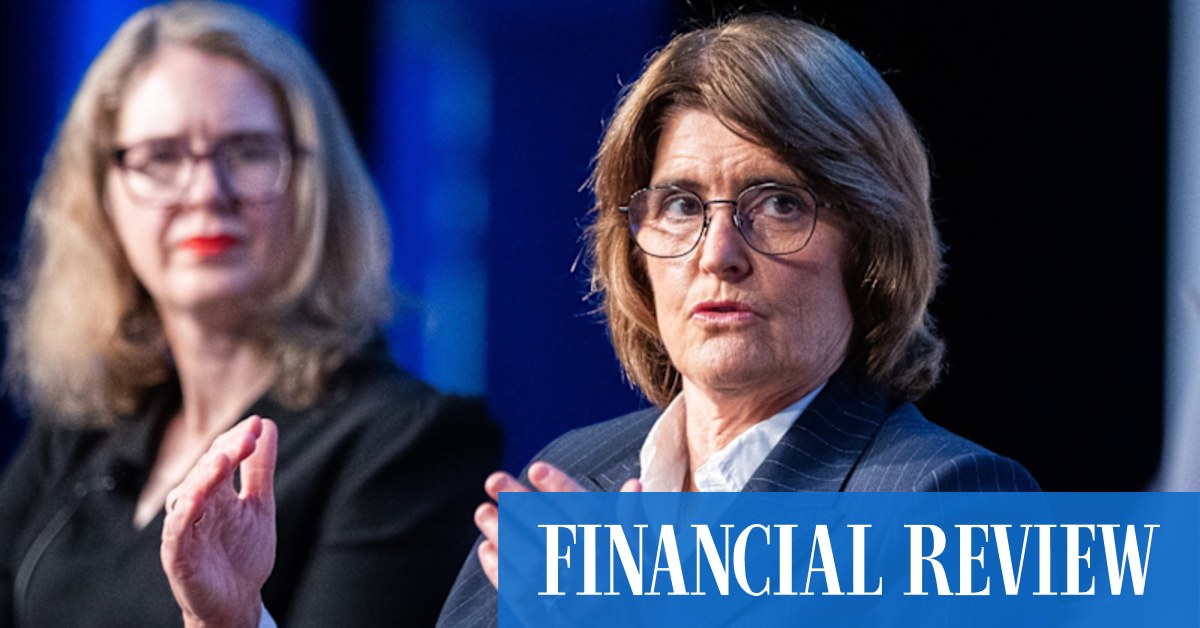
Reserve Bank of Australia governor Michele Bullock has conceded the human cost of five interest-rate hikes this year, saying some home owners are cutting back on food or delaying paying their electricity bills to meet mortgage repayments.
But she says the fight against inflation remains the priority, with the RBA board on Tuesday reiterating it will continue to do what it “considers necessary” to control inflation.
That leaves the door open to further hikes if prices continue to rise, although most economists expect the RBA to keep rates on hold at least until after Christmas.
The central bank earlier this month lifted the cash rate to 4.85 per cent, an 18-year-high, to bring inflation down and reduce cost-of-living pressures.
Bullock told an ASIC forum in Sydney that the cost-of-living squeeze was most acute among low-income renters, and that mortgage holders were making significant sacrifices to meet their home repayments.
“I’m conscious about what people might be doing to ensure they continue to meet their mortgages, and that’s often cutting back on things like food or that they don’t meet various bills, including electricity bills and water bills,” she told the forum.
“That’s why I worry about inflation, because what inflation is doing is putting pressure on households, on families, particularly at the lower end of the income distribution.”
Coles chief executive Leah Weckert told the same forum that cost-of-living pressure was pushing shoppers toward cheaper sources of protein, with demand for mince surging.
“Spaghetti bolognese is alive and well as a family staple,” Weckert said.
According to the minutes of the RBA’s November meeting released on Tuesday, the bank’s board said inflation was “still too high and forecast to remain so for another year”.
The minutes also revealed conflict between board members over the impact of the string of rate increases on households and the broader economy.
Six board members voted in favour of the hike at the meeting, while three voted to keep rates on hold.
Those who voted in favour of the hike believed the cash rate needed to increase to bring inflation under control as soon as possible.
Board members who voted to hold the cash rate were concerned about the effect of the five previous increases on employment and the housing market.
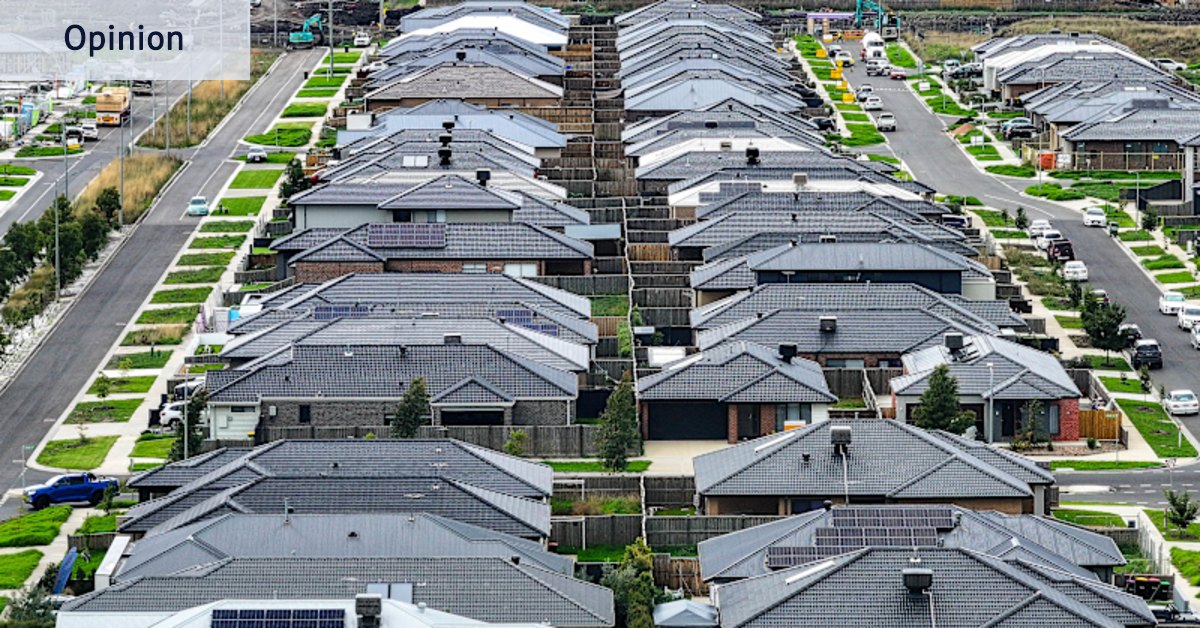
The steepest housing downturn in 40 years was a major concern as it threatened to spread beyond the property market to the broader economy.
“The cyclical downturn in the housing market … could weigh on activity both directly and indirectly, via weaker demand for housing-related goods and services,” the minutes said.
The RBA pointed out most home owners were managing the five increases in repayments.
Mortgage loan payments have risen to around their 2024 peak as a percentage of disposable income following this year’s rate rises. But the RBA argued households still had substantial buffers, and large balances in mortgage offset accounts could mean higher rates were not suppressing household spending as strongly as they otherwise would.
Despite higher repayments, housing loan arrears remain low. The RBA noted new housing lending had fallen “quite sharply” with the drop particularly pronounced among investors.
Despite the impact of rising rates on housing, Bullock flagged that fighting inflation remained the central bank’s main priority.
Concern about elevated oil prices and extra demand from the AI and data-centre investment boom had combined with fears that inflation “expectations” were becoming entrenched.
Bullock warned that businesses were beginning to believe that 3 to 3.5 per cent inflation could become the “new normal”, adding that if that view became embedded among businesses and households, it would become much harder to return inflation to the RBA’s 2.5 per cent target.
Glen Norris is an experienced journalist and editor with a career spanning four decades across Asia, Australia and Europe. His roles have included stints at Bloomberg News and Asian Wall Street Journal.
House prices have surged 38% in this Aussie suburb, but the median is still just $325,000
Interstate investors are piling into this affordable South Australian suburb, where $300,000 houses can fetch $430 a week in rent and properties are being snapped up before they even hit the market.
‘No bidding at all’: Aussie auction results reveal grim reality
The property market continues to struggle following the lowest clearance rate in six years.
Australian house prices are falling. So why aren’t homes getting more affordable?
House prices may be falling, but soaring interest rates mean affordability has barely improved, with the average mortgage repayment down just $10 a month despite a 6.2 per cent drop in capital-city home values.
The information on this website is intended to be of a general nature only and doesn't consider your objectives, financial situation or needs.
Prices in this article are current at the time of publication. Click ‘view listing’ to view the most up-to-date prices.