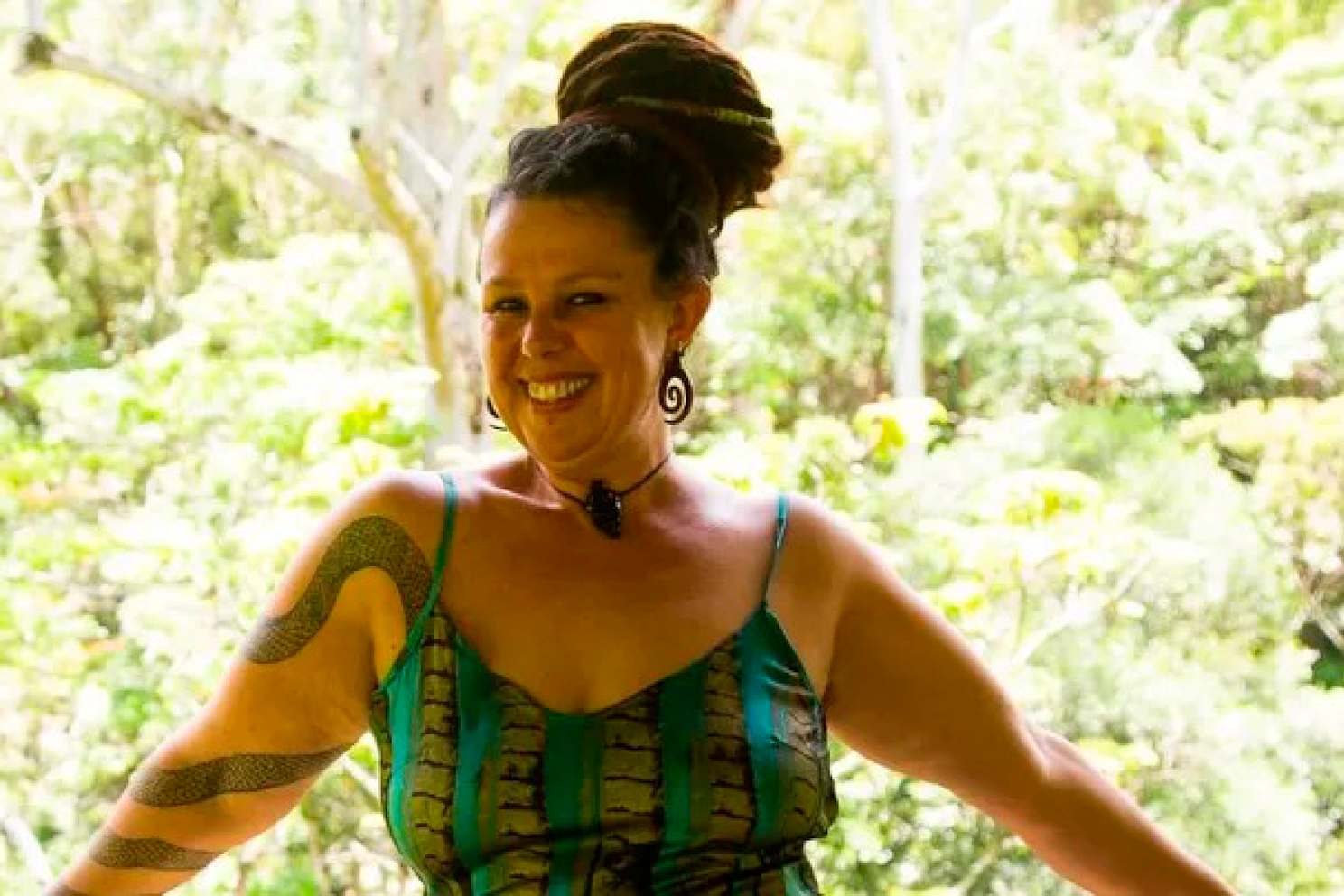
A Byron doula did not know a woman was carrying twins and could only sense or feel that she was pregnant with one child after “constant mapping” of the mother, a coronial inquest has heard.
The NSW Coroner’s Court on Tuesday was told the woman did not have any ultrasounds during her pregnancy and relied on the advice of so-called birth keeper Sita Kali before the deaths of her two children during a free birth in 2024. One twin was stillborn and the other, known as Baby D, died three hours later.
The court heard if the woman’s pregnancy with Baby D and his brother was managed conventionally, both twins would probably have survived.
Baby D is one of four newborn deaths being examined at an inquest being held at Lismore Local Court. On Monday the court heard about the death of Baby R , whose birth was also attended by Kali.
The deputy coroner will hear about a third free birth and a medically supported homebirth in the coming days. All four deaths were within the Northern Rivers region, a hotspot for the small but growing trend of free births, which doctors have warned can increase the risk of death or disability for babies and mothers.
On Tuesday, the court heard that Baby D may have died after Kali cut the umbilical cord with kitchen scissors without clamping it.
The birth keeper, who has no formal medical training, cut the cord to allow the mother to hold Baby D close to her chest.
“The moment you make a decision to surgically cut a cord, you must clamp first,” University of Western Sydney Professor of Midwifery and Associate Dean Hannah Dahlen told the court. “It’s just fundamental.”
The loss of 40ml of blood in a baby of Baby D’s size could send it into shock and be fatal, the court heard. In an emergency, the cord could have been clamped with someone’s hand.
Baby D’s mother decided to have what she referred to as a “sovereign birth” without medical support after a traumatic experience birthing her first child. The woman told police that during her previous birth, her homebirth midwife “didn’t really have that much trust in me”, and the woman’s care was escalated after she had laboured at home for 12 hours.
The mother said she was then faced with an “onslaught of intervention” and that an obstetrician at Tweed Heads hospital urged her to have a c-section because he wanted to go home early.
A recent University of NSW and University of Technology Sydney analysis of more than 340,000 births in NSW over a 14-year period found rates of “cascade” interventions such as inductions and caesarean sections had more than doubled since 2004, potentially leaving mothers traumatised by unexpected procedures.
Counsel assisting the coroner Ragni Mathur said: “This examination into [a baby’s] death will shine a light into why women choose to free birth and what drives some women away [from the medical system].”
The coroner’s court has no jurisdiction over the death of a stillborn baby, and is solely focused on Baby D’s death.
Baby D was born a few minutes before Kali arrived, and appeared healthy. The mother then felt she needed to deliver the placenta, however instead birthed the second baby, who was stillborn, followed by the placenta.
After the twin was born, Baby D began having trouble breathing, and an ambulance was called.
The mother told police that she intuitively knew that Baby D wasn’t going to make it. “I had him on me and he was still taking short breaths,” she said through tears in the recorded interview. She said as soon as she put him down for the paramedics to start their work, she “knew he was gone”.
Police said the stillborn baby was on the couch when they walked in.
A number of resuscitation efforts were made, but Baby D could not be revived.
Another explanation for his death is twin-to-twin transfusion syndrome, a condition in which blood passes unevenly between babies, leaving one with too much blood and the other not enough.
The mother told police that she does not regret anything about her prenatal care.
“I feel like ... they were born with love and they got to leave with love,” she said in her interview. “I got to have such a beautiful birth experience.”
“It’s really unfortunate and we’ve been grieving really heavily but … I believe nothing could have been done to help them that wasn’t already done.”
The mother said if she had known about her condition during her pregnancy, she would have had to terminate the babies or been exposed to an “onslaught of medical procedures”.
Mathur said this assumption was likely correct, and reflected the strength of conviction that women who choose to free birth can feel.
The Red Nose Grief and Loss Support Line is available 24/7 for anyone affected by the loss of a pregnancy, stillbirth or death of a baby or child on 1300 308 307.
You have reached your maximum number of saved items.
Remove items from your saved list to add more.
You've used all of your gift articles. 3 more will become available on the 1st of every month.