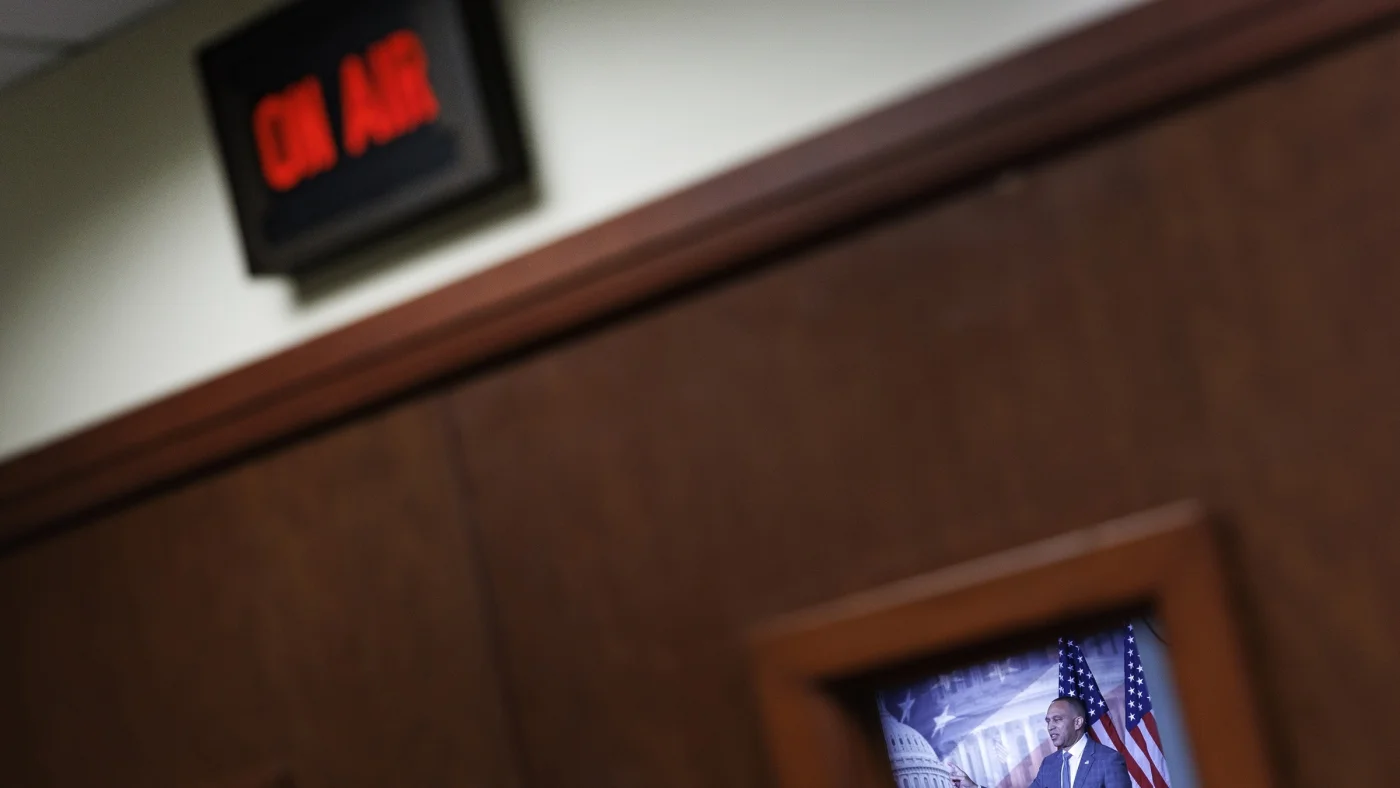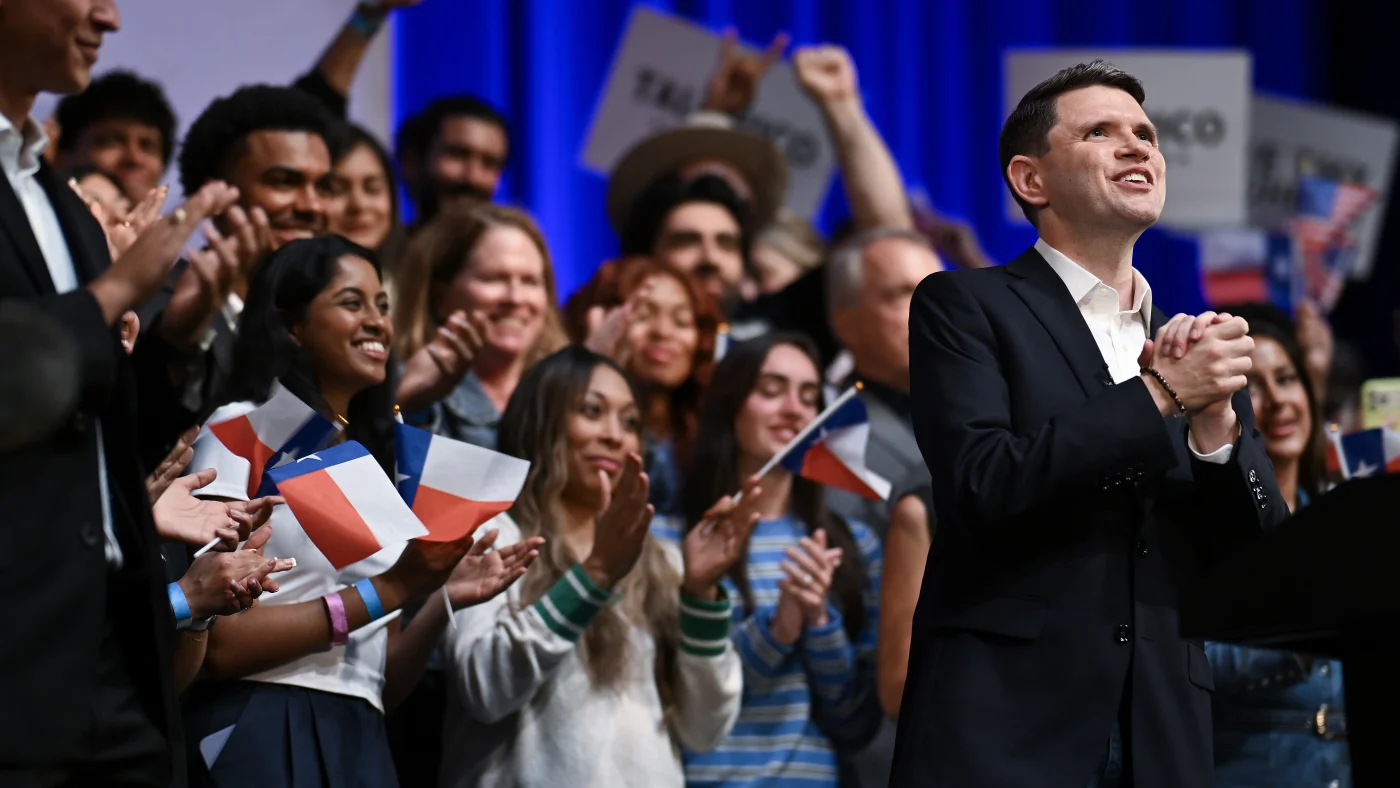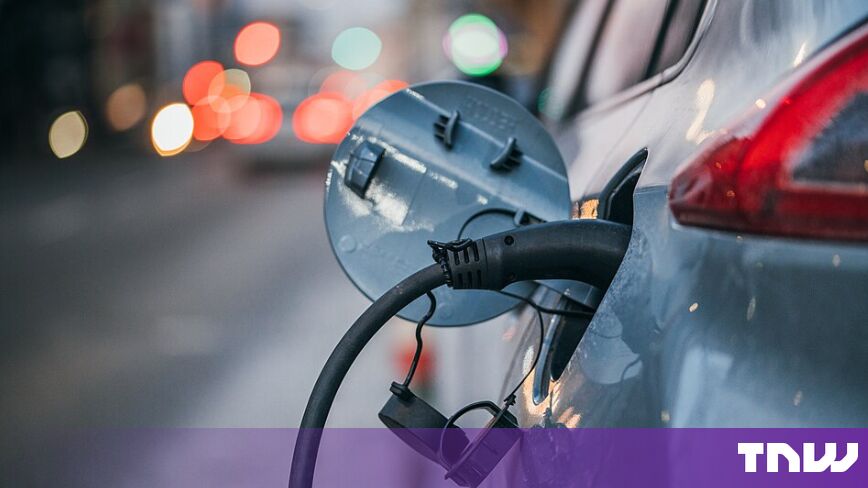
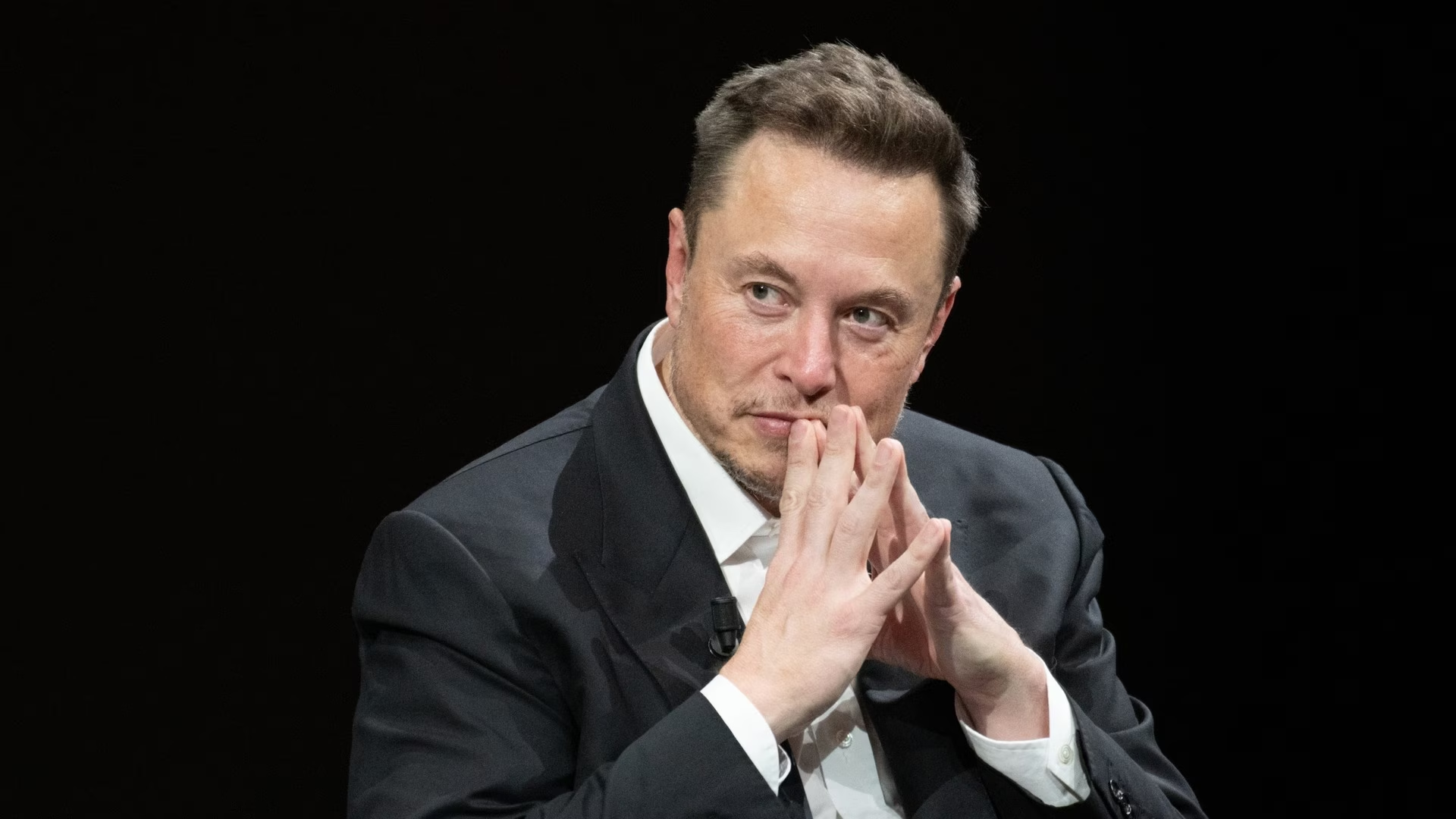

The heads of Rivian, Lucid and Scout Motors say they are not counting on Democrats to bring back federal support for electric vehicles, CNBC reported . Democrats take control of Congress in January after their midterm wins .
The federal tax credit of up to $7,500 ended for EVs bought after 30 September 2025. Sales spiked before the deadline and have fallen since, CNBC said.
Rivian chief executive RJ Scaringe said he hoped Congress and President Donald Trump could find middle ground. But Rivian is not planning on it.
“I think we’re going to actually have a lot of challenges getting things done,” he told CNBC.
Lucid, which is backed by Saudi Arabia’s Public Investment Fund, is taking the same line.
“You know, they say, ‘Plan for the worst and … hope for the best,’” chief executive Silvio Napoli said.
He added that Lucid would take anything positive.
Scout, the Volkswagen-backed startup, says it was built from the start not to rely on legislation. Chief executive Scott Keogh said he would prefer any support to target production rather than buyers.
“Anything that can drive down production cost is going to, of course, get passed along to the customer,” he said.
Price is the sticking point. The average new EV sold for $55,879 in September, according to Cox Automotive data . The average new car sold for $50,562.
Some states have stepped in. California’s new MyFirstEV rebate waives its price cap for EV-only carmakers based in the state, which covers Rivian and Lucid.
Rachel McCleery of the Coalition for Reimagined Mobility told CNBC she expects debates in Congress over EV and supply chain incentives. Democrats’ early priorities lie elsewhere, though, CNBC said, including healthcare and oversight of the administration.
Get the most important tech news in your inbox each week.