You have reached your maximum number of saved items.
Remove items from your saved list to add more.
You've used all of your gift articles. 3 more will become available on the 1st of every month.
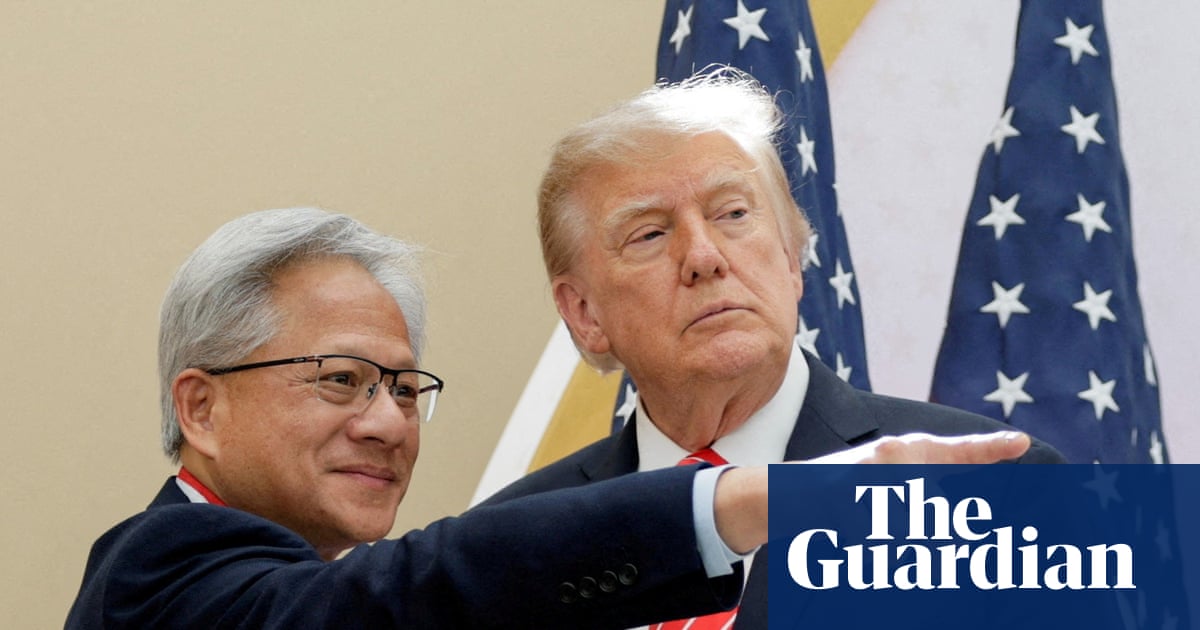
Jensen Huang’s admission of a marital affair with a woman suspected of being a Chinese spy raises two critical questions: What does it mean for Nvidia? And what does it mean for the artificial intelligence arms race between the US and China?
The two are related because Nvidia is the cornerstone of America’s leadership in AI. It supplies the world’s most advanced chips – chips that are a generation ahead of China’s.
Nvidia is also at the centre of America’s AI ecosystem, supplying not just chips, but vendor finance to frontier labs and neoclouds to help them acquire those chips that cement both America’s leading technology edge and the infrastructure that the industry rests on.
Huang is the pivotal figure in that system. It was his chips that trained the OpenAI models that, with the launch of ChatGPT in late 2022, ignited the AI boom. It is his chips that still dominate US and global AI development . Nvidia struggles to keep up with demand.
Huang, who co-founded Nvidia in 1993, is not just the chief executive of the company and its chief strategist, but heads its sales and marketing as well as product development.
He sits atop a most unusual corporate structure, with more than 60 direct reports. In no major listed company in the US does so much responsibility and power lie with a single executive.
If he were to be removed – either by his board, which has said it will conduct an inquiry, or by external pressure – could Nvidia function as effectively? There is no line of succession, or obvious successor, within the company.
Both Nvidia’s board – which has no chair, making Huang’s role even more unusual and central – and Huang himself are about to come under extreme pressure. Congress – Republicans and Democrats alike – is planning a series of hearings to investigate the affair and its implications for national security.
Given that Donald Trump was warned by US intelligence agencies a year ago of Huang’s relationship with Alice Huang (no relation) and her suspected links to Chinese intelligence, and that his Secretary of State Marco Rubio reportedly wrote a memo to senior administration officials warning them of the relationship and its potential implications, the US president himself will be dragged into the scandal.
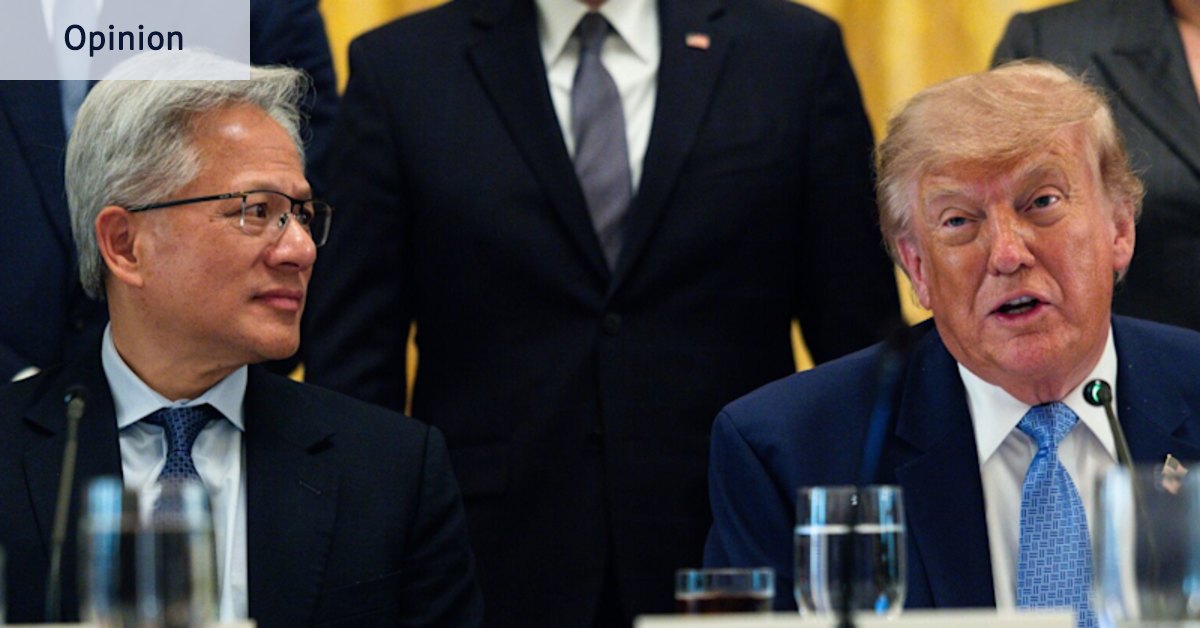
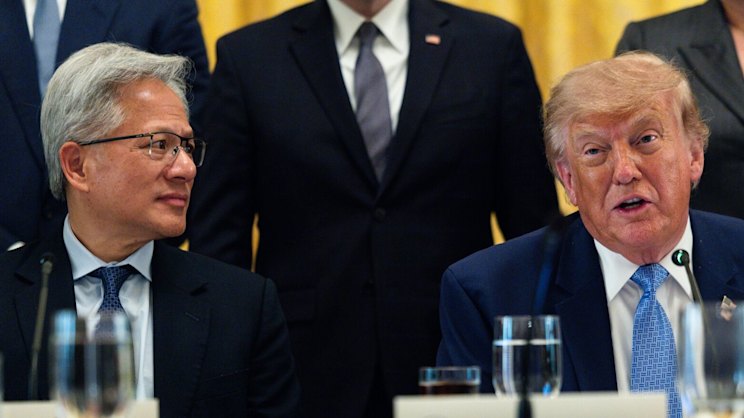
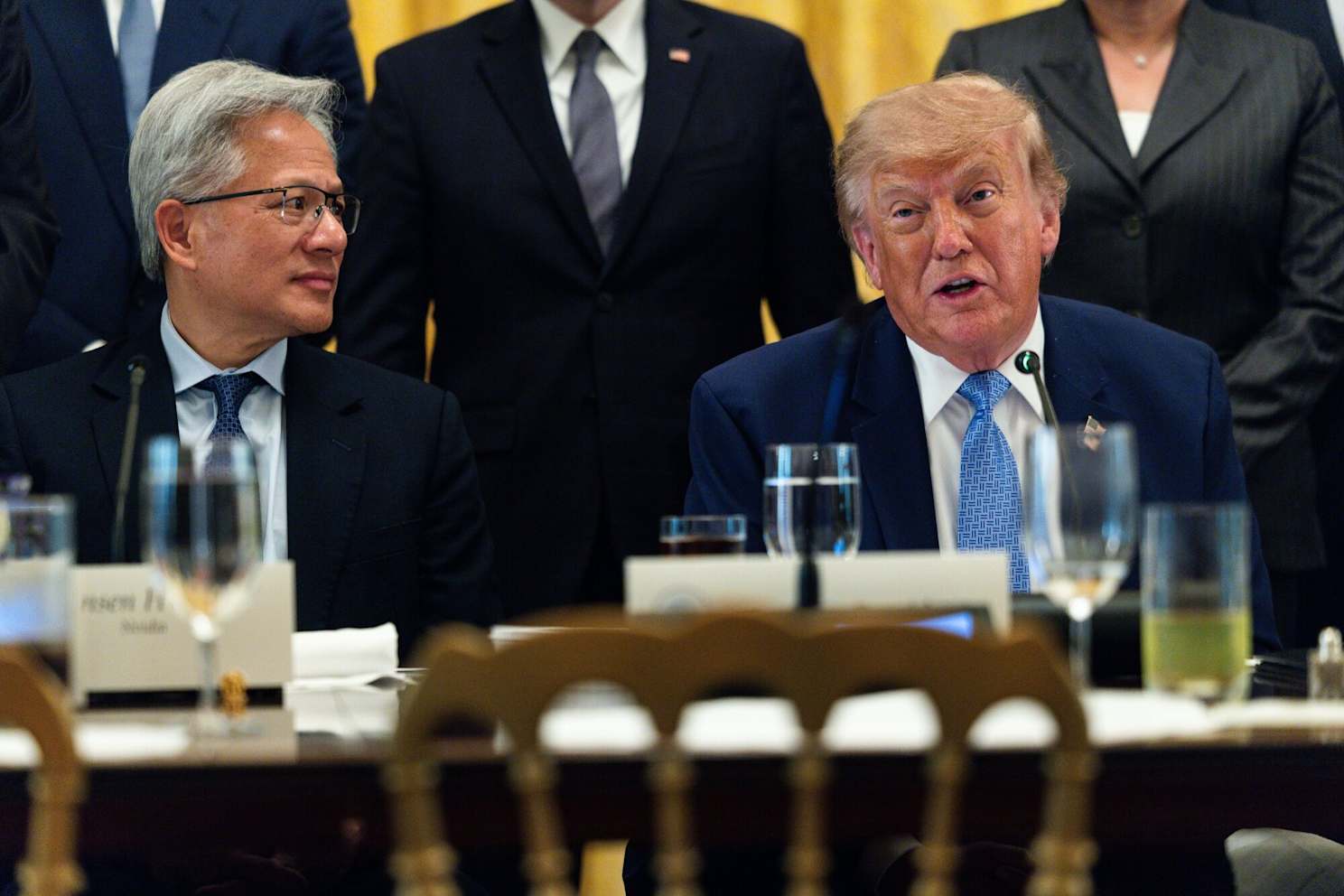
Huang has had a very close and influential relationship with the Trump administration, and Trump personally. A $US25 million ($36 million) donation to Trump’s White House ballroom may have helped, as well as a deal with him to let Nvidia sell its H200 chips – its second-best product line – to China in exchange for a 25 per cent cut on those sales for the administration.
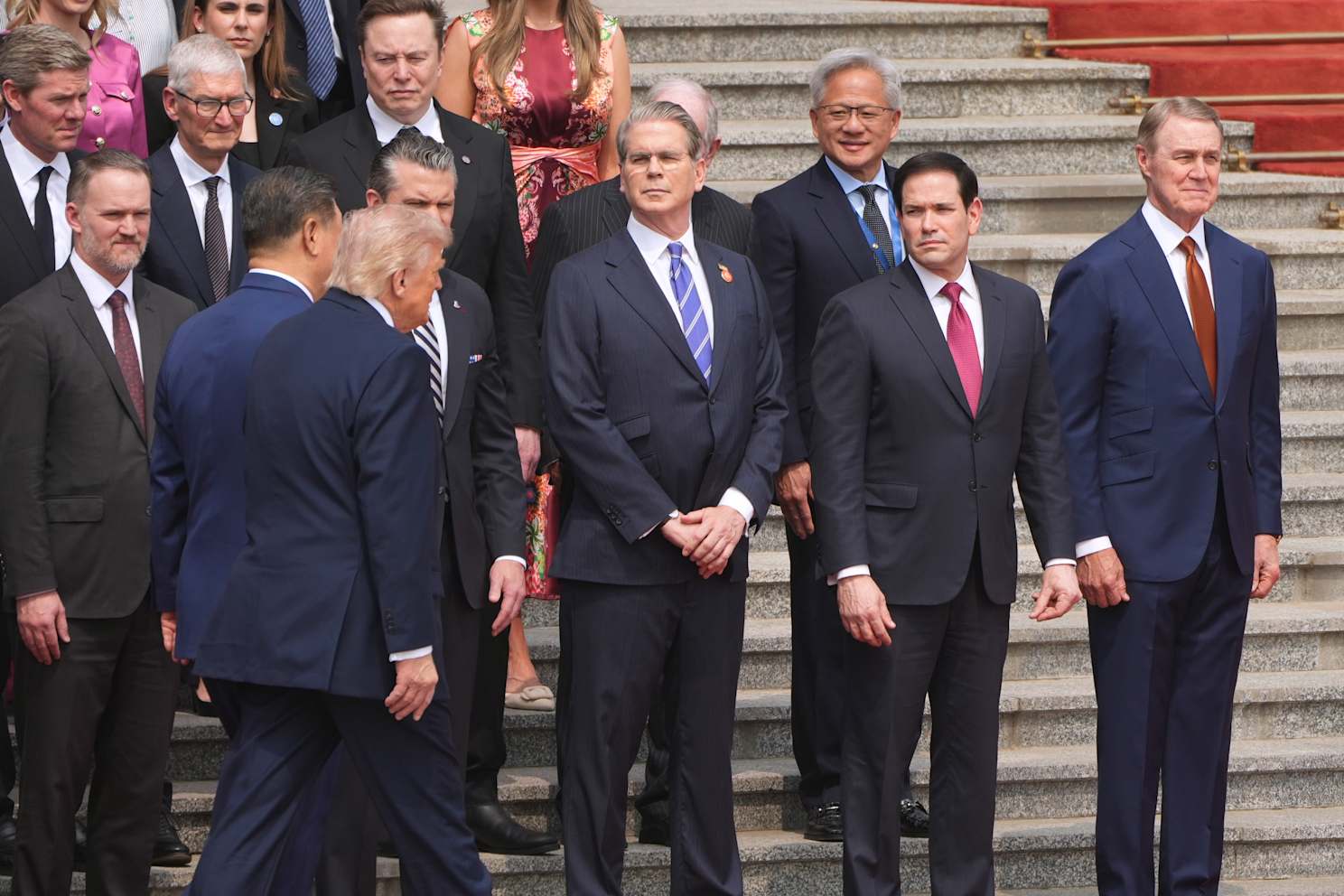
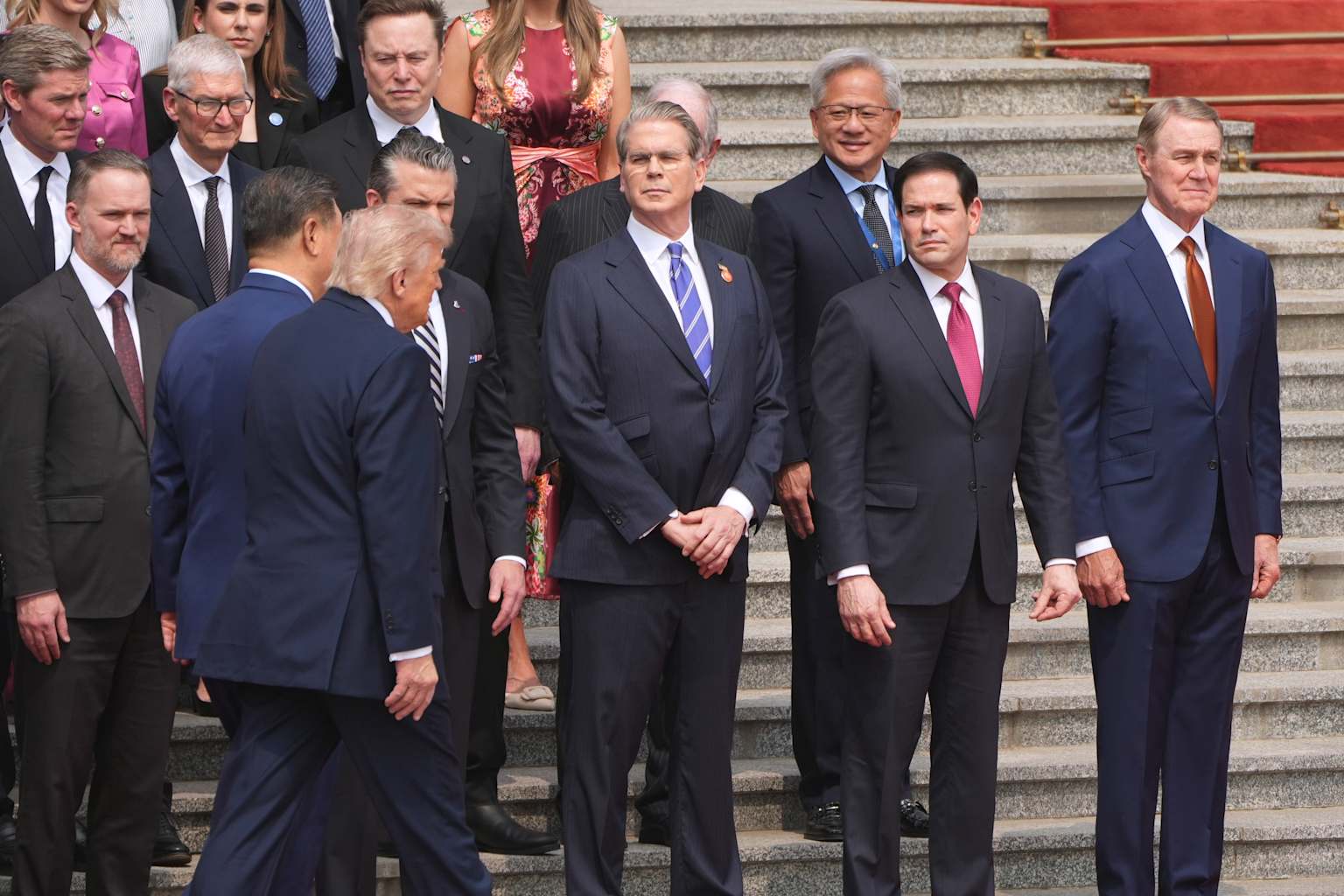
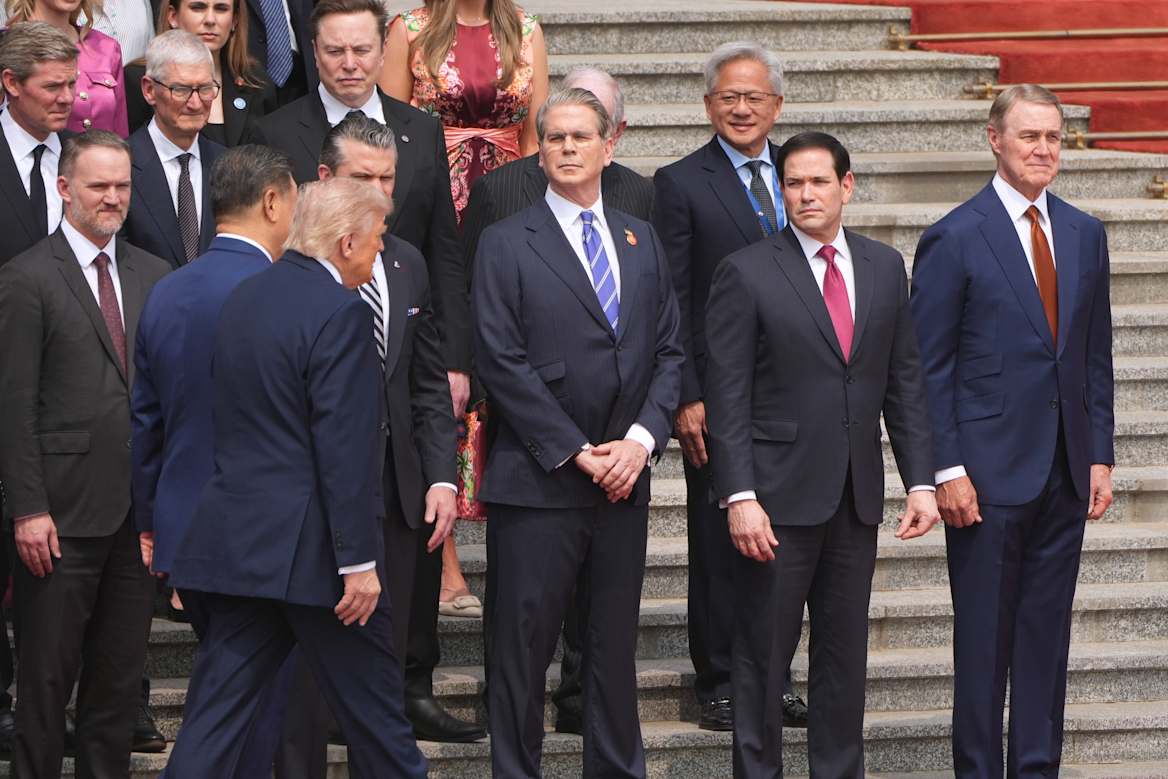
Trump took Huang earlier this year to the summit with Xi Jinping in Beijing and reportedly also wants the Nvidia boss to accompany him to the Asia-Pacific Economic Cooperation (APEC) summit in Shenzhen, China later this month.
Huang has been a consistent advocate for removing America’s restrictions on sales of its best chips to China, arguing that security fears were overstated because China already had AI chipmaking capacity, and that selling it American chips would strengthen the US industry (and make Nvidia a lot more money) by accessing the vast Chinese market.
Huang – regarded as the tech mogul closest to Trump who, along with Elon Musk, exerts significant influence over the US administration – has also argued strongly against regulation of AI.
Trump has listened to Huang, and turned a deaf ear to the China hawks in the administration and Congress.
Unlike the Biden presidency, where America continually tightened restrictions on sales of leading US technology to China in a “small yard, high fence” strategy , Trump hasn’t added to the “entity list,” or the list of Chinese companies that US companies aren’t allowed to deal with. Neither has he imposed any meaningful regulations on the AI sector.
Trump initially responded to the news of Huang’s admission of the affair by describing him as “a fine person,” and “honourable guy,” who “probably has an excuse for it.” Subsequently, he has said Huang told him he had no idea that Alice Huang was a spy. Trump has said he should stay on as Nvidia’s CEO.
Alice Huang was a senior executive with a Singaporean company, Megaspeed , which emerged over the past two years as Nvidia’s largest customer in South-East Asia.
The company, which has links to China’s Alibaba, is suspected as being a conduit for smuggling Nvidia’s leading Blackwell chips into China although Beijing, naturally, has described the allegations of a spying plot as groundless and a “smear campaign.”
Nvidia itself has denied in the past that there was anything questionable about its relationship with Megaspeed.
Whether or not it is via Megaspeed, a lot of Nvidia’s most advanced chips have been turning up in China, which doesn’t yet have the ability to manufacture chips with Nvidia’s capabilities.
Late last year, Beijing purported to ban imports of US chips to fast-track its own chip development, but that doesn’t appear to have slowed the flow of Nvidia chips into the country.
Huang’s affair, and the overwhelming victory of the Democrats at the midterms, is almost certainly going to lead to a significant toughening of restrictions on sales of America’s most advanced chips to China and into markets suspected of sending them on to China. Billions of dollars of sales to Megaspeed were effectively lost when Huang made his admission.
Tighter restrictions on sales that could end up in China will impact Nvidia hardest as a material proportion of its sales – on some estimates more than 20 per cent – directly or indirectly appear to end up in China.
Nvidia is financially robust. It has $US22.4 billion of cash and $US34 billion of marketable securities, mainly Treasury securities, in its balance sheet. Its vulnerability is that it could lose a leader it appears totally dependent on.
The market’s response to the developments says investors understand the severity of the threat.
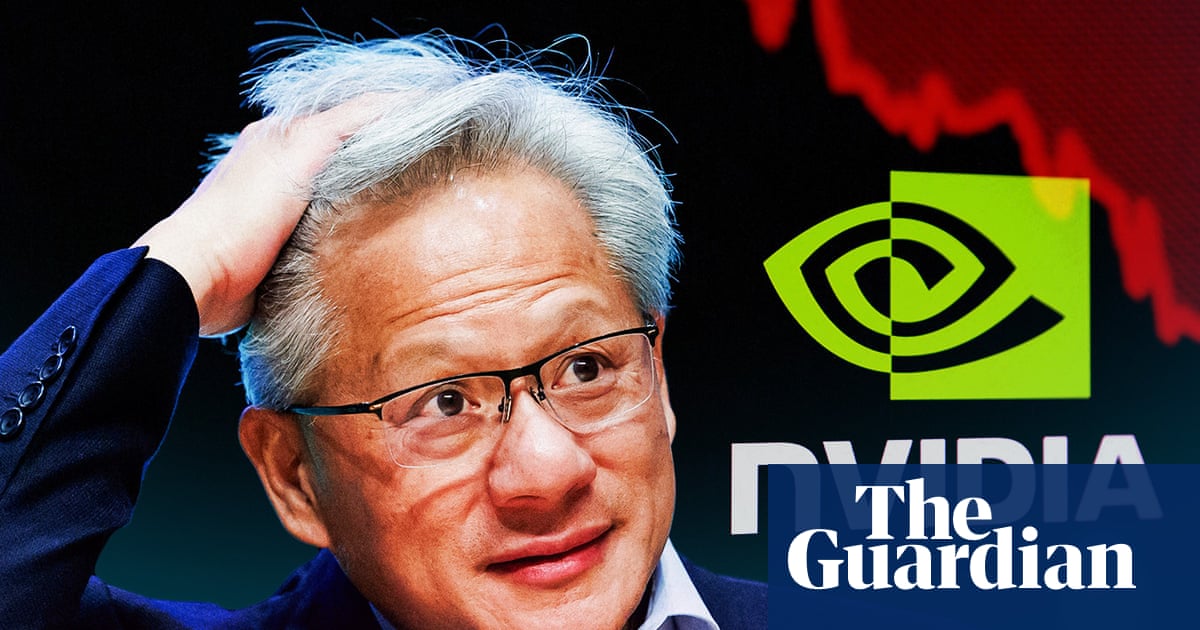
On Monday, even as the Nasdaq index rose 2.74 per cent, Nvidia shares were down 4.3 per cent. Since peaking at $US239 on October 6, its share price has slumped to $US178.67. The chip giant has lost more than $US1.5 trillion in market capitalisation in just over three weeks.
If Nvidia is weakened by Huang’s affair – if Huang were forced out – it would place a questionmark over the key piece of America’s AI edifice.
Many of the complex maze of relationships with customers that Nvidia has financed over the past few years as it became the banker to the weaker parts of the AI sector have been built on Huang’s personal relationships and creativity.
Any questionmark over Nvidia’s continuing ability to perform that role places a larger questionmark over a significant part of a sector already threatened by the Democrats’ aversion to data centres, tech billionaires and unregulated AI, and investors’ concerns about an AI bubble.
The affair is damaging to Huang personally, and to the company he has dominated for the past 33 years. It could also be very damaging to the AI sector that Nvidia has played such a central role in developing.
The Market Recap newsletter is a wrap of the day’s trading. Get it each weekday afternoon .
You have reached your maximum number of saved items.
Remove items from your saved list to add more.
You've used all of your gift articles. 3 more will become available on the 1st of every month.