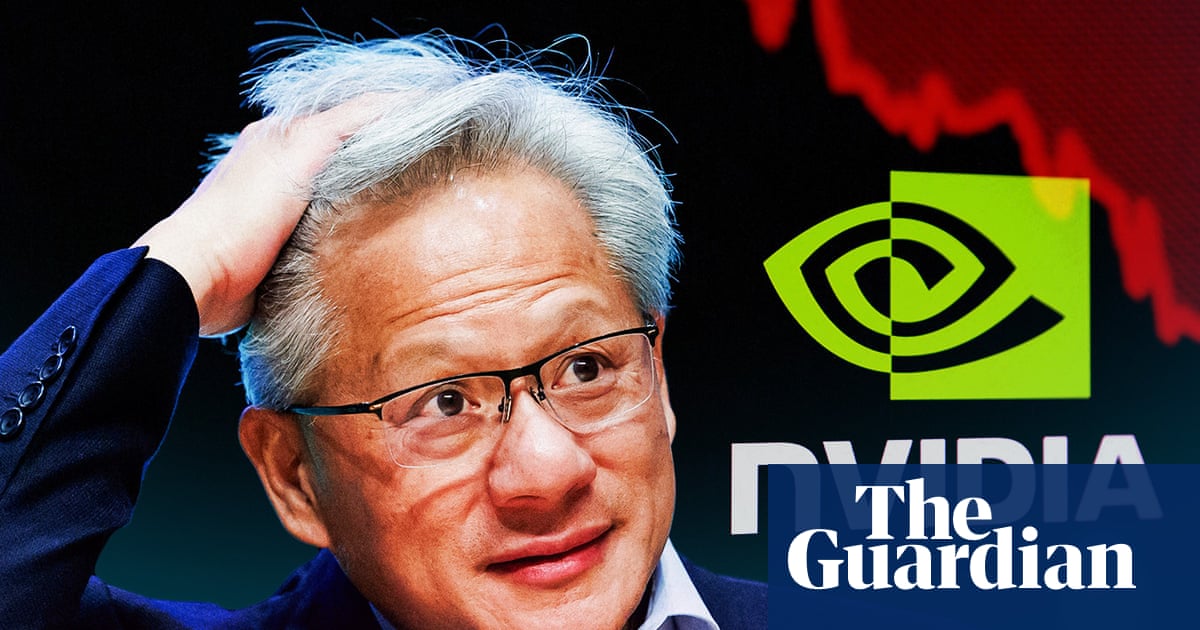
How close is Donald Trump to Jensen Huang?
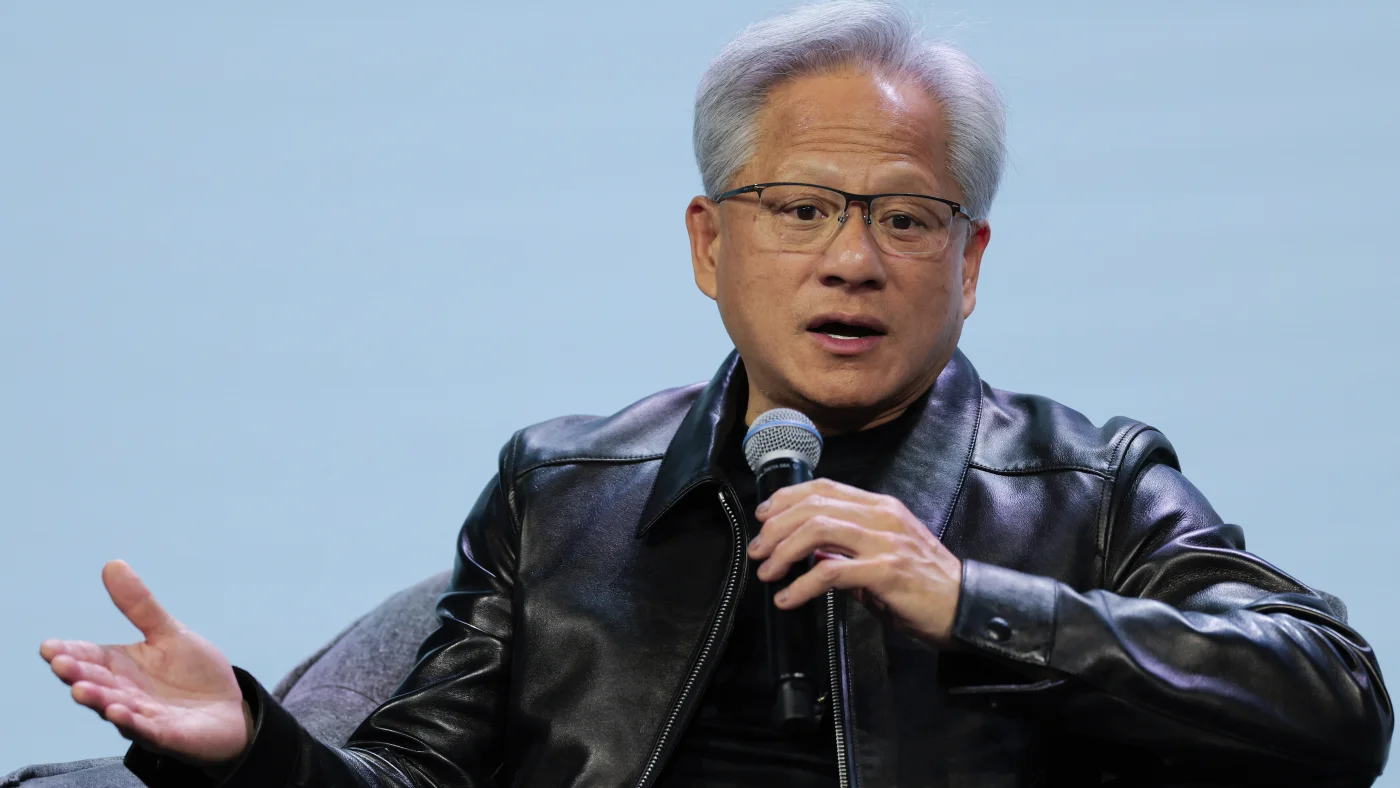
The Nvidia boss was one of the few business leaders with direct access to the US president. He had met Trump repeatedly, travelled with him to Britain and, in May, joined him on Air Force One for his trip to China.
Jensen Huang wasn't just another tech billionaire seeking the president's ear. He had become an important voice in one of the biggest arguments inside the administration: how much of America's most advanced technology should be allowed to reach China.
Nvidia makes the chips that power the AI revolution. Washington has restricted exports of its most advanced processors to China since 2022, believing they could help Beijing develop its military and technological capabilities.
But enforcing those restrictions is difficult. Chips can be bought legally by customers in countries such as Singapore and Malaysia and then diverted to China. Chinese companies can also rent access to computing power through data centres outside the country.
Jensen Huang has long argued that the restrictions are counterproductive. They shut Nvidia out of a huge market and encourage Chinese companies to develop their own alternatives. Trump appeared sympathetic to this view, allowing Nvidia to resume sales of certain chips to China last year in return for a share of the revenue, although its most advanced Blackwell chips remain off limits.
But that relationship now looks rather more complicated.
The allegations surrounding Jensen Huang's reported affair with Alice Huang, of no relation but a former executive at Singapore-based company Megaspeed, have raised the possibility that a foreign intelligence operation was targeting not just a powerful businessman, but someone with unusually close access to the American president.
US intelligence reportedly suspects Alice Huang of having links to Chinese intelligence. Beijing has rejected the allegations. Nvidia's board says it has no reason to believe company secrets or national security were compromised. But the affair has opened up a much bigger question: what did the administration in Washington know, and what did it do about it?
That question leads directly to Commerce Secretary Howard Lutnick.
His department was responsible for controlling exports of sensitive American technology. It was also being pressed to act on concerns about Megaspeed, an Nvidia customer suspected of helping divert advanced chips to China.
On Thursday, Megaspeed chief executive, Tan Yong Pong, also known as James Tan, said the company "takes its compliance obligations under US export control laws extremely seriously" and is "committed to working constructively and transparently with the US government". He said the company had co-operated with US Commerce Department inspections.
A highly classified memo was shared with Lutnick about the concerns surrounding Alice Huang and Megaspeed. He resisted taking action against the company, a decision that is now under scrutiny.
Other senior officials wanted a tougher response. Treasury Secretary Scott Bessent was among those who reportedly questioned why Megaspeed had not been placed on the Commerce Department's blacklist.
There were also questions about why an investigation into the Singapore-based company was stopped after Nvidia intervened. The New York Times reported that Nvidia's general counsel contacted Commerce Department investigators probing suspected chip smuggling by Megaspeed invoking a senior Trump appointee. The department allegedly then froze its investigation and handed the case to the Justice Department.
This apparently highlighted a significant disagreement about the direction of Trump's China policy. Huang wanted access to the Chinese market. Other officials were supposedly worried about the national security consequences. Lutnick was caught in the middle.
Now the political pressure is building.
Members of Congress from both parties want answers. Democrats have launched an investigation into how the Commerce Department vetted Chinese companies approved to buy AI chips. Republicans are also questioning the administration's approach.
And Jensen Huang's departure has not eased the pressure.
Republican representative John Moolenaar, who chairs the House Select Committee on China, said it was in the national interest for Nvidia and other American AI firms to succeed, but that companies "should never jeopardise our nation's security" by giving Chinese firms access to their most advanced chips.
Senator Elizabeth Warren, the top Democrat on the Senate Banking Committee, said Huang's resignation did not absolve him of responsibility, and urged Lutnick to explain why export control loopholes remain open.
Meanwhile Jensen Huang's team told Republican lawmakers on Wednesday that he plans to cooperate with their request to testify behind closed doors.
The White House has not responded to the BBC's request for comment.
It has, however, told the New York Post that Trump has complete confidence in Lutnick, describing him as "the most transformative commerce secretary in modern history".
That is a fairly emphatic show of support, particularly amid reports that officials are weighing whether Lutnick should be forced out.
There are some obvious questions. If Lutnick had indeed been warned about the risks, why did his department fail to act? And if other senior officials were indeed pressing for action, why did it take so long?
The BBC has contacted the Commerce Department for comment. But there is an even bigger question for Trump.
The president cultivated a close relationship with Huang. He was directly involved in decisions about chip sales to China. And, according to reporting in the New York Times, he was briefed on the intelligence concerns.
This is becoming difficult to dismiss as the misjudgement of one businessman or one government department.
Jensen Huang's personal life may have triggered the crisis, but the questions now reach into the White House itself. How much influence did he have? What did the president know? And who was ultimately responsible for protecting America's most sensitive technology?