
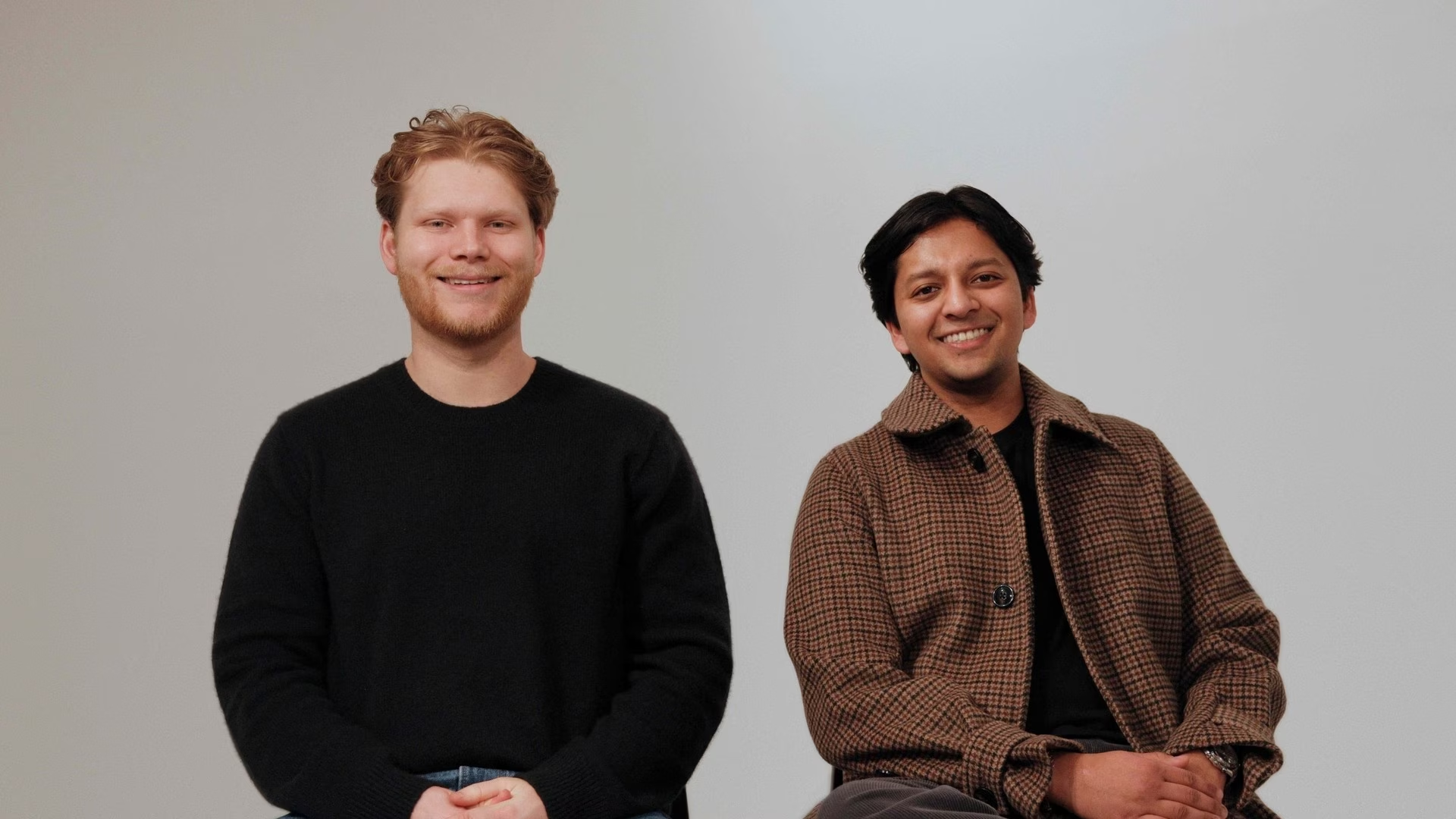
Tomorrow Lab® Partner Theodore Ullrich studied Inventive Design Engineering at Purdue University. He later earned a master’s in Industrial Design at Georgia Tech. Ullrich has also taught Smart Objects, a tangible design course, at the School of Visual Arts in New York. It is programs and experiences like this that shape the way the Tomorrow Lab® team approaches product design and engineering.
In 2010, Ullrich and Pepin Gelardi co-founded Tomorrow Lab ®. It is a hardware innovation studio in the heart of New York City. Gelardi earned a bachelor’s in Mechanical Engineering at Columbia University. He studied Industrial Design at Scuola Politecnica di Design in Milan. In 16 years the team has worked on hundreds of hardware products, from bicycles to toothbrushes to soil sensors.
“The upfront prototyping procedures have gotten a lot easier, thanks to electronic prototyping platforms maturing, more ‘hello world’ examples, more documentation, and more open-source starting points,” Ullrich said in a September 2026 interview with Steve Turbek .
The step from a working prototype to mass production has, however, not gotten much easier.
In October 2026, Ullrich co-presented a session during LA Tech Week with Thunder Zhang, founder of NexPCB. Its title was “ Design Decisions That Decide Your Pilot Run. ” Most of the founders who joined the session had a concept or a working prototype. One theme was the common things Ullrich and his team hear from founders. It starts with “ I don’t have experience developing hardware products .” With this in mind, the Tomorrow Lab team offers insights to what founders should know before their first factory run.
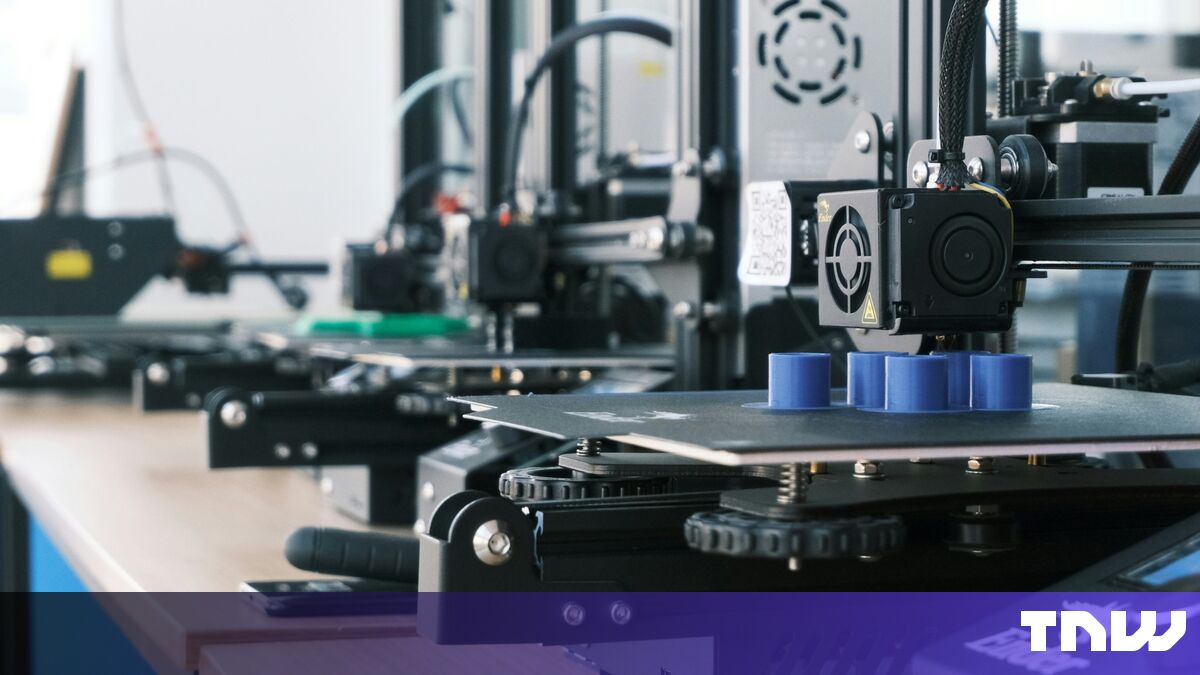
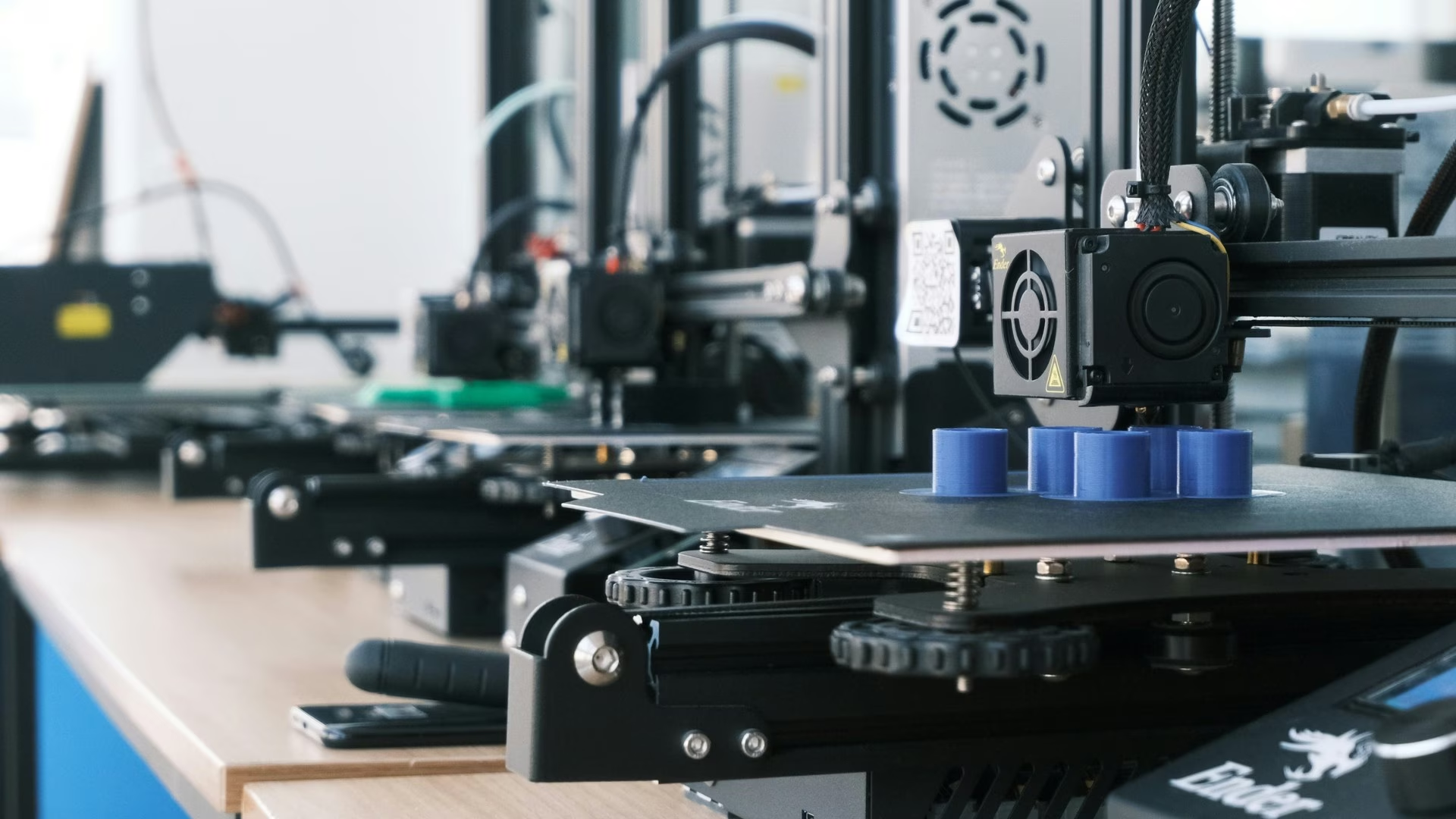
A 3D print or a dev board can prove the idea. It can’t show whether a factory can injection mold the part. Nor can it show whether the circuit board is correctly designed for SMT assembly, where machines place and solder the components. Those are separate questions, and they need their own prototypes and tests.
Tomorrow Lab® uses four tiers to prototype and test.
Tier 0 is a looks-like model, such as a rendering, a 3D print or a display model. People can react to the size and form before anything works. Four phases of holistic design & engineering planning get us to Tier 0.
Tier 1 is works-like, and for those, Ullrich told Turbek, “we don’t pay attention to how it looks at all.” Rather, we focus on its function. The team breaks the product down into its subsystems, like battery charging separate from the sensors. That way the team can focus on the features that are the most risky and difficult. It can put engineering time there instead of the low-risk subsystems.
Tier 2 is a works-like and looks-like model that brings all of the subsystems and aesthetic details integrated together into one functional device. It’s the MVP most clients have in mind from the start. However, our Tier 2’s aren’t yet perfected nor are they ready for handoff to factories.
Tier 3 is a factory produced sample made by the factory. Once it passes remaining testing, the design is ready for tooling. Next come the EVT (engineering validation), DVT (design validation), and PVT (production validation) processes, which are industry-standard for NPI (New Product Introduction).
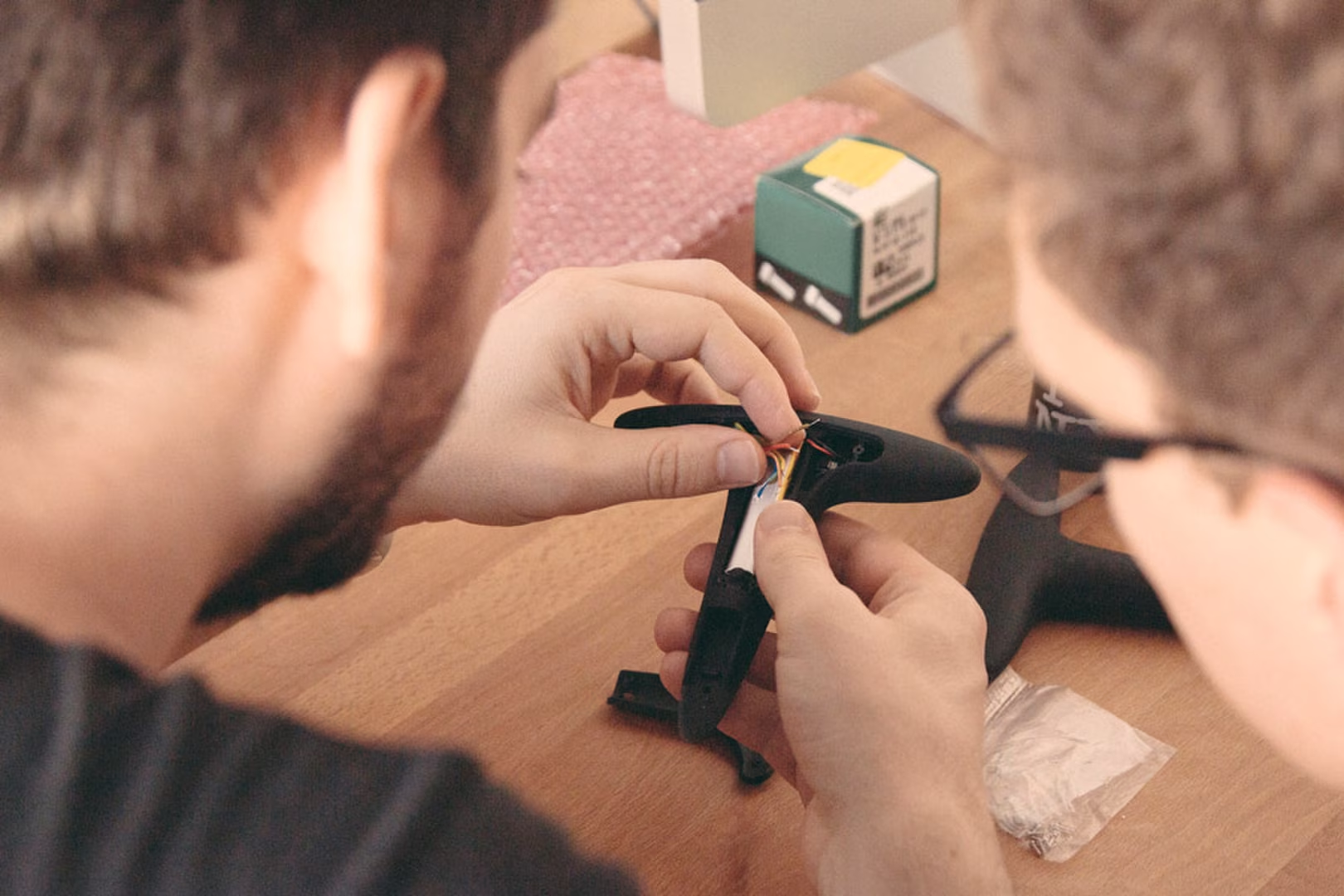
Hammerhead One, a Bluetooth handlebar display for hands-free bike navigation, is an example of Tomorrow Lab working through the tiers in order.
“The end result is a T-shaped device, but we started with a square PCB that was bigger than needed, so we could probe and make sure everything was working on the circuit before investing in the scaled-down, integrated design,” Ullrich told Turbek.
From there the team refined the industrial design, electronics and mount, and supported DFM. It went with the Hammerhead team to the factory in China during pilot production.
Early in a hardware design & engineering project, a change costs nothing but time. That is the time it takes to make a sketch, a new 3D print or a few hours of engineering CAD. However, several design locks later, the same change could mean paying again for fixtures, tooling and automation built around the old design. Using the Prototyping Tiers philosophy, Tomorrow Lab® plans around three late gates:
In general, the further along a project is, the more a change costs, in terms of money and time. The team tries to answer the big questions upfront while they’re still at their least expensive stage.
SymplBrush cleans every tooth at once using a custom folding bristle tray.
“In the early stages of design development for the folding bristle tray, we were literally gluing bristles one by one by hand, because doing that in a factory process would have meant investing at least $10,000 or $20,000 in tooling,” Ullrich told Turbek, “and the client needed validation that this was the right choice before paying for that. Part of our magic is, we figure out how to simulate and test industrial processes early.”
The team often simulates an industrial process in-house first. That way a client can validate a design that relies on a technical fabrication process before committing to expensive and time consuming tooling.
That timing matters for investors too. They often look for evidence such as units shipping. Each schedule delay, such as a pushed milestone or factory date, spends more of the startup’s cash and makes the next raise harder.
According to Ullrich, a large part of Tomorrow Lab’s work is helping founders decide what their startup should build at each stage. The aim is to meet the needs of their business investors while also serving the needs of the product development process. That includes how finished a prototype needs to be, how many units to make, and being specific about how prototypes will be tested and used. That way investors and partners can see enough progress to fund the next phase. It also avoids letting the client’s business investment needs dictate too much of TL’s product development process.
Before designing anything, Tomorrow Lab® works out three factors. Design DNA is why the product exists and the character it needs to have. Feature Strategy is what it does, written as a prioritized list. Value Chain is how it will be made, sourced and sold.
Without these specific tools, Ullrich stated, “ designers and engineers can get stuck continually reconciling what’s more important and where to spend their time if one thing isn’t working .”
To build the list, the team uses a state-of-the-art review of competing and analogous products. It also uses teardowns of existing products to see how they’re built and sourced. It also uses an innovation pathway that looks at how different feature sets lead to different ways to scale. Tomorrow Lab has also developed their own internal syntax and detailed template for tracking Product Requirements. These tend to evolve during the product development process.
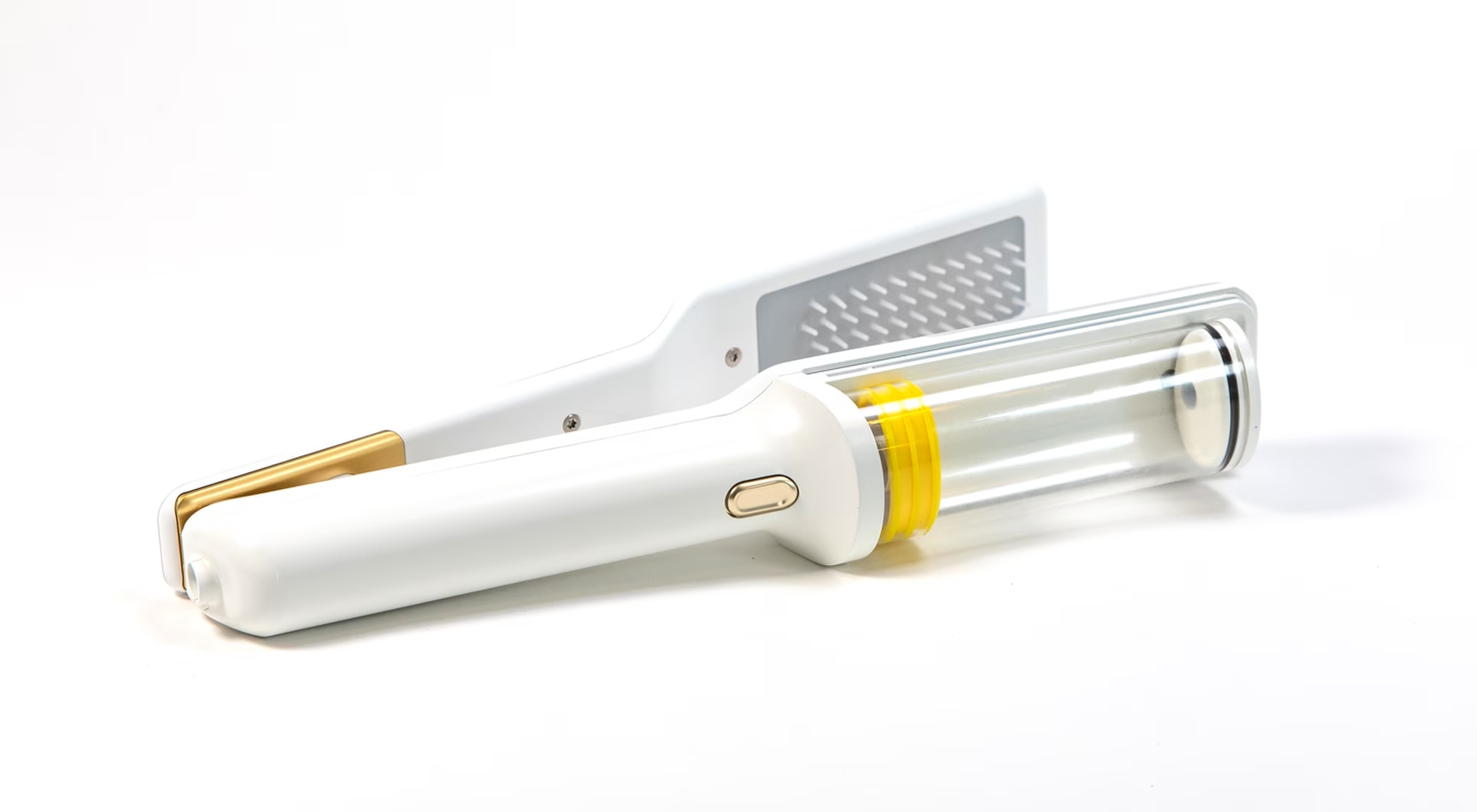
The Mint is a heated tool for textured hair. Tomorrow Lab developed it with Dawn Myers and her team at The Richualist. On it, the studio made many ergonomic prototypes to find a grip that worked in slippery, presumably product-covered hands. The team then developed a Design DNA that balanced prestige and performance.
MedLocker® by Belay is a wall-mounted cabinet for emergency medications like epinephrine auto-injectors and naloxone. On it, the value chain drove much of the design. The team used bent sheet metal, extruded aluminum and acrylic, and kept custom injection-molded plastic parts to a minimum. That reduced manufacturing cost and simplified assembly.
Skipping a prototyping and testing tier usually means its questions resurface later, when changes become more costly. The feature founders care about most is often the one they test last.
“I’ve met entrepreneurs two years into their business who haven’t even tested the thing they think is the whole point of their product,” Ullrich said.
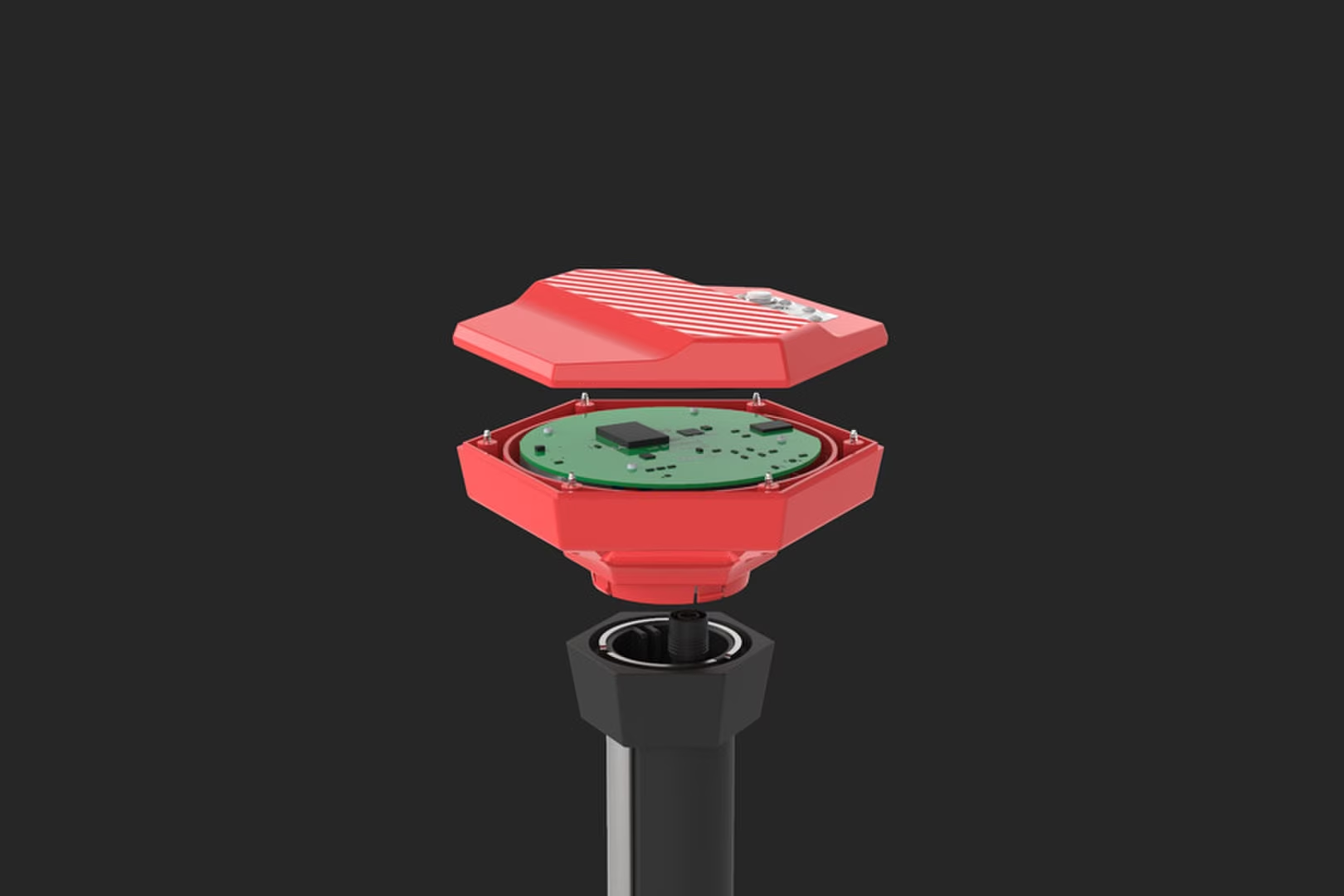
Teralytic, a wireless soil sensor for large-scale agriculture, followed this sequence closely. Tomorrow Lab built a proof-of-concept breadboard, then a test rig with 24-inch columns of different soil types. It compared its sensors against benchmark instruments while tracking the projected cost of goods.
After that the team refined the design for durability, waterproofing and long-range LoRa wireless. It delivered the design with assembly guides, ready for a pilot manufacturing run. Tomorrow Lab introduced the China-based manufacturer to the Client.
Salt Stone is a salt therapy device. During its Tier 1 tests, the team collected airborne salt samples and studied the particles under microscopes to confirm their size and density.
Klarina is a one-handed mineral sunscreen applicator for kids. Tomorrow Lab’s Tier 1 and 2 prototypes for it included custom cast urethane foam sponges and 3D printed valves and locking mechanisms to test each direction. The team then worked with manufacturing partners to turn those rough prototypes to the final product.
Often nothing was wrong with the design. Late-stage problems can arise if a component reaches end of life or its lead time gets longer. That causes the pilot to stall. The fix is to check early which parts are hard to source, and whether there’s a second source for the critical ones.
The same planning applies when moving from off-the-shelf modules to a custom circuit board. Modules from companies like Adafruit and Seeed Studio are useful for a proof of concept. A custom board with chip-down design usually makes sense for production. But it brings certifications such as FCC, CE and UL, and longer waits.
“ I wasn’t expecting that (surprise)! ” is not a realization you want to hear in the production process.
“If you want your own circuit board design, you might have to order a hundred of them and wait ten weeks, because now the manufacturer has to source the chips themselves,” Ullrich told Turbek.
A DFM issue, a part or a certification gap usually show up late and cost weeks and money.
For students on project teams and founders with a first working prototype, start asking factory questions now. Ask how a part will be molded and whether the components can be bought in volume. Those answers cost much less much earlier on.
Gelardi and Ullrich wrote the Hardware Innovation Guidebook (2025) to lay out the studio’s process. It covers 12 phases, teardowns, Design DNA, Feature Strategy and prototyping strategy.
Tomorrow Lab also makes Potentially Genius®, a YouTube series sponsored by DigiKey, now 24 episodes over five seasons since 2021. Each episode takes components from DigiKey’s massive library to develop a potentially genius product concept. Each one works through discovery, ideation, prototyping and presentation with a guest collaborator, all on camera and edited for YouTube.
Get the most important tech news in your inbox each week.
Contributed article. Not produced by the TNW newsroom and does not reflect the editorial stance of TNW.