The National Commissioner for Aboriginal and Torres Strait Islander Children and Young People has called for greater accountability, warning that governments at all levels have been handed more than 1,600 recommendations to protect First Nations children - yet the number of children being removed from their families continues to rise.
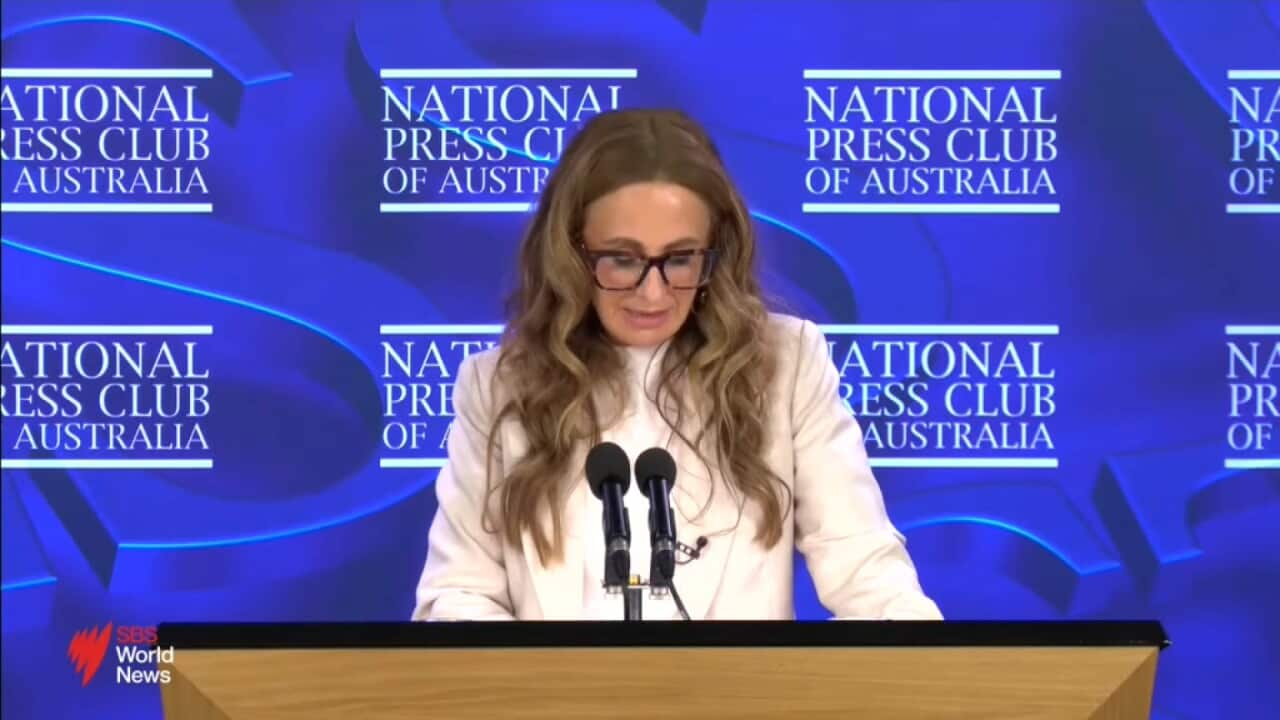
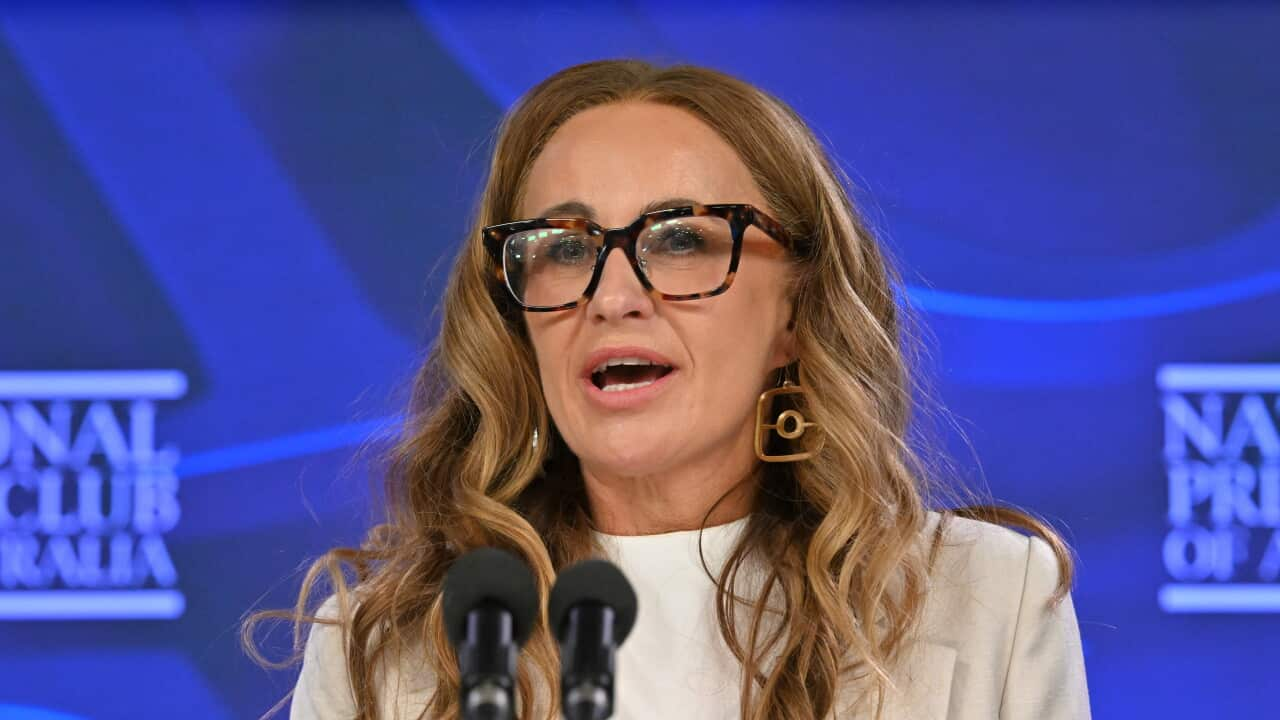
In an address to the National Press Club in Canberra, Commissioner Sue Anne Hunter - Wurundjeri and Ngurai Illum Wurrung woman from Victoria - has called on every Australian government to deliver on its commitments, promising an annual public report card that will name those taking action and those failing to do so.
“Governments don't need more advice,” she said. “What has been missing is someone checking and saying out loud whether they are doing it.”
The Commissioner outlined six demands for governments, all of which she said were commitments already made under national agreements and international obligations.
They include raising the age of criminal responsibility to at least 14 across the country, removing children from adult police watch houses, and opening every detention facility to independent inspection, including by United Nations experts.
She also called for greater investment in Aboriginal community-controlled organisations to support families before children are removed, with governments required to publicly report how much child protection funding reaches those organisations.
Other demands include establishing a national measure of child poverty, implementing all five elements of the Aboriginal and Torres Strait Islander Child Placement Principle, and releasing data on children who die in care while ensuring communities have control over information about their own children.
“Governments can say yes or no to any of these.”
The Commissioner said she would publish a yearly report card on every government against the six demands and the national Safe and Supported framework.
She pledged to publicly identify who had acted, who had not, and what governments told her when asked why.
“And if nothing moves, I will go further, using every power this Parliament has given me,” she concluded.
Commissioner Hunter’s speech painted a disturbing picture of the treatment of Aboriginal and Torres Strait Islander children across the country.
She cited children being held in police watch houses, denied diversion from the criminal justice system, placed in out-of-home care at alarming rates, and detained without adequate access to culturally safe support.
She warned that the over-representation of First Nations children in care was worsening, despite governments committing under Closing the Gap to reduce it.
“Today, Aboriginal and Torres Strait Islander children are 9.6 times as likely as other children to be in out-of-home care. Every government in Australia signed up under Closing the Gap national agreement to cut that by 45 per cent by 2031.
“Instead it is going up. There are more Aboriginal and Torres Strait Islander children in care today than at any time since records began.”
The Commissioner said the current system too often responded to poverty with removal, rather than providing families with the support they needed.
“Poverty is not neglect,” she said, pointing to overcrowded housing, food insecurity and unreliable electricity as conditions that should trigger assistance, not punishment.
She also challenged governments to recognise the role of family, culture and Country in keeping children safe.
“Any system that doesn't start from that is starting in the wrong place.”
The Commissioner rejected the argument that child protection was solely a state and territory responsibility.
The Commonwealth, she said, had signed international agreements, and governments could no longer use shared responsibility as an excuse for inaction.
“Shared responsibility has come to mean nobody's responsible. That has to end.”
She said the Commonwealth had a responsibility to ensure the rights of every Aboriginal and Torres Strait Islander child were protected, regardless of which jurisdiction they lived in.
“Under international law, there is no such thing as a state child. Every Aboriginal and Torres Strait Islander child in a watch house in Darwin, a detention centre in Townsville or a residential unit in Perth is the Commonwealth’s responsibility.
“The Commonwealth answers for every one of them”
Despite the confronting evidence, the Commissioner said she had not come to declare the situation hopeless.
She pointed to the success of early intervention and community-led programs, including the growth in preschool enrolment, as evidence that governments can achieve change when they invest early and trust Aboriginal community-controlled organisations.
Young people in Yarrabah told her they wanted better access to education, training and apprenticeships on Country, as well as support for their parents.
“In Yarrabah, I sat in a yarning circle with six young people from the Ganyjira Youth Council. They didn't talk about themselves as a problem to be managed.”
Their message, she said, was simple: help families before they reach crisis.
“And when I asked what would make the biggest difference, it wasn't the adults in the room who said it. It was the young people. They said: support our parents, because parents are the first teachers.”
In September, Commissioner Hunter went to Port Hedland, after reports of children out on the streets at night became a political fight.
“I went to listen to families and Elders. What I heard was not about bad kids. It was about kids with nowhere to go and nobody resourced to be there for them.”
“Nobody spoke to me about punishment. They spoke about the absence of opportunity. They also spoke fiercely about the love they have for their children.”
The Commissioner said she was willing to work with any government prepared to change the outcomes for children — but would report publicly regardless.
“I’m not interested in catching anyone out,” she said. “But I will report either way, because these children can't afford a commissioner who stays quiet.”
Her vision for the end of her term was equally direct: fewer babies taken at birth, no ten-year-old spending a night in a watch house, and families receiving help when they ask for it.
“Governments hold the power and the money, and I will hold them to account for how they use both.”