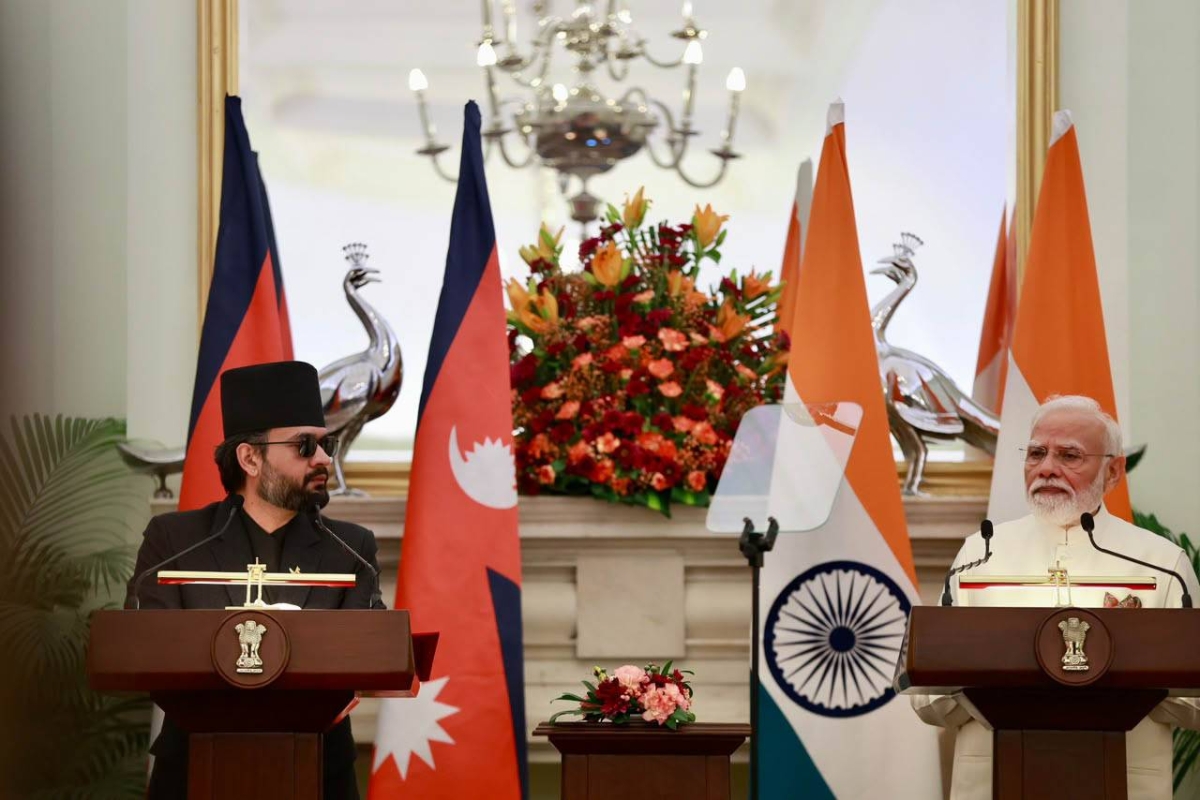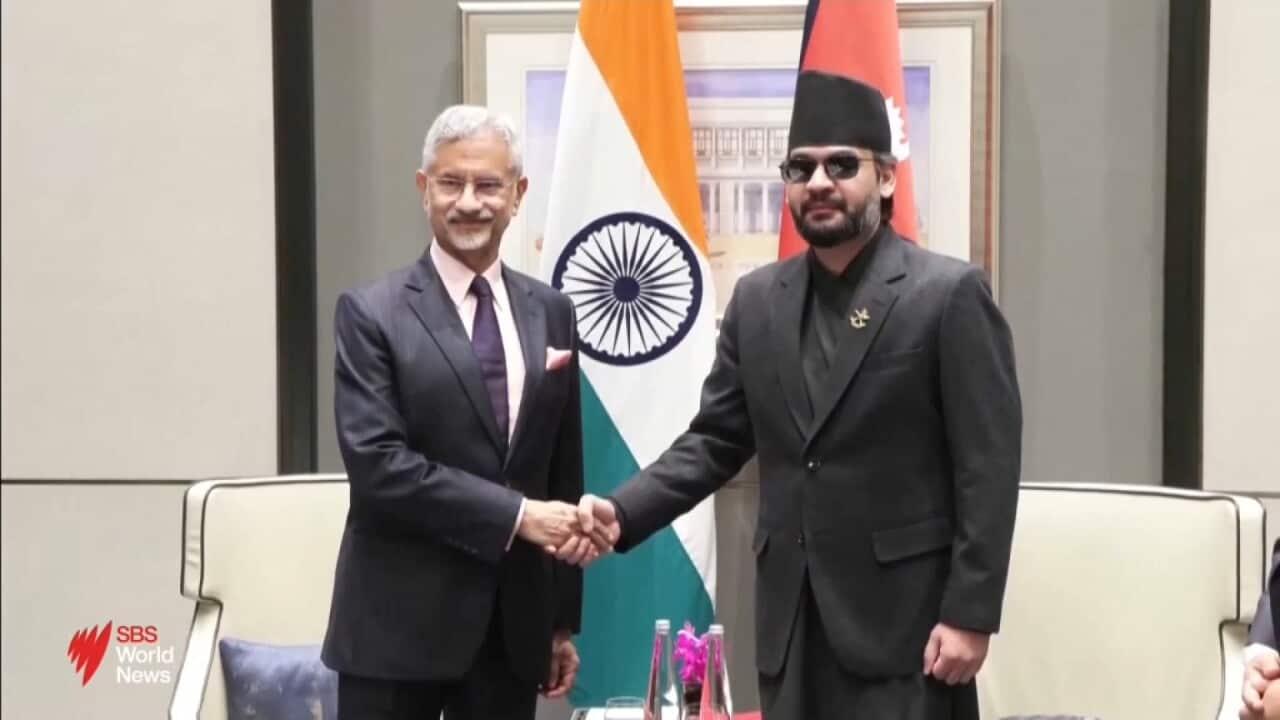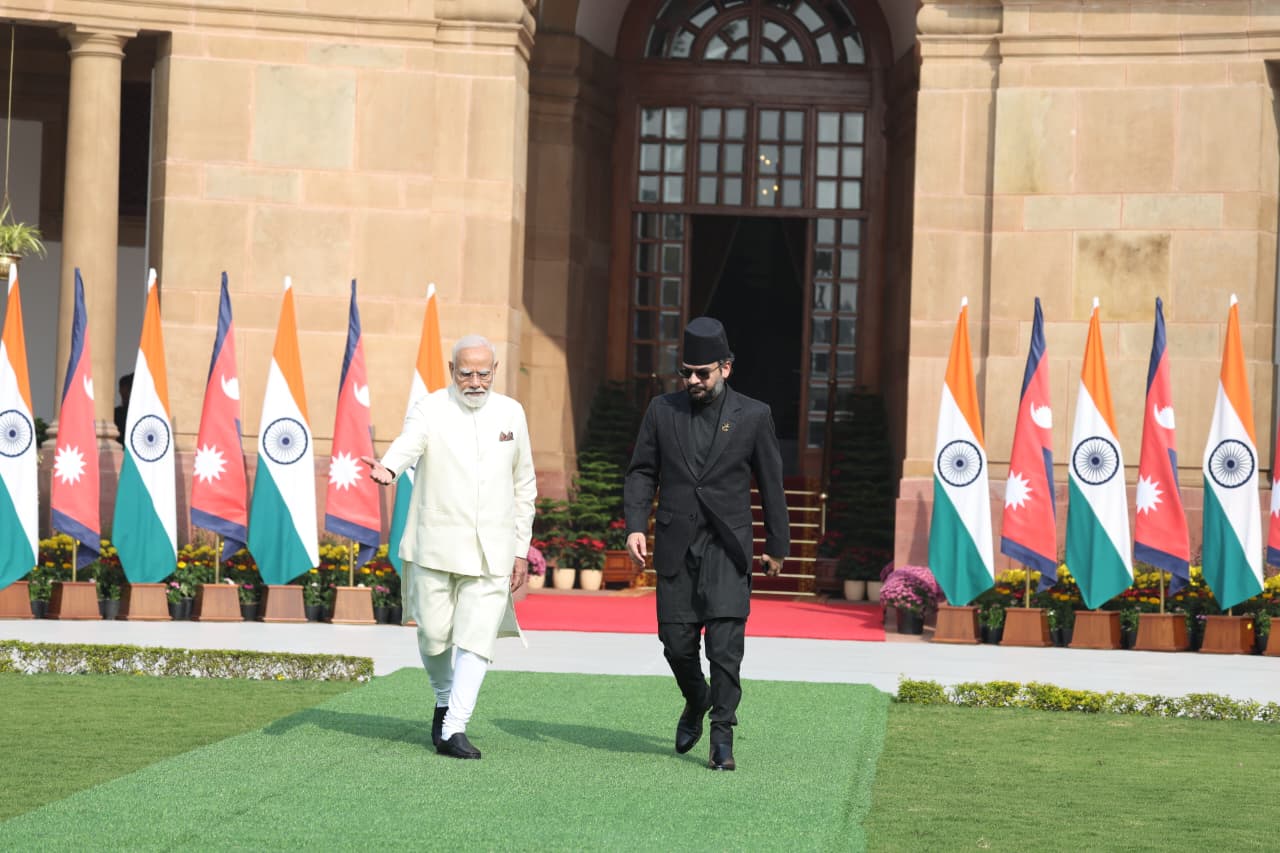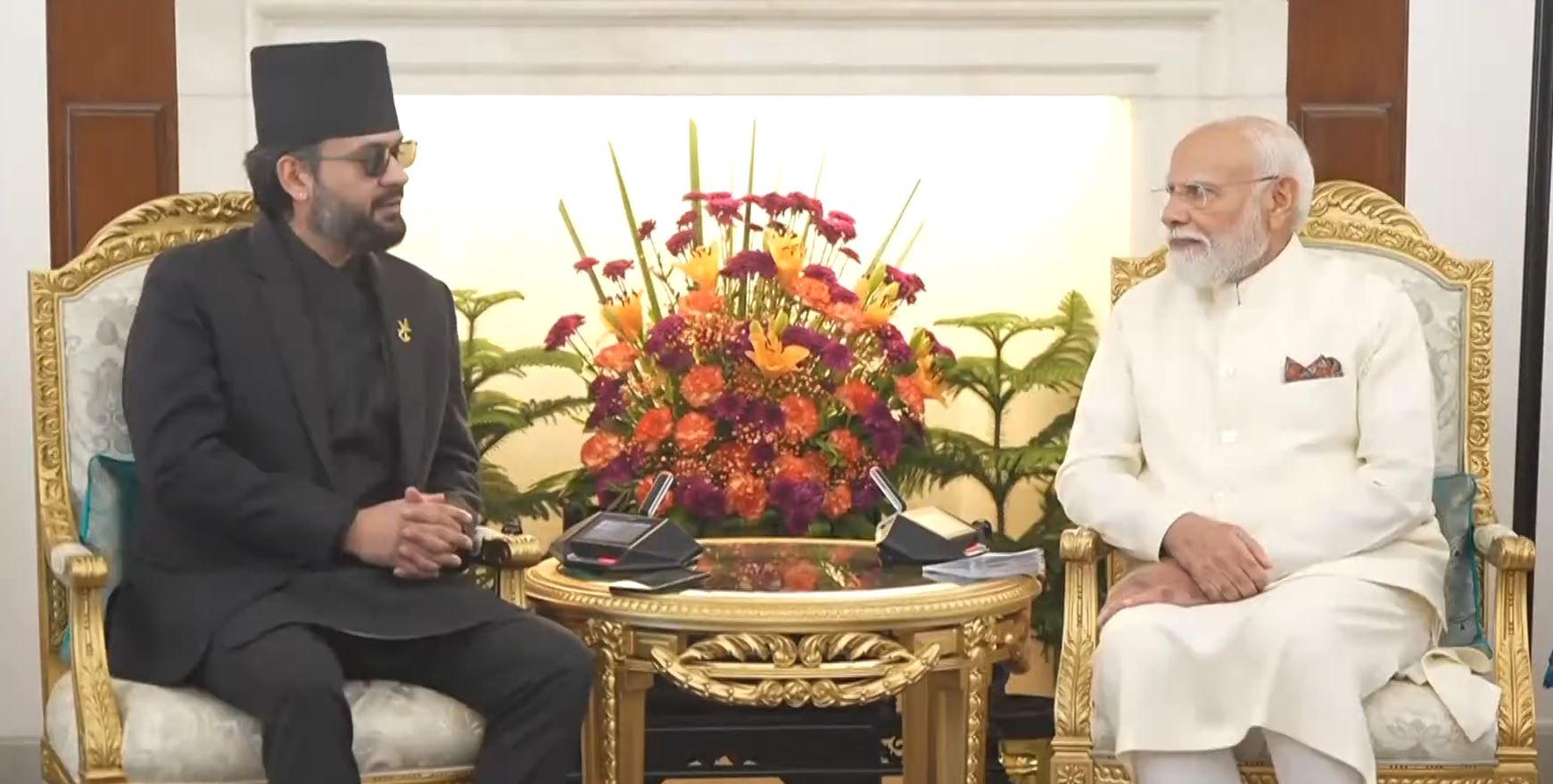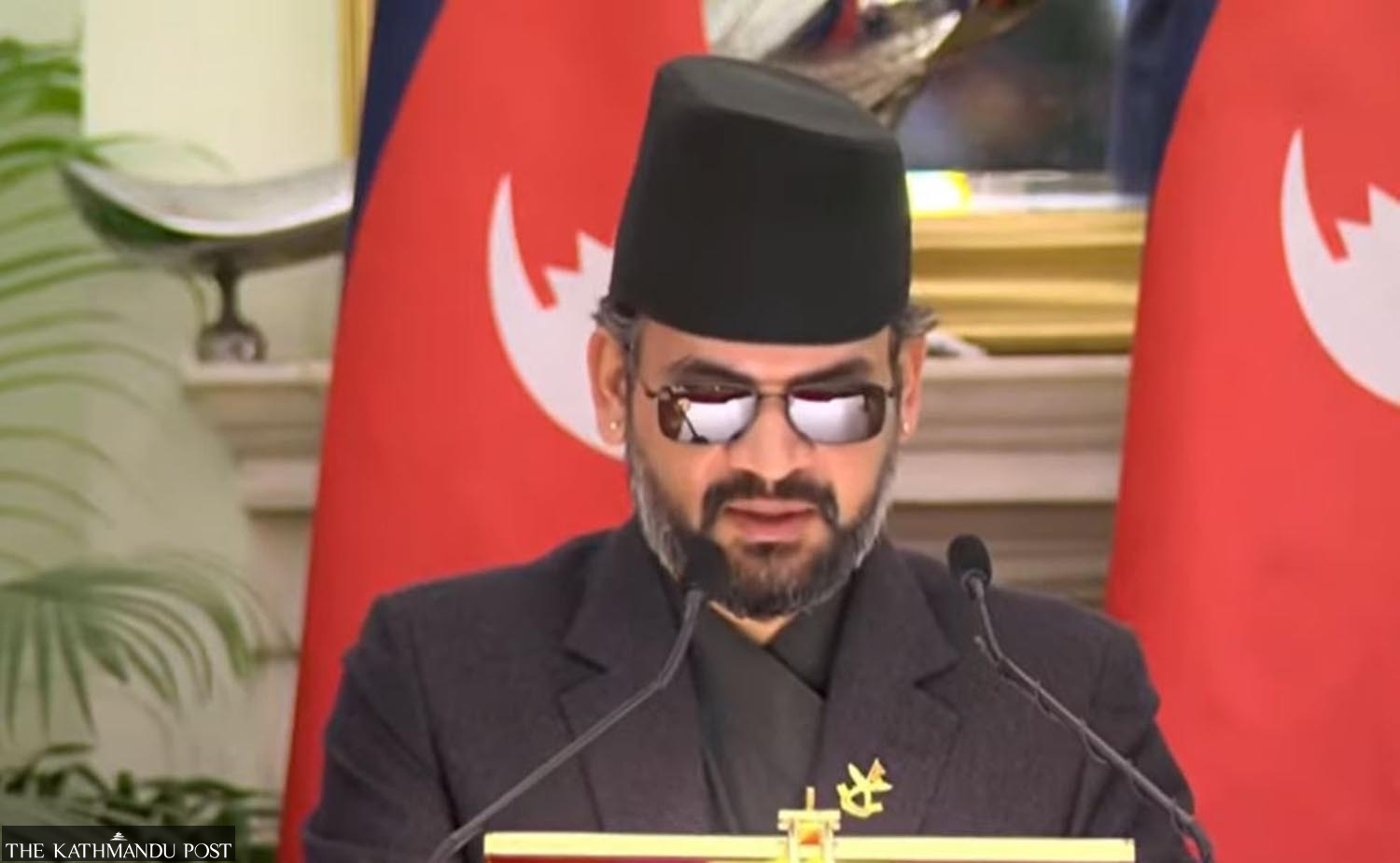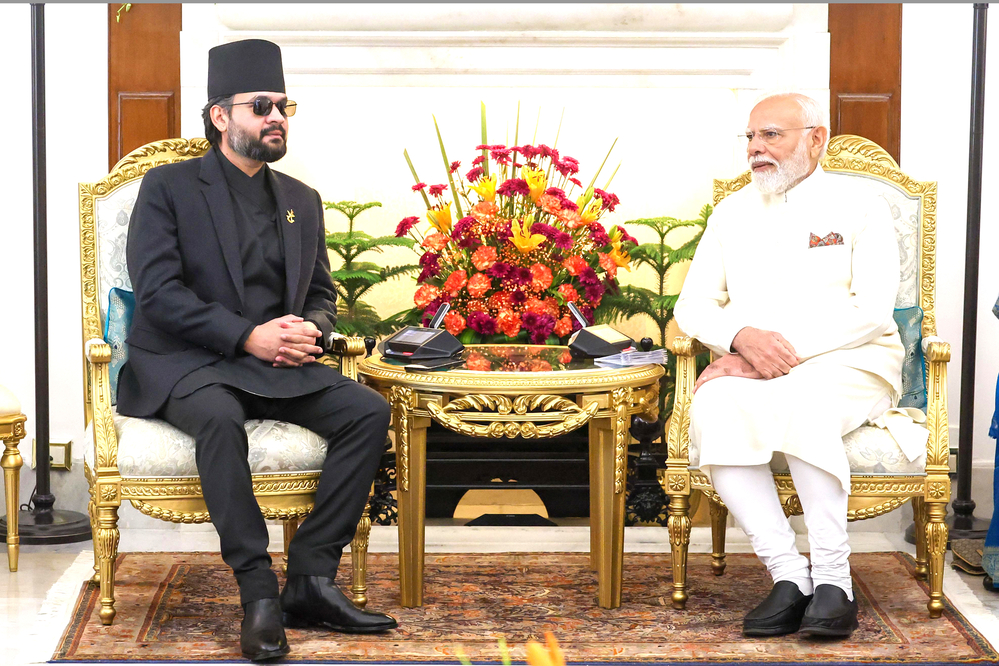
The long-standing Lipulekh border dispute and the recruitment of Nepali citizens into the Indian Army did not feature in Monday’s talks between Nepal’s Prime Minister Balendra Shah and his Indian counterpart, Narendra Modi.
Speaking to the press in New Delhi on Monday, Indian Foreign Secretary Vikram Misri confirmed that neither issue had been discussed during the bilateral meeting.
Describing Lipulekh as a trade route between India and China, Misri said the issue had not come up during the talks.
The two prime ministers also did not discuss the recruitment of Nepali citizens into the Indian Army, a longstanding feature of Nepal-India relations. Nepal has suspended such recruitment since India introduced the Agnipath scheme, which Kathmandu has opposed.
Asked about the report of the Eminent Persons’ Group (EPG) on Nepal-India relations, Misri described it as a matter of the past that was no longer relevant. The group, comprising experts from both countries, had reviewed various aspects of bilateral relations, including the 1950 Treaty of Peace and Friendship. However, the report has yet to be formally submitted to either government, despite years of efforts.
Regional conflicts and supply disruptions discussed
Misri said the two prime ministers discussed regional and international developments, including the impact of conflicts on global supply chains and the availability of essential commodities.
He said Modi had described the 2020s as turning into a dangerous decade, beginning with the Covid-19 pandemic and followed by multiple conflicts whose consequences remained uncertain.
These conflicts had disrupted the supply of essential commodities and resources, particularly affecting developing countries already facing challenges related to food, fuel, fertiliser and finance, Misri said.
He added that Modi had pointed out that developing countries had played no role in starting these conflicts but were bearing a disproportionate share of their consequences.
According to Misri, Modi also highlighted India’s efforts to ensure that neighbouring countries’ needs were not overlooked during successive crises, particularly in the supply of fuel, fertiliser and food. Shah acknowledged those efforts, he said.
IIT campus, aviation links and sports among areas of cooperation
Misri also announced plans for India to establish an offshore campus of the Indian Institute of Technology (IIT) in Nepal and provide grant assistance for an agro-industrial park in Chitwan.
The two sides also discussed ways to improve civil aviation connectivity between the countries.
The Indian foreign secretary said the prime ministers placed particular emphasis on strengthening people-to-people ties, with cricket featuring prominently in their discussions.
Shah, who is keen to promote sports as a means of empowering young people, discussed expanding sporting links between the two countries, Misri said.
Modi shared his enthusiasm and agreed on the need to strengthen sporting exchanges, not only in cricket but also in other disciplines, he added.
Anil Giri is a Chief Sub Editor covering diplomacy, international relations and national politics for The Kathmandu Post. Giri has been working as a journalist for more than two decades, contributing to numerous national and international media outlets.