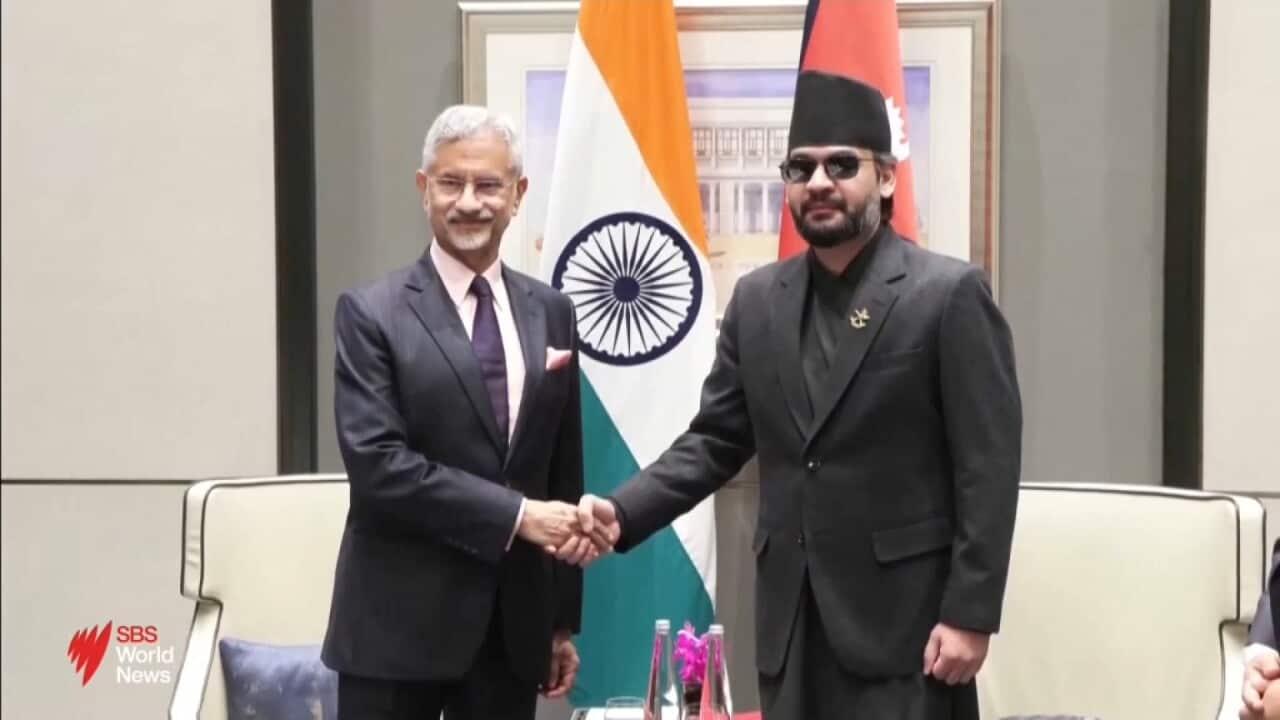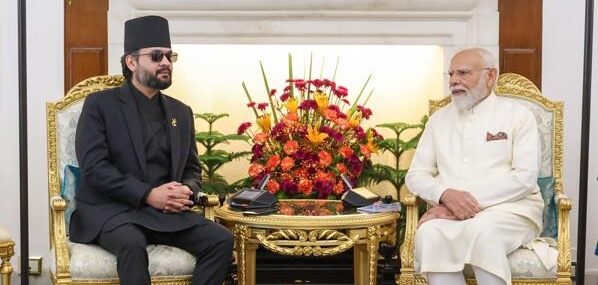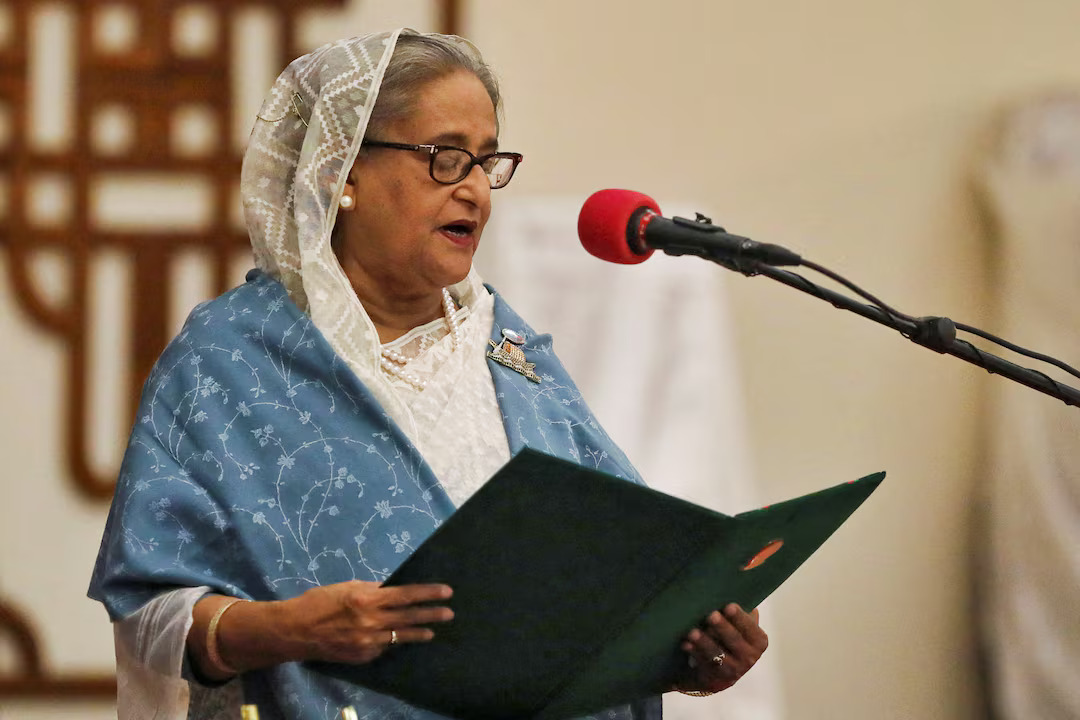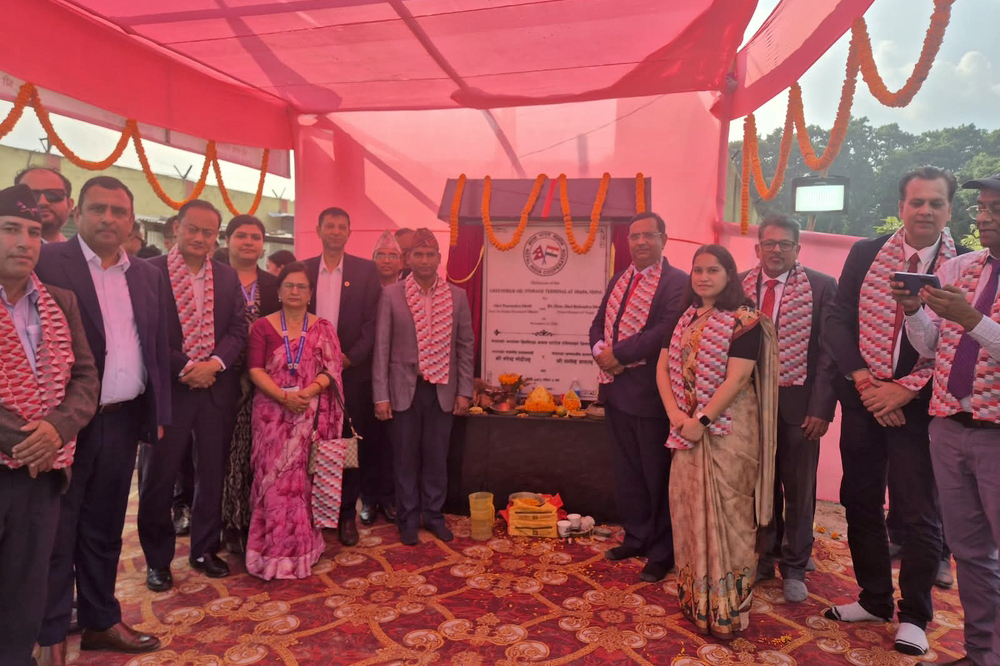
Prime Minister Balendra Shah and his Indian counterpart Narendra Modi on Monday jointly laid the foundation stone for the 669 MW Lower Arun Hydropower Project, taking the long-delayed project a step closer to construction.
The two prime ministers virtually inaugurated the project from Hyderabad House in New Delhi. Yangki Ukyab, chief executive officer of the Investment Board Nepal, said the ceremony marked the project’s transition towards the construction phase, although the physical groundbreaking would take place in Nepal.
“Now, the Lower Arun project has also moved towards the construction phase,” she said. “The physical groundbreaking will take place in Nepal.”
The project is estimated to cost Rs92.67 billion. It will generate electricity using water discharged from the 900 MW Arun-3 Hydropower Project. The water will be channelled through a 17.4-kilometre tunnel to the Lower Arun powerhouse.
As with Arun-3, Nepal will receive 21 percent of the electricity generated by the project free of charge. The developer will also pay the government capacity and energy royalties. For the first 15 years of commercial operation, the capacity royalty will be Rs400 per kilowatt and the energy royalty 7.5 percent. After 15 years, these will increase to Rs1,800 per kilowatt and 12 percent, respectively.
The project is being developed by SJVN Lower Arun Power Development Company, a subsidiary of India’s state-owned Satluj Jal Vidyut Nigam (SJVN).
The developer has awarded Package 1, covering the main tunnel, spill tunnel, audit facilities and access roads, to Dineshchandra R Agrawal Infracon for Rs18.38 billion (1.149 billion Indian rupees). According to the company's website, the same contractor has also secured Package 2, worth Rs25.48 billion (1.593 billion Indian rupees).
Despite the award of both construction packages, the project has yet to achieve financial closure.
In October, Bhupendra Thapa, Investment Board Nepal spokesperson and joint secretary, said preparations for financial closure and the tendering process for construction were being pursued simultaneously.
“The company has already acquired the land required for the Lower Arun project using its own equity. Financial closure and the process of awarding construction contracts are being taken forward simultaneously,” he told Kantipur.
Ukyab said the company had already begun preparatory work with its own investment and that financial closure was expected soon.
“The company has invested in the project and completed work such as land acquisition. With the foundation stone now laid, construction is also expected to move ahead at a faster pace,” she said.
According to the developer, 253 of the 268 households directly affected by the project have so far received compensation totalling around Rs999.8 million.
The government had showcased the Lower Arun project as an investment opportunity at the 2018 Nepal Investment Summit. Three companies had initially expressed interest in developing it: SJVN; a joint venture between the Hydroelectricity Investment and Development Company Limited and Power Construction Corporation of China (PowerChina); and a joint venture between Green Resources and Japan’s Electric Power Development Company.
Only SJVN and PowerChina submitted proposals. Both offered Nepal more than 20 percent of the electricity generated by the project free of charge.
At its 46th meeting, chaired by then prime minister KP Sharma Oli on January 29, 2021, the Investment Board decided to award the 669MW project to SJVN.
An understanding on the project had been reached on July 11, 2011. The Project Development Agreement was signed on June 1, 2023, during the India visit of then prime minister Pushpa Kamal Dahal.
Seema covers business and economy for Kantipur Publications.