
You have reached your maximum number of saved items.
Remove items from your saved list to add more.
You've used all of your gift articles. 3 more will become available on the 1st of every month.
The term “culture” could be a synonym for “behaviour”. The term gets overused and teams of all sorts get over diagnosed, and right now, it is over here beating Australian cricket to a comatose.
The punters, the common people, the fans want our businesses, politicians and sporting bodies to be bound by an appropriate culture.
Winning cultures lead to winning athletes and productive people.
Organisations create sound cultures though ethical leadership, that communicate clear guidelines as to what is expected of its people and what is unacceptable.
Sometimes the people listen, but don’t take much notice, humans being an irascible bunch who often value individuality over team.
Much of a community’s ethics may be left unsaid, made obvious by years of compliance and examples set by antecedents. To live the behaviour is to carry the culture forward, the visible behaviour being the message and the method.
In theory every cricketer is a guardian of the spirit of the game. It’s a nice theory that is tested continuously, and it’s being put under the microscope today.
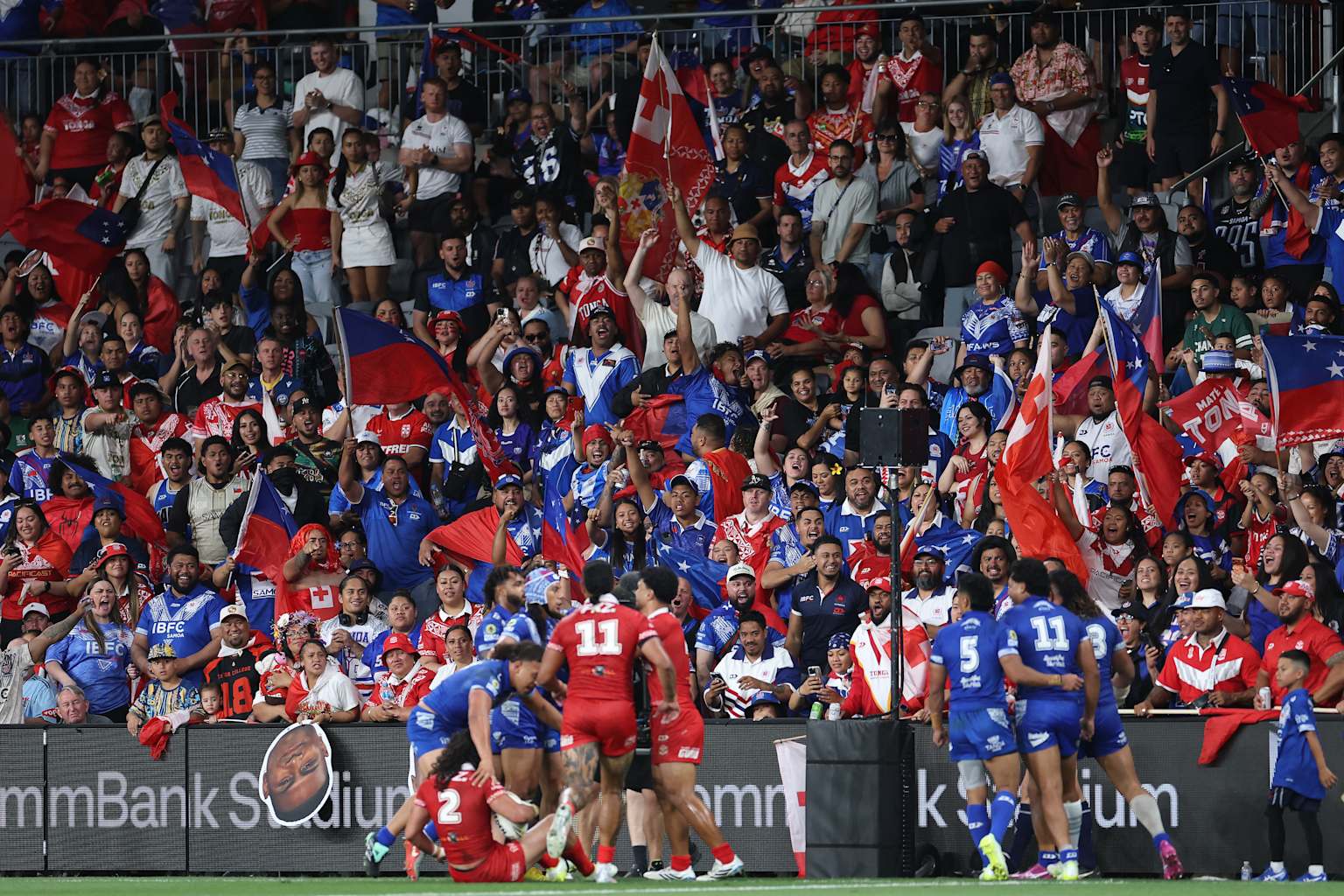
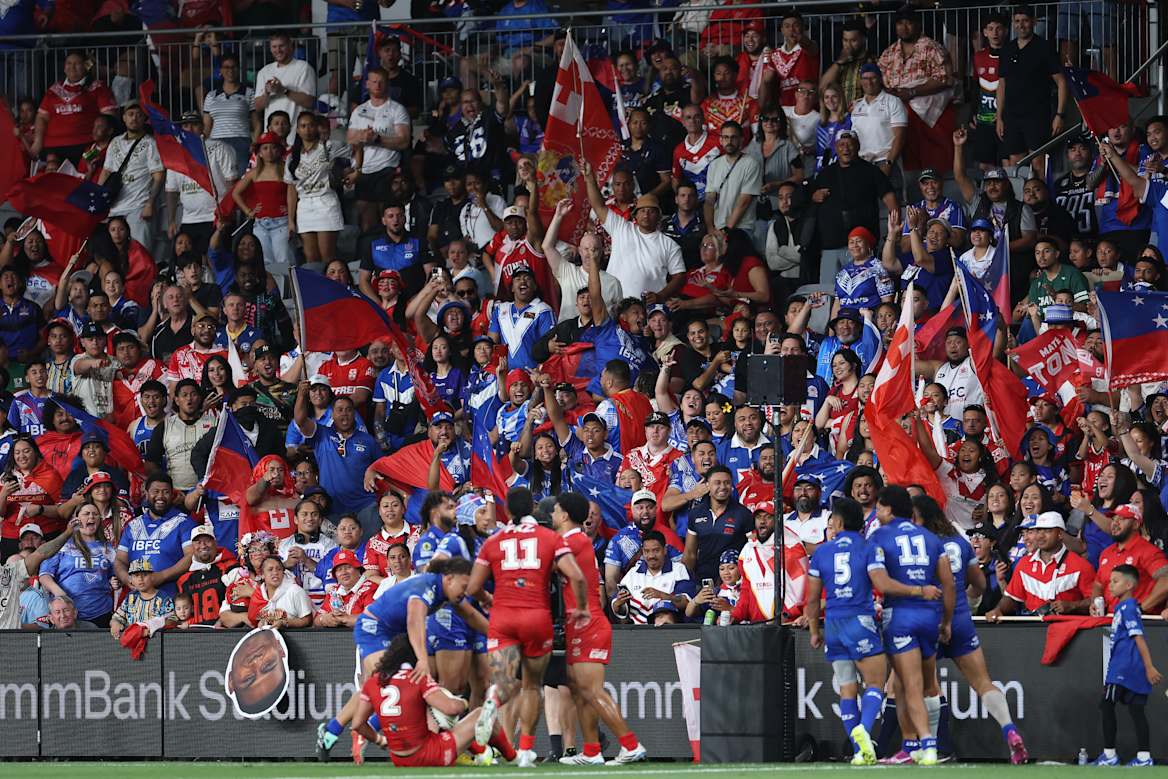
Watching the Rugby League World Cup, the culture of Pasifika peoples was revelatory.
During the matches powerful athletes crashed with a brutal physicality; there were no compromises on personal welfare – tough, relentless, driven by the fever of representing their nation and culture.
To see the joy in the stands and on the streets from the followers and players themselves warmed the heart and gave relief from the conflicts of the suburbs and the cricket fields.
There was whooping and hollering, blasting of horns and seemingly trillions of flags leaping from lamp posts and car aerials fluttering with the message that trying to win is wonderful, and so is losing.
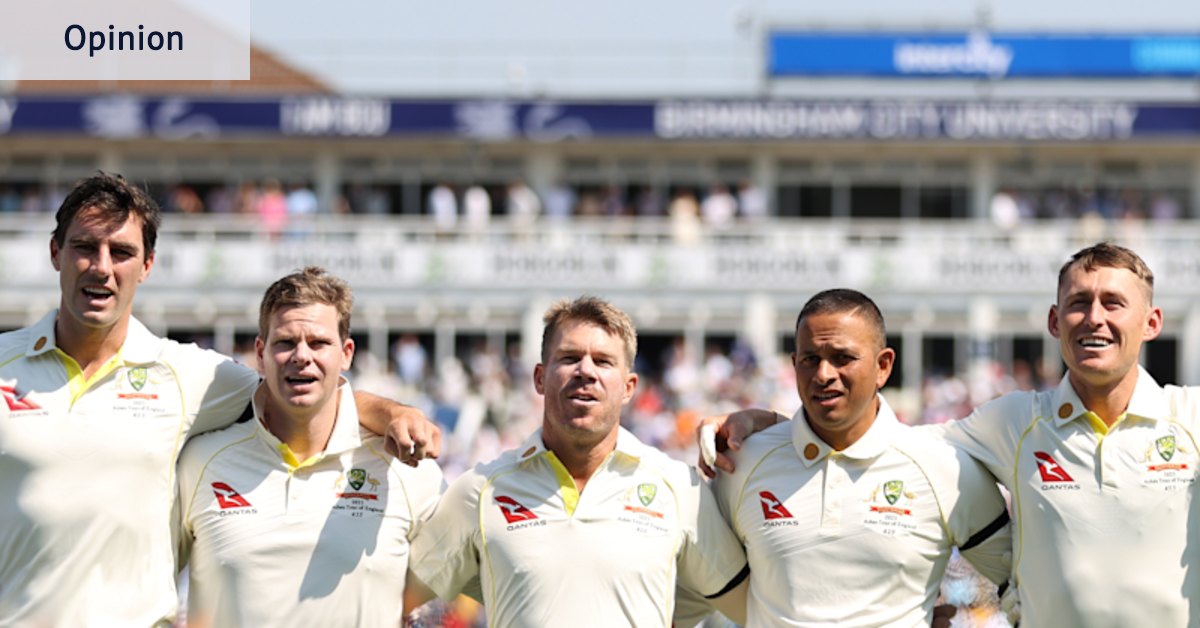
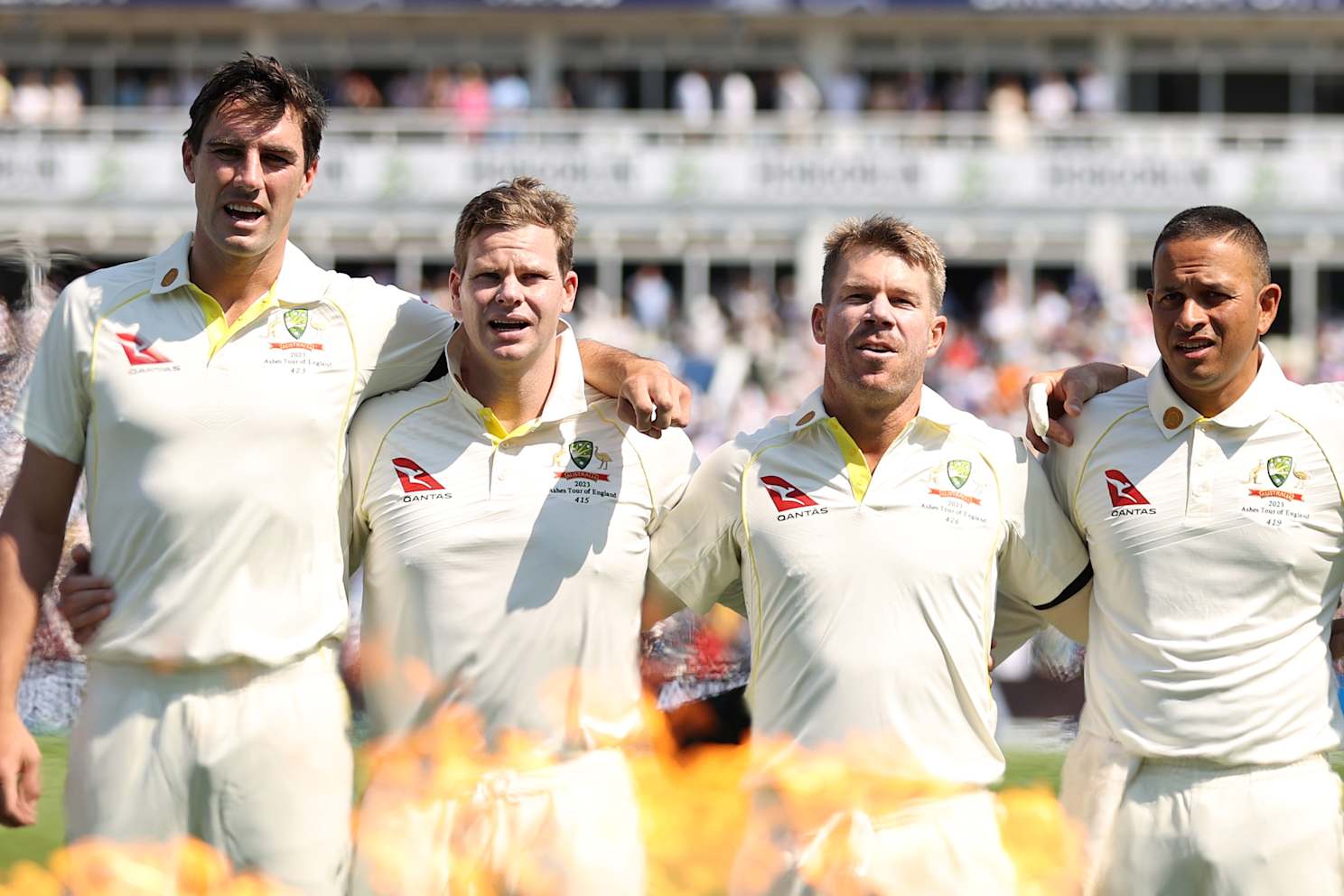
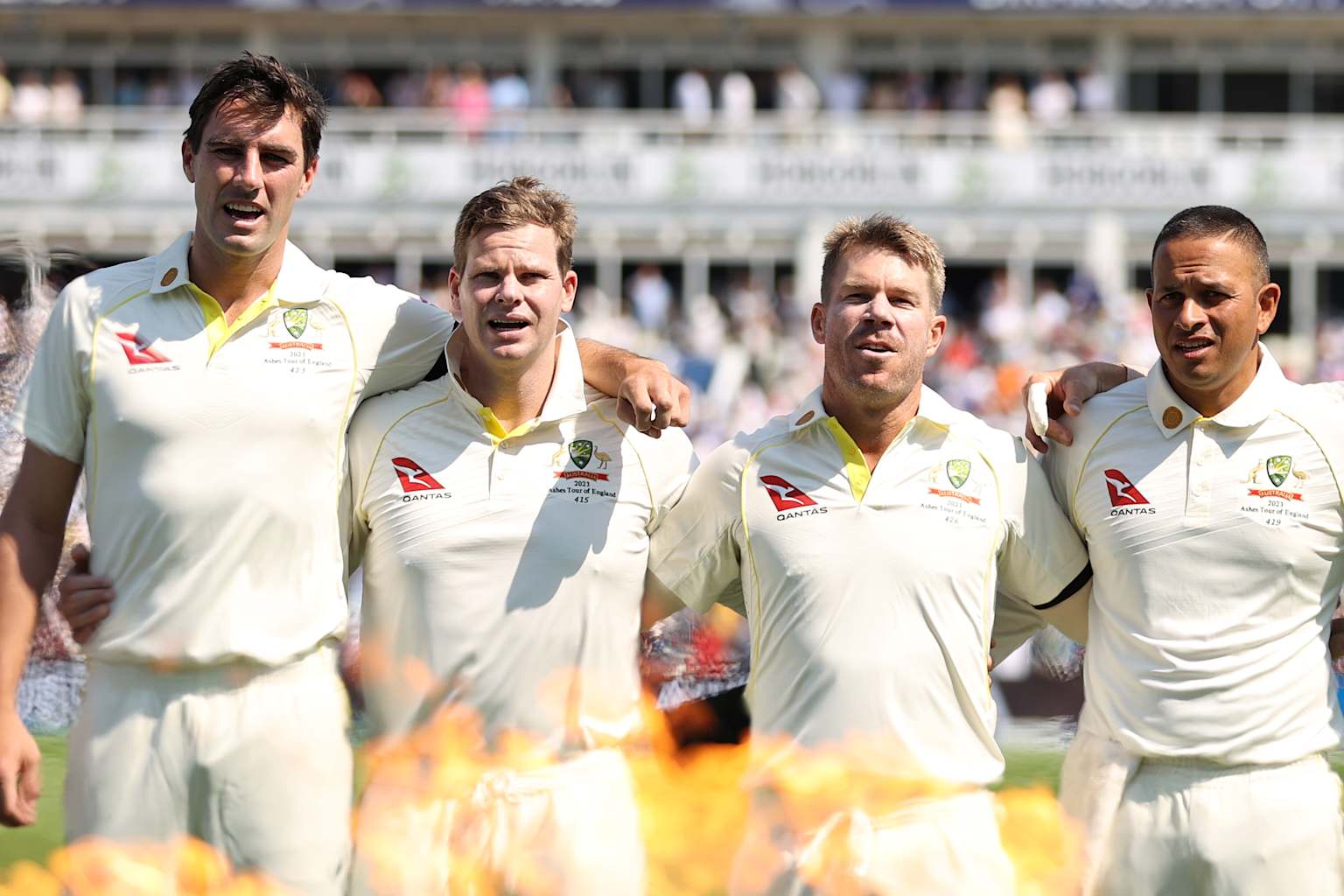
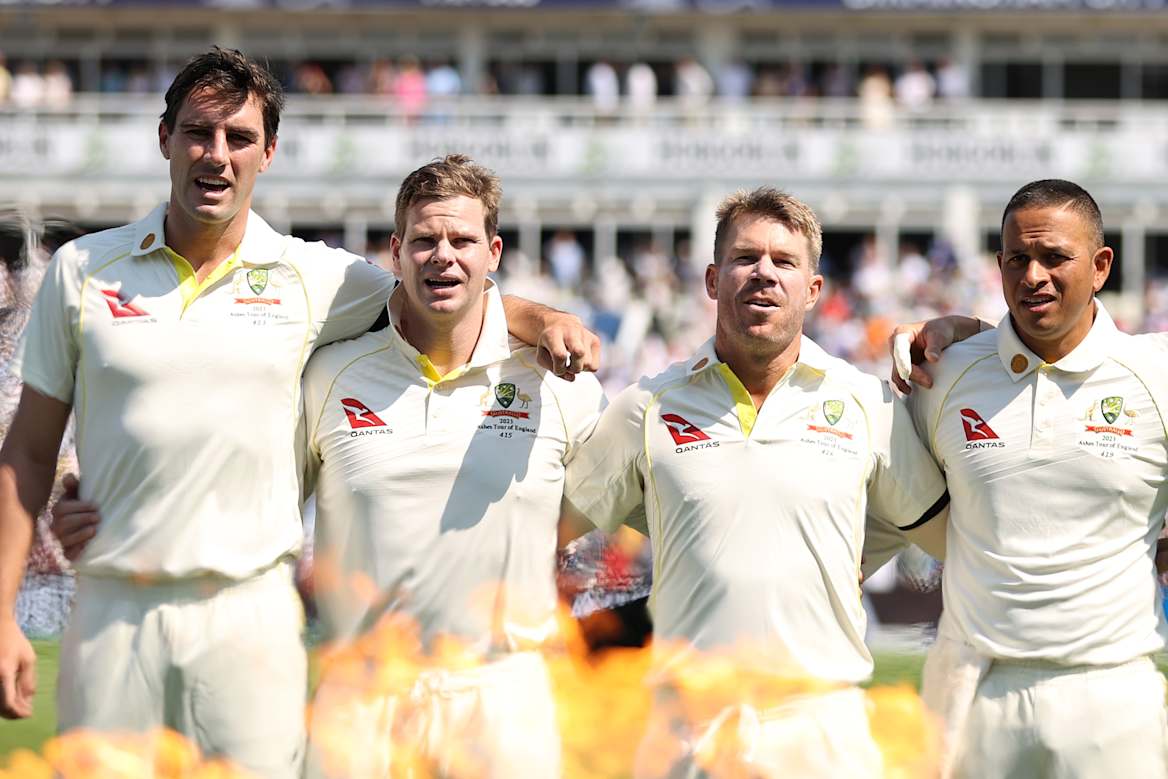
Australia’s Test team’s culture improved enormously, first under Tim Paine and now Pat Cummins, driven from within the squad rather than being left to the administrators.
Those leaders at the top of Cricket Australia in 2018 should have been the people who outlined the expectations of the real owners of the sport – the fans – but they failed excruciatingly.
The players were virtually given carte blanche to do as they pleased, and they did so with little reference to their long and exultant history.
Noble, Bradman, Miller, Benaud and Border be buggered, what would those ancients know?
The game is in flux now, but the speculations on the past aren’t going to help the transition for the next generation.
Before Usman Khawaja pulled the pin of the hand grenade and lobbed his account of Newlands into the dressing room, the team was hardly settled or in winning form.
It’s challenging enough getting to the top of the elite sport pile when everyone is singing from the same Spotify page, but this team can hardly accommodate this stoush even though it’s more about players and their historical memories.
The selectors have paused naming a squad for the important four Test series against New Zealand, there may be mass changes to the next XI driven by ideology rather than form, but I hope not.
The Black Caps will provide stern opposition. Australia will have to play better cricket than they have recently .
Cameron Green prods forward across his pads and is unable to play confidently off the back foot. He ducks his head while trying to hit the short stuff. His all-round package that looked so inspiring three years ago is not there. He doesn’t bowl any more. He is not an all-rounder.
Cooper Connolly needs high regular bouncing pitches to prosper and a lot more time in the Sheffield Shield finishing school, finding ways to make runs and bowling with the red ball – he is not an all-rounder yet.
The selectors have done him no favours by throwing him in at the deep end.
Anchorman Steve Smith needs to settle in a silo with a bowling machine and zero outside noise.
The batting needs a revamp now, youth is required, young men who will bring their own fresh bodies and minds.
The bowlers have been mighty, but all are wounded by the Khawaja shrapnel. They will have to find reserves of motivation as their bodies fight the attrition of age.
Arguments have been presented recently as to how the “age profile” (coach Andrew McDonald’s words) will be reformed, that notion may have to be moulded somewhat sooner if the Sandpapergate scandal fall-out spreads.
Culture-driven selections could result in a messy and destructive watershed, echoing a period from 1977 to 1979 when World Series Cricket saw 35 first-class players take Kerry Packer’s offer of a decent living. The replacement Australian team fell back on Kim Hughes, Graham Yallop, Dav Whatmore, Graeme Wood and Rodney Hogg, and provided Allan Border the continuity that proved the pathway to become a legend.
The culture of that team was adlib, the “Australian way” of toughness, resilience and individuality was the unstated foundation stone.
They played for each other and to prove that they were good enough to wear the baggy green, even while their selections were based on availability rather than performance.
They did well. The rebel tours of South Africa in 1985 and ’86 took another 16 players out of the talent pool and that hurt the Ashes series in 1985, the Richard Hadlee dominance for New Zealand of ’86 and the home Ashes loss in 86/87.
Australia rebounded under Border to win the 1987 World Cup. The Border way was one of selfless, honest, unrelenting toil. He was the living, leading example of that culture.
Years earlier, the underarm incident of 1981 under captain Greg Chappell rocked the spirit of the game but was hardly a failure of the cricket community culture. It was an individual’s lapse of judgment under pressure.
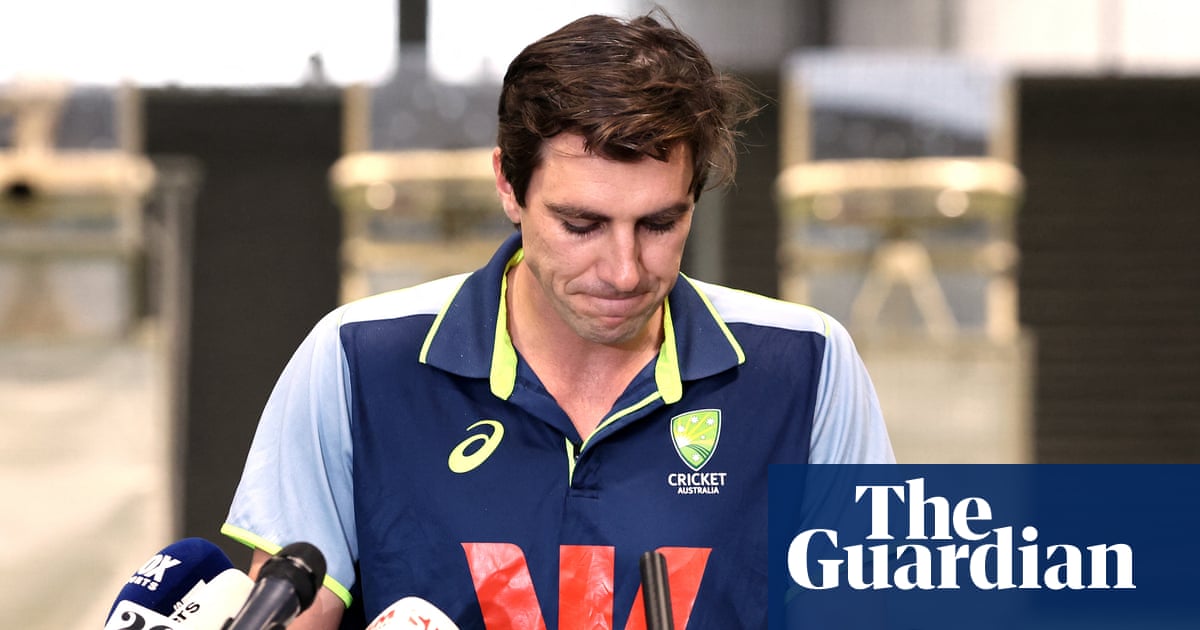
Pat Cummins has done a fine job in shaping the culture of today’s group. It doesn’t seem entirely fair that he should stand in the spotlight and be responsible for an event eight years ago, but it comes with the territory of his role as the captain.
If he were to resign, then we may find the comparison between those previous turbulent times.
I will leave you with the words of Australia’s most successful professional male golfer, Peter Thomson.
“In sport you will learn things on the way. You’ll learn about life and human frailty and all of the shortcuts that man has contrived. If you’re lucky you’ll learn about honour and trust and other high levels of behaviour – most of all you’ll learn about yourself.”
You have reached your maximum number of saved items.
Remove items from your saved list to add more.
You've used all of your gift articles. 3 more will become available on the 1st of every month.