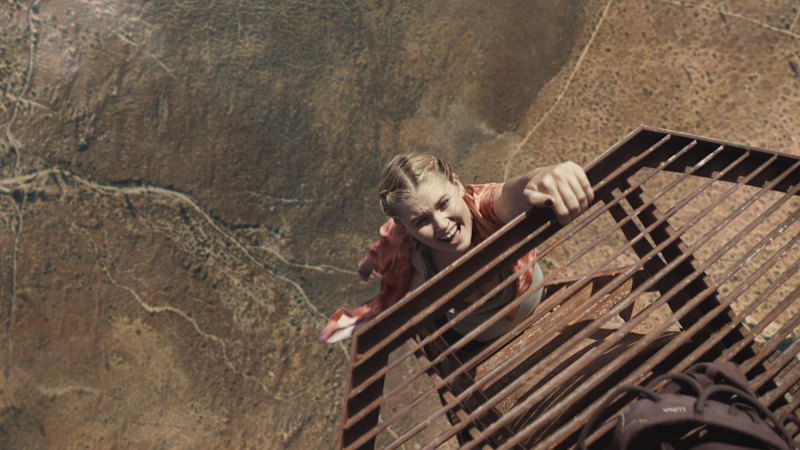
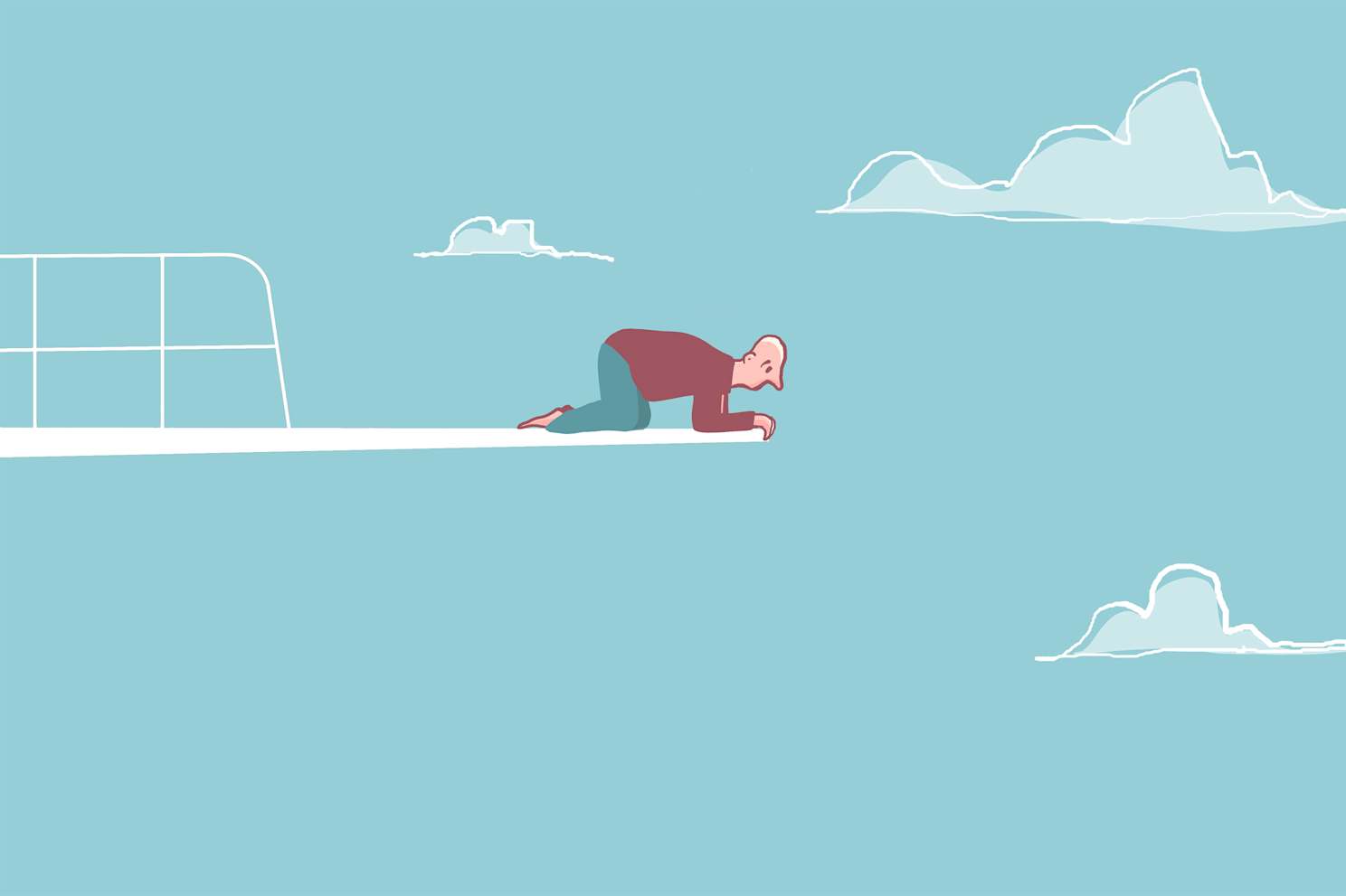






Each week , Good Weekend’s how-to column shares expert advice on how to navigate some of modern life’s big – and small – challenges. This week: how to overcome a fear of heights.
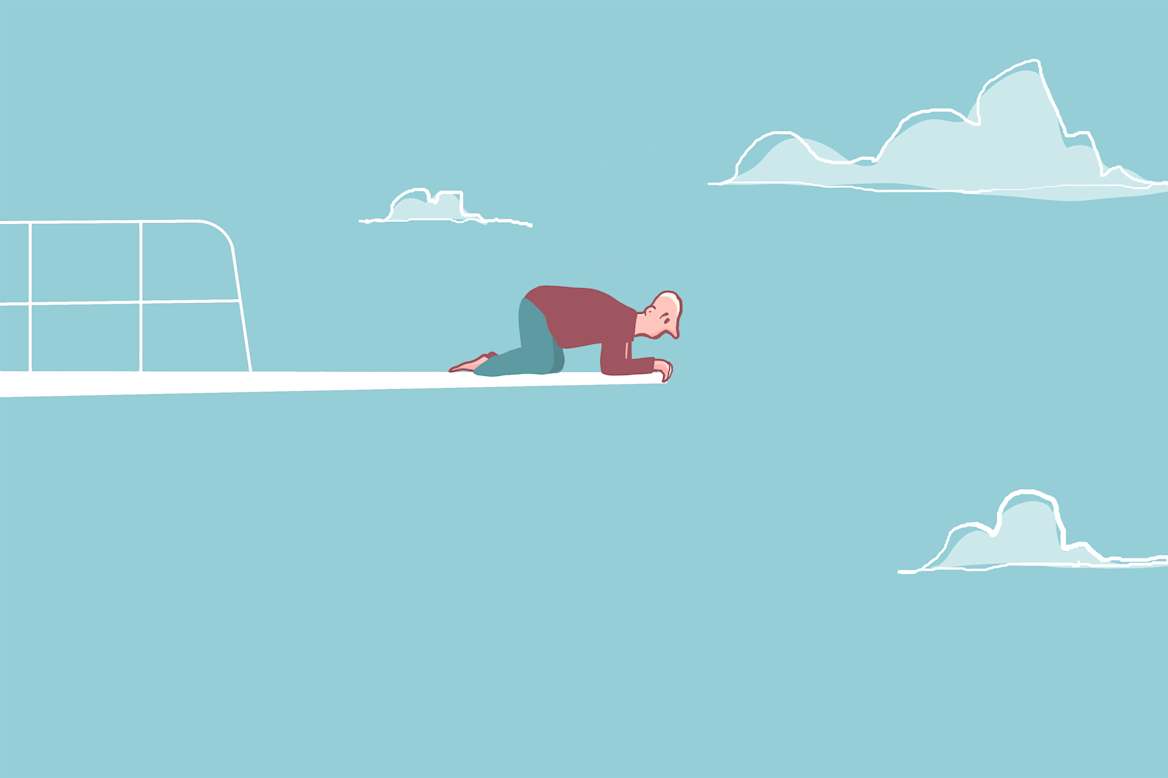
“Most of the feedback we get is, ‘I didn’t realise this could be treated’,” says Dr Corrie Ackland, clinical director at Sydney Phobia Clinic [in the city’s CBD]. Acrophobia, or an irrational fear of heights, is among the more common phobias but is often underreported. “From an evolutionary perspective, we’re naturally inclined to be anxious about heights – because they’re dangerous!” Ackland says. “But there’s a disconnect between knowing this and recognising that this fear can be severe.”
Some symptoms are debilitating, ranging from vertigo to full-blown panic attacks. Ackland references clients who’ve been unable to participate fully in holidays because heights have been involved (“the London Eye is commonly mentioned”) or who’ve lost out on work opportunities after their company moved into offices on a higher floor. Friends, failing to understand the seriousness of the condition, often make jokes (jump-scares) at the acrophobe’s expense.
This is where the experts come in. Treatment for acrophobia typically includes cognitive behavioural therapy (CBT) and exposure, the aim of the game being to “unlearn” the fear.
In layman’s terms, exposure means physically positioning the patient in front of the thing that terrifies them (in this case, significant height) and helping them work through their fear by creating new, less overwhelming experiences attached to it.
“Avoidance is a massive component in maintaining phobias, and exposure is the way we counter that,” Ackland explains. Traditionally, this has involved viewing pictures or footage of heights but, more recently, Ackland’s clinic has designed and implemented virtual-reality environments. Clients now face their fears as if they’re in the moment, whether virtually standing on a balcony or crossing a suspension bridge. “It gives us more options,” she says. One treatment she doesn’t recommend is hypnosis, which “lacks the evidence base of CBT”.
Ackland tends to see results within a five-session program, although says she’s often surprised, and inspired, by how quickly some people “break through”. It doesn’t matter if you’ve been avoiding scenic cliff walks for three years or 30, the secret to overcoming a fear of heights is sustained exposure. “Hopefully, participating fully in life will give [acrophobes] enough of that,” she says.
And if you can’t face therapy, you can always – ahem – expose yourself. “Intuitive efforts can be really valuable,” says Ackland. “People can actually see their phobia weaken on their own.”
Read more from Good Weekend magazine:
A recent birthday was a wake-up call. I turned to two 100-year-olds for help.
Your steamy mirror-messaging could wreak romantic – or platonic – havoc, says our Modern Guru.
The Chase’s trivia queen on the art of winning – at any cost.
You have reached your maximum number of saved items.
Remove items from your saved list to add more.
You've used all of your gift articles. 3 more will become available on the 1st of every month.