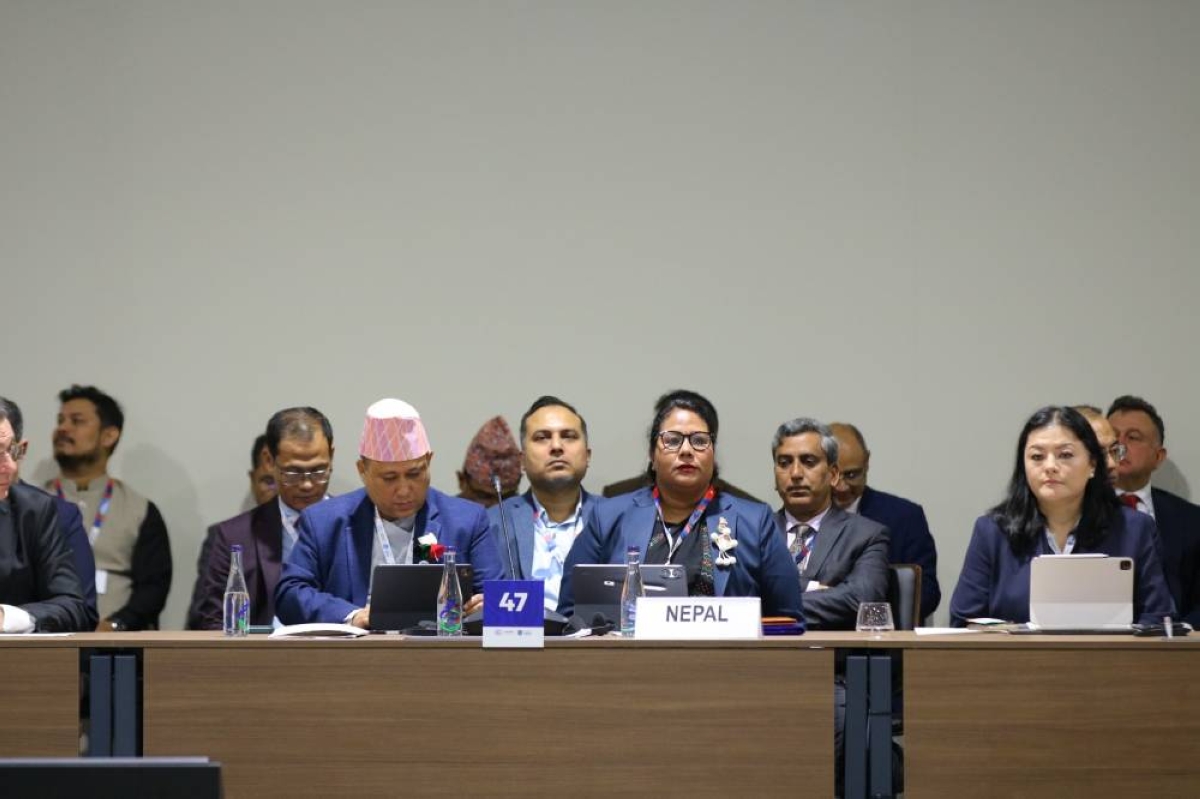
Nepal is moving from multilateral climate negotiations in Antalya to bilateral talks with India in Delhi. At COP31, Nepal had to build a coalition around its mountain proposal. In Delhi, it faces a more powerful neighbour with requests of its own. What is Kathmandu prepared to offer, and what can it secure in return?
After Nepal and Bhutan failed to secure a separate COP31 agenda item, they joined Kyrgyzstan in pressing for a mountain work programme. The presidency's 16 November draft proposes the programme and a high-level dialogue at COP32. For mountain communities, the outcome still depends on governments adopting the programme and committing funds to carry it out.
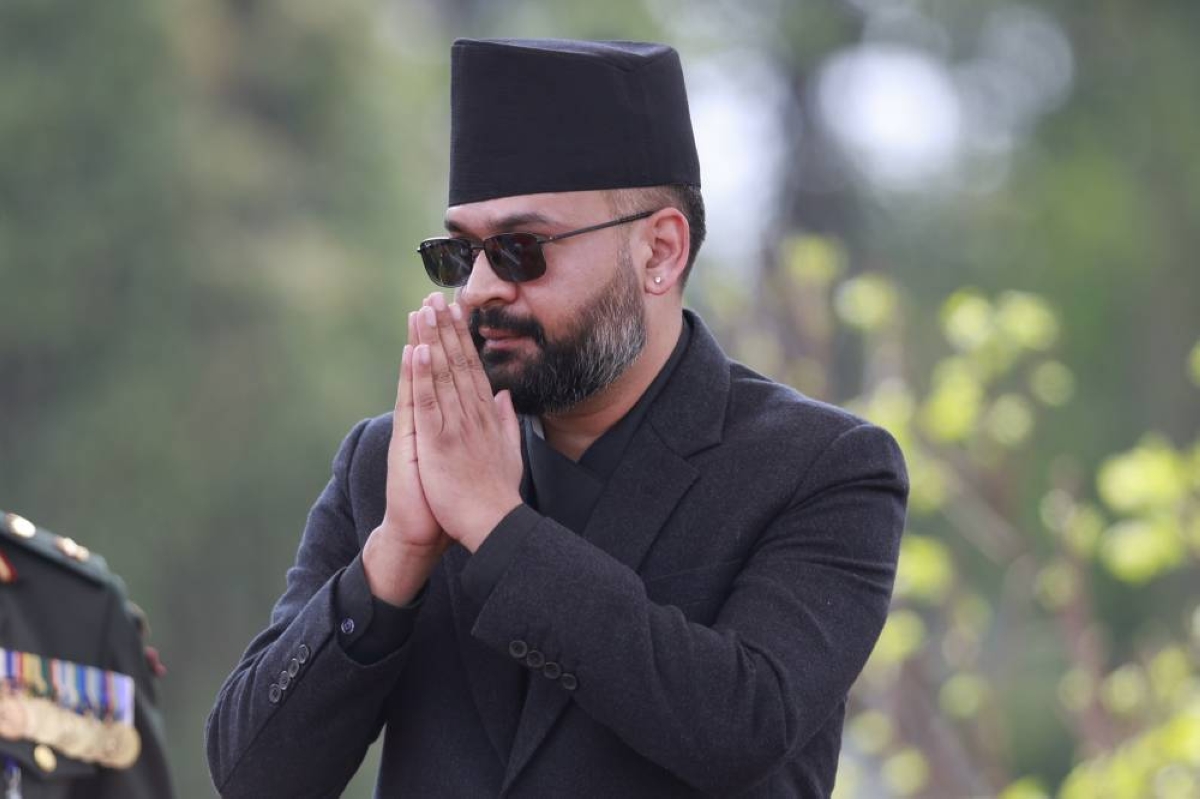
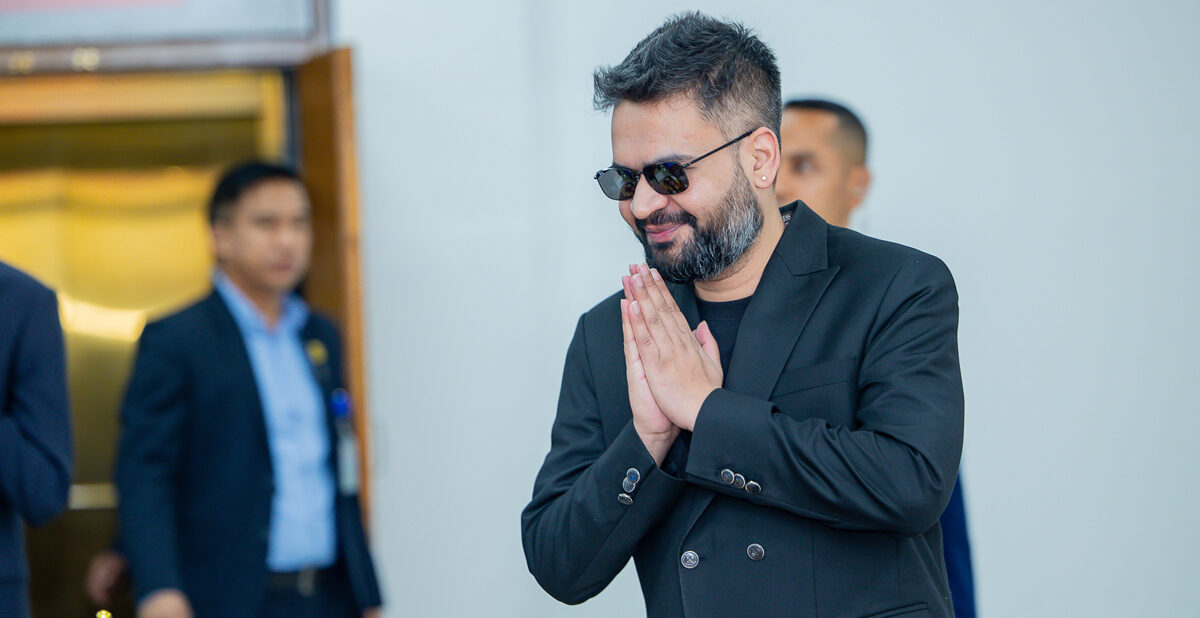
Shah met Indian Ambassador Sudhakar Dalela on 18 November ahead of talks with Prime Minister Narendra Modi expected on 22–23 November. Kathmandu is reportedly seeking more than $2 billion in grants and credit, partly for flood recovery. How much would come as grants, and how much would Nepal have to repay? Families need help rebuilding homes, communities need schools restored, and bridges swept away by floods must be replaced. Roads and hydropower facilities also need repairs. Publishing the financing terms for each project would let Parliament judge whether the package meets local priorities and who will answer for delays or shortfalls.
Nepal has sought usable entry routes through Indian airspace since 2009, particularly for Bhairahawa and Pokhara. Nepal is also seeking two-way use of the Mahendranagar corridor, currently available only for departing flights.
Delhi, in turn, has raised access to Nepali airspace for flights serving Bagdogra and Raxaul. Accounts differ on whether the Bagdogra request concerns routine flights or a safety arrangement near the border. Kathmandu has sought technical details on Raxaul, where some reports suggest India is seeking a role in air-traffic control.
Before agreeing to either request, Kathmandu should establish which flights it would cover, at what altitudes and under whose authority. Nepal's own test is straightforward. Would airlines gain an entry route they can use to reach Bhairahawa or Pokhara, and when could they start flying it? An agreement in principle would leave airlines with a question. At what altitude could an aircraft enter, and could it make a safe, commercially workable approach to the airport it serves? The two civil aviation authorities should publish those details alongside any announcement.
On 17 November, the Nepal Electricity Authority reported clearance to export 56 MW from three hydropower projects and to import up to 350 MW for up to 17 hours a day, excluding morning and evening peak periods. The authority subsequently reported clearance to offer about 615 MW on the Indian Energy Exchange, including power previously authorised for sale under bilateral arrangements. Shah should seek a timetable for renewing export approvals so Nepal can sell surplus power without interruption.
Nepal fully financed the 456 MW Upper Tamakoshi project, but India has yet to approve the sale of its electricity in the Indian market. Nepali hydropower developers attribute the approval delay to Sinohydro, the Chinese contractor that carried out the civil works. They report similar scrutiny of Chinese-made equipment at other plants. Shah should press Delhi to clear Upper Tamakoshi for export and lift unfair restrictions based solely on the use of Chinese contractors or equipment..
Pancheshwar remains stalled three decades after the 1996 Mahakali Treaty. Officials have narrowed differences over construction costs, but the two countries still disagree over how to value and share the benefits of the river's water. Shah and Modi should ask their negotiators to identify the outstanding points and set a date to review them.
Nepal's trade deficit, transit arrangements and the suspension of Nepali recruitment into the Indian Army also warrant discussion. The proposed Ayodhya–Janakpur railway service would give travellers a direct connection. Alongside any inauguration, the two governments should say which trade and transit barriers they will tackle next.
Preparing for sensitive discussions
The border agenda requires a consistent national position and disciplined communication. Nepal's claims concerning Kalapani, Lipulekh, Limpiyadhura and Susta should be raised through established diplomatic channels, with a record of the discussion and follow-up process. Even if the prime ministers cannot settle the competing claims in Delhi, they can identify who will lead the next round of talks, what maps and records each side will bring, and when the delegations will meet. That would give Parliament a commitment to follow up.
The Prime Minister's remarks in Parliament on 31 May show why preparation matters. His comments about cross-border occupation prompted a same-day Foreign Ministry clarification that he was referring to land use along the border, not changing Nepal's official territorial position. A thorough briefing, agreed talking points and experienced diplomatic advisers in the room are essential.
The two leaders could also break the impasse over the Eminent Persons Group report. Completed in July 2018, it still awaits formal receipt by India. Shah should ask Modi to agree on how the two governments will receive and discuss its recommendations.
Preparation also requires a domestic mandate. Opposition leaders have urged the Prime Minister to consult political parties on sovereignty and other major issues. A shared position would strengthen Nepal's negotiating hand and provide continuity beyond this government.
This visit builds on arguments I have made in earlier pieces for The Himalayan Times, Annapurna Post and Nepal Bolchha: Nepal needs a prepared agenda, clear national objectives and a public account of what follows high-level engagement. A short visit cannot resolve every dispute, but it can set priorities, agree on next steps and assign responsibility.
After the visit, the government should publish a short table setting out what the two sides agreed, what remains open, who is responsible and when the next step is due. Citizens should be able to see when an airline can use a new route, when a power producer can enter the Indian market and when negotiators will meet again on the border. Those are results Nepal can measure long after the delegation returns.
Ghale, formerly with WHO's Governance Team in Geneva, writes on global health, policy and diplomacy.


.png)