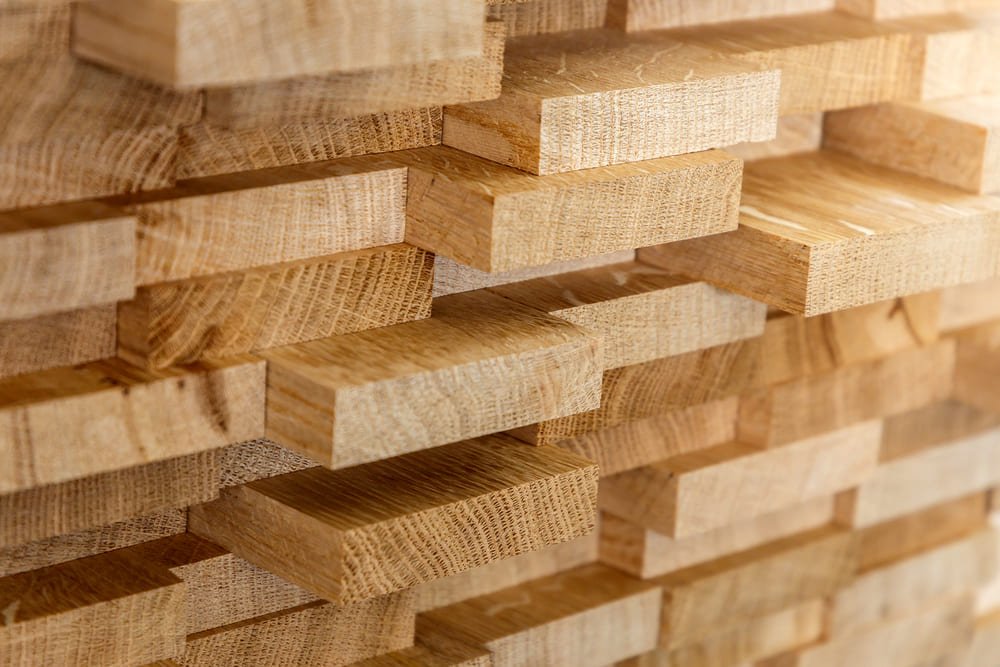
The Australian Trade Remedies Commission (ATRC) has launched an investigation into alleged dumping of structural timber imports from China, particularly Laminated Veneer Lumber (LVL).
Australian Forest Products Association (AFPA) Acting CEO Richard Hyett said Australian timber played an essential role for housing and construction and the investigation was fundamentally about maintaining the long-term strength of Australia’s timber supply chain.
“Our industry is under extreme pressure and has made this application to the Commission because we believe Australian timber manufacturers are not competing on a level playing field,” Hyett said.
“Dumping is about an unfair advantage over all other suppliers in the market. Dumping also damages local industry and can lead to business closures, destroying Australian jobs and manufacturing capacity. Once local competition is eliminated, price rises are expected to follow.”
The Housing Industry Association (HIA) Managing Director Jocelyn Martin said while anti-dumping laws play an important role in countering unfair trade practices, the growing reliance on tariffs and duties signals deeper structural problems within the local economy.
“But these investigations are also raising a bigger question: why are Australian manufacturers across a growing number of sectors finding it increasingly difficult to compete both here and overseas?”
“The answer cannot always be another duty, another tariff or another trade barrier. At some point we need to address the structural factors that make it more expensive to manufacture products in Australia than in competing economies.”
Martin pointed to escalating energy, labour, and freight costs, alongside skills shortages, taxation settings, planning delays, and complex regulations, as key barriers hampering domestic manufacturers from competing on productivity and innovation.
The association cautioned that any further increases in material prices come at a difficult time for residential builders already navigating softening market conditions, rising business expenses, and labour constraints. With governments targeting the delivery of 1.2 million new homes, the HIA warned policymakers against backing measures that inadvertently inflate construction costs and worsen housing affordability.
“Governments cannot on one hand call for more homes and on the other support policies that continue to make them more expensive to build,” Martin said.
Rather than treating local manufacturing and affordable housing as competing priorities, the HIA called for a national conversation on economic reform to lower domestic production costs and protect the housing supply chain from ongoing price shocks.