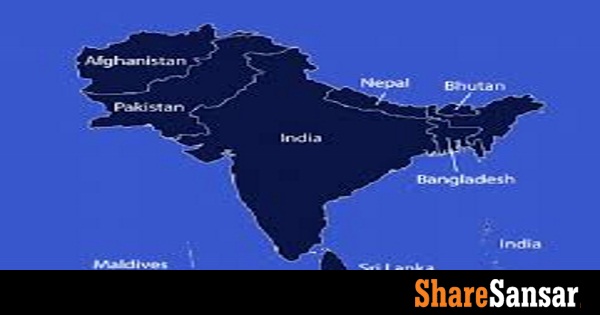
The World Bank has projected South Asia’s economy to grow by an average of 6.8 percent in 2026-27, maintaining its position as the fastest growing region among emerging market and developing economies (EMDEs). According to the World Bank Group’s South Asia Economic Update – October 2026 , strong domestic demand is expected to support the region’s economic growth despite challenges from high energy prices and global economic uncertainty.
The report states that persistently high energy prices and a severe El Niño could slow economic growth in the region. It also warns that financial market instability linked to a possible slowdown in artificial intelligence (AI) investment could affect South Asia, although the region is less exposed to these risks than other developing regions.
The report highlights AI as an important opportunity for South Asia to improve productivity, expand exports and create better paying jobs. AI adoption among businesses in the region is increasing but remains behind advanced economies. Around 23 percent of Indian firms report using AI, compared to 43 percent in the United States. Growing business connections between South Asian suppliers and US customers in AI-related sectors also indicate new opportunities for regional firms.
The World Bank has emphasized the need to improve workforce skills, business conditions and physical and digital infrastructure to accelerate AI adoption. It has also identified renewable energy, tourism and agribusiness as important areas for future investment and job creation.
The report further warns that South Asia is aging rapidly, with the working age population expected to peak around 2034 and the region projected to become an aged society by 2049. It highlights the need to expand employment opportunities while strengthening pension coverage, healthcare and financial support for older people.