Topic: APEC Economic Leaders' Meetings
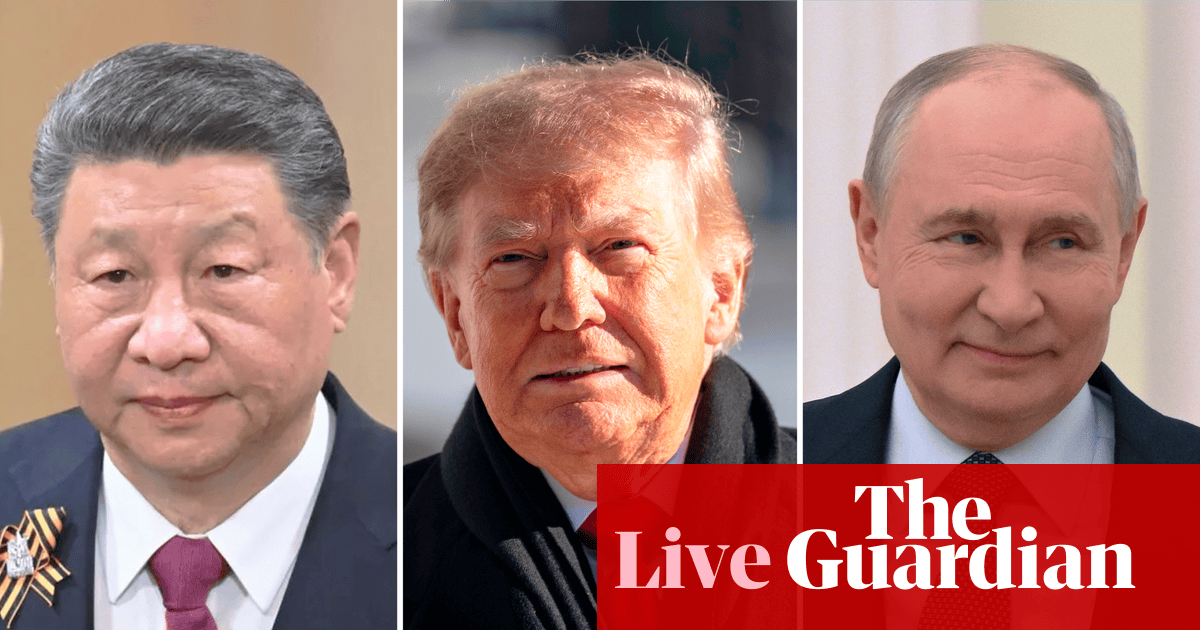
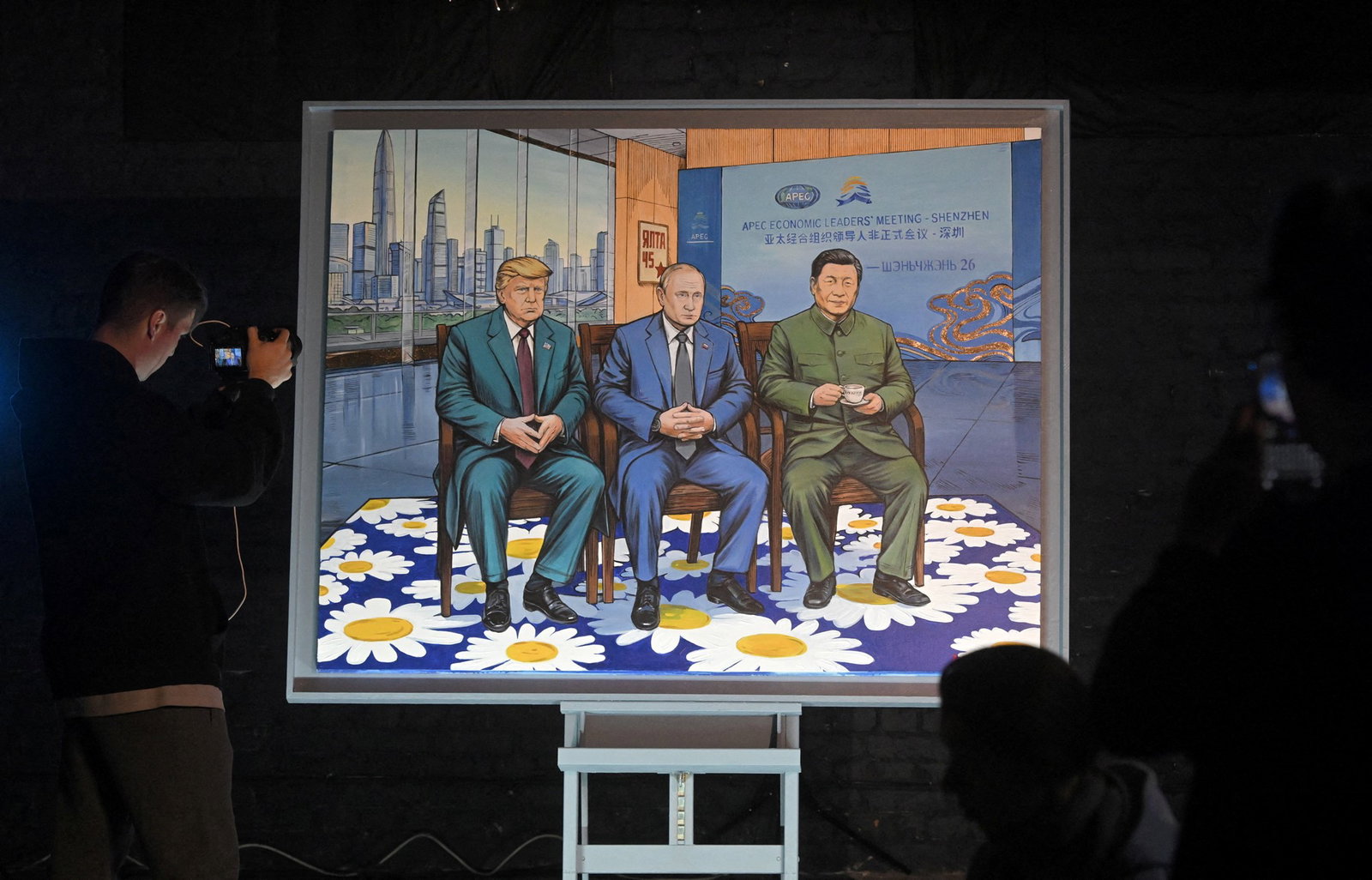
Donald Trump, Xi Jinping and Vladimir Putin will meet for the first time on the sidelines of the Asia-Pacific Economic Cooperation (APEC) summit in Shenzhen.
All eyes will be on the meeting of the US, Chinese and Russian leaders as tensions over the Iran and Ukraine wars, AI, and trade continue to simmer between the global powers.
Follow the latest developments live.
Hi everyone, and welcome to our live blog of the much-anticipated meeting of the leaders of the three major nuclear powers: the US, China and Russia.
The meeting is taking place on the sidelines of the Asia-Pacific Economic Cooperation summit in Shenzhen.
We're also expecting a couple of important bilateral meetings, including one between US President Donald Trump and Chinese leader Xi Jinping.
Choose what information you see below by using filters
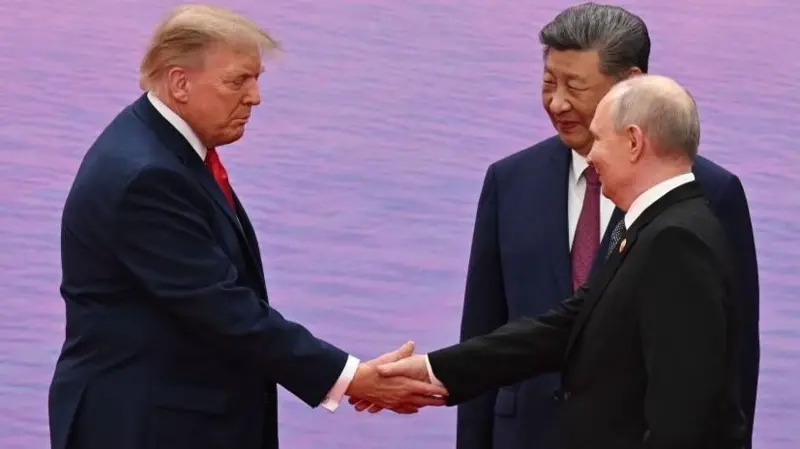
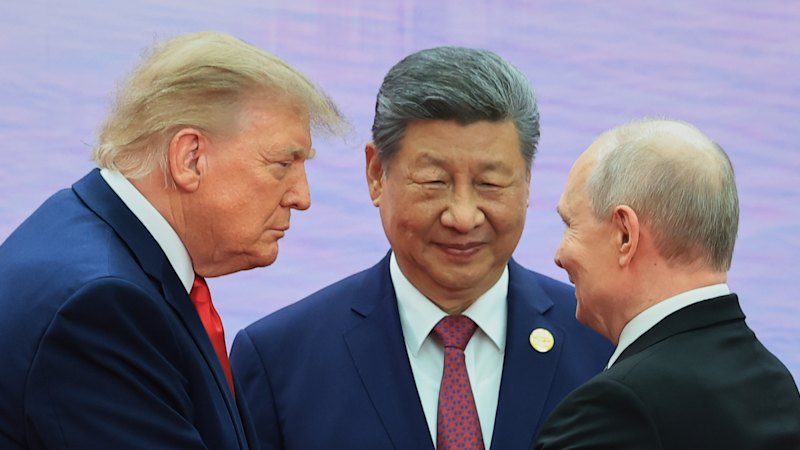
Donald Trump has greeted Vladimir Putin with a warm handshake on the sidelines of the summit.
"We've had a great relationship for many years. We know each other for a long time, and I think a lot of wonderful things can come out of this, or at least start. But I think they'll come out of this," Trump told Putin.
He then flagged the pair would have a second meeting later on today, but didn't go into further details.
Earlier today, Donald Trump spoke at APEC's plenary session, which all leaders attend.
He said that AI is "almost completely good" — not wavering from his view that the technology should face minimal regulation.
The US president also described America as a "Pacific power for hundreds of years, and we continue to work to promote growth and stability, sovereignty, prosperity and peace throughout this region".
By China correspondent Allyson Horn in Shenzhen
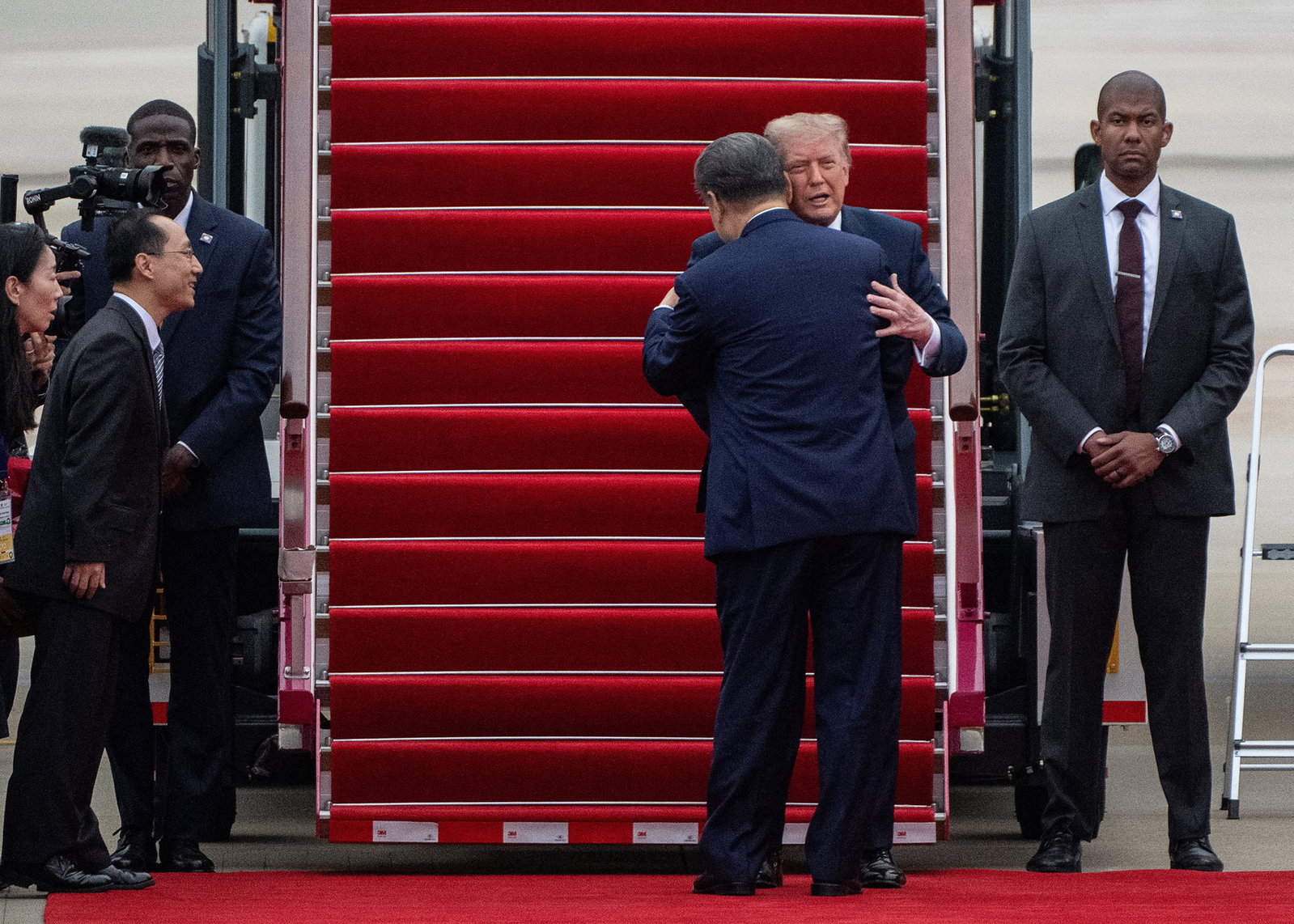
It did look remarkably chummy and caught a lot of China watchers by surprise, but I don't think we should assume this means the pair are now best buds.
To be clear, this was an extraordinary meeting on the tarmac in Shenzhen.
It's the first time Xi Jinping has personally greeted a visiting head of state at an airport , let alone welcomed them with an embrace — the kind of greeting usually reserved for his close ally, Russian President Vladimir Putin.
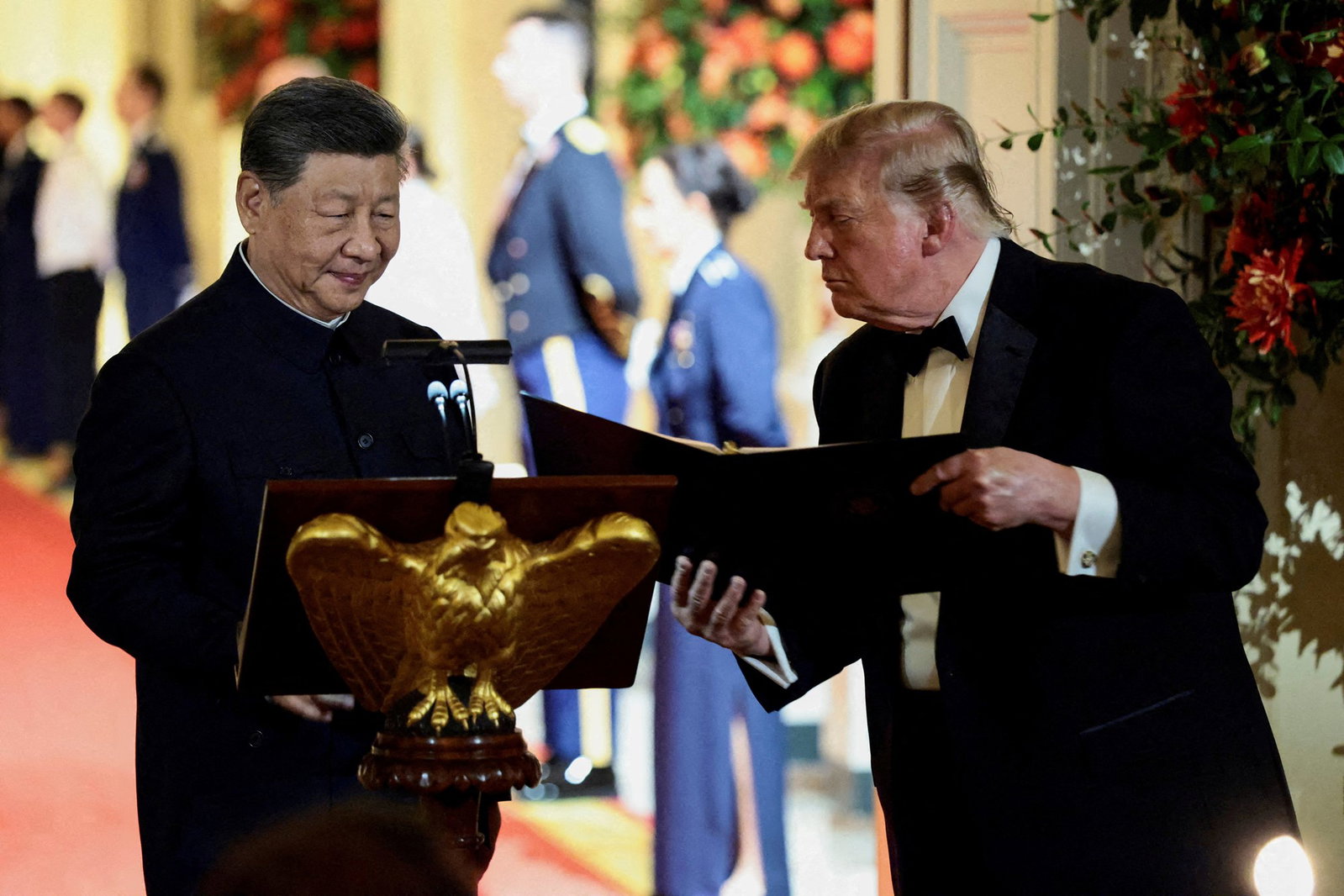
But to put this in context, China is a proud nation that values tradition and reciprocity. Just a few months ago, Trump bestowed the same honour of a personal greeting on Xi when he visited the US. So it's not a stretch to see why China wouldn't want to be outdone and would want to match that level of hospitality.
But don't be fooled by the warm atmosphere; this is a relationship fraught with delicate and wide disagreements, including on issues like trade, AI and tech, and Taiwan.
What we can read into this airport embrace is that both parties want today's bilateral, as well as the trilateral meeting with Putin, to go well, at least from an optics perspective.
And it does appear the personal relationship between Trump and Xi is growing closer, something both leaders want despite their vast differences.
While the bilateral meeting between Xi and Trump seems to be an afterthought for many, it could actually be more important than the trilateral meeting involving Putin.
"I think the trilateral meeting will be a lot of pomp and photographs, but not much outcome, whereas the US-China one could actually be significant," said Nick Bisley, a professor of international relations at La Trobe University.
He said the bilateral meeting — the third between Xi and Trump this year, with one more expected next month — could touch on key topics such as Taiwan and artificial intelligence, and even former Nvidia chief Jensen Huang.
Professor Bisley said his guess was that because the landscape was so unsettled, the outcome would likely just be an anodyne statement about AI being an important technology that needs to be regulated.
"But what's the tone and tenor of that relationship? Can the stability of the relationship that was established earlier be continued? Does it get frosty? Does Trump revert to his more hawkish position on China? And that's all a bit up for grabs," he said.
"You can overrate how important these bilateral meetings are, but both the US and China have highly personalised political systems at the moment, so seeing how those two get along and what they achieve or not will be pretty important to watch."
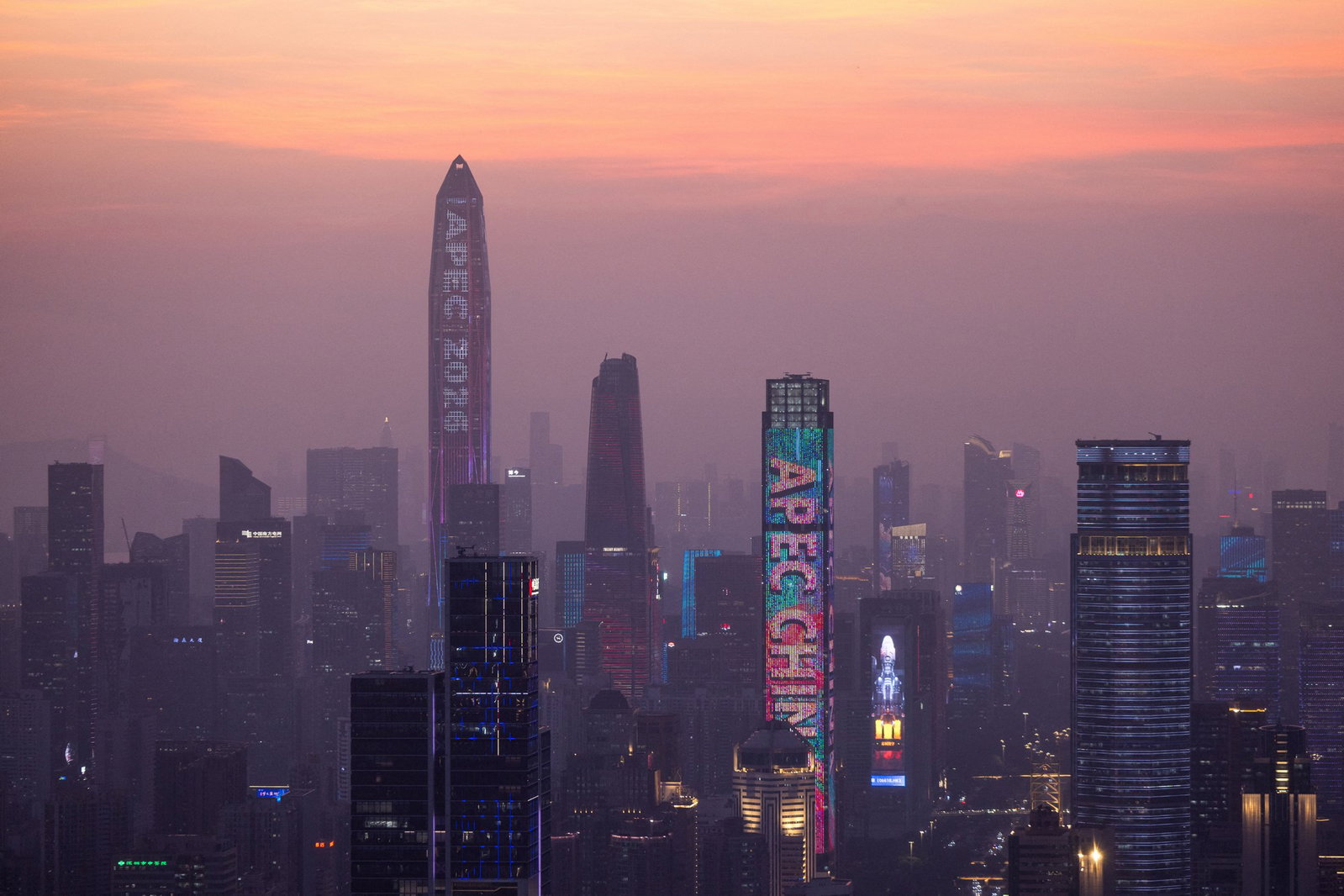
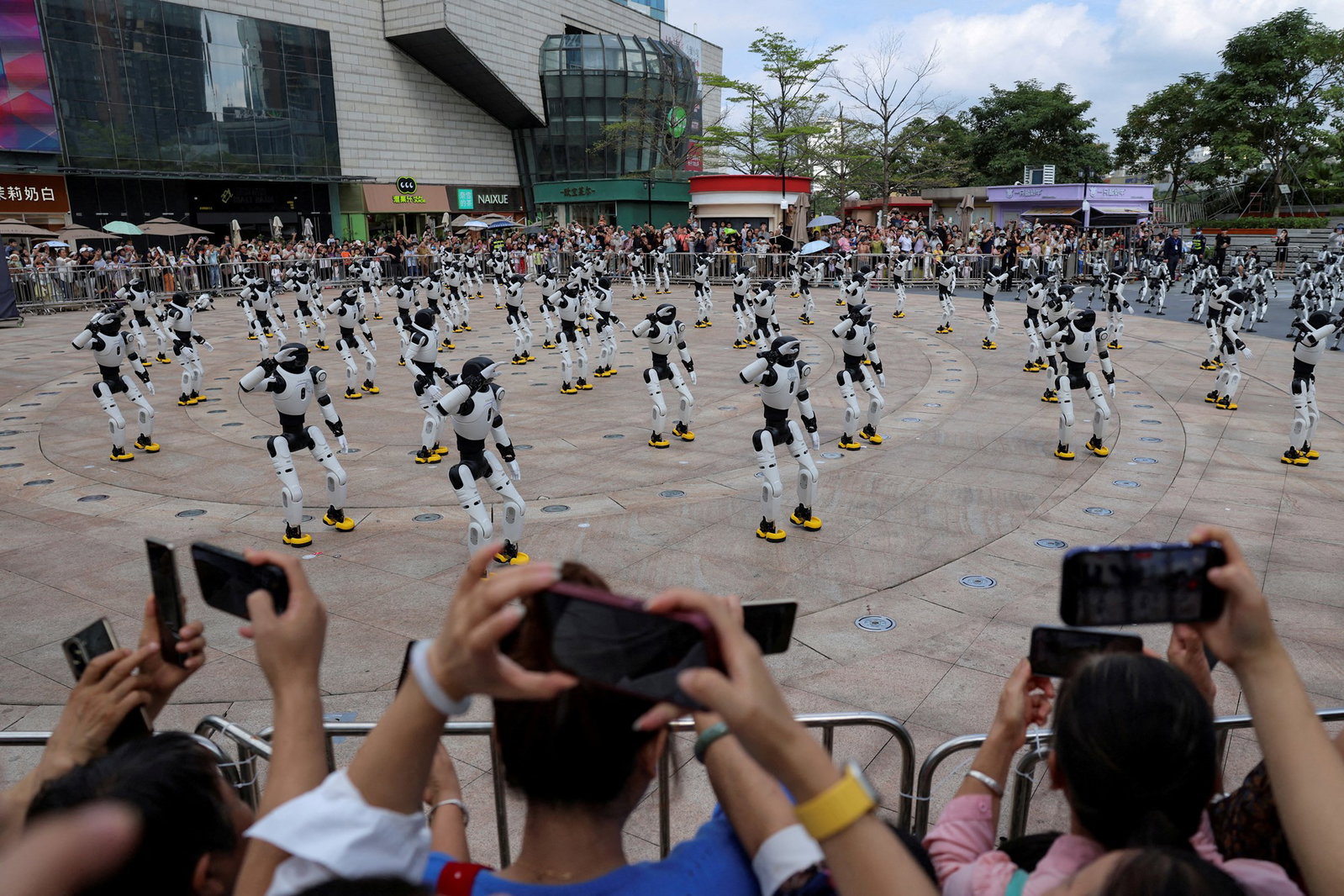
The metropolis of about 18 million people is just north of Hong Kong and is known for its development of AI, driverless cars and robotics.
It's commonly referred to as China's Silicon Valley.
Huawei, EV maker BYD, internet and gaming giant Tencent and electronics manufacturer Oppo are some of the major companies headquartered in Shenzhen.
Drones are also regularly used to deliver food in parts of the city, which has increasingly attracted young entrepreneurs.
Shenzhen was largely a rural area before it made history in 1980, when then-leader Deng Xiaoping declared it China's first special economic zone.
This opened the door to foreign direct investment and private enterprises. The city then evolved from a low-cost manufacturing hub to a global hardware and technology innovation powerhouse.
"Shenzhen is one of the most important symbols of China’s reform and opening up through its strong global role in trade, manufacturing, and innovation," Gary Ng, senior economist for Asia Pacific at French bank Natixis told AP.
APEC stands for the Asia-Pacific Economic Cooperation.
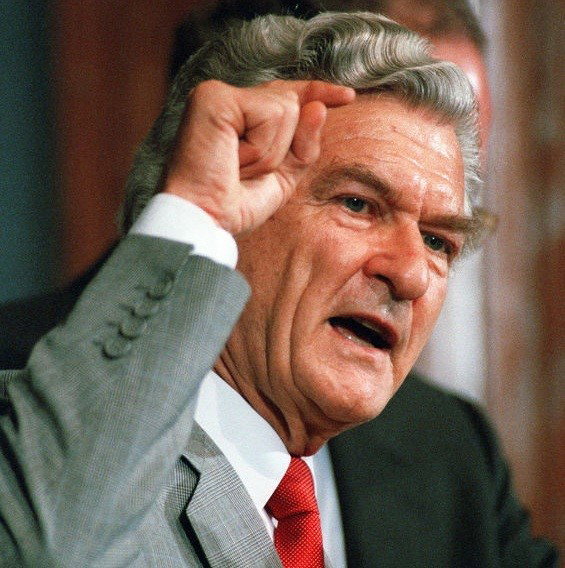
Then-prime minister Bob Hawke proposed the idea in 1989, and the first meeting was held in Canberra in November that year.
There were just 12 members, including Australia, the US, Japan and South Korea. China, Hong Kong and Taiwan joined in 1991, and the group now has 21 members.
APEC does not call its members "countries" because the test for joining is being a separate economy rather than a state. That is how Beijing, Hong Kong and Taiwan can sit at the same table.
The early meetings were for ministers only, and the first leaders' meeting was held in Seattle in 1993.
APEC runs on consensus and voluntary action, so it is more of a "talk until we agree" club than a rule-making body.
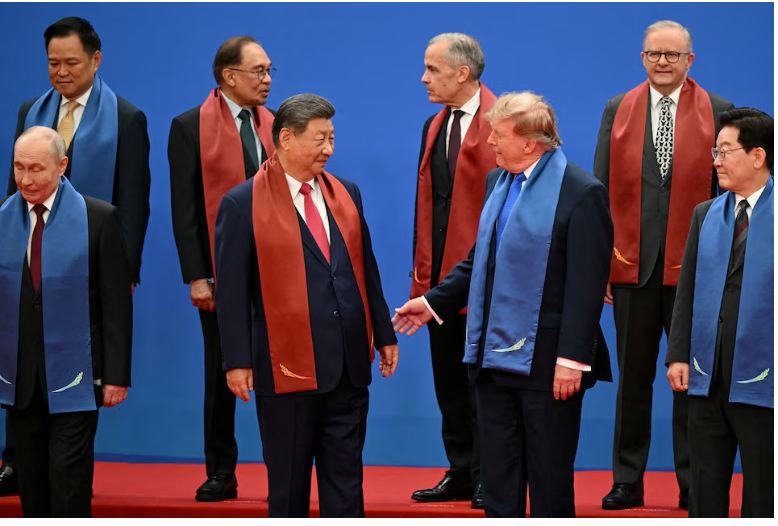
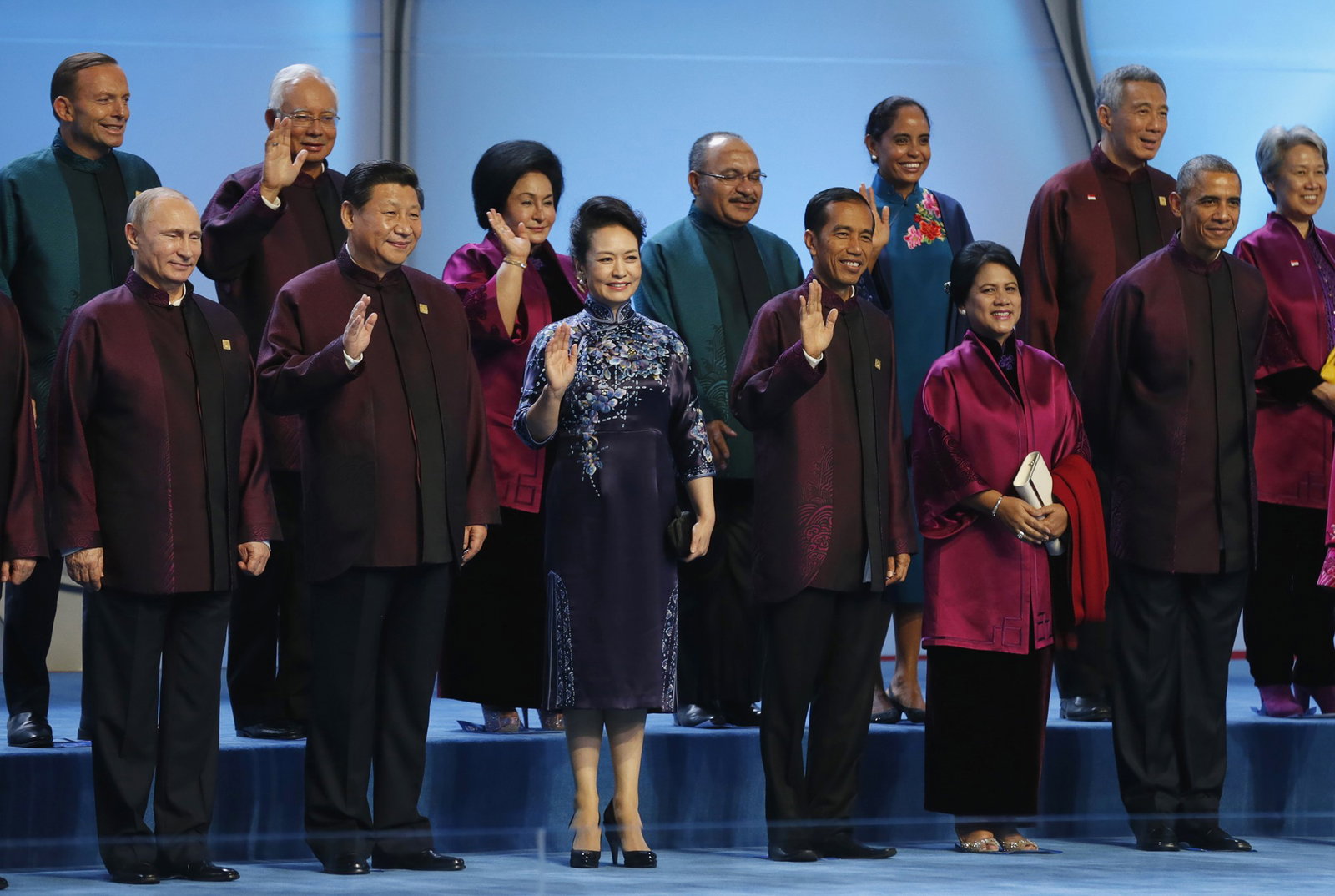
Leaders pose in outfits that nod to the host country, and fans look forward to it every year.
Comedy group The Chaser drove a fake motorcade into the restricted zone, which some critics described as a security failure.
This year's summit in Shenzhen is the third time China has hosted, after the summits in Shanghai in 2001 and Beijing in 2014.