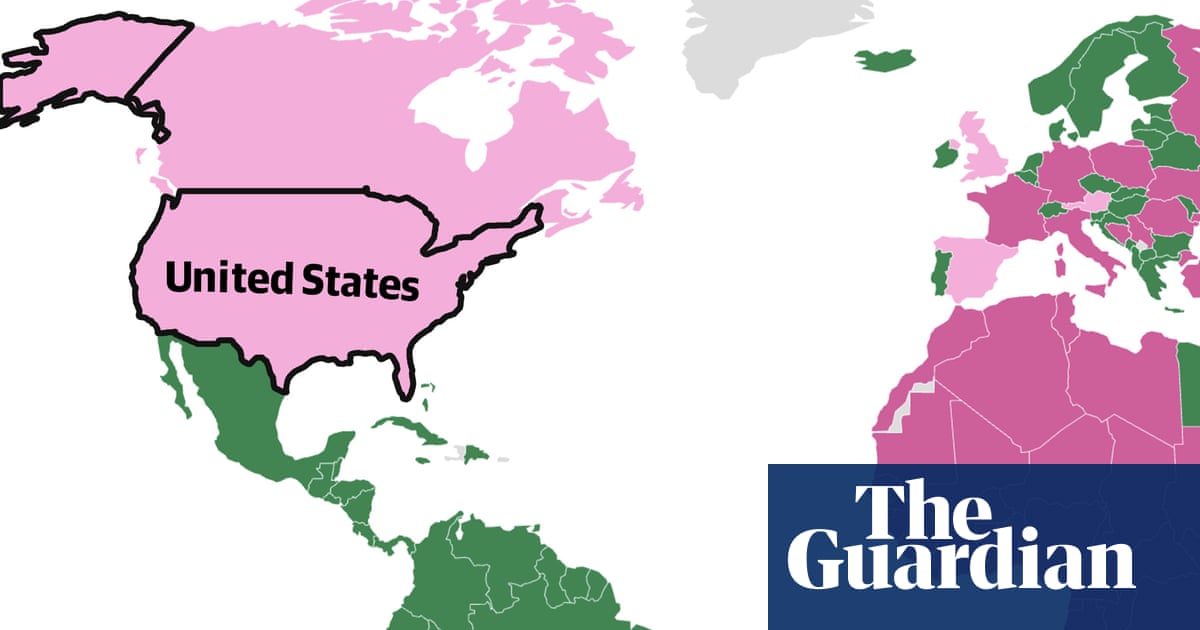
International health authorities formally announced on Tuesday that the US has lost its measles elimination status, a hard-fought public health triumph won in 2000 after decades-long vaccination efforts. The loss had been widely expected by public health experts for months, and the decision was leaked by the press last week. Still, having the designation officially stripped stings.
After the announcement Tuesday, public health experts, doctors, and political leaders decried the dramatic backslide for the US, calling it “ shameful ” and a “ national embarrassment .” News articles point to the staggering vertical rise of measles cases this year, currently over 5,400 cases , more than any other year since 1991. An explosive measles outbreak in Pennsylvania accounts for over 1,500 of those cases . There have been 10 confirmed deaths across three states, several deaths just in the last week.
But the measles data that caused the US to lose its status—the bits of it that are public at least—paint a darker picture of where the US is in its rematch with measles, the most contagious virus known on Earth. For one thing, almost none of the data from this year—the cases, the explosive Pennsylvania outbreak, the deaths—factored in to the loss. It was lost earlier. What’s happening now is a runaway epidemic.
The US measles elimination status is a designation granted by the Pan American Health Organization (PAHO), which is a regional division of the World Health Organization. Last week a committee of experts assembled by the PAHO, called the RVC, met to review measles data for countries across the region, including the US. (RVC is short for the Measles, Rubella and Congenital Rubella Syndrome Elimination Regional Monitoring and Re-Verification Commission.)
For their review of the US data, the RVC heard from an independent committee of experts from the US, called the NSC, which presented measles data collected from January 2025 onward. (The NSC is short for the US National Sustainability Committee for the Elimination of Measles, Rubella, and Congenital Rubella Syndrome.)