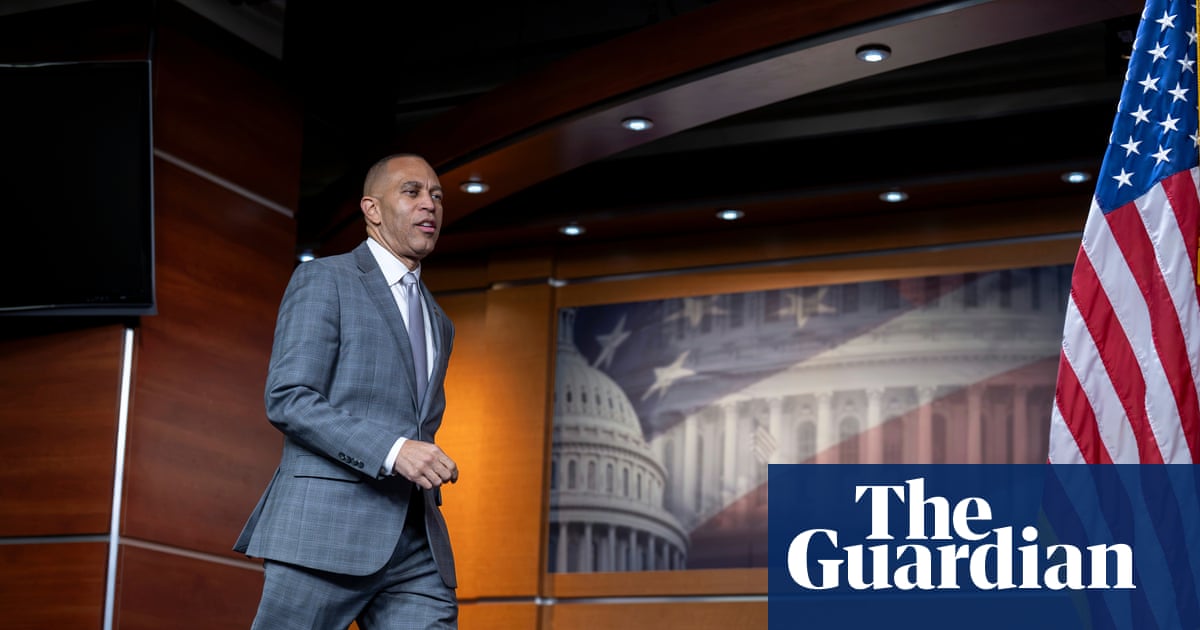
Hakeem Jeffries is now all but certain to lead the House next January, a role that will make him the first Black speaker in US history as he oversees Democrats’ largest majority in years.
Roughly two weeks after their midterms romp, House Democrats voted to back Jeffries for the top job in the new Congress, despite some on the far-left clamoring for new leadership.
A small bloc of newly elected Democratic socialists had refused to publicly commit to Jeffries ahead of the leadership election, demanding concessions like votes for Medicare for All or a ban on arms sales to Israel.
But in the end, just 11 Democrats voted against him in the secret ballot vote, according to a source familiar with the vote, all but assuring he will win the gavel in the new Congress.
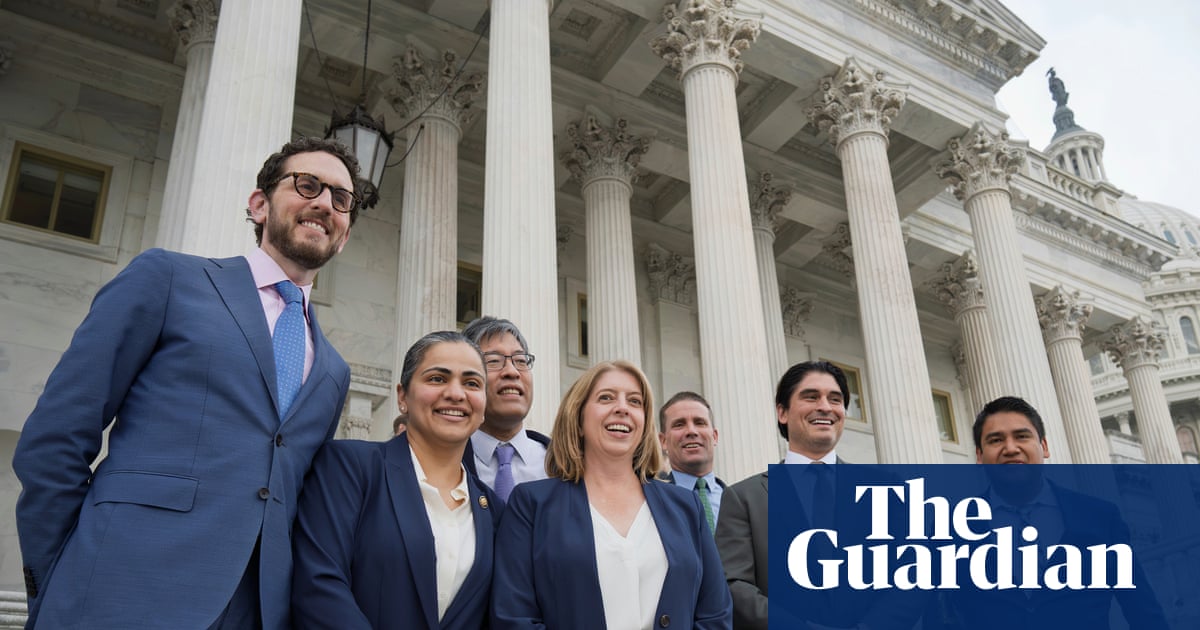
One group of seven ultra-progressive new members declared in a statement that they voted “no” because they are still seeking commitment from Jeffries on key priorities, including votes on Medicare for All and ending “the genocide in Gaza,” they said. Signed onto the statement were Reps.-elect Darializa Avila Chevalier of New York, Adam Hamawy of New Jersey, Frederick Haynes of Texas, Melat Kiros of Colorado, Donavan McKinney of Michigan, Chris Rabb of Pennsylvania and Claire Valdez of New York.
Ahead of Jeffries’ win, he received a powerful endorsement from Rep. Jim Clyburn, a longtime ally and one of the most senior members of the Congressional Black Caucus.
“Hakeem is interested in headways and not headlines,” Clyburn declared in his signature baritone voice, according to two people in the room, delivering a speech that one described as “powerful” as the caucus formally nominated the nation’s first Black speaker.
Now, all that stands between Jeffries and the gavel is a formal vote by the full chamber on the floor on January 3 — the first act of the new Congress — which his allies, and even his detractors, expect he will easily survive.
Jeffries had been expected to coast through the party vote on Wednesday, because the Democrats’ majority next year is simply too large for any small bloc of lawmakers to hold sway. But people close to the New York Democrat insist that he took nothing for granted.
Ahead of the election, he lined up face-to-face conversations with any incoming Democrats who had refused to commit — nearly all aligned with the Democratic Socialists for America. He sat down with the biggest factions of his caucus, including the centrists, New Democrat Coalition and the Blue Dog Caucus, as well as the Congressional Progressive Caucus.
Jeffries and his team have kept their private discussions closely guarded. But Democrats have noted some subtle shifts in Jeffries’ public remarks, including a significant shift on one of the left’s biggest policy demands: Medicare for All.
Jeffries announced on Friday that he backs major tenets of a universal healthcare system, specifically, lowering the eligibility age for Medicare, creating a new program that guarantees universal coverage for kids and adding hearing, dental and vision coverage to the program.
It’s a major nod to progressive priorities, mirroring Sen. Bernie Sanders’ approach to a phase-in for Medicare for All system. (Centrist Democrats, meanwhile, have pushed for a Medicare-like public option.)
This story has been updated with additional developments.
CNN’s Manu Raju and Annie Grayer contributed to this report.