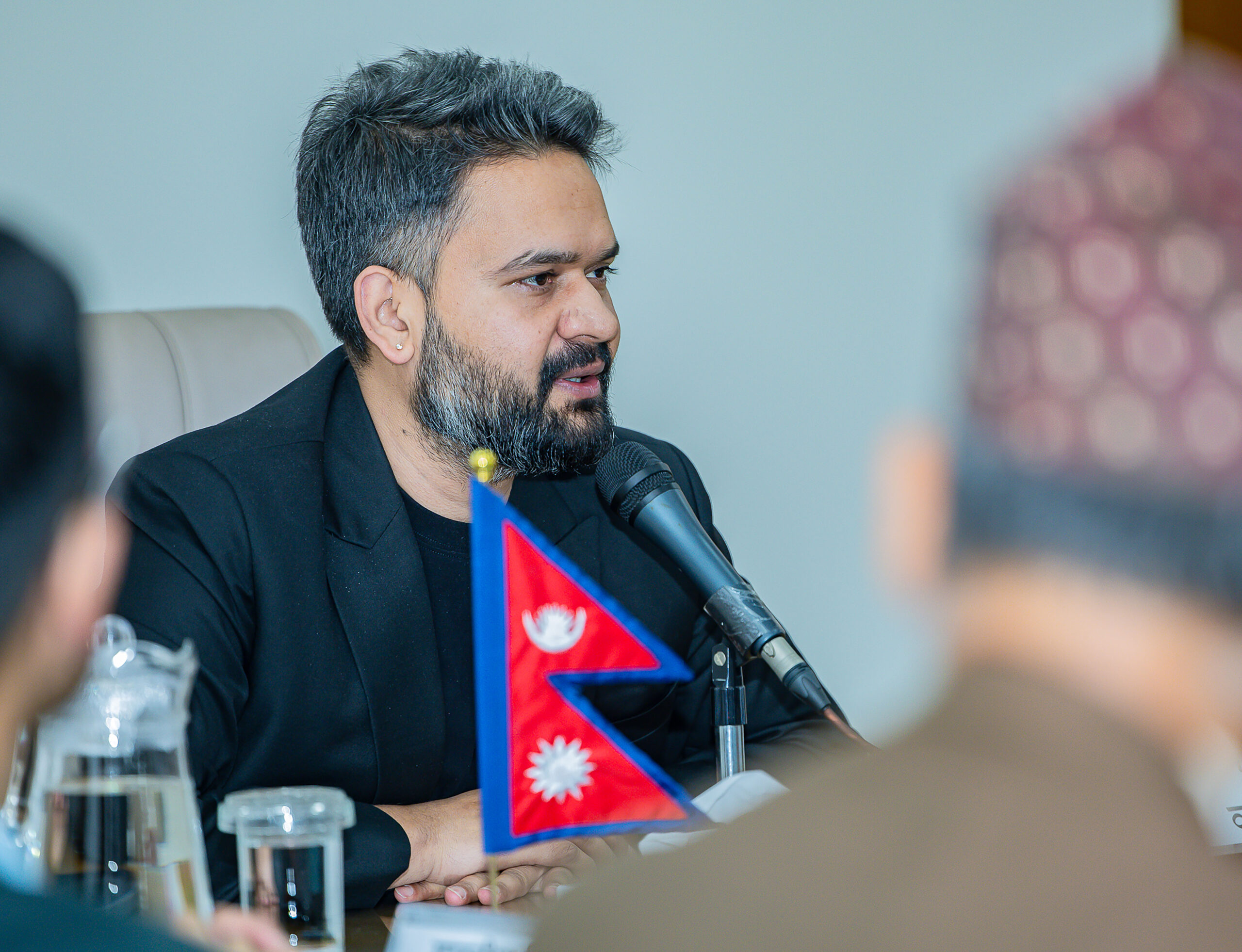
Prime Minister Balendra Shah/File photo
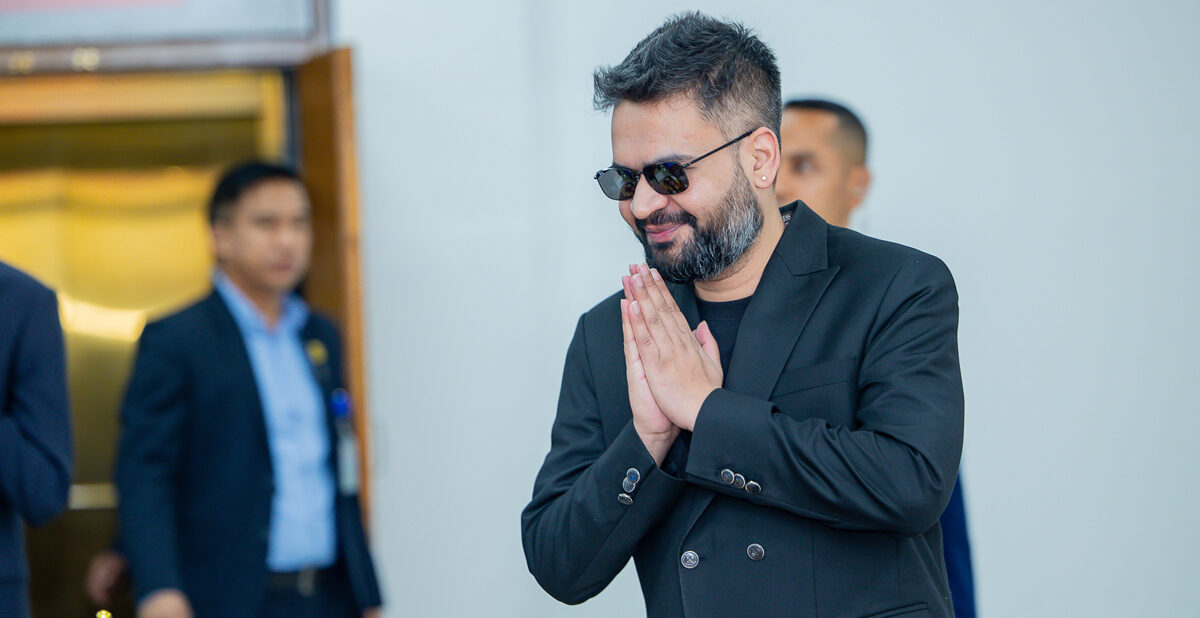
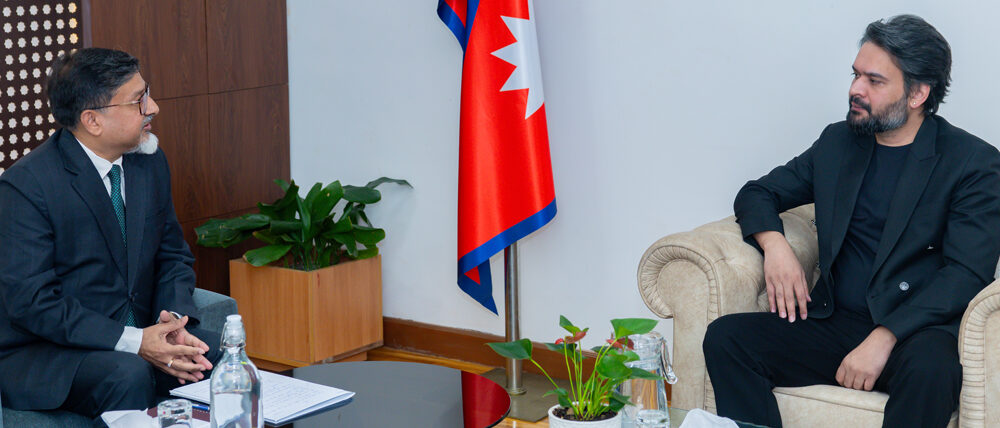
KATHMANDU: As Prime Minister (PM) Balendra Shah prepares for his upcoming visit to India, experts from various fields, including diplomacy, trade and security, have offered recommendations to make the visit productive and further strengthen Nepal-India relations.
Speaking at a programme titled ‘Contemporary Nepal-India Relations’, organized by the Centre for Social Innovation and Foreign Policy (CESIF) in the federal capital on November 17, participants discussed a range of bilateral and regional issues. They highlighted growing economic uncertainties, disruptions to global supply chains, geopolitical developments and increasingly frequent climate-related disasters, emphasizing the need to reinforce close and cooperative ties between the two neighbouring countries.
CESIF Executive Chairperson Vijay Kant Karna highlighted the strong foundations of Nepal-India relations and identified several areas where the interests of both countries converge, including energy, trade and investment, connectivity, disaster response and resilience building. He stressed the importance of establishing a common agenda for cooperation in these sectors, backed by clear timelines and regular follow-up mechanisms to provide officials with a practical framework for implementation.
According to a press release issued by CESIF, former Chief of Defence Staff and Director of India’s Vivekananda International Foundation (VIF), General Anil Chauhan, described Nepal-India relations as unique, grounded in longstanding civilizational and cultural ties and deep people-to-people connections that extend beyond formal diplomatic engagement.
He noted that bilateral relations encompass several dimensions, including security, trade, transit, connectivity, infrastructure development and disaster response. He added that these ties are increasingly influenced by changing regional security dynamics, evolving national interests, technological advancements and shifting relationships among major powers.
Chauhan called for expanding bilateral engagement beyond government-to-government interactions by strengthening cooperation among think tanks, academic institutions and civil society organizations. He argued that think tanks could provide platforms for exchanging perspectives, developing fresh ideas and discussing sensitive issues that governments might find difficult to address directly.
Former Indian Ambassador to Nepal Ranjit Rae emphasized the need for both countries to work together in addressing common challenges. Reflecting on the September 2025 Gen Z movement, he described the emergence of a new generation of dynamic leaders, focused on economic development and free from the political baggage of the past, as a source of hope for Nepal and an opportunity to advance bilateral relations.
Rae expressed hope that the Prime Minister’s forthcoming visit to India would help strengthen mutual trust through direct engagement and face-to-face interactions.
He also proposed expanding bilateral cooperation into emerging areas, particularly climate change and its growing impacts. Recalling India’s humanitarian assistance and disaster relief (HADR) support to Nepal following the earthquake and the Bhotekoshi disaster, he underscored the importance of continued collaboration in disaster preparedness and response.
Similarly, former Vice Chairperson of the National Planning Commission Dr Govind Pokharel identified significant opportunities to deepen cooperation in energy, trade, agriculture and connectivity. He stressed the need to encourage private-sector participation in cross-border electricity trade, attract greater Indian investment in hydropower and advance long-delayed projects by resolving outstanding issues concerning water sharing and the distribution of costs and benefits.
Former Prime Minister’s Chief Adviser and CESIF Research Director Ajaya Bhadra Khanal observed that considerable progress had been made in physical connectivity, infrastructure development and bilateral agreements over the past decade, creating opportunities to take Nepal-India relations into a new phase.
However, he noted that improved connectivity and duty-free access had yet to translate into better market access for Nepali products.
He suggested that Nepal should shift its focus from competing with India towards integrating its economy into Indian value chains, particularly in neighbouring states such as Bihar, Uttar Pradesh, West Bengal and Uttarakhand.
Samriddhi Foundation Co-founder Arpita Nepal discussed bilateral investment flows and cautioned against viewing foreign capital primarily through the lens of economic dependency. She proposed assessing energy investments from the perspective of climate adaptation and promoting broader cooperation across the Himalayan region. She also highlighted the need for data sovereignty and privacy legislation aligned with India’s regulatory framework.
Nepal noted that Nepal’s affordable electricity and water resources could attract investments in data centres, while addressing quarantine and certification barriers could create opportunities in agro-processing. She also emphasized the potential for Indian capital and technology transfer to support domestic industries.
Furthermore, she called for transparent mechanisms to monitor informal investment flows involving small and medium-sized enterprises (SMEs) across the open border, arguing that such arrangements could help reduce security-related suspicions on both sides.
Former Secretary at the Ministry of Industry, Commerce and Supplies Purushottam Ojha highlighted the historical depth of Nepal-India trade relations, referring to bilateral agreements dating back to 1792 and subsequent treaties signed in 1950, 1960, 1978 and 1996. He noted that India continues to be Nepal’s largest trading partner.
Ojha recommended prioritizing export growth, tourism services, electricity, digital trade and specialized agricultural products rather than focusing primarily on bulk agricultural commodities. He also proposed revising the existing Treaty of Trade into a broader framework incorporating investment, trade facilitation, production sharing, customs cooperation, SME development and binding dispute settlement mechanisms.
The CESIF statement further noted that retired Major General Binoj Basnyat recommended strengthening the constitutionally mandated National Security Council by establishing a dedicated secretariat comprising specialists under the Prime Minister. Such a mechanism, he argued, would help coordinate defence, internal security, diplomacy, economic security, cyber resilience and disaster preparedness.
Another speaker, Anurag Acharya, called for diversifying economic cooperation beyond hydropower by exploring investment opportunities in niche sectors such as food processing, agro-based industries, Himalayan herbs, timber industries in Nepal’s mid-hills and cricket infrastructure to promote tourism.
According to the CESIF press release, the programme was attended by embassy officials, diplomats, ambassadors, military chiefs, generals, academicians and media representatives.
Publish Date : 18 November 2026 19:15 PM
HETAUDA: Construction of the Kathmandu-Terai/Madhes Expressway, being developed under the
KATHMANDU: As Prime Minister (PM) Balendra Shah prepares for his
KATHMANDU: Police have arrested a Chinese national with 1.8 kilograms
KATHMANDU: The Nepal Stock Exchange (NEPSE) index fell by 11.05
KATHMANDU: Contributions to the government’s relief funds for people affected
Reg No.: 1222/075-76(DOI, Nepal)
Chairman: Naresh Shrestha
Contact: +977 1-4249158
©2026 Khabarhub | All rights reserved.





.png)
