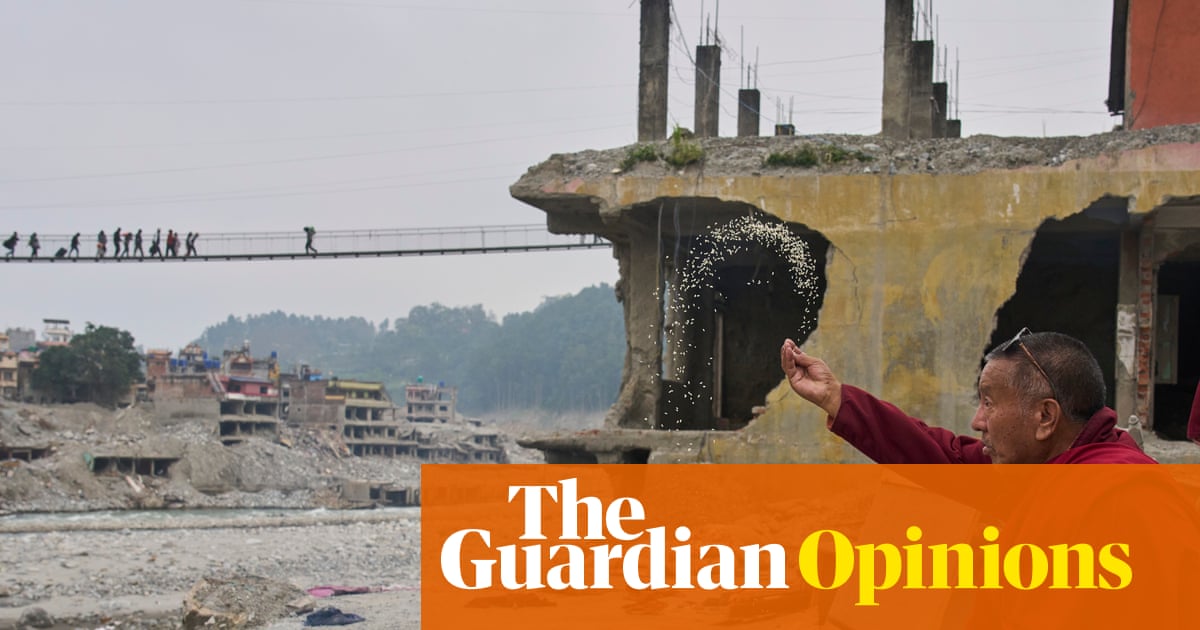
T he catastrophe that struck Nepal’s Himalayas in August began with a collapsing glacier. An avalanche of ice and rock unleashed deadly floods, sweeping away villages, bridges and roads, and leaving thousands dead or missing. It illustrated the dangers posed by global heating to the Himalayas’ increasingly unstable glaciers. Nepal lost a tenth of its electricity generation. Reconstruction will cost about $5bn. Yet the Loss and Damage Fund, hailed as a historic breakthrough at the 2022 UN climate summit, has earmarked just $20m for Nepal – less than 5% of the $482m that Kathmandu must pay its external public creditors this year.
“The scale of resources needs to increase,” Nepal’s delegation to this year’s UN climate conference drily observed. They are not the only ones agitating for change at Cop31. In its September report, Debt Fuels the Climate Crisis , ActionAid noted that the global south’s external borrowing is 100 times more than the climate finance it received. Poor nations end up trapped in debt dependency because they export cheap raw materials, but import expensive food, fuel and manufactured goods, invariably priced in dollars. The charity warned that climate-vulnerable countries are now expected to fund decarbonisation while servicing dollar loans that often pressure them to export fossil fuels rather than invest in green industrialisation.
With US interest rates rising, the cost of borrowing dollars for developing nations is seeing more cash paid to creditors. Between 2021 and 2024, the debt of such countries increased by just 2%, but debt repayments rose by 28%. The UN’s latest figures show that in the global south, excluding China, external interest costs reached $125bn in 2024. The UN’s climate chief, Simon Stiell, was right when he said that developing countries faced a “downward loop”, where climate risks raise borrowing costs, disasters increase debt levels and mounting repayments leave governments with little to invest in resilience. This makes them more vulnerable to future shocks. Climate finance, he argues , “must help countries break free”.
But is the world failing to tackle climate change because governments lack the political will? Or because climate action, among other development objectives, is being pursued within a global economic system whose rules entrench the inequalities inherited from colonialism? That is the question posed by Fadhel Kaboub , an economist at Denison University, Ohio, and adviser to the UN. His answer is that those structures never truly disappeared, but have evolved into today’s rules governing international finance, trade, investment and taxation. The upshot is that the countries least responsible for global warming have the fewest resources to confront its consequences.
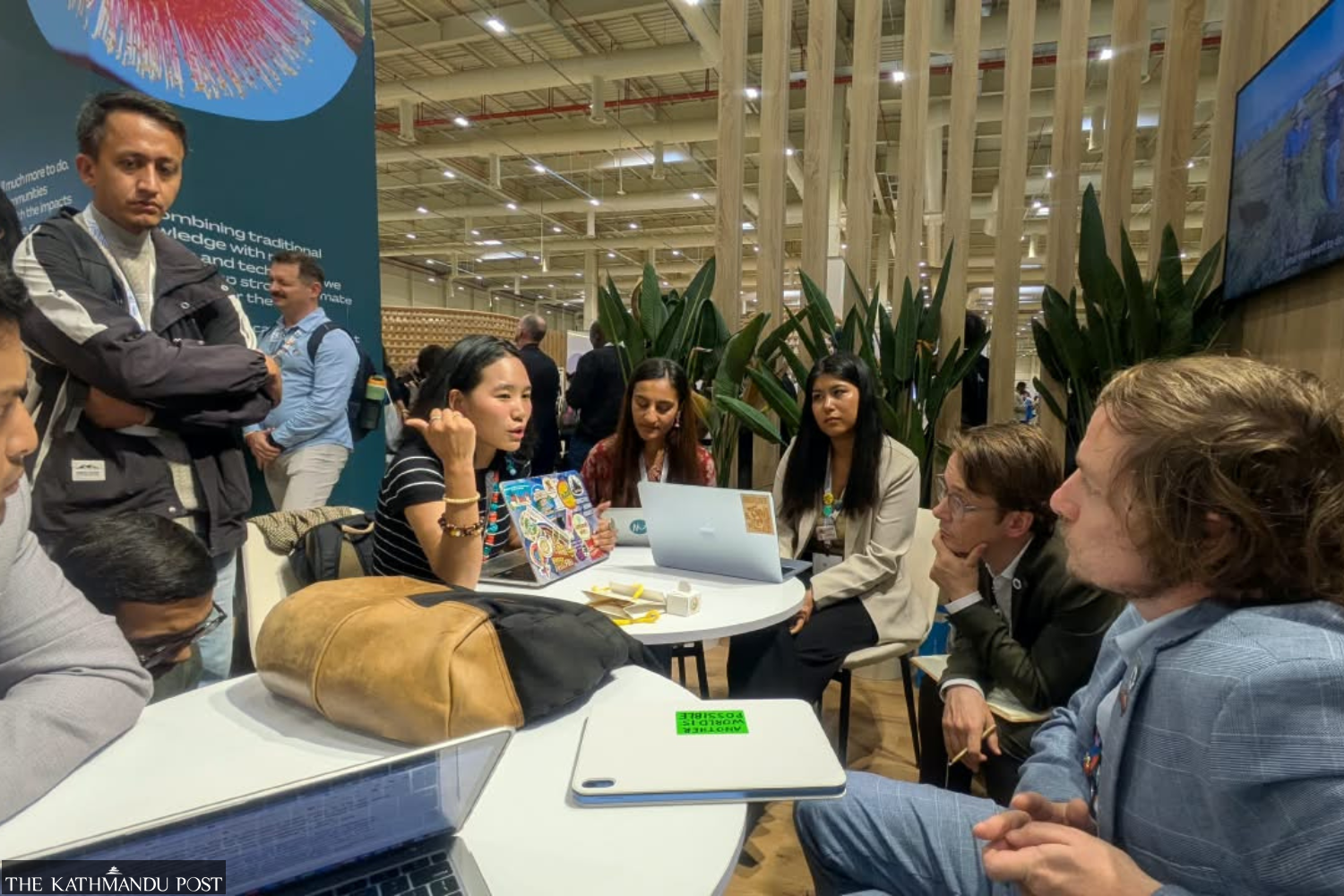
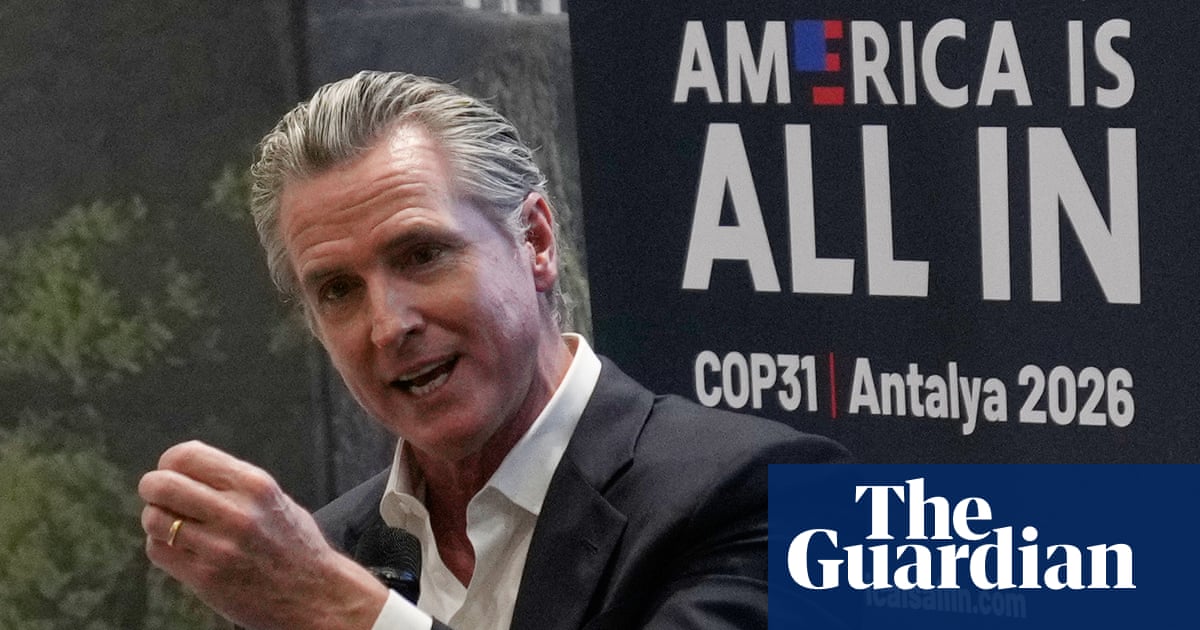
At Cop31, Dr Kaboub was among a group of experts arguing for the least developed countries to emulate Mark Carney’s middle-power strategy and employ the same logic of collective bargaining in a world of great-power rivalry. Poorer nations should seek not just strategic autonomy but economic sovereignty. The experts suggested that they pool resources and build regional common markets as well as green industries together. The aim was to negotiate as a bloc with western powers – and China – for technology transfer and investment without racking up further debt. Half a century after developing nations demanded a new international economic order , the climate crisis may be giving that unfinished struggle a new purpose.