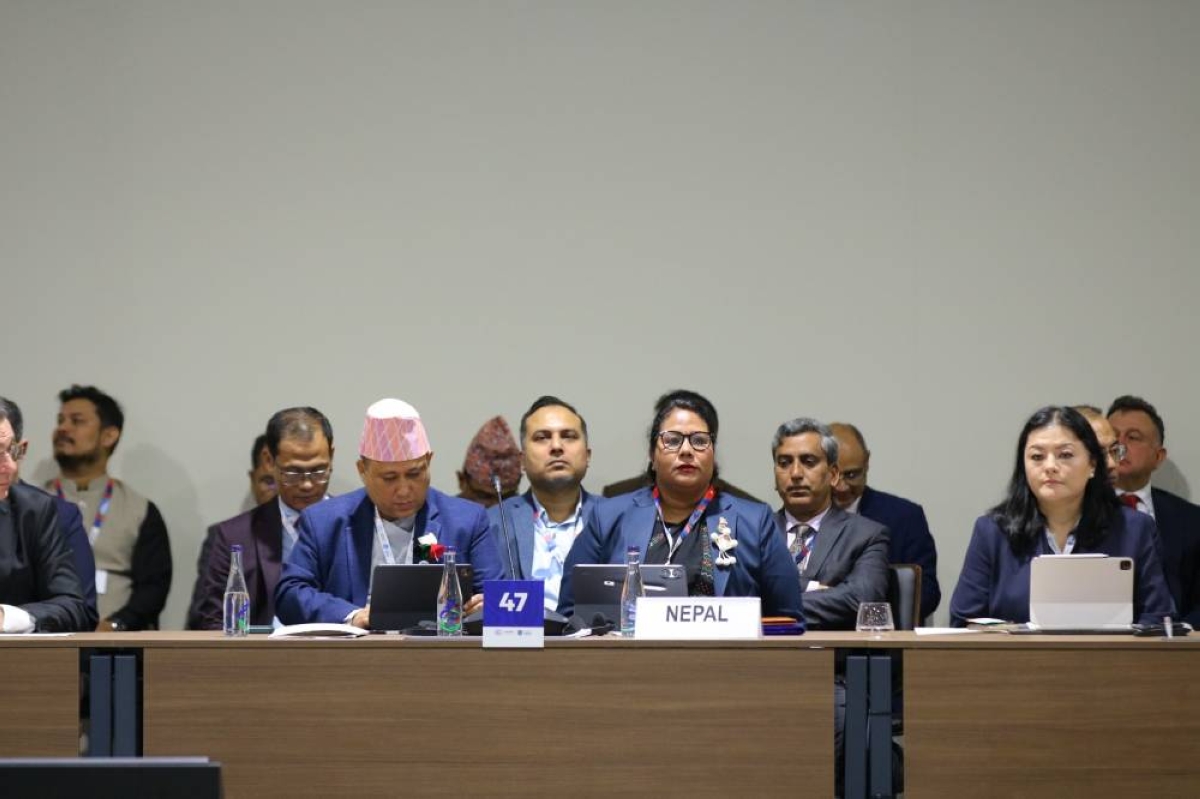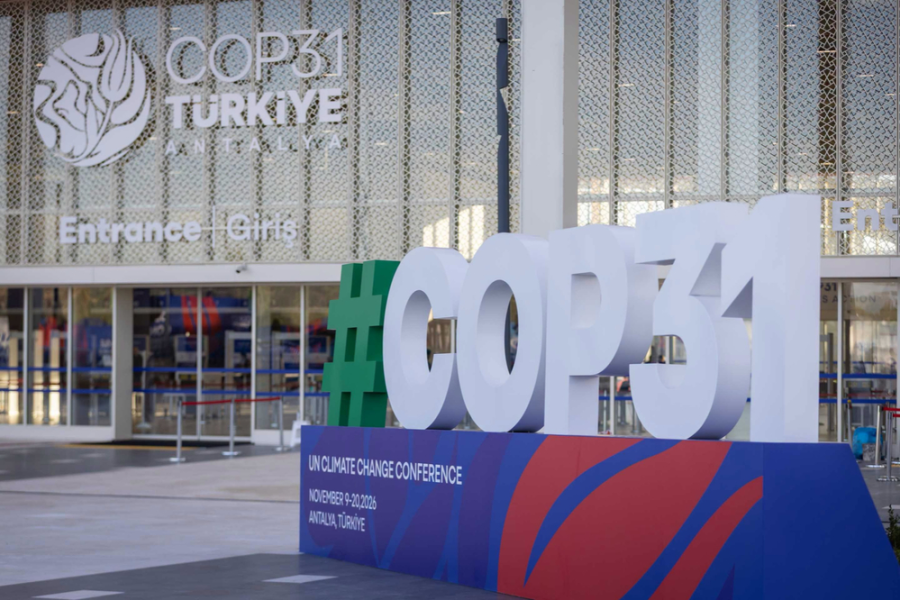
Final-round negotiations are underway in Antalya, Turkey to incorporate the mountain regions and climate change agenda jointly proposed by Nepal, Bhutan and Kyrgyzstan, amid reports that the proposal had been rejected.
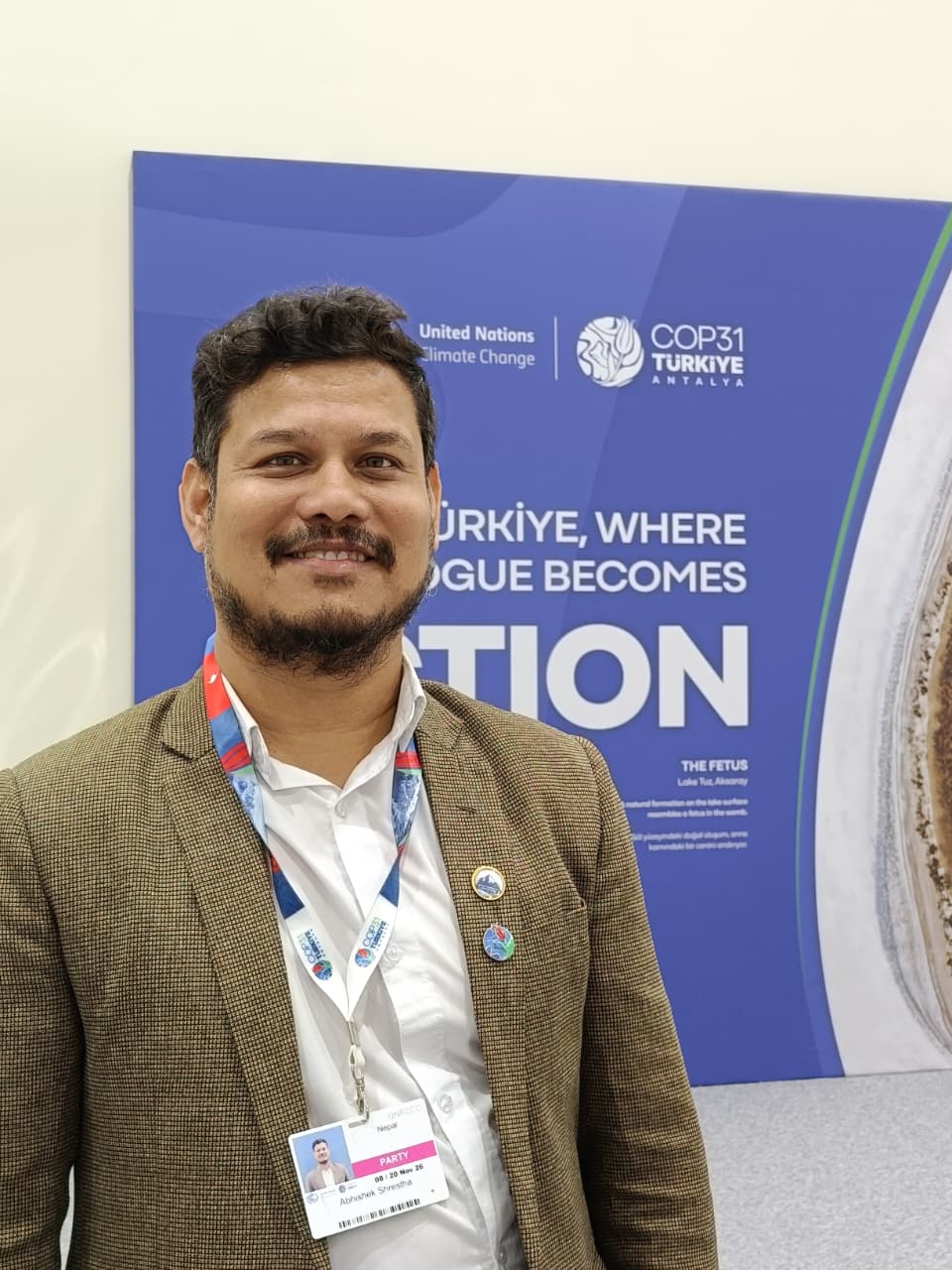
“We have been able to address some of our concerns in the cover decision. The agenda we put forward has moved in the right direction,” Maheshwor Dhakal, joint secretary at the Ministry of Forests and Environment and Nepal’s chief negotiator, told the Post.
The inclusion of the mountain agenda in the latest draft of the conference's overarching political document marks a significant step forward for the three countries. But with several contentious issues still unresolved, negotiators are racing against time to secure its place in the final outcome of the 31st Conference of the Parties to the United Nations Framework Convention on Climate Change (COP31).
The conference, scheduled to conclude on November 20, could be extended by one or two days as negotiations continue.
The latest draft cover decision, titled “Presidency-Led, Party-Driven Cover Decision”, prepared through consultations under the conference presidency, includes a provision to establish a separate programme of work on mountain regions and climate change. Recognising the particular vulnerability of mountain regions and glacier-dependent communities, the draft proposes a dedicated programme to address their specific challenges.
The proposal, however, was missing from the initial draft. It was only after sustained diplomatic efforts that the three countries managed to secure its inclusion in the second version.
“So, our agenda has not been rejected. Although our proposals were dropped from the initial draft, we managed to secure their inclusion in the second draft. We are now negotiating to ensure their continuity until the final outcome document is adopted,” said Dhakal.
At a UN climate conference, a cover decision is an overarching political document that brings together key negotiation outcomes, sets the broader direction for climate action and highlights the conference's priorities and commitments.
For Nepal and its partners, however, getting the issue mentioned in the cover decision is only the first step. They want the final outcome documents to establish clear commitments, including support from developed countries, rather than simply acknowledge the vulnerability of mountain regions.
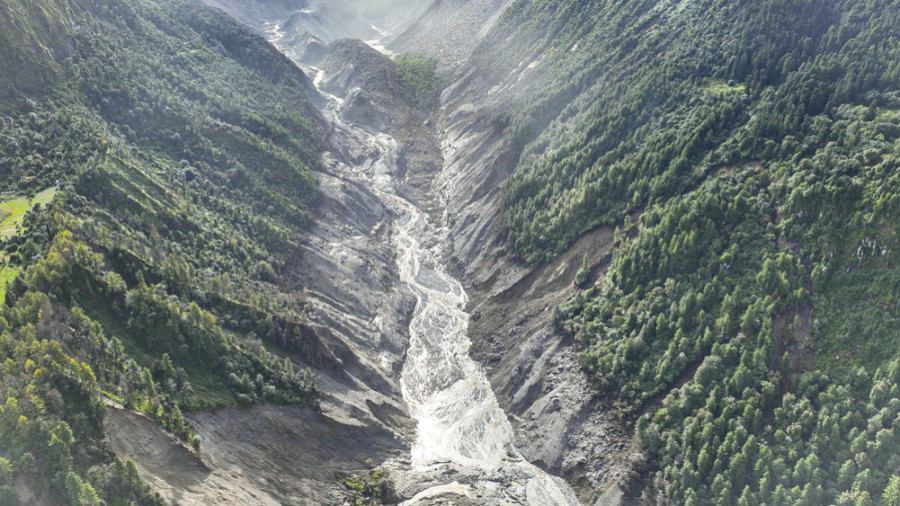
The push has gathered momentum after years of efforts to bring mountain-specific climate concerns into international negotiations. Against the backdrop of the devastating Bhotekoshi floods, Nepal has, for the first time, formally proposed the agenda item “1.5°C Temperature Rise in Mountainous Regions”, said Manjit Dhakal, advisor to the chair of the Least Developed Countries group under the UNFCCC.
The issue has consequently moved beyond high-level discussions to formal negotiations at the ongoing conference, he said.
The joint proposal by Nepal, Bhutan and Kyrgyzstan calls for stronger scientific research on mountain regions, greater climate adaptation efforts, improved resilience and support for communities dependent on glaciers and mountain ecosystems.
Although the proposal was not included in the formal agenda, the countries secured an agreement to organise two technical dialogues on mountains during the opening session of COP31. The conference presidency also agreed to hold consultations on the issue, Manjit Dhakal said.
Paragraph 31 of the latest draft cover decision proposes establishing a separate programme of work on mountain regions and climate change. The programme would strengthen scientific research, assess the impacts of climate change on mountain ecosystems and communities, and improve adaptation and disaster risk-reduction measures, Dhakal, the joint secretary, said.
The draft also proposes keeping mountain-related issues and climate change on the COP agenda and organising a high-level dialogue on the subject at COP32.
During the first consultation led by the conference presidency, negotiators highlighted the priorities outlined in the proposal. These included the consequences of rising temperatures in mountain regions for downstream coastal areas, as well as climate adaptation and finance.
The draft further welcomes dialogues on mountain regions and climate change during the 66th and 68th sessions of the Subsidiary Body for Scientific and Technological Advice (SBSTA). It encourages the continuation of such discussions and regular high-level dialogues under the COP presidency.
But Nepal wants greater clarity on how these dialogues will be organised and what they will deliver.
“We are looking for a clear-cut agreement on the timeline, scope and modalities of these scientific dialogues,” said Dhakal, the joint secretary.
The dialogues are intended to bring the experiences, needs and priorities of mountain countries, Indigenous Peoples and local communities into international climate policies and action plans. They are also expected to strengthen international cooperation on climate adaptation and resilience-building, according to a statement issued by the Ministry of Foreign Affairs.
Nepal and Bhutan jointly submitted a proposal titled “Impacts of 1.5°C Temperature Rise on Mountain Regions”, seeking international attention to the consequences of rising temperatures in mountainous areas. Kyrgyzstan separately proposed institutionalising regular high-level dialogues on mountain regions and climate change.
The three countries want international climate negotiations to give greater priority to challenges facing mountain regions, including the Himalayas. These range from accelerating glacier melt and the growing threat of glacial lake outburst floods to declining water resources, biodiversity loss and increasing climate-related disasters.
For Nepal, the stakes are particularly high. Its mountains are warming rapidly, while communities downstream face growing risks from floods, landslides and changes in water availability.
“From scientific measures to their adoption, we are looking for a firm assurance from this conference,” said Dhakal, who is leading the Nepali negotiating team in Antalya alongside Forests and Environment Minister Gita Chaudhary.
Anil Giri is a Chief Sub Editor covering diplomacy, international relations and national politics for The Kathmandu Post. Giri has been working as a journalist for more than two decades, contributing to numerous national and international media outlets.