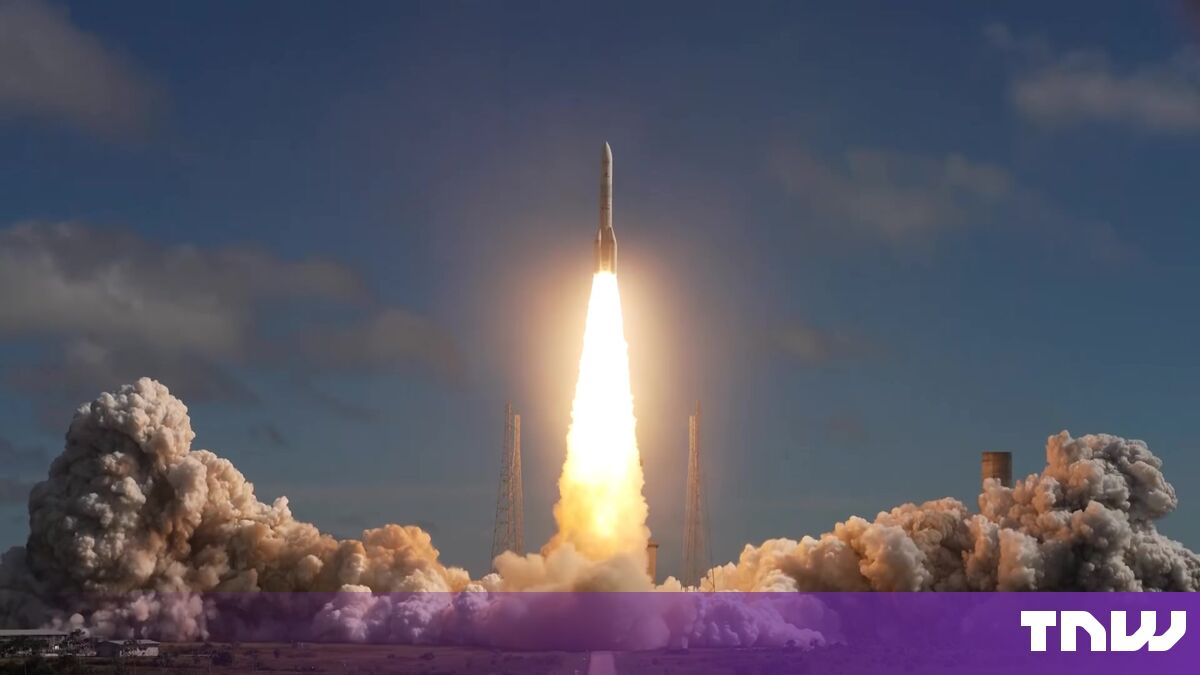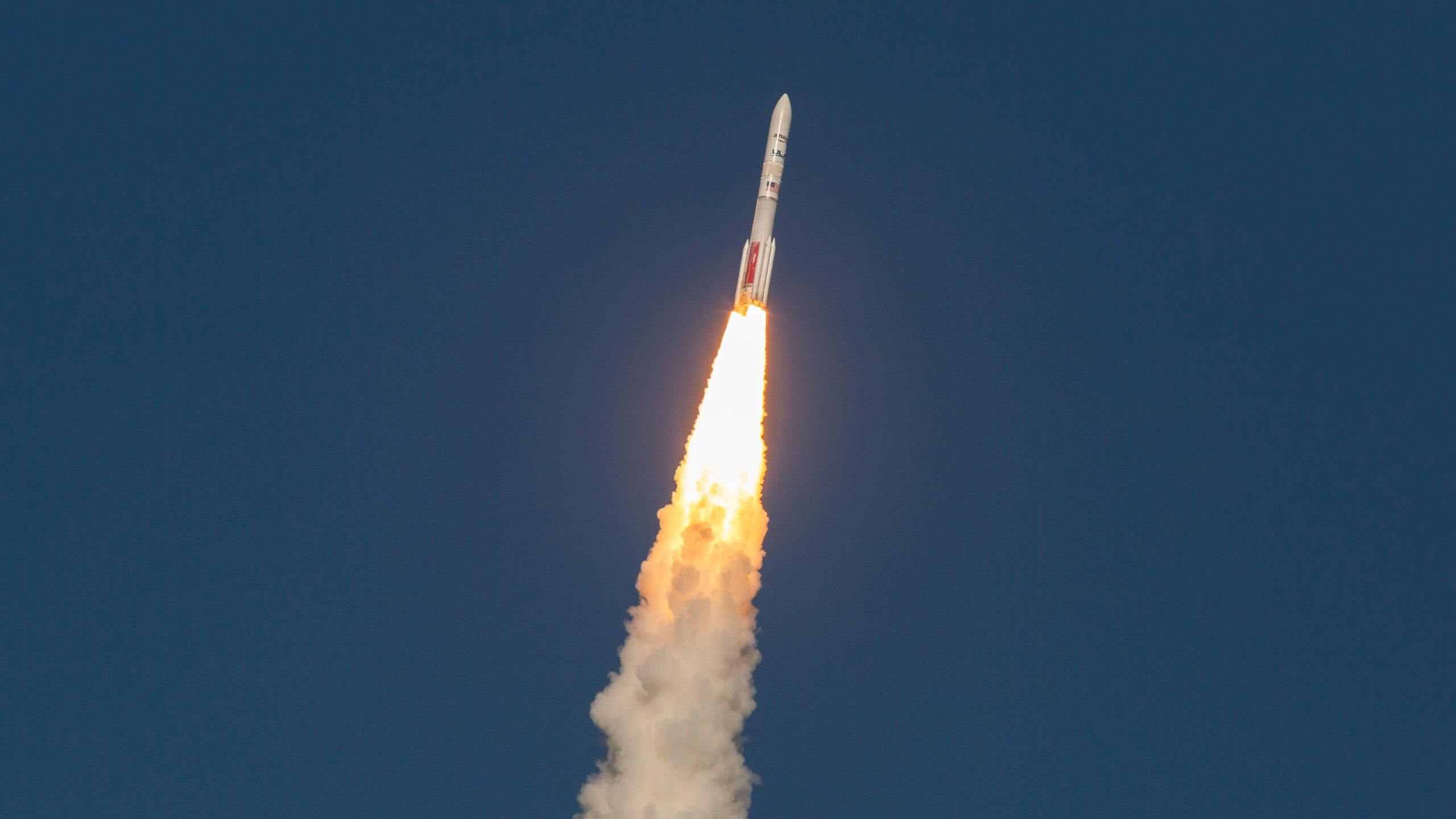
United Launch Alliance (ULA) confirmed Tuesday morning that its return-to-flight launch of the Vulcan rocket began failing during the initial stages of the mission.
“While we appear to have lost telemetry and the mission at approximately 10 minutes into flight, early indications are that just after liftoff, the launch vehicle experienced low booster performance, resulting in stage separation occurring when the vehicle was low in altitude and below minimal velocity to reach orbit,” the company said .
The launch company also confirmed reporting by Ars that the Centaur V upper stage and the solid rocket boosters performed nominally during the flight.
Critically, ULA did not provide any specific information the “low booster performance.” This matters greatly because the core stage of the Vulcan rocket is powered by two BE-4 engines, which are provided by Blue Origin. That company’s own New Glenn rocket uses a similar but slightly more powerful version of the BE-4 engine. And New Glenn experienced its own catastrophic failure in May during a ground test, a failure that later was attributed to a main oxygen valve on one of the BE-4 engines.
Information about the Vulcan failure is being closely held by ULA and Blue Origin, who have only acknowledged that they’re working together to investigate the cause. According to two sources, the investigation is “incredibly complicated” and remains in the early stages.
However, according to preliminary data, two independent sources indicated to Ars that the problem is currently believed to have originated on the launch vehicle side rather than in the engines themselves. The issue may be related to systems that feed methane and liquid oxygen propellant to the engines.
ULA engineers are looking at the possibility that one of the two BE-4 engines started producing lower thrust shortly after liftoff and never ramped back up to full throttle for the remainder of the burn. Video observations from high-zoom tracking cameras appeared to show one of the engines slightly dimmer than the other after Vulcan jettisoned its solid rocket boosters nearly two minutes into flight. An asymmetric shutdown of the BE-4 engines could also have contributed to the sudden attitude motion indicated by ULA’s telemetry-driven real-time animation near stage separation.