Public libraries have experienced a surge in demand in the last few years, a welcome development in the US amid concerns about federal funding cuts and a decline in literacy rates.
For example, public libraries in Union county, North Carolina received 433,517 visitors during fiscal year 2026, a 20% increase from just two years earlier, according to a county report .
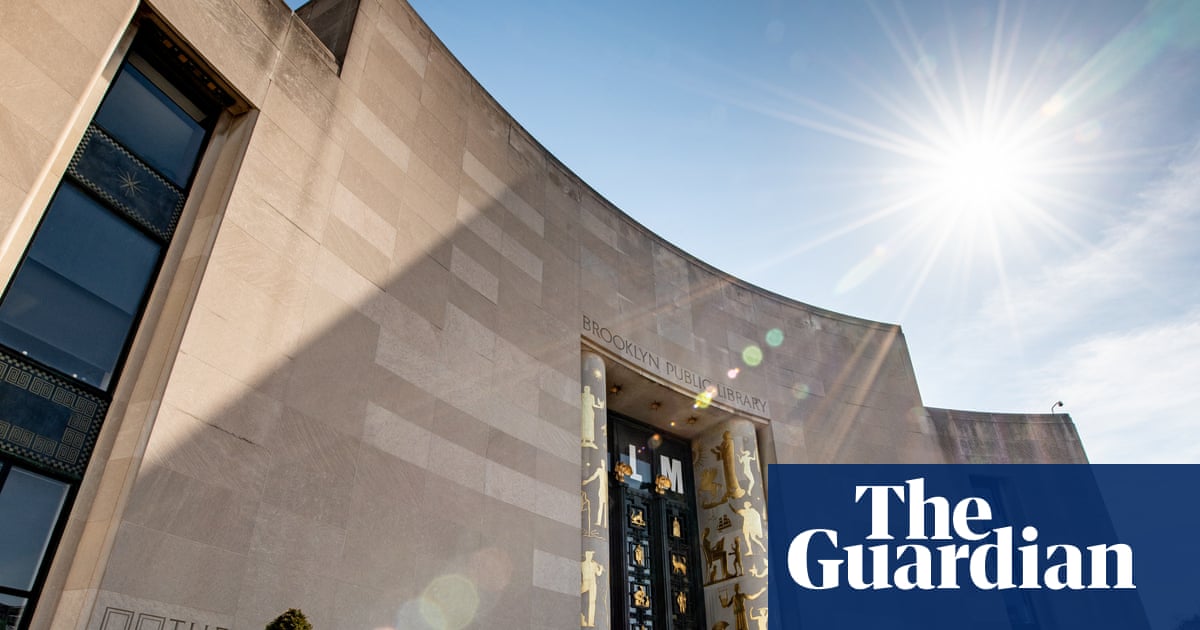
Brooklyn public library received more than 150,000 registrations this year through August. That was 20,000 more than the same period in 2024, the library reported.
In Haverford, Pennsylvania, physical visits to the public library increased from 106,383 in all of 2022 to 123,205 during the first nine months of this year, according to the library.
Librarians offer a range of reasons for why they are busier – inflation, an increase in services, more people wanting social connection, greater interest in books – but the outcome is the same: libraries appear to be playing a bigger role in American life.
“Everybody has their individual reasons for coming, but our goal is to appeal to the masses,” Nina Chaffin, Union county public library director, said.
While libraries are, of course, best known for their books, they serve other roles in society and have continually evolved. They often provide sanctuary for homeless people during the day. They offer job training services. They offer ebooks, audiobooks and DVDs. And in recent decades, more of the institutions have become “ libraries of things ”, offering instruments, camping gear and gardening tools, among other items .
Despite the important services libraries provide, early in his second term, Donald Trump signed an executive order to eliminate the Institute of Museum and Library Services, which provided $160m in federal funding to state library agencies.
Attorneys general of 21 states sued , and a US district judge blocked the executive order. The Trump administration reinstated the institute’s grants.
Meanwhile, academics have also raised concerns about how many people actually still want books. In July, the Atlantic published a cover story titled, The End of Reading is Here .
The New Yorker recently published a story, The New Age of Reading , which downplayed the concern, arguing that people have always panicked about a loss of interest in books.
Plenty of people still do seem to be reading. Sunderland, a town of 3,600 in western Massachusetts, has one library with one full-time leader and five part-time staff members.
“We are located right at one of the bridges that crosses the Connecticut River and at the junction of two main routes, so a lot of commuters come past,” said Katherine Umstot, library director. “We serve a lot more than just the Sunderland residents.”
In addition to books, the library offers free kayak rentals for people who want to set out from the nearby launch. The library saw a 10% increase in book circulation between 2024 and 2025, Umstot said. Much of that came from adult books.
The library has also seen a 10% increase in visitorship. The staff offers help to people applying for jobs. They lend out DVD players too.
“We also see a lot of families coming in, never having visited the library before and realizing: ‘Oh my goodness, we can borrow DVDs, now that we can’t afford our streaming services,’” Umstot said.
Libraries are “finally doing a better job” of communicating what they offer, said Tamika Barnes, president-elect of the American Library Association. She pointed to Billy Allen , a librarian in Wilmington, Delaware, who has more than 36,000 followers on Instagram and posts about his weekly event , Hip Hop Storytime.
This weekend, the library will also offer free winter coats to children who need them.
“Everything is increasing – groceries, gas, entertainment – and so at the library, we are able to offer some resources for people to help alleviate some of the pressures of today’s economy,” said Barnes.
Still, inflation is not the only reason libraries are seeing more foot traffic.
“When there is a recession, you see more people coming in looking for the basics,” said Chaffin, the North Carolina director, who has worked in libraries since 2003. During the Covid-19 pandemic, “we were more focused on helping people get jobs, so everything we did was really job-focused, and now if we try to do those things, those are not well attended.”
Instead, people are interested in the library’s educational and recreational offerings, like its book clubs. In Steps and Stories, people gather to take a walk and listen to an audiobook. Afterwards, they go to a coffee shop to discuss the book.
“People are definitely looking for ways to connect with one another,” said Chaffin.
In September, the Brooklyn library started to offer supplies for crafting. They were all checked out almost instantly, and there is now a waiting list, according to Fritzi Bodenheimer, spokesperson for Brooklyn public library.
She isn’t sure why the library has seen such an uptick in membership.
“We really don’t like to speculate,” Bodenheimer said. “One of the promises of the library is that we don’t ask. Come stay all day; take out what you like. We don’t question it.”