How do seemingly ordinary tech snafus become ominous signs of impending societal collapse?
When they’re filtered through algorithms that reward alarmism, that’s how.
There’s a lot of that happening right now. Conspiracy theories about government plots and power blackouts are cropping up after the Microsoft cloud outage, the nationwide ground stop and other recent disruptions.
My advice is simple: Don’t let the algorithms scare you. Preparedness is smart; panic is not.
So let’s try to separate what’s real from what’s reckless. What’s real: The palpable and understandable anxiety right now about a succession of tech outages. “It has been one massive tech disruption after another, and it’s putting people on edge,” Kate Bolduan said on “CNN News Central.”
People are asking if rogue AI systems, human hackers or other culprits are poking holes in the infrastructure we all take for granted. And government officials aren’t exactly assuaging the fears. “It’s fine,” President Donald Trump said glibly in response to a question about the outages on Tuesday.
Widespread distrust in Trump, his administration and other institutions makes it harder to convince people that there’s nothing more sinister going on.
But here’s the thing: Legit questions about the digital infrastructure underpinning our lives are being exploited by doomsday preppers and bad-faith actors. There are reckless comments all across Facebook and X, and conspiratorial videos all over TikTok and Instagram, that simply don’t reflect reality.
No, there wasn’t a system outage at Costco on Monday. No, there wasn’t a secret test of the electrical grid. Yes, there is an upcoming test of the Emergency Alert System, but it’s totally routine and maybe just poorly timed.
Human brains are wired to look for patterns, and the endless scroll provides endless chances to find them, especially when social media influencers appear to be “just asking questions” about what’s going on.
It’s wiser to seek out sources with actual answers, rather than just questions, and to look out the window after looking down at the phone.
But let’s face it: Some people like to indulge in nightmare-scenario planning for the same reasons they enjoy disaster movies. More than one Fox News host on Monday night sounded like a full-blown prepper.
The commentary is its own fuel, causing all sorts of conspiracy thinking, including from prominent political figures. Trump confidant Laura Loomer posted tweets on Monday saying “Doesn’t everything just feel so weird?” and telling her followers to “go get cash.”
Other influencers have tried to connect dots that have no known connections — insinuating that a shadowy entity is laying the groundwork for something apocalyptic.
Conspiracy mongers like Alex Jones have been making a living by peddling these storylines for years, surely hoping that viewers will never notice that the predicted doomsday has never arrived.
So when these posts pop up in your feed, ask yourself: What could be motivating the poster? Are they trying to get me to reply (and give their account more attention) or buy something or advance a political agenda? Are they raking in affiliate fee revenue when they tell me to purchase emergency supplies, you know, just in case?
There’s a reason why it’s called “doomscrolling.” Once your favorite social media platform knows you’re paying attention to a particular topic, it delivers more and more, often distorting how significant it really is.
We each exist in a personalized media bubble. And in my bubble, at least, posters are passing the time comparing their emergency stockpiles and cracking jokes about what they’ll do if the lights go out.
My response: I’m going to put down the phone and hang up some Christmas lights.
I don’t mean to be dismissive. It’s fair to wonder whether autonomous AI agents — and the IT pros trying to counter those rogue bots — are responsible for all this tech turbulence. And it’s logical to expect further trouble, Chris Krebs, the former director of the Cybersecurity and Infrastructure Security Agency, said on CNN’s “The Situation Room.”
“I believe it’s going to get better in the long run, but I would expect to see disruptions in some services over the next several months,” Krebs said. That’s partly because “we’re using AI to find vulnerabilities in software and systems, and we’re patching systems at a rate far beyond anything in the past.”
But “any time you do a patch, any time you roll an update, it can destabilize the system,” Krebs told CNN’s Pamela Brown.
While that’s going on, we have to keep a sense of perspective, in part because algorithms don’t. I noticed many X accounts on Monday wildly overstating United’s brief system outage, which affected only a small number of flights.
Monday’s outage was “so pedestrian, it’d be a non-story if not for what’s happened the last four days,” Thrifty Traveler editor Kyle Potter wrote .
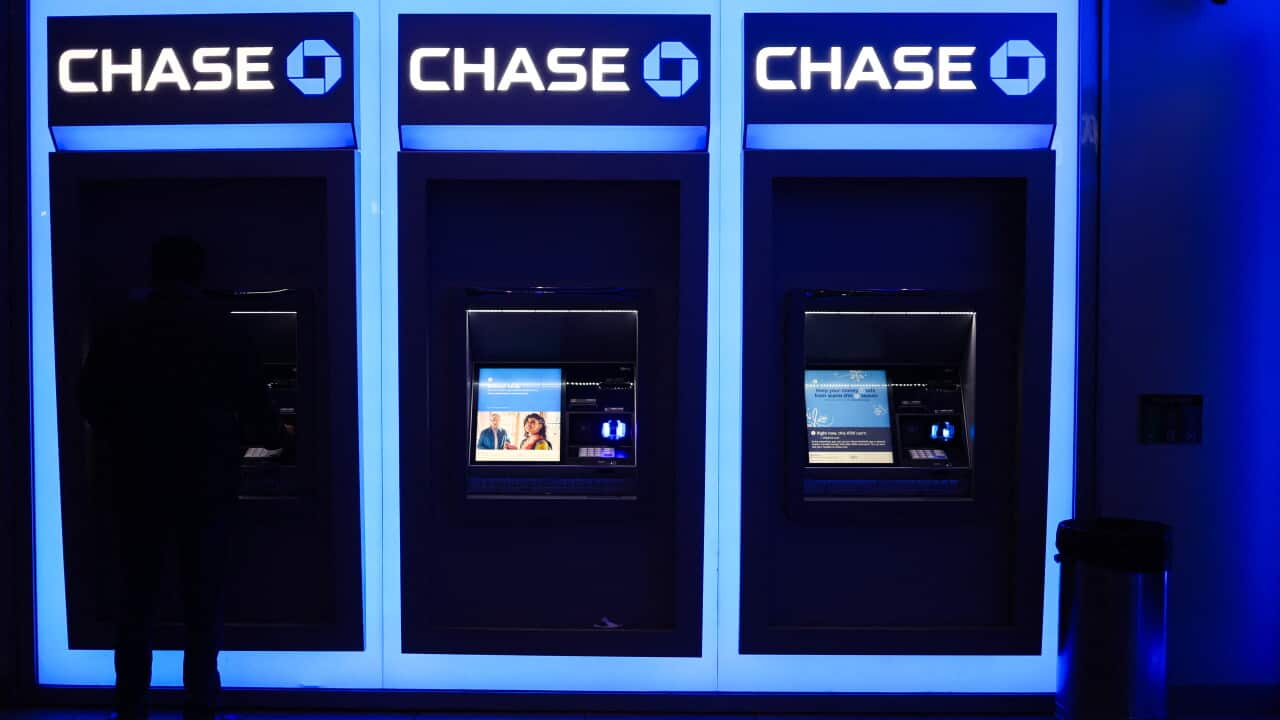
Customer complaints about online banking outages might not have made news, either, if not for last week’s Microsoft and Workday cloud software outages.
And FEMA probably wouldn’t have posted a tweet saying “we’ve heard a lot of rumors” about Tuesday’s Emergency Alert System test.
This routine test has been scheduled for months (I checked), but it has already been incorporated into some of this week’s conspiracy theories.
There are “no blackouts, no secret emergencies,” FEMA tweeted. “Just our legally mandated, routine test on TV and radio at approximately 2:20 PM ET.”
As for all the emergency preparedness chatter on social media, Krebs pointed out on NBC’s “Today” show that FEMA recommends having “food, water and other supplies to last for several days” in the event of an emergency.
Being prepared in the digital age also means having physical, offline copies of important documents and account numbers.
“It sounds prepperish, but it’s really not,” Krebs said. “It’s just kind of being an adult in modern society.”