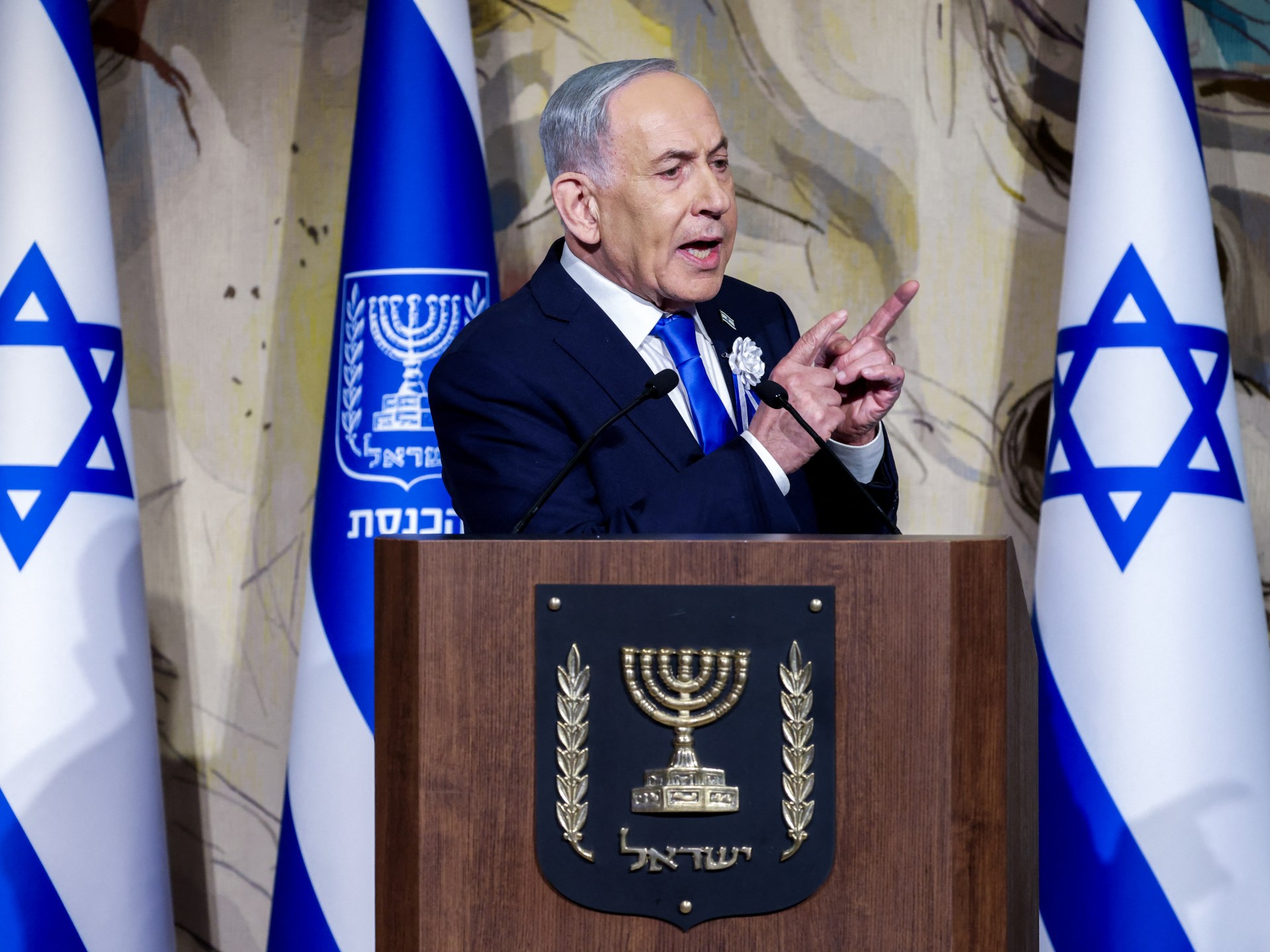
Benjamin Netanyahu had barely reached the United Nations podium when a sea of delegates jumped from their seats and began walking out in protest at the Israeli prime minister’s speech at the UN General Assembly in late September.
Undeterred, a grinning Netanyahu, who is seeking re-election later this month while being wanted by the International Criminal Court on charges of war crimes in Gaza, shot back: “If there are any other moral cowards who haven’t left the hall, please do so now.”
For his supporters watching in Israel, it was precisely what they wanted to hear .
“When they see Netanyahu at the United Nations,” his former aide, Mitchell Barak, told Al Jazeera, “that’s what they want – and it’s hard for them to imagine anyone else doing that.”
He added: “For many in Israel, but not all, he’s the only man that can truly lead Israel. He makes them proud to be Jewish.”
On October 27, Israel must choose between Netanyahu and an assorted number of rivals who are unified by little other than their absolute opposition to Israel’s longest-serving prime minister.
In the eyes of both his supporters and his opponents, as well as much of the world, Netanyahu has become the face of modern Israel.
Born in Tel Aviv in 1949 to Benzion Netanyahu and Tzila Segal, he spent his early years between Israel and the United States, the few constants in his life being the profoundly pessimistic views of his father – a right-wing historian who saw a world fundamentally opposed to the existence of Jews – and the military legacy of his brother, Yonatan, who was killed in 1976 while leading a raid to rescue hijacked Israeli hostages in Entebbe, Uganda.
Since then, Netanyahu has gone through numerous iterations.
In 1982, he was named deputy chief of mission at the Israeli embassy in Washington, DC. Two years later, he was appointed Israel’s ambassador to the UN, before returning to Israel to join the cabinet of then-Prime Minister Yitzhak Shamir as deputy foreign minister in 1988.
In 1996, Netanyahu became Israel’s youngest prime minister, leading the first in a series of coalitions that also saw him serving a record 12-year tenure from 2009 to 2021. He returned to power for a sixth term the next year, leading the most far-right government in Israel’s history.
From the outset of his political career, he faced growing accusations of having deliberately engineered division to further his own political and personal ends.
“Netanyahu is the perfect encapsulation of Israel’s political polarisation,” said political analyst Nimrod Flaschenberg. Describing Netanyahu as “always” being “in campaigning mode”, he said the Israeli leader “is very good at building coalitions that reflect public opinion, as well as steering that opinion in his own direction”.
Under Netanyahu’s leadership, Israel has continued to lurch to the right, rejecting the path towards a two-state solution to the Israel-Palestine conflict set in motion by his predecessor, the assassinated Yitzhak Rabin. At the same time, vast swaths of the Israeli electorate have also grown accustomed to the violent expansion of illegal settlements in the occupied West Bank and reconciled themselves to the genocide in Gaza following the Hamas-led attack on October 7, 2023 – for which many still blame Netanyahu for alleged security failures – as well as the multiple wars waged at his direction since.
In July 2018, Netanyahu’s coalition passed the Nation-State Law, declaring the right to national self-determination “ unique to the Jewish people ”, stripping Arabic of its status as an official language and making the development of Jewish settlements a national value. In the law’s wake, settler violence in the occupied West Bank has surged, with the UN Office for the Coordination of Humanitarian Affairs (OCHA) recording 1,291 attacks in 2023 and 1,835 in 2025. At least 1,071 Palestinians, including 233 children, have been killed in the West Bank by Israeli forces or settlers since October 7, 2023, according to OCHA, amid what a senior UN official called “virtually no accountability”.
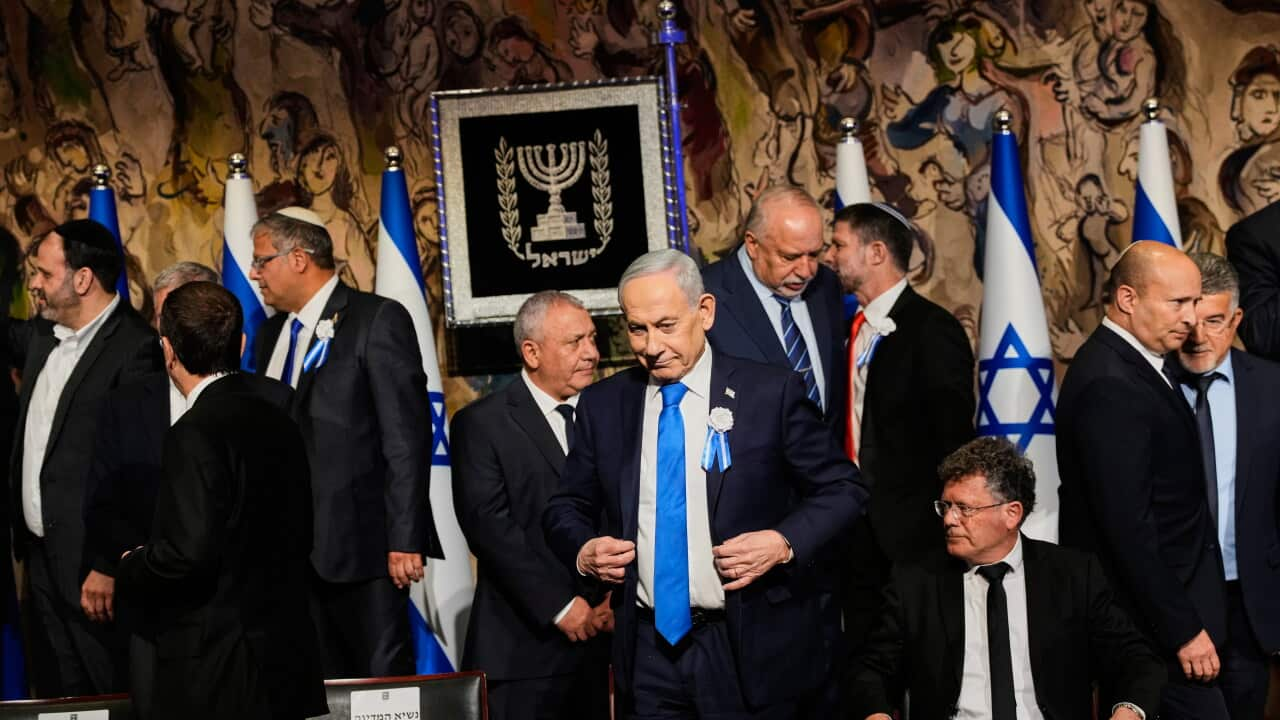
More immediately, Netanyahu’s current coalition has seen some of Israel’s most controversial figures – such as National Security Minister Itamar Ben-Gvir , convicted of incitement to racism and support for a “terrorist” group, and the explicitly pro-settlement Finance Minister Bezalel Smotrich – placed at the heart of power.
“Netanyahu didn’t create the racism and fascism in Israel, but he’s helped it,” said outgoing parliamentarian Aida Touma-Sliman, of the left-wing Hadash party. “He’s smart. He knows exactly what he’s doing when he includes people like Smotrich and Ben-Gvir in his government, and he knows the outcome of those appointments.”
“He thrives in chaos,” said Barak, Netanyahu’s former aide from the 1990s. “He’s all about the big picture, of ends justifying means.”
Running through the prime minister’s recent military campaigns have been his long-standing battles against any kind of domestic judicial restraint. Dogged by corruption cases dating back to 2019, which could see him serve time in prison if convicted, he has been locked in a confrontation with the same legal establishment attempting to hold him to account.
In January 2023, he and his right-wing allies sought to overhaul the judiciary , shaking off much of the oversight of the courts over government action. The proposals led to demonstrations on an unprecedented scale, with hundreds of thousands taking to the streets to protest against the contentious move. In June 2024, Netanyahu went so far as to appear to suggest that the division created by his reforms was somehow responsible for his own heavily criticised response to the October 7 attack.
Still, while opinion polls show Netanyahu’s Likud party and its allies tied with the broad anti-Netanyahu bloc of similarly right-wing and militaristic parties, the prime minister’s support has weakened. Likud won 32 seats in the 2022 election, but most recent polls project a gain of about 20 to 22, with former supporters appearing to shift either to the opposition or to harder-line right-wing parties.
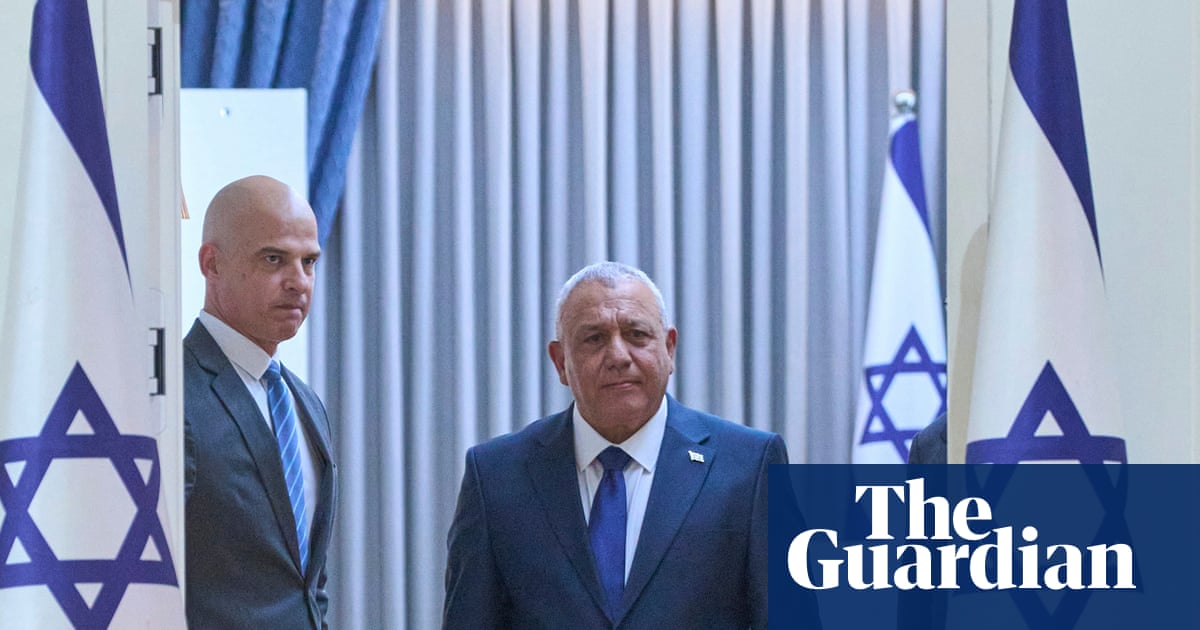
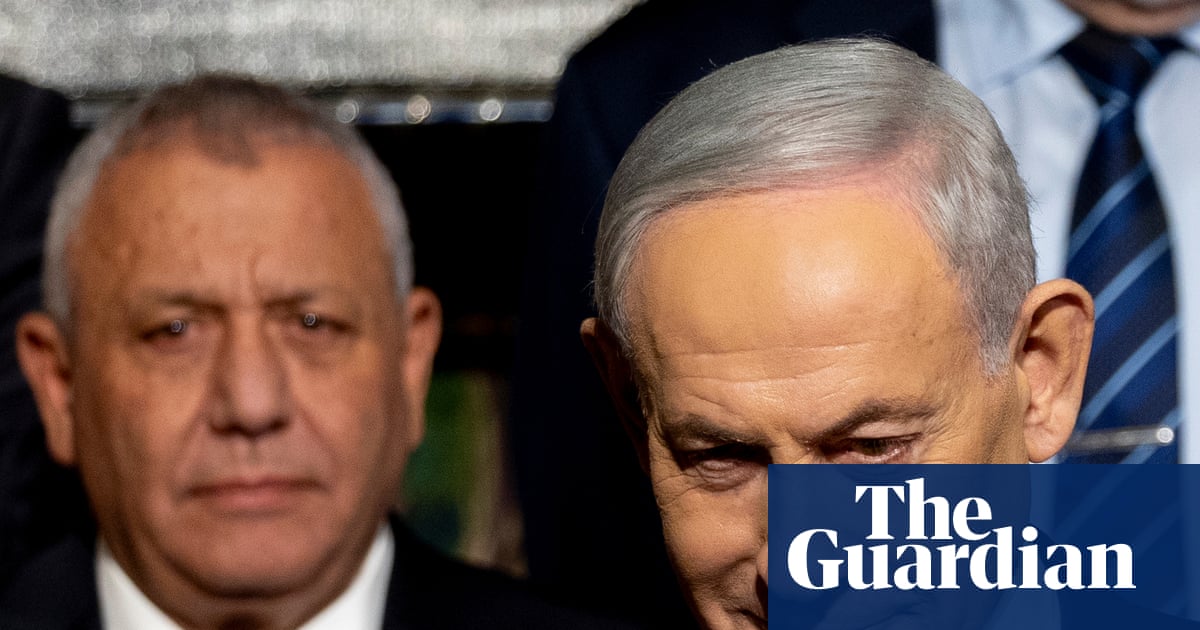
The alliance opposing Netanyahu has yet to nominate an official leader, but former army chief Gadi Eisenkot is widely seen as its most likely candidate for prime minister.
“We need to be clear about this,” said Barak. “He’s essentially running unopposed. It’s Netanyahu versus a coalition of opponents.”
“Think about it,” said Touma-Sliman, pointing out the double standards after the prominent leader of a party representing Palestinian citizens of Israel was forced to withdraw from the election over his remarks about the Gaza war. “He’s helped create a system where Arab MK Sami Abu Shehadeh is barred from running, and he, a war criminal who has led his country through a genocide, is not”.
For his supporters, noted Flaschenberg, Netanyahu “remains Israel’s only possible leader”. But for his opponents, “He’s the devil. He’s corruption personified, responsible for everything leading up to October 7 and everything afterwards.”
However, his ultimate legacy may still lie ahead, the analyst suggested, recalling the words of former British Prime Minister Margaret Thatcher, who once cited the rightward tilt of the opposition as her greatest legacy.
“Netanyahu’s legacy lies with the opposition. All of the main contenders are right-wing, militaristic and ultimately racist,” said Flaschenberg. “That’s Netanyahu’s legacy.”