Australia's illicit tobacco market has shrunk for the first time in years, according to new government data. However, experts say the crackdown is missing a crucial measure: restricting where tobacco products can be sold.
Data from the Illicit Tobacco and E-cigarette Commission (ITEC) has revealed a 24 per cent drop in the volume of contraband product in circulation over the past financial year.
While the exact size of the black-market sector cannot be calculated, it is estimated to have shrunk by as much as 1,438 tonnes.
It follows five years of significant growth in the amount of illegal tobacco available on the market.
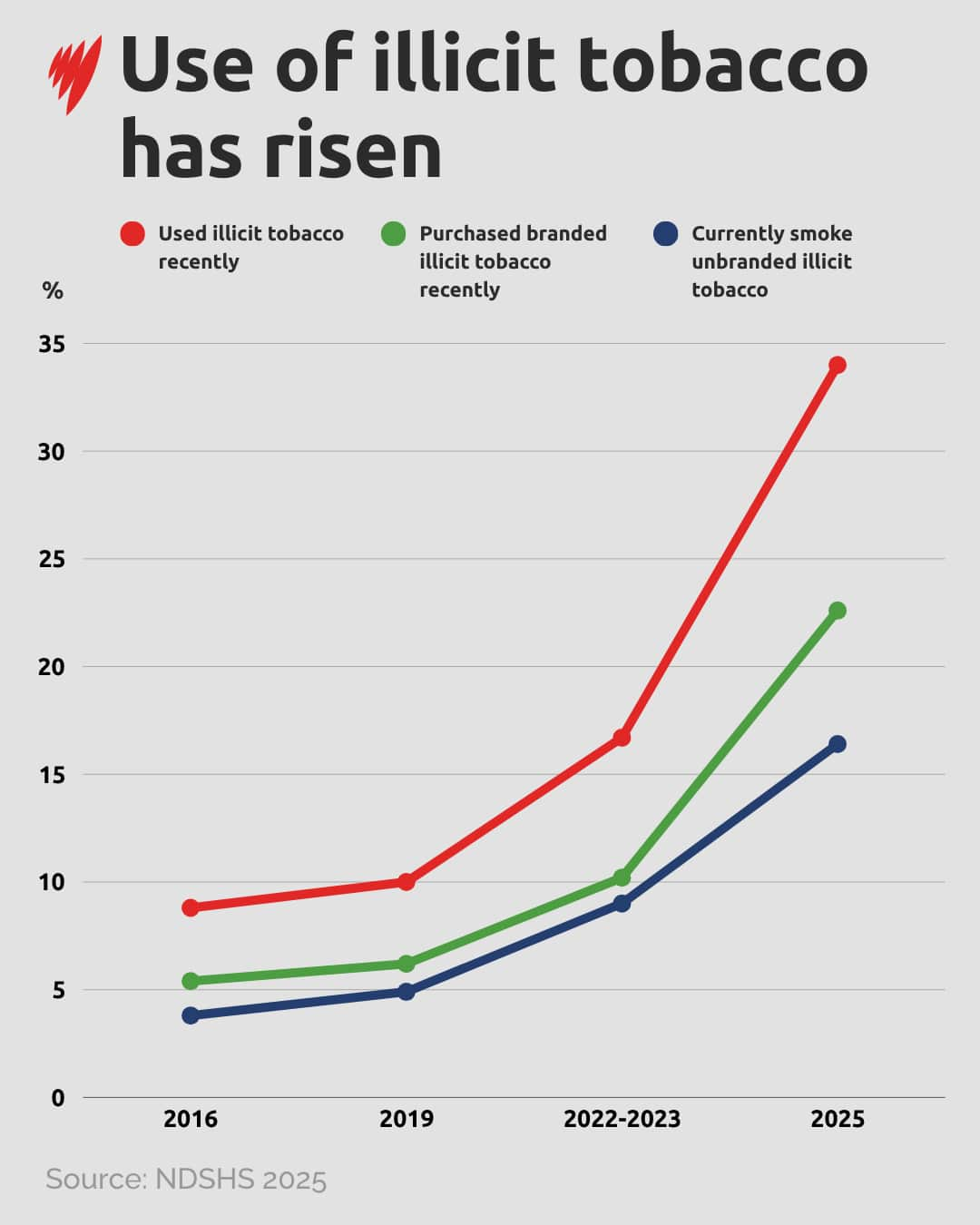
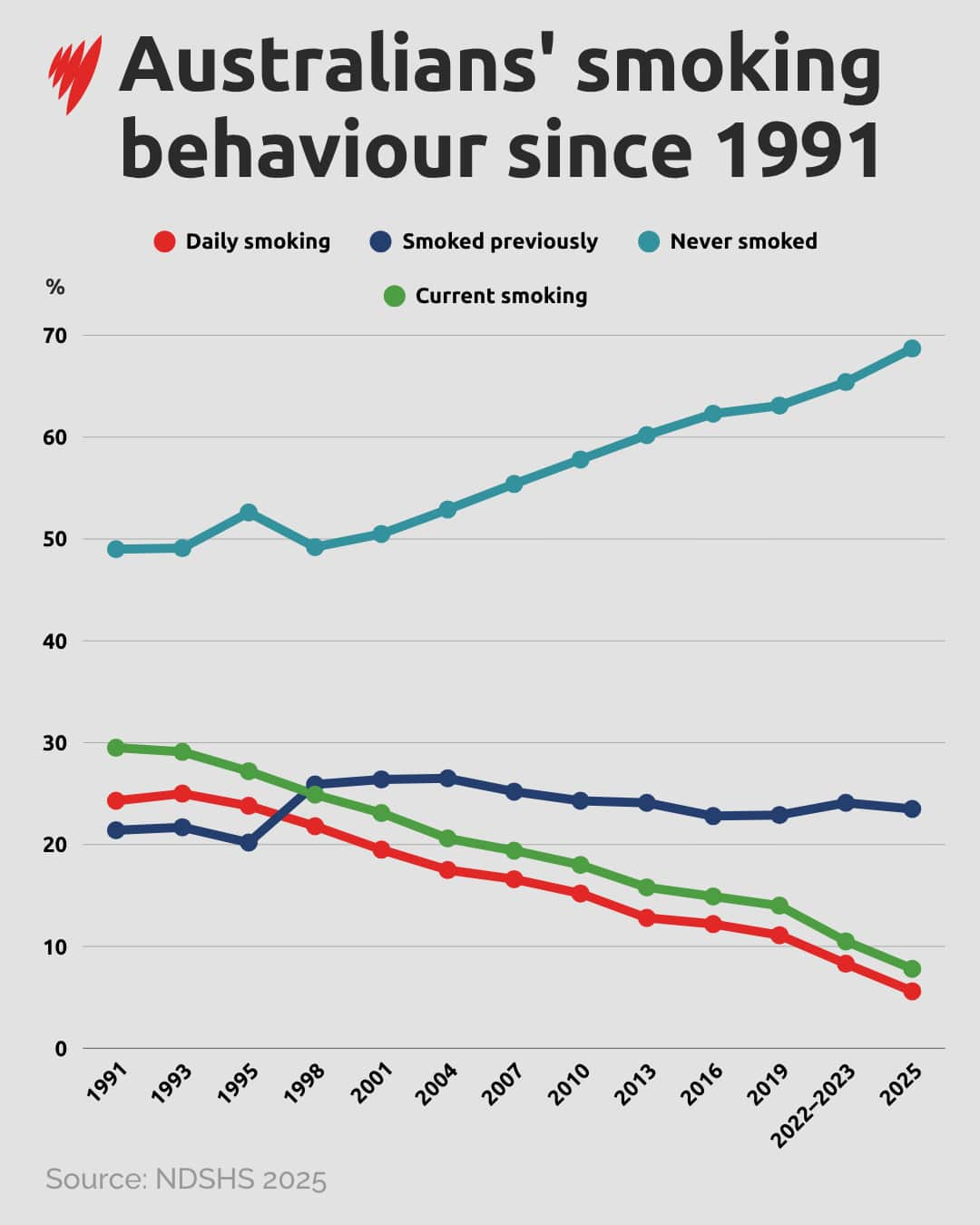
At the same time, there has been a downward trend in the number of Australians smoking, but of those who do use tobacco, a growing number are using illicit products.
Your trusted source for staying up-to-date with the world around you. Get free daily news updates and analysis, straight to your inbox.
Becky Freeman, a tobacco control expert at the University of Sydney, said the data suggests a "changing of the tide" in the fight against illicit tobacco, but that more needs to be done.
Freeman said the widespread availability of cigarettes and vapes at supermarkets and convenience stores contributed to the use of both illicit and legal tobacco products.
Tobacco use carries serious health risks and is a leading cause of preventable illness and death.
"We’ve never questioned that this deadly product should just be sold absolutely everywhere in every single community all across the country. And to me, that’s the missing piece that could really tackle this issue," she told SBS News.
By reducing the availability of cigarettes, it could lead to fewer people taking up smoking to begin with, who may go on to later buy illicit tobacco products.
Vendors must hold a valid state or territory tobacco licence for each physical premises or online store where tobacco or non-tobacco smoking products are sold.
ITEC estimates the total volume of black-market tobacco has fallen to 5,893 tonnes and could be as low as 4,453 tonnes.
The government said the decline was due to stronger enforcement, larger seizures, and better coordination among federal, state and territory agencies.
But Freeman said enforcement is only one part of the solution to stopping the illicit tobacco trade.
She told SBS News that the product is too easy to access, with smokers able to go to a convenience store "with ease" and pay less for an illicit product than for an approved one.
"It's your local friendly shopkeeper who will sell you these products. And so they just kind of go, 'oh, well, you know, they're willing to sell them to me. It can't be that bad.'"
The decline in black market tobacco products, combined with fewer smokers, is welcome news to the Australian Council of Smoking and Health (ACOSH).
Its CEO Laura Hunter told SBS News the government should continue to ramp up its efforts to stop the illicit trade.
"We need to keep disrupting the trade at every point in the supply chain. We need to disrupt it before it reaches Australia, at the border, and in the communities where it's sold," she said.
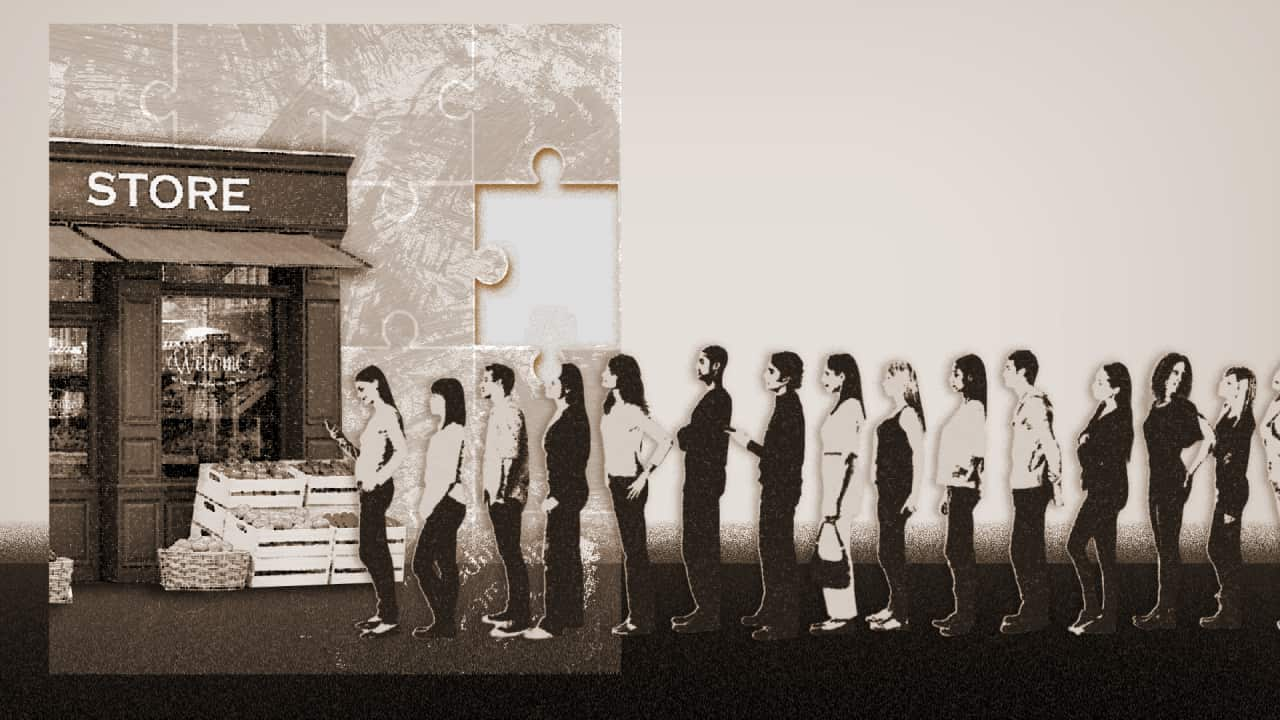
Addressing the "retail environment" around where tobacco is sold is key, she added, saying "there is an incredibly high number of tobacco retailers".
Australia has around 40,000 retailers that are selling tobacco products legally, according to ACOSH.
The country has about 9,500 supermarkets and roughly 7,000 petrol stations, meaning tobacco is far more widely available than everyday grocery or fuel items.
SBS News asked the federal government whether it would consider restricting which vendors could sell tobacco products, given the number of vendors compared to supermarkets and petrol stations.
Staff for Assistant Customs Minister Julian Hill pointed to a speech he delivered in March.
"That imbalance raises questions about whether tobacco products should instead be sold only through mixed‑use retail settings, subject to stricter licensing, oversight and compliance. Interesting questions for the future," Hill said in an excerpt.
Retail licensing of tobacco falls solely within the remit of states and territories.
Freeman argued that reducing the number of vendors permitted to sell tobacco products could curb the sale of illicit cigarettes and vapes.
"Tobacco shops are literally everywhere. Any sort of store can sell you cigarettes," she said.
"And to really get on top of this issue, we have got to start ramping that down. We need fewer places selling cigarettes, which would help with enforcement efforts as well."
Coral Gartner, a tobacco control expert at the University of Queensland, agreed that the tobacco product supply chain needs stronger governance.
"This is a really harmful product that's addictive. And the way that it's been allowed to be sold in stores is not the way that we regulate other harmful addictive products," she told SBS News.
Gartner said that health campaigns around the dangers of smoking have been effective in reducing smoking rates. However, she wants to see more support for cessation programs.
"In Queensland they've got some great programs where if you meet certain criteria, you can get free nicotine replacement therapy sent to you, along with support counselling," she said.
Gartner wants to see programs like that rolled out permanently nationwide.
Tobacco excise revenue, a tax on tobacco products, fell to about $4.1 billion in the 2026 financial year, down sharply from a record high of $16.3 billion in 2020.
Meanwhile, the government reported that the illicit tobacco trade cost between $7.7 billion and $11.8 billion in potential revenue in the 2024–2025 financial year alone.
"This reduces revenue that can fund the public health system in treating smoking-related illnesses," the Combatting Illicit Tobacco Bill 2026 reads.
— With additional reporting by Caroline Riches.